 CityBuddy
 English
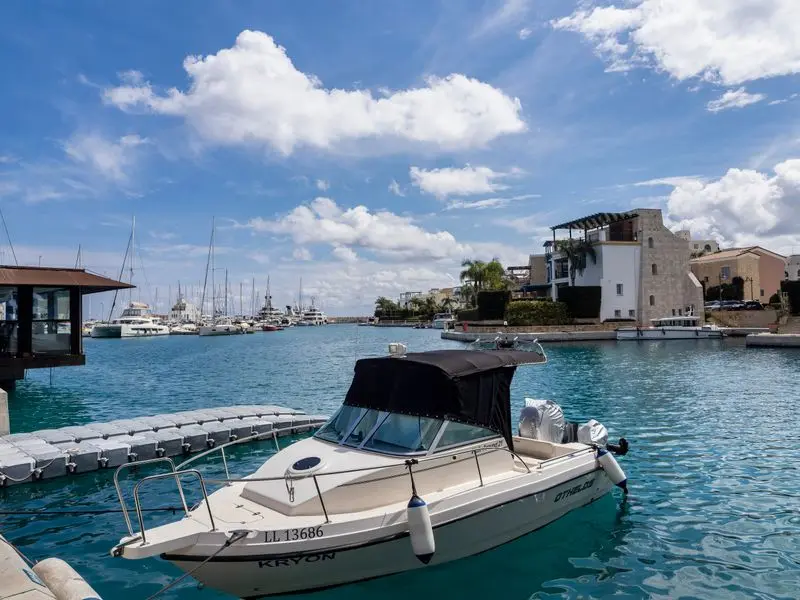
Things to Do in Limassol, Cyprus
Photo made by Bob Jenkin on Pexels.com
When to visit
Most popular attractions in Limassol, Cyprus
If you are looking for things to do in Limassol on Cyprus, start at the 13th-century Limassol Castle, where you can visit the Medieval Museum. Then take a walk along the Molos promenade, a good 2 kilometers long, and stop by the Limassol Marina with 650 mooring berths. The city offers a perfect mix of history and modern life.
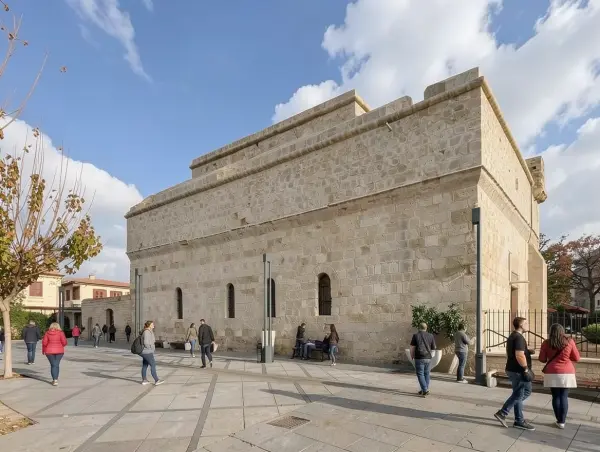
1. Limassol Castle
Step into an 800-year-old stone where Byzantine arches meet Ottoman walls. Descend the narrow stairs into cool cellars and see medieval artifacts and knightly armor.
Quick facts: In the castle halls where knights once stood guard, a medieval museum now resides with a wealth of artifacts spanning from the Byzantine to the Ottoman period. The walls have survived earthquakes, fires, and changes of rulers, making them one of the most recognizable walls on the island.
Highlights: In the cellar spaces, during restoration in 1951, older Byzantine arches were discovered that had remained hidden for decades beneath the Ottoman fortification. If you descend the narrow stone stairs, you can touch walls over eight hundred years old and feel the coolness that lingers in the depths during the sweltering summer.
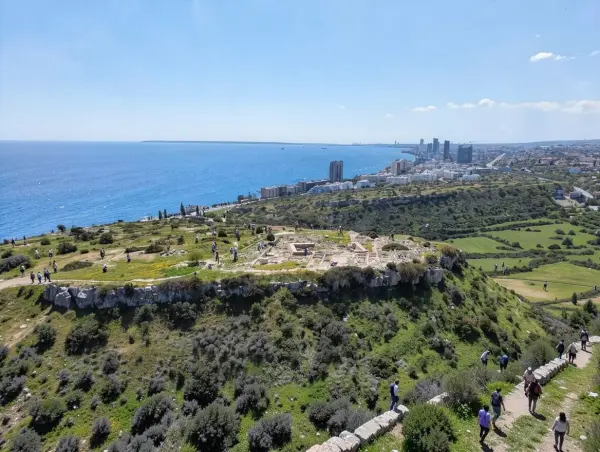
2. Amathus Archaeological Site
Step onto the ground where worshippers of the goddess Aphrodite once gathered. Walk among the ruins of temples, a basilica and Roman baths with a view of the blue sea.
Quick facts: Amathous was one of the four ancient city kingdoms on Cyprus, flourishing from the 8th century BC to the early Middle Ages. At the top of the acropolis stand the remains of a monumental temple dedicated to the goddess Aphrodite, which measured almost 30 meters in length.
Highlights: At the top of the hill, the remains of the magnificent temple of the goddess Aphrodite still stand, where archaeologists have found more than 80 fragments of marble statues, including parts of a huge statue of the goddess herself. Below the acropolis, you can also see the functioning ancient harbor, which was so important in antiquity that ships from the entire Mediterranean world arrived there.
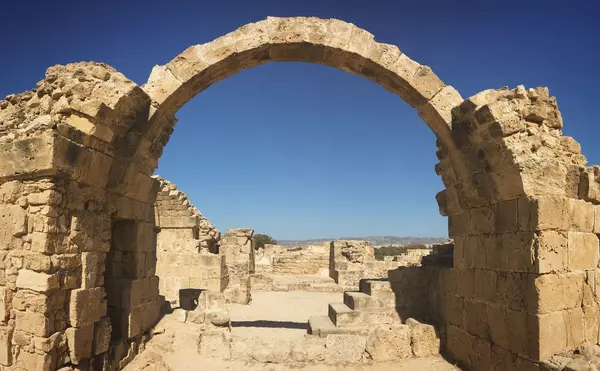
3. Kourion Archaeological Site
An ancient Roman city on a cliff above the sea, where you step onto 4th-century mosaics. Explore the theater, baths and houses with a view of the turquoise coast.
Quick facts: At the top of a steep cliff above the blue Mediterranean coast stand ruins overlooking Episkopi beach and the endless sea. Here archaeologists have discovered beautiful mosaics depicting gladiators and the house of the famous pagan cult of Achilles.
Highlights: The most striking sight is the floor plans of homes that have preserved their original colorful mosaics from the fourth and fifth centuries, including a depiction of the mythical hero Achilles. You can literally step onto original Roman floor tiles laid by Roman craftsmen 1,600 years ago, and most are still completely untouched under protective roofs.
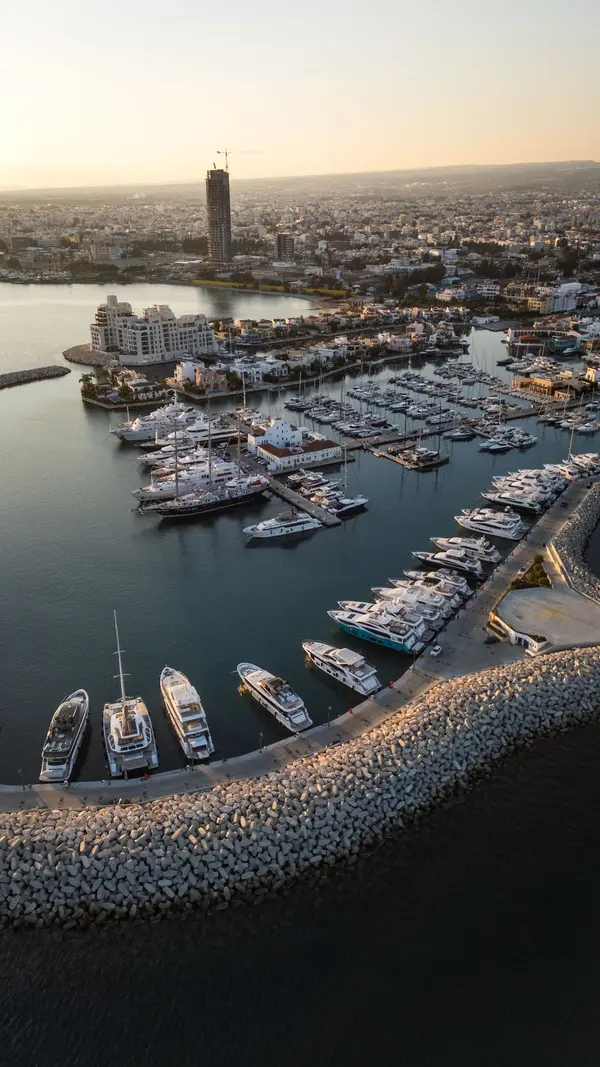
4. Limassol Marina
A marina where a modern pier and the old town meet in the same place. Walk past superyachts, then find medieval streets and local tavernas within minutes.
Quick facts: The marina comprises 650 berths for vessels, many of which are reserved for superyachts up to 90 meters in length. It sits right next to the old town center and offers direct views of the Mediterranean horizon and Limassol Castle, which is only a few minutes' walk away.
Highlights: At night, strollers above the water's surface walk past yachts whose lights create a mirror image on the water, while behind them they look out over the old Turkish quarter. In the evenings, locals gather along the promenade to watch the sunset while crews board in the background for nightly departures.
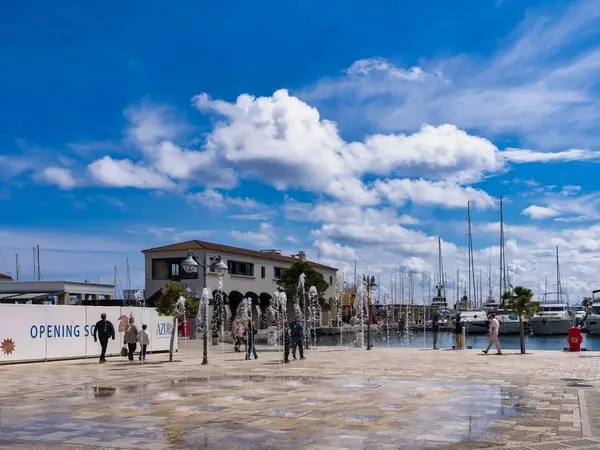
5. Molos Promenade
Two kilometers of seaside walkway with fountains, sculptures and cafés. Experience a Mediterranean sunset that locals never skip.
Quick facts: The promenade along Limassol stretches approximately two kilometers along the sea and connects the old port with the new one. The wide sandy path is full of palm trees, benches, and fountains that attract both locals and tourists.
Highlights: At dusk, the promenade transforms into a stage for colorful water fountains that pulse to music, while young people gather around the huge sculptures along the path. At one end stands a preserved old iron structure reminiscent of a former cargo mooring, and children chase each other around it as if through a maze.
6. Limassol Old Town
Here history meets the sea, a metro minute from the harbor. Walk past old stone buildings and feel the pulse of harbor life.
Quick facts: Google Maps marks it as a stop and a transportation service, although it is located in the heart of the old town center. The tower standing beside it is one of the oldest preserved towers in the city and serves as a landmark for locals.
Highlights: In this area, the old town center transitions directly into the harbor, so you see fishing boats and cargo ships practically right next to clothing stores. At sunset, the silhouettes of the castle and the old city walls are clearly visible on the horizon, sharing the same stage with modern yachts.
7. Municipal Garden
A green escape from the heat of the city center in the shade of decades-old trees. A stroll among peacocks, by the pond or on a bench with a book.
Quick facts: In the middle of the city of Limassol stretches a large green park with trees decades old and shady paths. Within it also stands the old municipal zoo, a popular spot for families with children.
Highlights: In the very center of the park stands the old municipal zoo, where you can see deer, ostriches, and peacocks roaming freely in the enclosed area. On sunny afternoons, local retirees gather at the chess tables under shady canopies, giving the park an authentic everyday rhythm.
8. Limassol Zoo
In the middle of a green park in Limassol, a meeting with more than 300 animals awaits you. Children will be thrilled, while adults will enjoy the shaded paths and the peaceful bird lake.
Quick facts: The Limassol Zoo is home to more than 300 animals from approximately 40 different species, from lions and tigers to pelicans and peacocks. Within its green grounds you will also find a smaller botanical garden with native Mediterranean plants.
Highlights: A special feature is the bird lake in the middle of the garden, where flamingos and pelicans walk so close that you can hear the rustling of their wings. Children can touch goats and sheep in a special petting area, which is a rarity in Cypriot institutions.
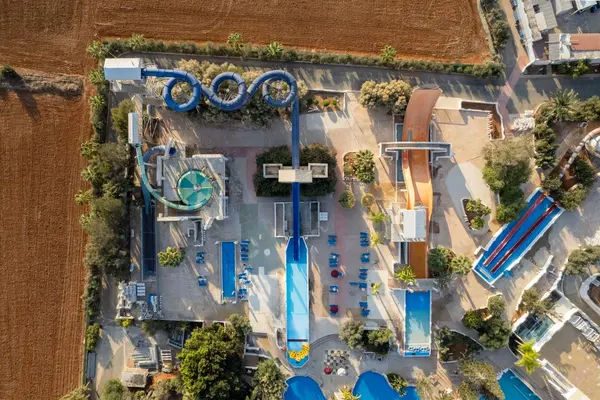
9. Fasouri Watermania Water Park
The best afternoon refreshment in the south of Cyprus. Expect adrenaline-filled descents and a relaxing ride along the rocky river.
Quick facts: More than 20 slides and pools spread across 45,000 square meters of a summer amusement park along the Limassol coast. The green area with palm trees and loungers also hides a wave pool with a real artificial beach.
Highlights: The Stone River, a 400-meter-long lazy river that lifts you up with its inner circle, is a true highlight of the park. Children can spend the whole day in the kids' pool with water mushrooms and mini slides while parents enjoy cocktails by the pool.
Where to Stay in Limassol, Cyprus
Selected by City Buddy based on guest reviews and proximity to top attractions
Search all hotels in Limassol, CyprusPowered by agoda
Opening days in Limassol, Cyprus
Which of the top sights close on which day of the week — the classic trip-ruiner, checked for you.
Good news: all 6 top sights with known hours are open every day of the week.
Closed on Monday · 0 closed, 6 open
Nothing closes on Monday — all 6 sights with known hours are open.
Opening days from Google Maps (checked 2026-10-19). Public holidays, strikes and seasonal hours can differ — check the official website before you go.
Traditional Sweet Dishes

Loukoumades
These honey-soaked fried dough balls are a beloved Cypriot treat, often served at festivals and family gatherings in Limassol. They date back to ancient Greece, where they were offered to the gods at the Olympic Games.
Palouze
Palouze is a traditional grape must pudding made from boiled grape juice and flour, a sweet specialty that celebrates Limassol's famous winemaking heritage. When dried and cut into slices, it becomes the chewy confection known as soutzoukos.

Galaktoboureko
This silky custard dessert is wrapped in delicate layers of crispy phyllo and drenched in a fragrant citrus syrup. In Limassol, families often prepare it for Easter and name-day celebrations, and each household guards its own secret recipe.
Traditional Savory Dishes
Souvla
Souvla is Cyprus's iconic charcoal-grilled meat, typically large chunks of pork or lamb roasted on a long skewer over open flames. In Limassol, Sunday souvla gatherings are a cherished social ritual where the griller's skill is a point of family pride.

Kleftiko
Kleftiko is lamb slow-cooked in a sealed clay oven until it falls off the bone, a method that legend says was developed by bandits who buried their meat to hide the cooking smoke. The name actually comes from the Greek word for thief, kleptis.
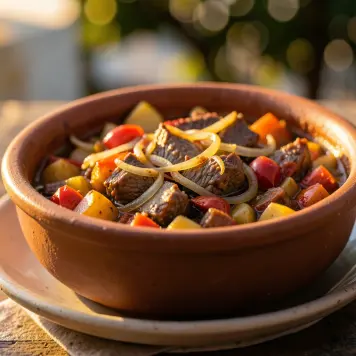
Ttavas
Ttavas is a rustic casserole of lamb or beef baked slowly with onions, tomatoes, and potatoes in a traditional clay pot. It is a hearty Limassol favorite that gets its deep, comforting flavor from hours of gentle oven roasting.
Traditional Beverages

Commandaria
Commandaria is the world's oldest named wine, produced in the hills near Limassol from sun-dried grapes for over 800 years. Legend says it was the wine served at the wedding of King Richard the Lionheart and Berengaria of Navarre.

Zivania
Zivania is a potent traditional grape pomace brandy that packs a punch at around 45% alcohol. In Limassol's villages, it was historically used not only for drinking but also as a folk remedy for colds and an antiseptic for wounds.

Cypriot Coffee
Cypriot coffee is a strong, unfiltered brew served in small cups with the grounds settled at the bottom, similar to Turkish coffee. In Limassol's kafeneia, reading the coffee grounds left in the cup is still a popular pastime for predicting the future.
Frequently Asked Questions about Limassol, Cyprus
Is Limassol in Cyprus safe for tourists?
How many days is it recommended to spend in Limassol?
When is the best time to visit Limassol, Cyprus?
Is Limassol in Cyprus expensive to visit?
How to get around Limassol, Cyprus?
Get a PDF with the most popular attractions sent to your email
Get a PDF with all attractions, ratings, and tips. Perfect for offline use.
Most popular day trips
Paphos
Ancient ruins, Kato Paphos archaeological park, and scenic harbor
Troodos Mountains
Picturesque mountain villages, hiking trails, and Byzantine churches
Larnaca
Coastal city with salt lake, Hala Sultan Tekke, and Finikoudes promenade
Getting there
Train stations
N/A, public transport via bus and taxi only
Cyprus has no rail system. Take an airport shuttle bus or taxi from Larnaca or Paphos airports; both are about 45 to 60 minutes by road.
Useful information for Limassol, Cyprus
Overview for Limassol, Cyprus
Want a day-by-day plan for Limassol, Cyprus? Open the trip planner
Plan your perfect trip to Limassol, Cyprus
Get a complete travel plan built just for you in under 30 seconds, with daily routes, local food tips, budget estimates and more.
Are any of these especially important to you?
Select all that apply
Getting around
How do you want to move between places?
Plan language: English