 CityBuddy
 English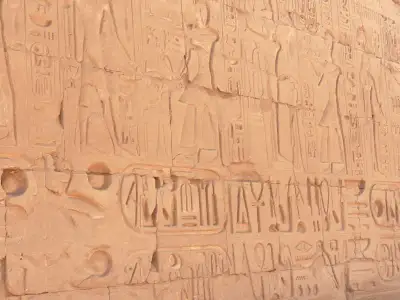
Tourist scams and rip-offs in Egypt: how to avoid them
Photo made by Atman Bouba on Pexels.com
Egypt is a popular destination with widespread petty scams targeting tourists, especially around Cairo's main sights and transport hubs. Use official taxi ranks and ride-hailing apps, agree prices in advance for any metered cab, and be firm with persistent street sellers. Violent crime is low but petty theft and overcharging are common, so keep valuables secure and always confirm prices before any service.
Updated September 2026
Common scams in Egypt and how to avoid them
1. Meter not used or rigged
How it works: Taxi drivers refuse to turn on the meter and quote an inflated flat fare, or use a meter set to a tourist rate. Fares end up several times the fair price for the same route.
How to avoid it: Insist the meter is used, or book through Uber, Careem, or inDrive where the fare is set in the app.
2. Persistent sellers and 'gifts'
How it works: Vendors at major sights push trinkets, papyrus, and scarves, often placing items in your hands or calling them 'gifts', then demanding payment once you touch them.
How to avoid it: Do not make eye contact, do not take anything handed to you, and walk away firmly without engaging.
3. Poor-rate currency exchange
How it works: Street money changers and some exchange booths near tourist areas offer much worse rates than banks or official exchange offices, sometimes with hidden fees or short-changing.
How to avoid it: Use bank ATMs or official bank exchange counters. Count cash carefully and never exchange on the street.
4. Menu without prices
How it works: Some restaurants in tourist zones present menus with no prices or add surprise charges for bread, water, or 'service' at the end of the meal.
How to avoid it: Ask for a priced menu before ordering. Confirm whether service is included before you eat and check the bill line by line.
5. Unwanted guide or escort
How it works: People approach tourists at monuments and offer 'free' guiding, then demand a large tip or payment afterwards. Some arrange camel or horse rides with an inflated fee.
How to avoid it: Politely decline all offers. Hire guides only through official ticket offices or reputable tour operators, and agree the total cost before the ride starts.
6. Touts selling sight tickets
How it works: Touts near major ticket offices claim the queue is closed or sell overpriced or fake entry tickets for temples and pyramids.
How to avoid it: Buy tickets only at the official ticket booth or window. Ignore anyone offering to 'skip the line' or sell you a ticket away from the booth.
7. Mid-ride price change
How it works: A driver agrees on a fare or turns on a meter, then near the destination claims a 'different route' or 'airport tax' and demands more money before letting you out.
How to avoid it: Agree the total price before starting, or use a ride-hailing app so the fare is locked and settled in the app.
Official tickets for the top sights in Egypt
Skip street sellers: book official tickets and tours with free cancellation.
From the airport to the city centre
Cairo International Airport (CAI)
Fair taxi price (official, daytime): 400 E£ - 600 E£ (€7 - €10). Use the official taxi rank or a ride-hailing app like Uber or Careem. Unlicensed drivers approach arrivals inside the terminal; ignore them and head to the designated pick-up zone. App fares are metered and transparent.
Best alternative: Airport shuttle bus or Cairo Metro connection via the nearest metro station (60 E£ (€1.02), about 60 min)
Public transport: tickets, validation and fines
- Single ticket
- 10 E£ (€0.17) (Single Cairo Metro ride ticket)
- Validation rules
- Buy a paper ticket or rechargeable card at the station booth before entering the platform gates. There is no separate validation step; the ticket is checked at the turnstile. Keep it until you exit, as inspectors may ask to see it.
- Fine without a valid ticket
- 200 E£ (€3.40). Fine for travelling without a valid ticket, imposed on the spot by ticket inspectors at station gates.
- Paying by card
- Contactless bank cards are not accepted at metro turnstiles. You must buy paper tickets or a rechargeable metro card with cash at station booths.
Tipping and service charges
Tipping: Tipping is expected and widespread. Add 5 to 10 percent in restaurants, round up taxi fares, and tip guides, drivers, and hotel staff in cash, usually 10 to 50 Egyptian pounds.
Cover and service charges: Service charges are usually added as a line on the bill in tourist-area restaurants but are not always passed to staff, so an extra small cash tip is common. Some places add a cover or bread charge; check the menu and bill carefully. Ask for a menu with prices before ordering and refuse if one is not provided.
Cards, ATMs and currency exchange
Always choose to be charged in Egyptian pounds and decline dynamic currency conversion at ATMs and card terminals. Prefer ATMs attached to major banks. Be aware that some independent ATM operators charge higher local fees; check the fee prompt before confirming.
Areas where extra care is advised
- Around Cairo's main train station (Ramses) and the Giza district at night: Keep bags closed and valuables out of sight, especially after dark, as petty theft and aggressive touts are commonly reported here.
- Khan el-Khalili bazaar and surrounding lanes: Expect very persistent sellers and pickpocketing in dense crowds; keep wallets and phones in front pockets and avoid flashing cash.
Emergency number
122
Planning your budget?
Frequently Asked Questions about Egypt
Is Egypt safe for tourists?
How much is a taxi from the airport to the centre of Egypt?
Do I need to validate public transport tickets in Egypt?
Is tipping expected in Egypt?
What is the emergency number in Egypt?
Based on widely reported traveler experiences and official advice. Prices are approximate and change; check current fares on arrival. Updated September 2026.