 CityBuddy
 English
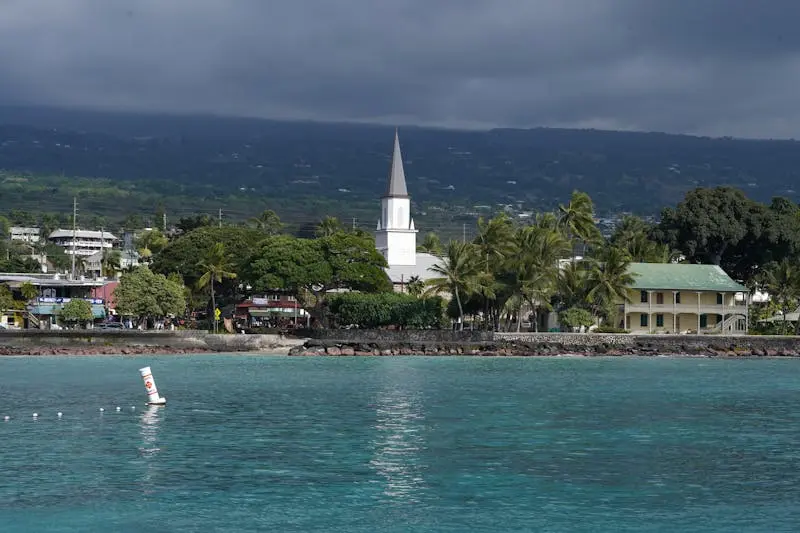
Things to Do in Papeete, French Polynesia
Photo made by Ham Chitnupong on Pexels.com
When to visit
Most popular attractions in Papeete, French Polynesia
If you are looking for tips on things to do in Papeete, French Polynesia, start at the Marché de Papeete, where from 5:30 a.m. to 5:00 p.m. they sell flowers, vanilla, and mother of pearl. Take a walk along the Boulevard Pomare Waterfront with views of the harbor. Nearby stands the Cathédrale Notre-Dame de Papeete, a stone church from 1875 with a carved wooden altar.
1. Marché de Papeete
Wake up to real Polynesia among vanilla, mother of pearl and fresh fruit. You will taste fafaru, browse handwoven pareu and try coconut bread straight from the bakers.
Quick facts: Over 10,000 visitors pour in every day to soak up the atmosphere of the largest market in all of French Polynesia. Vendors offer freshly caught tuna weighing up to 50 kilograms, alongside vanilla pods from the island of Tahaa and mother-of-pearl jewelry from the Manihi atoll.
Highlights: In the sweltering morning you will see fishermen gutting several-hundred-kilogram tuna and swordfish with sharp machetes right before your eyes, while nearby coffee and fried bananas perfume the air. On weekends, the courtyard hosts dance performances in traditional pareu, where local women weave hibiscus crowns right in front of tourists.
2. Musée de la Perle
You will see the rarest black pearls in the world and get a glimpse into the secrets of their cultivation. With your own eyes you will see how a shiny treasure of the ocean is born from a tiny grain of sand.
Quick facts: The exhibition halls house over 800 species of pearl oysters and shells from across the Pacific. Visitors can view unique black pearls that have been harvested in Polynesia for centuries.
Highlights: In one of the display cases lies a pearl measuring 21 millimeters in diameter, one of the largest black pearls in the world, which changes color depending on the angle of the light. Every day at noon a master pearl worker comes to show how pearls are sorted by luster and shade with the naked eye.
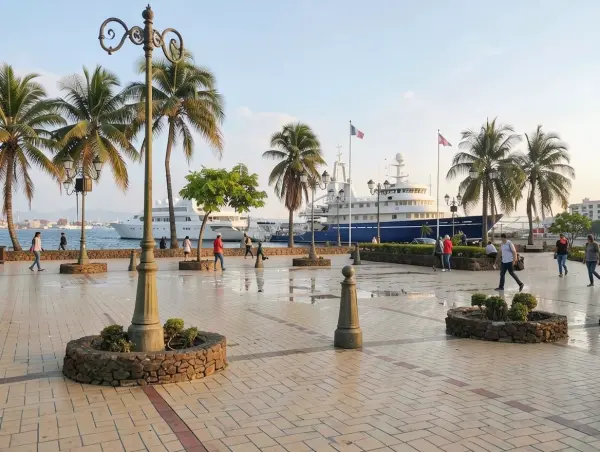
3. Place Vai'ete
Taste real Polynesian street food, where the scents of grill, vanilla and sea breeze mix. You will sit at a plastic table under the stars and let yourself be carried away by the rhythm of Tahitian music.
Quick facts: Every evening over 20 food trucks converge here, creating one of the largest street food markets in all of Polynesia. Under the open sky, up to a thousand locals and tourists sit down to eat at two hundred plastic tables night after night.
Highlights: Among the stalls you will come across the legendary "roulotte" called Chez Mado, which has been cooking the same recipes since the 1980s and whose grilled mahi-mahi with vanilla sauce is one of the most sought-after dishes in the whole market. The air blends the smell of grilled meat, sweet pineapples, and smoke from open fires, while live Tahitian music plays through speakers from a nearby bar.
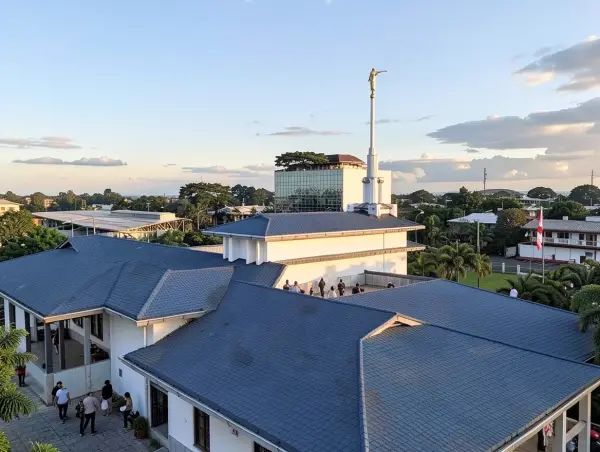
4. Temple de Paofai
A place where the story of the first missionaries blends with the loud singing of coral walls. Sit on a bench made of tomano wood and let true Polynesian spirituality breathe over you.
Quick facts: The temple is the oldest Protestant church on Tahiti, built from coral blocks and local wood. Every Sunday over 500 worshippers arrive in traditional white clothing, creating an unforgettable atmosphere.
Highlights: During the Sunday service, the space fills with live singing accompanied by a single harmonium, sounding as if it descends directly from heaven. Local women wear tiare flower garlands on their heads, their intoxicating fragrance mingling with the smell of old wood and sea breeze.
5. Toaroto Beach
The only swimmable black-sand beach in the Papeete area, minutes from town. Dip into calm lagoon water while locals barbecue and kids play beneath ironwood trees.
Quick facts: This black-sand shoreline sits just a 10-minute drive from downtown Papeete, making it the closest beach to the capital. Local families pack picnic baskets and spread out across its volcanic pebbles every sunny weekend.
Highlights: Chunks of coral and crushed black basalt give the shoreline a striking charcoal color, and the water turns a deep emerald where the waves roll in over the reef. When the breeze picks up mid-afternoon, the lagoon kicks into a gentle surf that's perfect for bodyboarding, and you can watch outrigger canoes glide past just offshore.
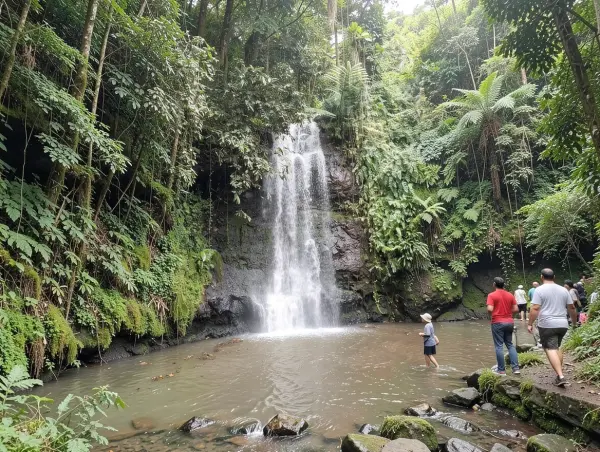
6. Vaipahi Waterfall Gardens
A cooling waterfall and botanical wonderland sits just off the main road. Wander through dense tropical foliage, take a dip in the spring-fed pool, and spot rare native birds along the trails.
Quick facts: A single waterfall cascades nearly 15 meters into a turquoise pool ringed by lush tropical ferns and hibiscus. The gardens weave together over 50 native plant species across winding paths that connect to the nearby Vaipahi archaeological site.
Highlights: The waterfall pool is fed by a natural spring running at a constant 22 degrees Celsius, making the swim refreshingly cool even in the midday heat. Look closely at the rocks near the base, locals still leave woven tiare flower offerings here each morning, a quiet tradition that has continued for generations.
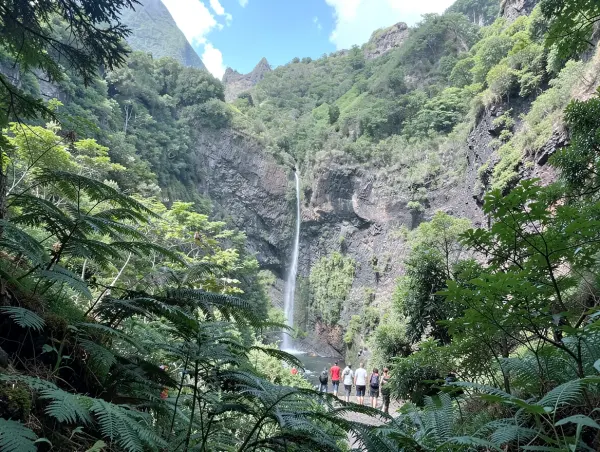
7. Fautaua Waterfall
One of the tallest waterfalls on the island awaits at the end of a jungle trail. Cross nine bridges, follow the river, and stand beneath a 300-meter cascade.
Quick facts: The waterfall drops roughly 300 meters in three tiers, making it one of the tallest waterfalls on the island. You'll cross nine bridges and follow the Fautaua River through lush valley walls to reach the base pool.
Highlights: The final cascade thunders into a natural amphitheater of black volcanic rock, soaking the air with cool mist that creates rainbows when the midday sun filters through the canopy. Locals say the pool is deep enough to swim in even after dry weeks, thanks to the underground springs feeding it year-round.
8. Pointe Venus Beach
Swap white sand for a dramatic dark shoreline that stays cool even at noon. Feel the warm basalt underfoot and watch surfers ride glassy breaks just meters from shore.
Quick facts: Black volcanic sand stretches nearly a kilometer along the shoreline, warming noticeably under the tropical sun. Surf breaks roll in year-round, with the strongest swells arriving between May and September.
Highlights: The sand here is made of crushed basalt, giving it a deep charcoal hue that sparkles with tiny mineral flecks when the waves recede. A weathered coral and stone platform sits just offshore, where local families launch small outrigger canoes at dusk.
Where to Stay in Papeete, French Polynesia
Selected by City Buddy based on guest reviews and proximity to top attractions
Search all hotels in Papeete, French PolynesiaPowered by agoda
Opening days in Papeete, French Polynesia
Which of the top sights close on which day of the week — the classic trip-ruiner, checked for you.
Sunday: 2 of 6 top sights closed — plan museums for another day.
Closed on Sunday · 2 closed, 4 open
Opening days from Google Maps (checked 2026-09-28). Public holidays, strikes and seasonal hours can differ — check the official website before you go.
Traditional Sweet Dishes
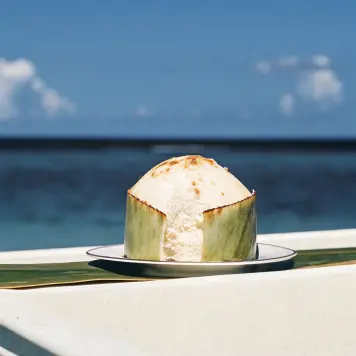
Po'e
Po'e is a traditional Tahitian fruit pudding made by wrapping mashed bananas or other fruits in banana leaves and baking them in an underground oven called an ahima'a. The result is a dense, sweet, and aromatic dessert with a distinctive caramelized flavor.
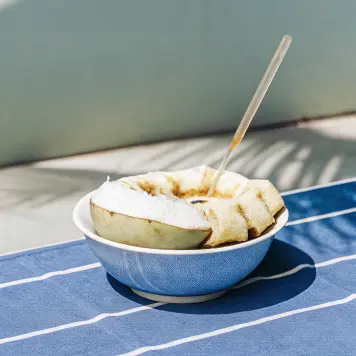
Firi Firi with Coconut Syrup
Firi firi are deep-fried twisted doughnuts made from rice flour and coconut milk, often served for breakfast or as a dessert. They are typically drizzled with sweet vanilla-infused coconut syrup for an extra tropical touch.
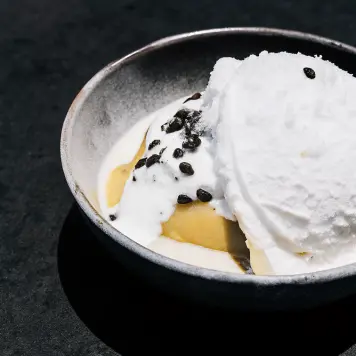
Tahitian Vanilla Po'e
This variation of po'e uses Tahitian vanilla beans, which are considered some of the finest in the world for their rich, floral aroma. The pudding is often served cold with fresh coconut cream poured on top.
Traditional Savory Dishes
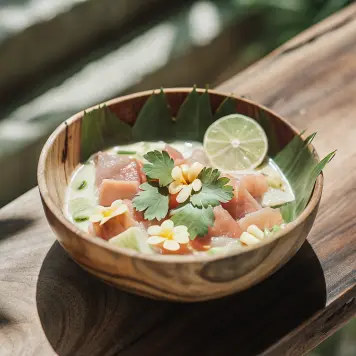
Poisson Cru
Poisson cru, meaning "raw fish" in French, is the national dish of French Polynesia, made with fresh tuna marinated in lime juice and coconut milk. It is often compared to ceviche but has a distinctly creamy, tropical Tahitian character.
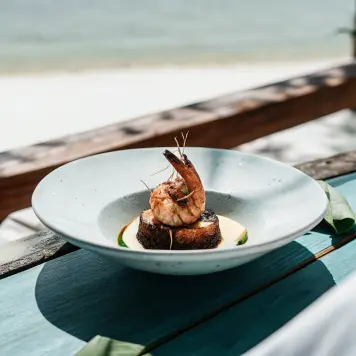
Chevrettes a la Vanille
This dish features freshwater shrimp from Tahiti's rivers, cooked in a sauce made with local vanilla bean and coconut milk. The sweet vanilla perfectly complements the delicate flavor of the shrimp, creating a uniquely Polynesian fusion.
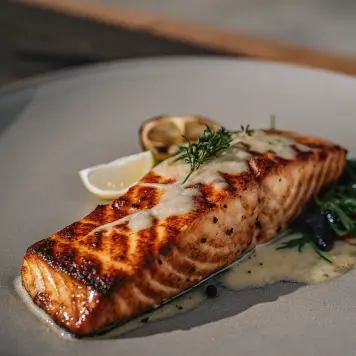
Mahi Mahi with Vanilla Sauce
Mahi mahi, or dorado, is a staple fish in Papeete, often grilled and served with a creamy vanilla bean sauce. Tahitian vanilla is used in savory cooking as frequently as in sweets, adding a surprising but delicious depth to the fish.
Traditional Beverages
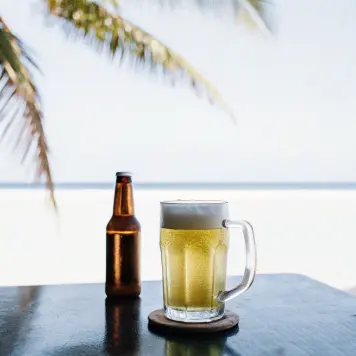
Hinano Beer
Hinano is the iconic lager of Tahiti, brewed in Papeete since 1955 using pure volcanic spring water. It is named after the Hinano flower and is the essential drink to accompany any meal in French Polynesia.
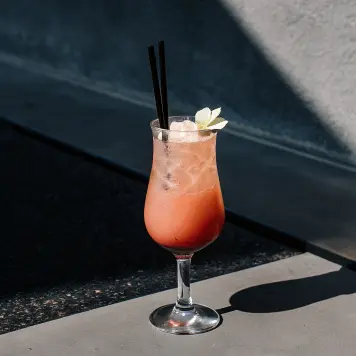
Maitai Cocktail
While invented in California, the maitai became a signature drink of Papeete, where locals make it with aged Tahitian rum, fresh lime juice, orange curaçao, and orgeat syrup. In Tahiti, it is often garnished with a floating gardenia or orchid.
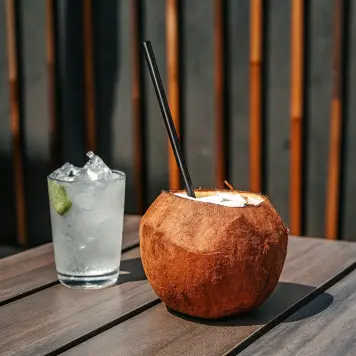
Eau de Coco
Fresh coconut water, or eau de coco, is sold everywhere from roadside stands and food trucks in Papeete, served ice cold straight from the coconut. It is the most refreshing way to beat the tropical heat and is considered a natural electrolyte drink.
Know before you go
What a day costs in Papeete, and the rip-offs to avoid
Top rip-offs to avoid
- Unlicensed airport drivers. Use the official taxi rank and agree the CFP franc fare beforehand. Walk past anyone who approaches you and ignore claims the rank is unavailable.
- Unmarked menu prices. Ask to see a menu with prices before ordering and confirm whether service is included. Review the itemised bill.
- Dynamic currency conversion. Always decline the conversion and choose to be charged in CFP francs with your bank's rate.
Fair taxi from the airport: 1,500 XPF - 2,500 XPF (€13 - €21)
Cheaper option: Le Truck public bus (200 XPF)
All scams, fair prices and rulesFrequently Asked Questions about Papeete, French Polynesia
Is Papeete, French Polynesia safe?
How many days to spend in Papeete, French Polynesia?
When is the best time to visit Papeete, French Polynesia?
Is Papeete, French Polynesia expensive?
How to get around Papeete, French Polynesia?
Get a PDF with the most popular attractions sent to your email
Get a PDF with all attractions, ratings, and tips. Perfect for offline use.
Most popular day trips
Moorea Island
Stunning sister island with lush mountains, pristine beaches, and world-class snorkeling
Bora Bora
Iconic lagoon paradise with overwater bungalows and Mount Otemanu views
Tetiaroa Atoll
Pristine private atoll nature reserve with bird sanctuaries and white sand beaches
Huahine Island
Authentic Polynesian island known for ancient temples and blue lagoon
Raiatea and Taha'a
Sacred Polynesian islands with vanilla plantations and coral gardens
Getting there
Airports
From Faa'a Airport, take a taxi (10 minutes, 15-20 USD) or the airport shuttle bus into central Papeete. No train service exists on Tahiti.
Useful information for Papeete, French Polynesia
Overview for Papeete, French Polynesia
Compare Papeete with other destinations
Prices, safety, weather and top attractions side by side, with a verdict for every kind of traveler.
Want a day-by-day plan for Papeete, French Polynesia? Open the trip planner
Plan your perfect trip to Papeete, French Polynesia
Get a complete travel plan built just for you in under 30 seconds, with daily routes, local food tips, budget estimates and more.
Are any of these especially important to you?
Select all that apply
Getting around
How do you want to move between places?
Plan language: English