 CityBuddy
 English
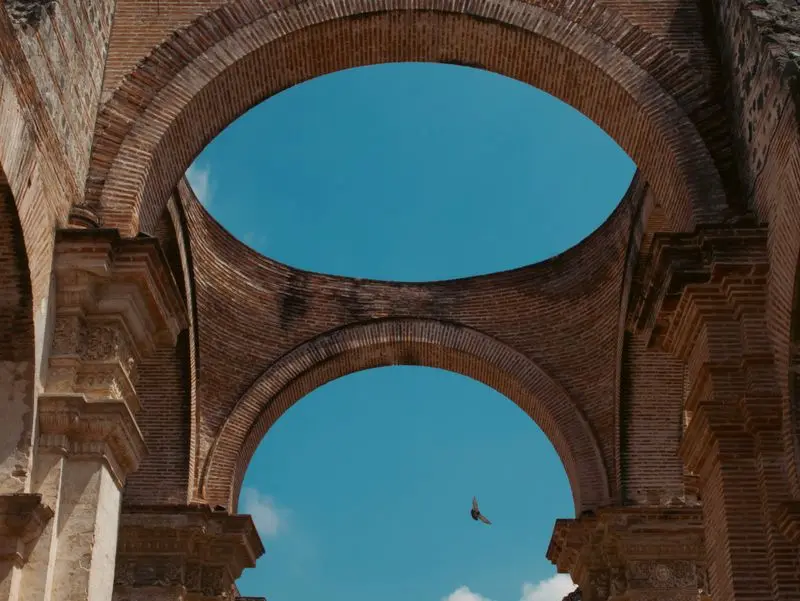
Things to Do in Antigua Guatemala, Guatemala
Photo made by Francisco Sandoval on Pexels.com
When to visit
Most popular attractions in Antigua Guatemala, Guatemala
The top things to do in Antigua Guatemala, Guatemala start at the Arco de Santa Catalina, a saffron-yellow arch that has framed the volcano Agua since the 1600s. Wander two blocks south to Parque Central, where colonial benches face the Palacio de los Capitanes Generales, its 15 arched portales once housing royal offices and now bustling with artisan stalls.
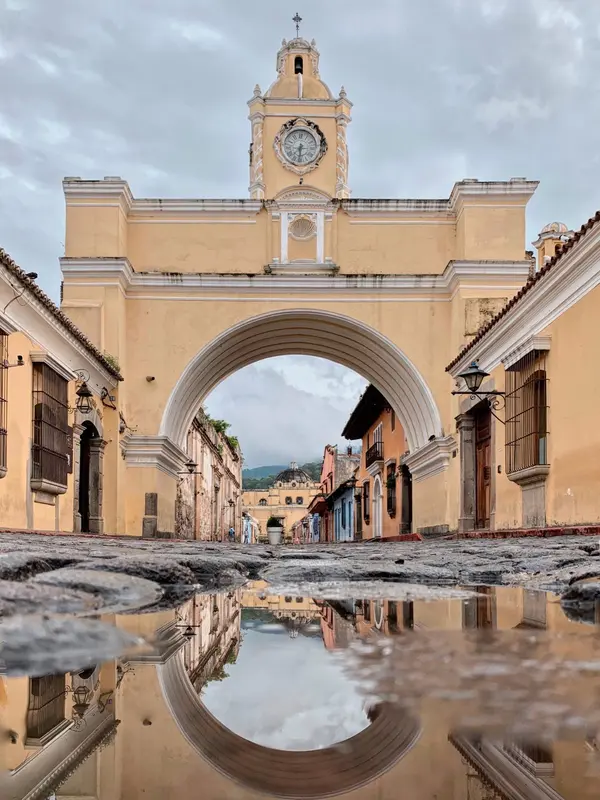
1. Arco de Santa Catalina
Few vantage points capture Antigua's colonial charm like this cobblestone crossing with Volcano Agua towering behind it. Step beneath the arch and watch photographers, horse-drawn carriages, and street vendors fill the frame at every hour.
Quick facts: This pastel-yellow arch with its distinctive clock tower straddles 5a Avenida Norte, marking a spot where cloistered nuns once crossed the road without being seen. It ranks among the most photographed structures in the region, with its iconic Volcano Agua looming in the background framing the view.
Highlights: The covered walkway on top was originally a passage for nuns from the Santa Catalina convent to cross over the street without being observed, keeping them out of public view for centuries. Today the arch is a favorite spot for photographers at golden hour, when the warm light hits the yellow facade and Volcano Agua glows behind it.
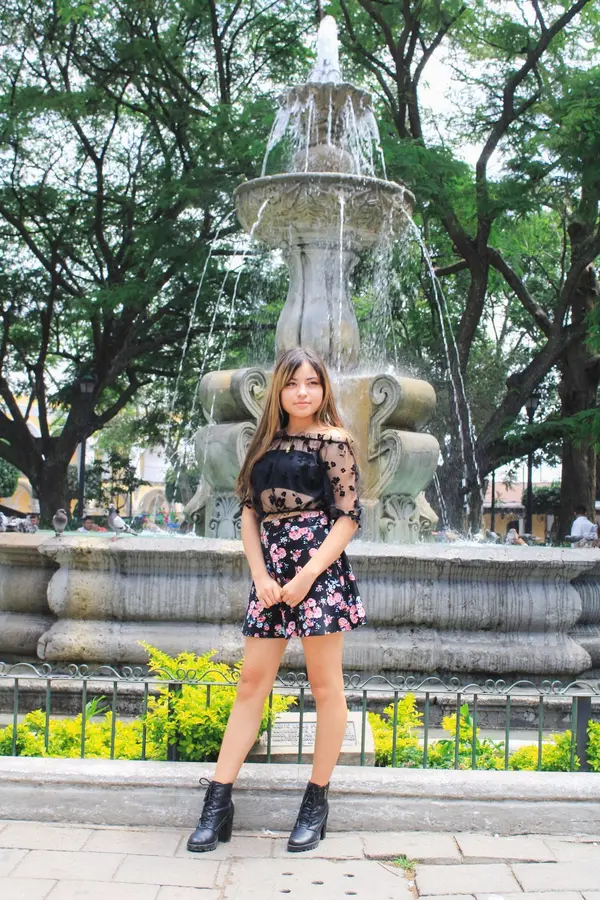
2. Parque Central
The heart of the old city beats here, where colonial arches frame volcanic views and street vendors fill the air with smoke and cilantro. Stroll past the cathedral ruins, sip coffee from a rooftop café, and watch the whole town wander through.
Quick facts: The central plaza has survived multiple earthquake rebuilds since the 1500s, surrounded by the green-and-white cathedral ruins and the arched Palace of the Captains General. Local vendors sell everything from hand-woven textiles to freshly roasted chuchitos, and the fountain at its center is a popular meeting point for both residents and travelers.
Highlights: The twin fountains designed by Diego de Porres still spout water today from their 1740s original carving, and locals joke about counting the exact number of stone spouts while they wait for friends. Come at dusk on a weekend and you will find the plaza transformed into an open-air stage with marimba players, folk dancers in traditional huipiles, and a spontaneous parade of families circling the park.
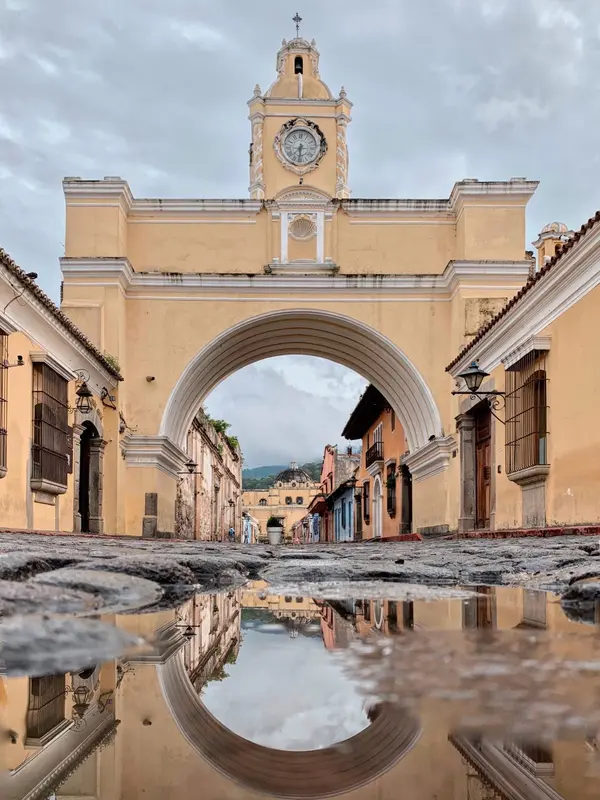
3. Santa Catalina Arch
One of the most photographed frames in Central America awaits you in a colonial city. Walk beneath the yellow arch, feel the volcanic ash beneath your feet, and watch the volcano loom through its passage.
Quick facts: A centuries-old yellow archway sits at the heart of a Colonial-era city, its clock face added only in the 1830s. The structure serves as a gateway between the main plaza and a charming cobblestoned street leading to a historic convent.
Highlights: The real magic happens at sunrise, when the arch perfectly frames the towering volcano behind it, an image photographers chase from across the globe. Locals say the clock, perched atop the arch, has been keeping time for nearly two centuries through earthquakes and restorations alike.
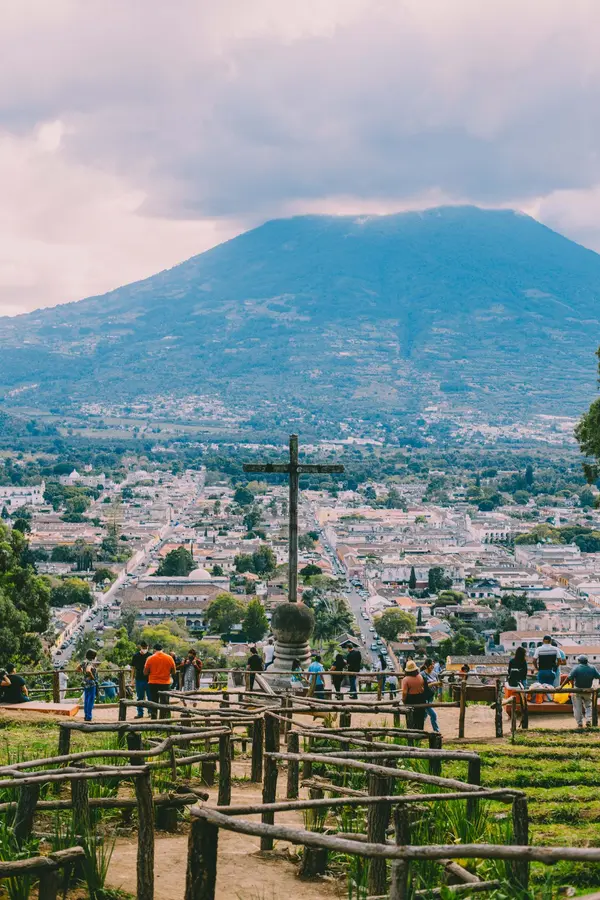
4. Cerro de la Cruz
Climb 250 steps for the single best panorama of Antigua's colonial rooftops beneath three volcanoes. You'll get a sweeping view that no street-level walk can match.
Quick facts: Reaching the viewpoint requires a 5 to 10 minute climb up 250 stone steps from the Alameda de Santa Lucía. The cross at the summit dates from 1930 and looks down on the city against the backdrop of three volcanoes: Agua, Fuego, and Acatenango.
Highlights: The viewpoint puts you eye level with Volcán de Agua's perfectly symmetrical 3,766 meter cone, and if you time it right you'll catch Fuego puffing ash on a clear morning. Locals say the best show is after a rainy afternoon, when the clouds peel back and the whole valley glows gold at sunset instead of the usual haze.
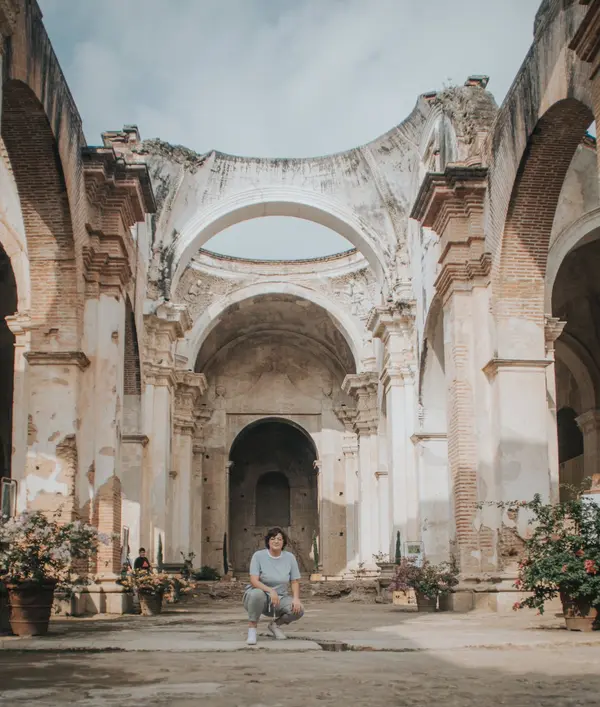
5. Catedral de San José
Step into a cathedral where open sky replaces the roof and history lives in cracked stone. Wander roofless ruins, then cross into the active church still holding Sunday mass.
Quick facts: This cathedral rose from the rubble after two massive earthquakes in 1773 destroyed its original baroque facade and inner sanctuary. What remains today is a partly restored structure where roofless ruins sit beside an active parish church, letting visitors walk among crumbling arches and centuries-old stonework.
Highlights: The decaying facade still holds its original carved stonework, with earthquake-shattered columns standing where the main altar once presided. A closer look reveals colonial-era fresco fragments still clinging to sections of wall, their faded pigments a ghost of the ornamentation that once covered every surface.
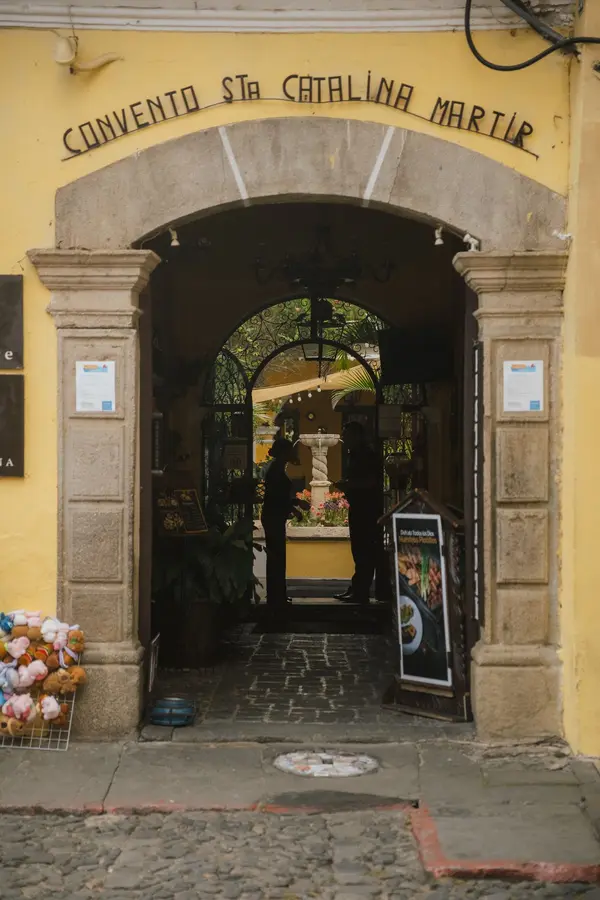
6. Convento de las Capuchinas
Step into a serene 1700s convent that survived earthquakes that flattened most of the city. Walk the circular nuns' courtyard, then descend into the vast underground cistern that still holds rainwater.
Quick facts: This 18th-century convent was the only one in the Americas built specifically for cloistered nuns of the Capuchin order, with a circular underground cistern that still collects rainwater today. The complex combines Spanish colonial architecture with unusual defensive design, including thick walls and a hidden turn from the public street into the main courtyard.
Highlights: The centerpiece is a circular two-story courtyard ringed by 18 cells for the nuns, a rarity in colonial Latin America where most convents used straight corridors. Below that courtyard sits a massive 14-meter-wide cistern carved from volcanic rock, where nuns once bathed and drew water, and visitors can still descend the worn stone stairs into its echoing, cool chamber.
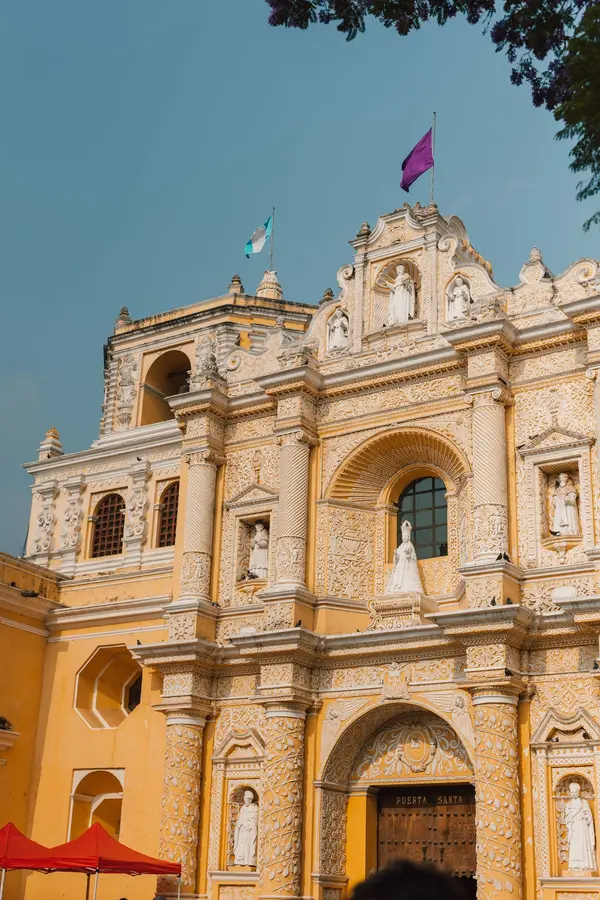
7. Iglesia de La Merced
A dazzling yellow baroque church with a rooftop view over the valley and its volcanoes. Wander the courtyard, admire the giant fountain, and climb for panoramas of the colonial rooftops.
Quick facts: The ornate yellow facade is one of the most photographed sights in the colonial city, rivaling any baroque church in the Americas. Its fountain in the courtyard is the largest in Central America, measuring roughly 27 meters across.
Highlights: Climb to the rooftop terrace for a close view of the Agua volcano, which towers over the city at 3,766 meters. The massive courtyard fountain features a detailed sculpture of a crowned figure holding the city's coat of arms, fed by water channels where locals once filled their jugs.
8. Museo de Jade Maya
Watch master carvers transform raw jade into glowing art in a working studio. Handle ancient replica pieces and see the massive boulders they came from up close.
Quick facts: This museum holds one of Central America's largest private collections of carved jade, some pieces weighing over 1,000 pounds. The on-site workshop lets you watch artisans carving raw stone with hand tools, a craft practiced here continuously for over 30 years.
Highlights: A 1,500-pound slab of jadeite sits in the main hall so massive it took a crane to position it, and you can actually touch its cool, polished surface. The back room reveals the full journey from rough boulder to finished pendant, with rejected pieces showing exactly where carvers pivoted when the rock revealed hidden cracks.
Where to Stay in Antigua Guatemala, Guatemala
Selected by City Buddy based on guest reviews and proximity to top attractions
Search all hotels in Antigua Guatemala, GuatemalaPowered by agoda
Opening days in Antigua Guatemala, Guatemala
Which of the top sights close on which day of the week — the classic trip-ruiner, checked for you.
Good news: all 5 top sights with known hours are open every day of the week.
Closed on Monday · 0 closed, 5 open
Nothing closes on Monday — all 5 sights with known hours are open.
Opening days from Google Maps (checked 2026-10-02). Public holidays, strikes and seasonal hours can differ — check the official website before you go.
Traditional Sweet Dishes

Rellenitos de Plátano
These sweet plantain dumplings are stuffed with black beans and chocolate, then fried and dusted with sugar. They are a beloved street treat in Antigua, often served during festivals and family gatherings.
Frequently Asked Questions about Antigua Guatemala, Guatemala
Is Antigua Guatemala, Guatemala safe for tourists?
How many days should I spend in Antigua Guatemala?
What is the best time to visit Antigua Guatemala?
Is Antigua Guatemala expensive to visit?
How do I get around Antigua Guatemala?
Get a PDF with the most popular attractions sent to your email
Get a PDF with all attractions, ratings, and tips. Perfect for offline use.
Most popular day trips
Lake Atitlan
Stunning volcanic lake surrounded by indigenous villages and colorful markets.
Chichicastenango Market
Famous highland market with colorful textiles, crafts, and Mayan traditions.
Pacaya Volcano
Active volcano offering guided hikes with views of flowing lava.
Guatemala City
Capital city with museums, historic zones, and modern shopping centers.
Coffee Plantations
Local coffee farms offering tours, tastings, and beautiful highland scenery.
Getting there
Train stations
Shuttle services to Guatemala City and Lake Atitlan
Historical rail line to Puerto Barrios
Fly into La Aurora (GUA) in Guatemala City, then take a shuttle or taxi about 1 hour into Antigua. Direct shuttles run frequently from the airport.
Useful information for Antigua Guatemala, Guatemala
Overview for Antigua Guatemala, Guatemala
Want a day-by-day plan for Antigua Guatemala, Guatemala? Open the trip planner
Plan your perfect trip to Antigua Guatemala, Guatemala
Get a complete travel plan built just for you in under 30 seconds, with daily routes, local food tips, budget estimates and more.
Are any of these especially important to you?
Select all that apply
Getting around
How do you want to move between places?
Plan language: English