 CityBuddy
 English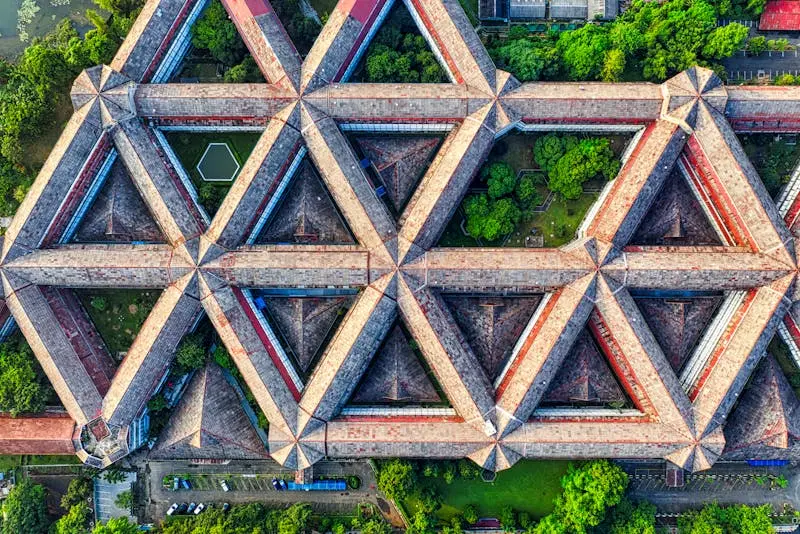
Things to Do in Bogor, Indonesia
Photo made by Tom Fisk on Pexels.com
When to visit
Most popular attractions in Bogor, Indonesia
Things to do in Bogor, Indonesia, include exploring the 87-hectare Bogor Botanical Gardens, home to over 15,000 plant species. Visit the historic Bogor Palace, just 2 kilometers from the city center, and stroll through the Zoological Museum's diverse animal collections. Outdoor lovers can hike in Mount Gede Pangrango National Park, located 40 kilometers away.
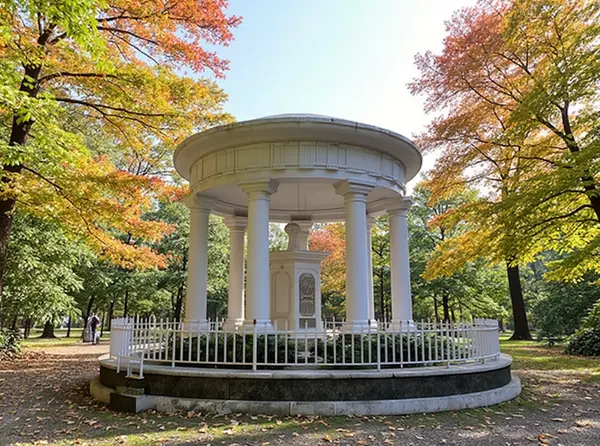
1. Bogor Botanical Gardens
Explore vast greenery and rare plant species in a peaceful setting. Experience a journey through exotic flora, tranquil lakes, and shady ancient trees.
Quick facts: Over 15,000 plant species thrive here, making it one of the richest botanical collections in Southeast Asia. The garden spans 87 hectares, featuring lakes, a historic palace, and towering ancient trees.
Highlights: Explore a giant ficus tree with roots covering more than 2,500 square meters offering a natural canopy perfect for picnics and shade. A serene reflecting pond attracts colorful dragonflies, creating a calming natural soundtrack for your strolls.
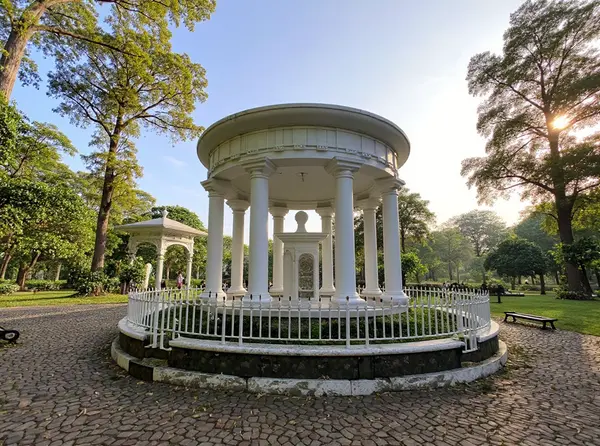
2. Bogor Palace
Step into history surrounded by breathtaking gardens. Experience royal artifacts and rare nocturnal orchids in a tranquil presidential retreat.
Quick facts: A palace surrounded by 87 hectares of lush botanical gardens, hosting over 15,000 plant species. Originally a residence for Dutch governors, the palace still serves as a presidential retreat today.
Highlights: A fascinating aspect is the collection of ancient artifacts inside, including a 17th-century Portuguese cannon with intricate engravings. The gardens feature rare orchids that bloom only at night, giving off a subtle, sweet fragrance that fills the air.
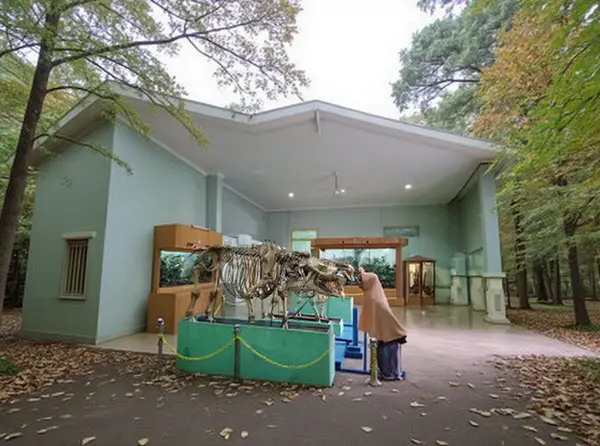
3. Zoological Museum
Experience wildlife wonders up close in an engaging, educational setting. Discover detailed exhibits and vibrant dioramas that bring nature's stories to life.
Quick facts: Over 20,000 specimens represent diverse fauna from Indonesia and beyond. Visitors can discover detailed dioramas presenting both tropical and marine ecosystems vividly.
Highlights: Look out for the rare golden Javan hawk-eagle exhibit, a symbol of Indonesia's wildlife conservation efforts. The museum's intricate insect collection under UV lights creates an almost magical, glowing display.
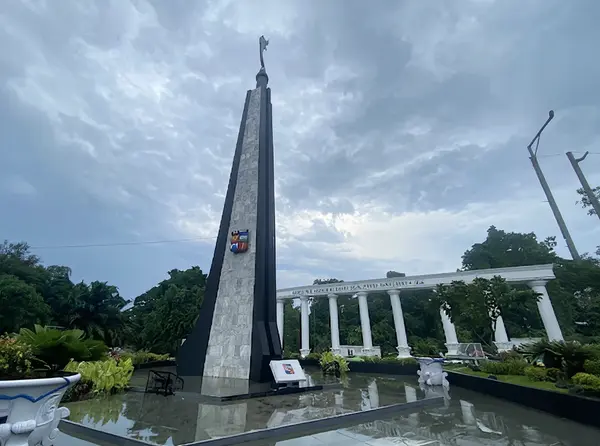
4. Kujang Monument
Experience a striking symbol of Sundanese culture. Dive into rich traditions and admire intricate carvings up close.
Quick facts: A towering symbol of local pride, this monument honors the iconic kujang blade, a traditional Sundanese weapon brimming with cultural history. Its unique blend of sculptural elements captures the spirit and resilience of West Java's heritage.
Highlights: The monument's design mimics the kujang blade with striking precision, featuring intricate carvings that showcase Sundanese artistry. Visitors can spot detailed reliefs illustrating ancient legends and martial valor, making it feel like stepping into a living storybook.

5. Mount Gede Pangrango National Park
Explore dramatic volcanic peaks and lush cloud forests. Encounter rare wildlife and immersive nature trails that awaken your adventurous spirit.
Quick facts: Home to over 300 bird species and a vast diversity of flora, the park is a paradise for nature lovers. Trails range from easy walks to challenging hikes up volcanic peaks, offering breathtaking views and rich biodiversity.
Highlights: The twin volcanic peaks rise majestically surrounded by misty cloud forests, where carnivorous pitcher plants thrive in the undergrowth. At dawn, the sunlight piercing through the dense foliage creates a magical golden haze rarely found elsewhere.
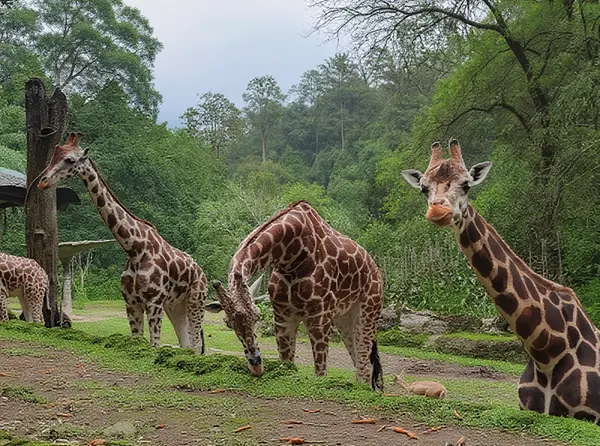
6. Taman Safari Indonesia
Experience a wild adventure with up-close animal encounters. Dive into thrilling jungle rides and captivating animal shows that excite every visitor.
Quick facts: More than 2,500 animals from over 270 species roam freely in large naturalistic habitats here. Visitors can drive through different zones mimicking wild environments, getting up close to creatures like rare Sumatran tigers and playful orangutans.
Highlights: A standout experience is the interactive animal shows where you can see elephants paint or watch sea lion performances that delight all ages. Jungle-themed safari rides and night safaris provide vivid encounters with nocturnal wildlife in their active hours.
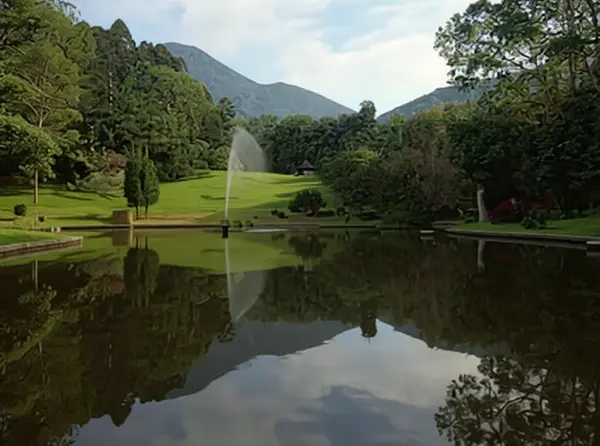
7. Cibodas Botanical Garden
Escape to a tropical paradise with thousands of exotic plants. Wander through misty trails and exotic blooms for a refreshing mountain retreat.
Quick facts: Nestled at the foot of Mount Gede, this garden hosts more than 10,000 species of tropical plants, including rare orchids and carnivorous plants. The cool mountain air creates a refreshing escape from the city heat, making every stroll feel like a breath of fresh air.
Highlights: Discover a pristine collection of rhododendrons and ferns thriving in misty highland patches that look like scenes from a fantasy film. The garden's unique cloud forest simulation mimics a foggy jungle atmosphere, offering a surreal experience that transports you to another world.
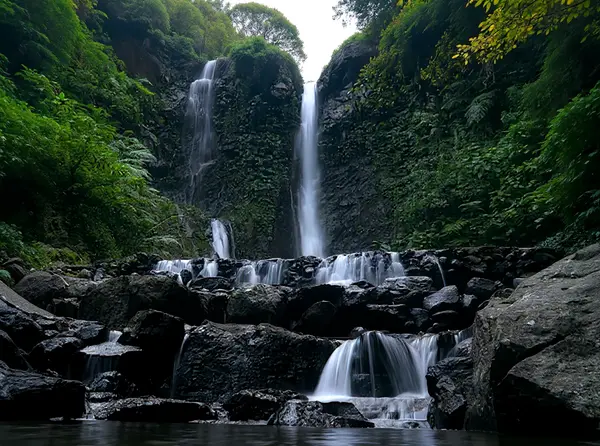
8. Cilember Waterfalls
Discover a refreshing cascade adventure in lush surroundings. Expect vivid green moss and soothing water symphonies at every turn.
Quick facts: The waterfall tucks itself into five distinct cascades that stretch about 50 meters high. Locals believe the water’s coolness has healing properties that refresh both body and spirit.
Highlights: One unique feature is the vibrant moss covering the rocks, glowing bright green after a rain, creating a stunning natural palette. The trickling sound varies through the cascades, making each step of the nearby trail feel like a different symphony.
9. Mount Pancar
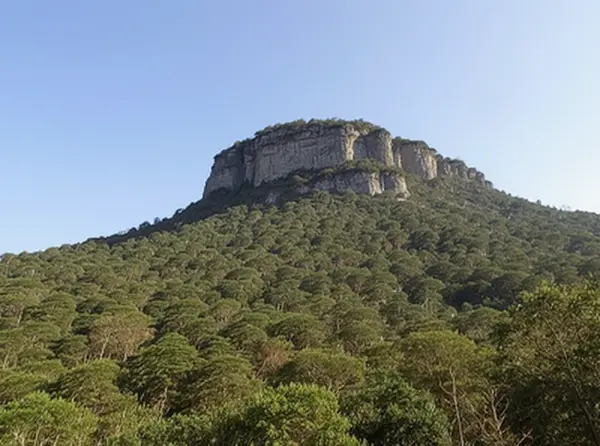
Experience mystic volcanic vibes and warm mineral springs. Walk through striking red foliage and soak in natural hot pools amid fresh mountain air.
Quick facts: Smoke clouds often rise from the fumaroles around the crater, creating an eerie yet fascinating atmosphere. The area features several natural hot springs where visitors can soak and relax in warm mineral waters.
Highlights: A peculiar sight is the vivid red leaves found in the cool mountain air during certain months, a rare contrast against the greener tropical surrounds. The volcanic soil fosters unique endemic plants that you won't see anywhere else nearby.
10. Mount Salak
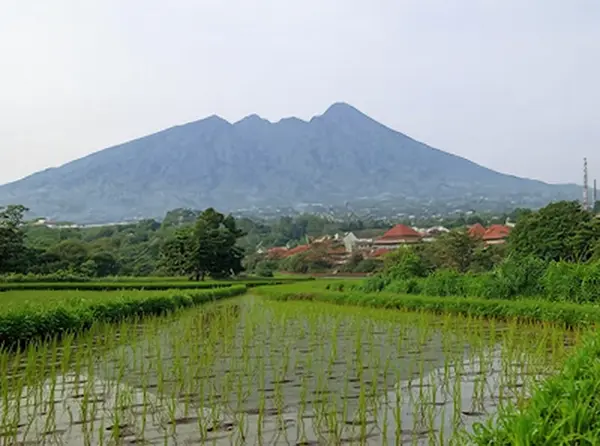
Escape to cool mountain air and verdant forests for a refreshing nature adventure. Encounter stunning volcanic views and lively wildlife on every hike.
Quick facts: A volcanic massif, the peak dramatically pierces above the surrounding rainforests, creating a cooler climate and lush greenery unlike the lowlands nearby. Frequent mist rolls over the slopes, giving the forest an ethereal, otherworldly vibe that captivates every visitor.
Highlights: Climbing the summit reveals panoramic views of volcanic cones and lake-filled craters, making each step a rewarding photo moment. Early mornings reveal wild macaques and exotic birds energized by the cool mountain air, making wildlife sightings a daily treat for adventurers.
Where to Stay in Bogor, Indonesia
Selected by City Buddy based on guest reviews and proximity to top attractions
Search all hotels in Bogor, IndonesiaPowered by agoda
Opening days in Bogor, Indonesia
Which of the top sights close on which day of the week — the classic trip-ruiner, checked for you.
Good news: all 8 top sights with known hours are open every day of the week.
Closed on Monday · 0 closed, 8 open
Nothing closes on Monday — all 8 sights with known hours are open.
Opening days from Google Maps (checked 2026-02-24). Public holidays, strikes and seasonal hours can differ — check the official website before you go.
Traditional Sweet Dishes

Roti Unyil
Roti Unyil are tiny, colorful filled buns invented in Bogor and popular since the 1970s, they are sold as an iconic local souvenir and snack because of their cute size and many fillings.

Asinan Bogor
Asinan Bogor is a sweet, sour, and slightly spicy pickled fruit or vegetable salad that is sold widely in Bogor and often packaged as a distinctive takeaway specialty for visitors.
Kue Balok
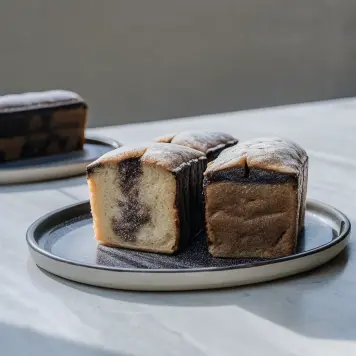
Kue Balok is a dense, rectangular cake commonly sold in the Puncak and Bogor area, it is a favorite roadside treat for tourists visiting the highlands.
Traditional Savory Dishes
Toge Goreng
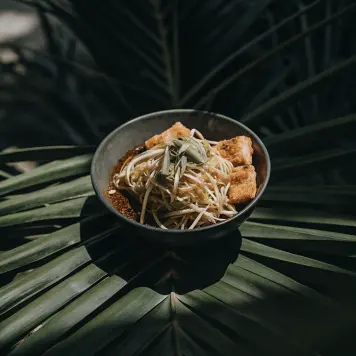
Toge Goreng is a signature Bogor street food made from bean sprouts, tofu, rice cake and a thick sweet-savory peanut sauce, it represents the city's vegetarian street-food tradition.

Doclang
Doclang combines rice cake, boiled egg, tofu, potato and peanut sauce, it is a traditional Bogor breakfast dish with deep local roots.

Soto Mie Bogor
Soto Mie Bogor is a comforting noodle soup with slices of meat and a flavorful broth that reflects Bogor's blend of Sundanese and Chinese culinary influences.
Traditional Beverages

Bajigur
Bajigur is a warm coconut milk and palm sugar drink flavored with ginger and pandan, it is popular in Bogor for warming up on cool, rainy days.

Bandrek
Bandrek is a spicy ginger-based hot drink sweetened with palm sugar and often laced with aromatic spices, street vendors commonly sell it in Bogor's misty mornings.

Teh Puncak
Tea from the Puncak highlands near Bogor has been grown since colonial times, its fragrant black teas are enjoyed locally and taken home as a classic Bogor souvenir.
Frequently Asked Questions about Bogor, Indonesia
What is the best time to visit Bogor, Indonesia?
Is Bogor, Indonesia expensive for travelers?
How can I get around Bogor, Indonesia?
Is Bogor, Indonesia safe for tourists?
How many days should I spend in Bogor, Indonesia?
Get a PDF with the most popular attractions sent to your email
Get a PDF with all attractions, ratings, and tips. Perfect for offline use.
Most popular day trips
Puncak (Cipanas)
Tea plantations, cool mountain views and roadside restaurants.
Taman Safari Indonesia, Cisarua
Large wildlife park with drive-through safaris and shows.
Mount Gede Pangrango National Park
Hiking, montane forest trails, waterfalls and biodiversity.
Curug Cilember (Cilember Waterfalls)
Series of waterfalls in a cool, forested valley.
Getting there
Train stations
KRL Commuterline to Jakarta, local and regional services
Long-distance intercity trains to and from Java; connect via KRL
From Soekarno-Hatta, take the DAMRI airport bus or taxi to Bogor; expect 1.5 to 2.5 hours depending on traffic.
Useful information for Bogor, Indonesia
Overview for Bogor, Indonesia
Want a day-by-day plan for Bogor, Indonesia? Open the trip planner
Plan your perfect trip to Bogor, Indonesia
Get a complete travel plan built just for you in under 30 seconds, with daily routes, local food tips, budget estimates and more.
Are any of these especially important to you?
Select all that apply
Getting around
How do you want to move between places?
Plan language: English