 CityBuddy
 English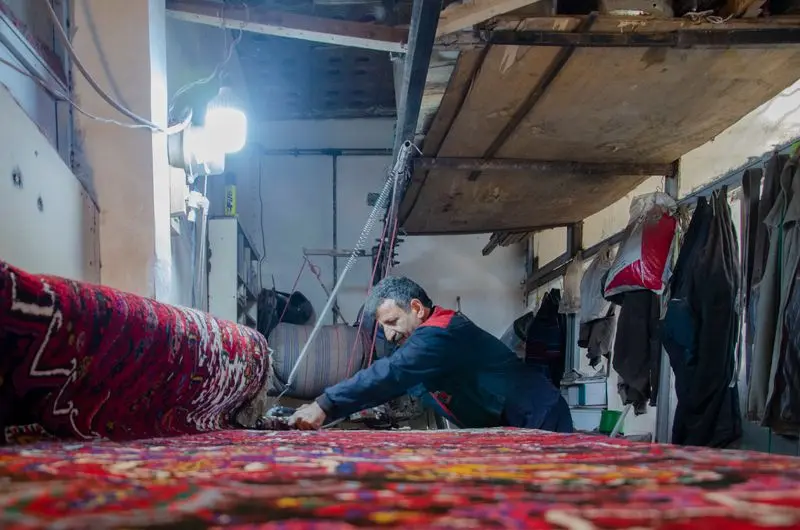
Things to Do in Tabriz, Iran
Photo made by Murat Marangoz on Pexels.com
When to visit
Most popular attractions in Tabriz, Iran
Among the things to do in Tabriz, exploring the Tabriz Historic Bazaar Complex, which is on the UNESCO World Heritage list, comes first. This covered bazaar, spanning over 1 million square meters, contains more than 20 caravanserais. Next, visit the Blue Mosque (Masjed-e Kabud), built in 1465 and famous for its tiles. The 28-meter-high Arg-e Tabriz fortress in the city center greets you with its historical grandeur.
1. Tabriz Historic Bazaar Complex
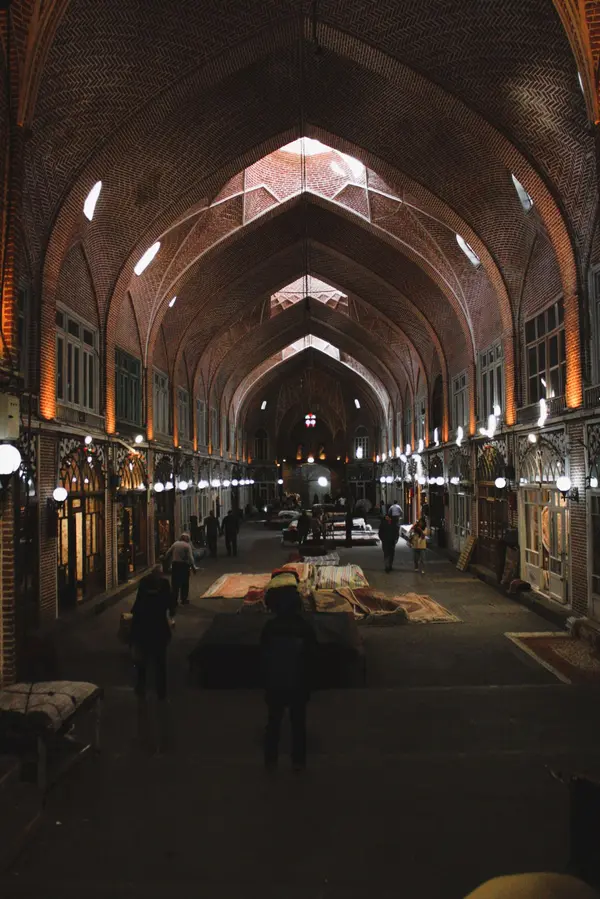
Get ready to get lost in Iran's oldest and largest covered bazaar. You will travel through time among centuries-old caravanserais, domed passageways, and handmade carpets.
Quick facts: This covered bazaar, one of the most important trading stops on the Silk Road since the 14th century, resembles a giant labyrinth with corridors stretching over 7 kilometers. Housing more than 20 inns, around 30 mosques, and countless caravanserais, the structure is on the UNESCO World Heritage List.
Highlights: When you stand in the middle of the bazaar and look around, you will realize you are standing at the point where 24 different covered markets intersect. Each market (haci) has its own unique metalwork, scent and color world; the smell of wool and silk in the carpet sellers' market mixes with the sharp aromas of the spice merchants.
2. Blue Mosque (Masjed-e Kabud)
Masjed-e Kabud
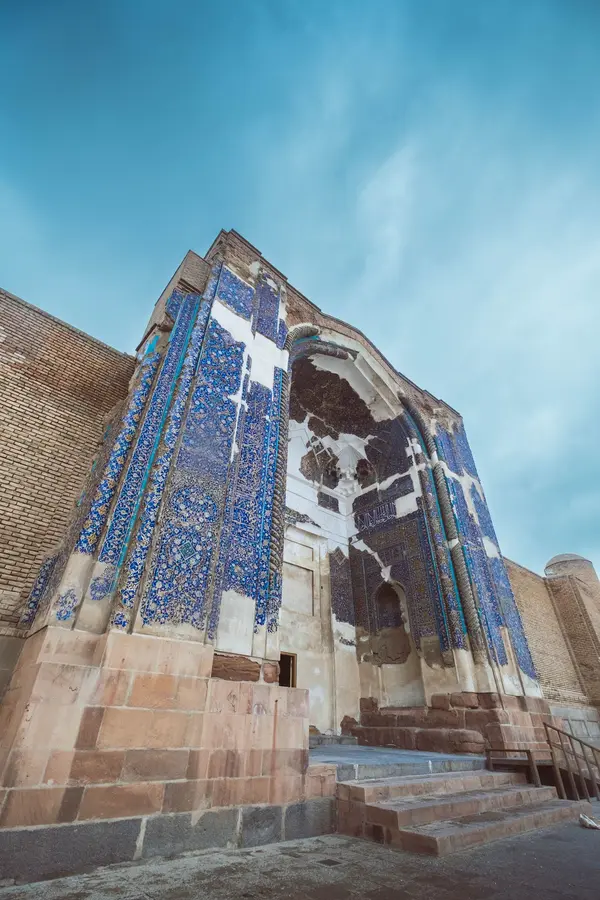
One of Iran's largest and oldest mosques, this structure famous for its turquoise tiles will enchant you. A peaceful atmosphere awaits you with the sounds of water echoing around the huge marble altar and octagonal pool.
Quick facts: The mosque was begun in 1465 by order of Jahan Shah but was completed after his death by the Aqqoyunlu ruler Uzun Hasan. Although the turquoise tiles on its exterior facade have fallen off over time, some of the tile work in the interior has survived to the present day, and some of these tiles influenced architect Victor Horta, considered a pioneer of the Art Nouveau movement.
Highlights: On the qibla wall of the mosque, there is a giant marble mihrab unparalleled in Iran. But what is truly enchanting are the marble gargoyles carved in the shape of lion heads lined around the octagonal pool at the entrance of the mosque: the water flowing from each one adds a mystical sound to the courtyard.
3. Kandovan Village
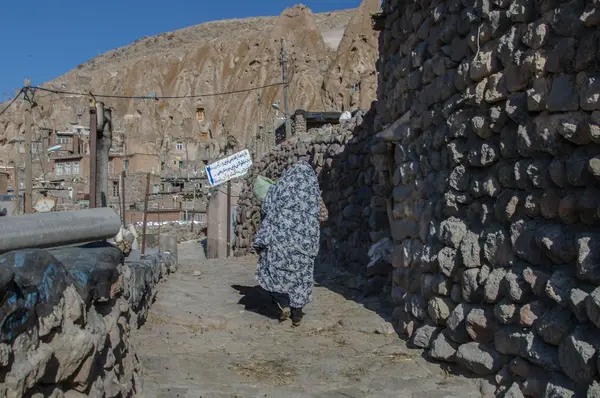
What is it like to live in houses carved not by human hands but by volcanic mountains? While sipping tea brewed in stone rooms accompanied by pristine mountain air, you will find yourself thousands of years in the past.
Quick facts: In the rock-carved houses, people and animals live side by side, and some of the houses are still used as old-fashioned stables. Each house is connected to another by tunnel-like passages, and neighbors can reach each other without knocking on doors.
Highlights: The walls of the houses in the village reach 2 meters in thickness, staying cool inside like natural air conditioning in summer while requiring no heating in winter. Additionally, each house has small chimneys on top; due to temperature differences reaching up to 40 degrees in winter, steam rather than smoke comes out of these chimneys.
4. El Goli (Shah Goli) Park
On a hot summer day, escape the noise of the city and find yourself on the shore of a cool lake. Along with thousands of other people, you will sip your tea and watch the silhouette of the mountains reflected on the lake.
Quick facts: Its 55,000-square-meter artificial lake, reflecting the mountains rising to the south like a mirror, offers a cool oasis right in the center of the city. Hosting more than 30,000 people on summer evenings, this park is the first stop for locals to enjoy tea.
Highlights: The hexagonal pavilion in the middle of the lake was actually a summer palace for princes during the Qajar period and appears to float in the center of the pool. Now you can sit here, sip hot tea while watching the large and small carp gliding beneath your feet.
5. Azerbaijan Museum
Open the doors of a treasure that is hard to handle. A journey to a different era awaits you in each room.
Quick facts: This magnificent structure in the heart of Tabriz is just a 5-minute walk from Iran's largest covered bazaar. The museum, housing 18 different sections, has been beating as the cultural heart of the region for over 500 years.
Highlights: The bronze doors weighing 2.5 tons that greet you at the entrance dazzle with their fine craftsmanship and are decorated with 12 panels, each telling a different story. The 2,000-year-old salt man mummy on display was found in Iran's Zanjan region and the traces of tattoos on his body are still visible.
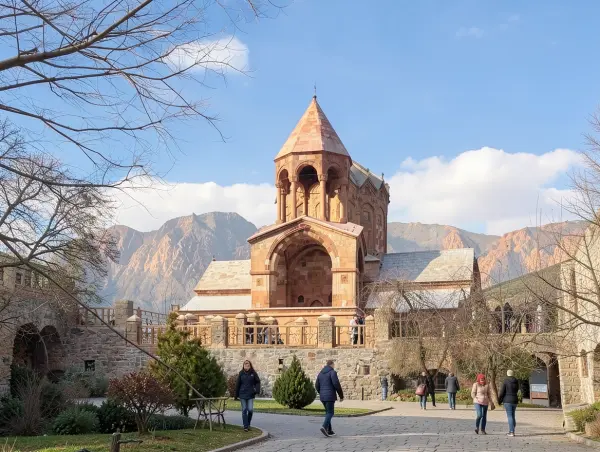
6. Saint Stepanos Monastery
This mystical monastery hidden among the mountains of Iran carries a thousand years of silence in its stone walls. Visitors are captivated by its arches reaching toward the sky and its magnificent courtyard.
Quick facts: The legendary monastery that inspired Hezarfen Ahmed Celebi's flight experiments offers a timeless silence with its 7th-century stone walls. Bearing traces of four different civilizations, the structure is known as one of the oldest Christian buildings in Iran.
Highlights: When you stand in the shade of the plane tree rising in the courtyard, you find a time capsule lost among the Armenian and Persian inscriptions carved into the stones. Beneath each stone lies a prayer, behind every arch an age-old whisper.
Where to Stay in Tabriz, Iran
Selected by City Buddy based on guest reviews and proximity to top attractions
Search all hotels in Tabriz, IranPowered by agoda
Opening days in Tabriz, Iran
Which of the top sights close on which day of the week — the classic trip-ruiner, checked for you.
Friday: 1 of 5 top sights closed — plan museums for another day.
Closed on Friday · 1 closed, 4 open
Opening days from Google Maps (checked 2026-08-12). Public holidays, strikes and seasonal hours can differ — check the official website before you go.
Traditional Sweet Dishes

Tabrizi Lovuez (Lavashak)
This chewy, sweet almond and cardamom confection originated in Tabriz centuries ago and is traditionally shaped into small, flower-like discs using carved wooden molds.
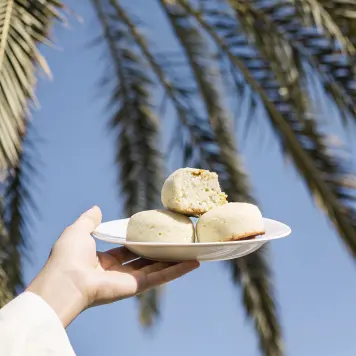
Qurabiye Tabrizi
Unlike other Persian cookies, Tabriz's qurabiye is made with chickpea flour and rosewater, giving it a unique melt-in-your-mouth texture and floral aroma.
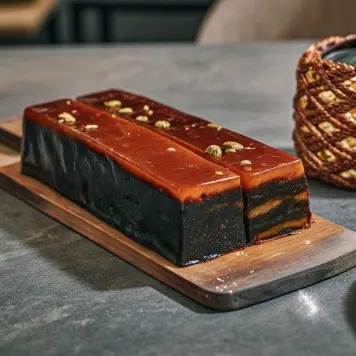
Halva Siah (Black Halva)
This dark, dense halva from Tabriz gets its rich color from caramelized sugar and is uniquely flavored with saffron, cardamom, and sometimes a hint of cinnamon.
Traditional Savory Dishes

Kufteh Tabrizi
Touted as Iran's largest meatball, Kufteh Tabrizi can be as big as a grapefruit and is stuffed with a hidden surprise of hard-boiled egg, dried fruits, and nuts inside.
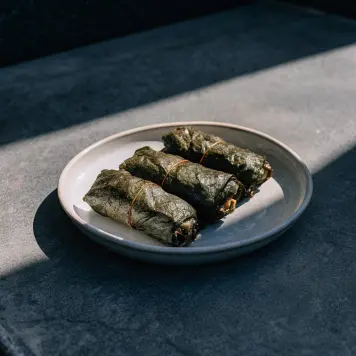
Dolma (Dolmeh) Tabrizi
Tabriz is famous for its vine leaf dolma, where the filling of rice, herbs, and minced lamb is uniquely seasoned with sour grape juice for a distinct tangy flavor.

Ash-e Dough (Yogurt Soup)
This hearty Tabrizi soup uniquely combines yogurt with fresh herbs, chickpeas, and fried mint oil, and it is traditionally served cold during hot summer months.
Traditional Beverages

Aragh Sagi (Distilled Raisin Drink)
Despite its rustic name, this traditional Tabrizi spirit is made from distilled raisins and is often infused with cinnamon or cardamom for warmth.

Khakshir Sharbat
Made from the seeds of the hawthorn plant, this refreshing Tabrizi drink turns gelatinous and is traditionally sweetened with honey or sugar for a cooling summer beverage.

Tabrizi Doogh
Unlike plain doogh elsewhere, Tabrizi doogh is carbonated and seasoned with dried mint and crushed black pepper, creating a uniquely fizzy and savory yogurt drink.
Frequently Asked Questions about Tabriz, Iran
Is Tabriz, Iran safe?
How many days should I stay in Tabriz?
What is the best time to visit Tabriz?
Is Tabriz, Iran expensive?
How can I get around in Tabriz?
Get a PDF with the most popular attractions sent to your email
Get a PDF with all attractions, ratings, and tips. Perfect for offline use.
Most popular day trips
Kandovan Village
Ancient troglodyte village with cone-shaped rock houses still inhabited today.
Lake Urmia
One of the largest saltwater lakes in the world, a unique natural wonder.
Babak Fort
Historic mountain fortress with stunning views of the Arasbaran forests.
Takht-e Soleyman
UNESCO World Heritage site featuring ancient Zoroastrian fire temple ruins.
Arasbaran Forests
Lush biosphere reserve with diverse wildlife and scenic hiking trails.
Getting there
Airports
Train stations
Tehran to Tabriz, Istanbul to Tabriz (via Ankara)
From Tabriz Airport, take a taxi or airport shuttle to the city center (15 minutes). Trains from Tehran take about 7 hours.
Useful information for Tabriz, Iran
Overview for Tabriz, Iran
Want a day-by-day plan for Tabriz, Iran? Open the trip planner
Plan your perfect trip to Tabriz, Iran
Get a complete travel plan built just for you in under 30 seconds, with daily routes, local food tips, budget estimates and more.
Are any of these especially important to you?
Select all that apply
Getting around
How do you want to move between places?
Plan language: English