 CityBuddy
 English
Things to Do in Sligo, Ireland
Photo made by Magda Ehlers on Pexels.com
When to visit
Most popular attractions in Sligo, Ireland
Things to do in Sligo, Ireland include hiking Benbulbin, a distinctive table mountain rising sharply to 526 meters, and exploring Sligo Abbey, a 13th-century Dominican friary with intricate carvings. Visit Lissadell House and Gardens, known for its classical architecture and literary connections, or enjoy the scenic beauty of Glencar Waterfall just 7 kilometers from Sligo town.
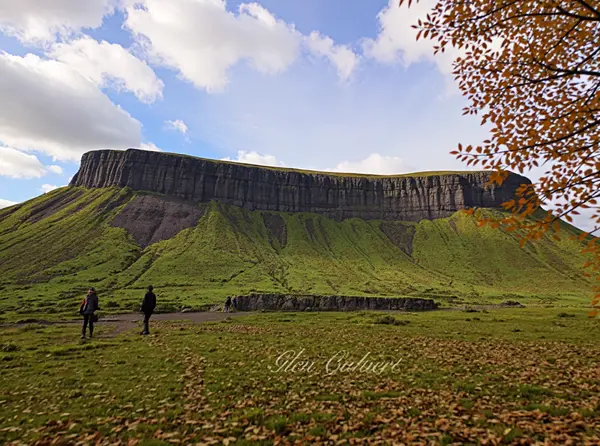
1. Benbulbin
Explore one of Ireland's most dramatic natural landmarks. Experience sweeping cliff views and rare Arctic-alpine flora in a glacially sculpted landscape.
Quick facts: The 518-meter tall flat-topped mountain has a distinctive shape formed by glaciers about 12,000 years ago. Its limestone cliffs are home to rare Arctic-alpine plants that survived the Ice Age.
Highlights: The mountain's cliff edge lines stretch 3 kilometers long with sheer drops up to 200 meters, creating dramatic views into the Drumcliff Valley. Local legend says the giant Benbulben guards the nearby gravesite of poet W.B. Yeats, adding a mystical feel to hikes.
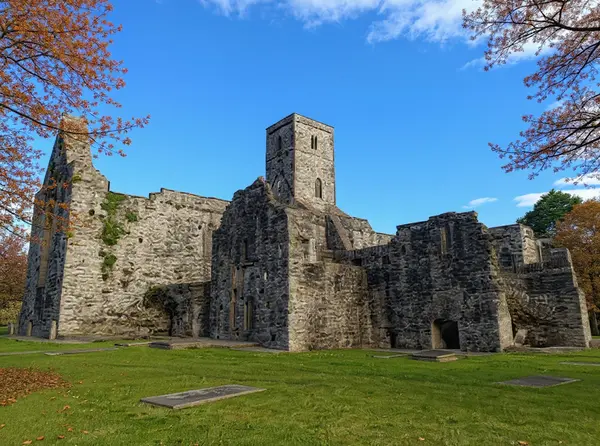
2. Sligo Abbey
Explore sprawling medieval ruins rich with history. Walk among gothic arches and detailed stone carvings that tell ancient stories.
Quick facts: The ruins span over 12,000 square feet with multiple gothic arches still standing tall. Visitors can find intricately carved stonework depicting religious scenes and medieval life etched into the walls.
Highlights: A rare 15th-century carved wooden door remains nearly intact, showcasing craftsmanship unique to the region's monasteries. Strolling through the cloisters, you can almost hear the echo of chants from monks who lived there centuries ago.
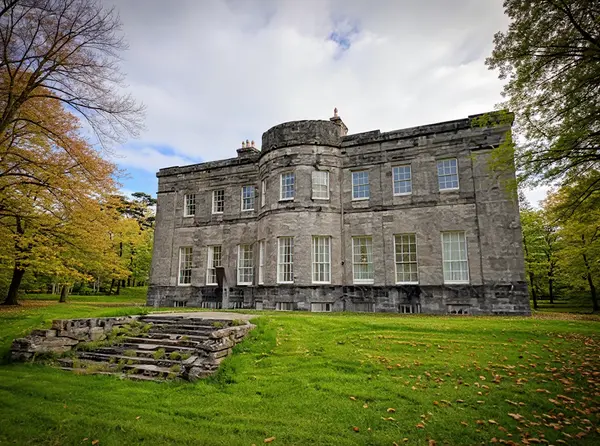
3. Lissadell House and Gardens
Experience the history and sweeping gardens at this iconic estate rooted in literary and revolutionary stories. Walk through grand halls and serene landscapes that inspire the heart and mind.
Quick facts: Over 20 Irish literary works mention this stately home, including poems by WB Yeats, whose family once lived here. The estate's grounds cover around 160 acres, featuring woodland and sweeping views of Ben Bulben mountain.
Highlights: Visitors can follow the footsteps of Constance Markievicz, a revolutionary and suffragette born here, with personal artifacts on display. The large 183 meters long Greek revival facade is framed by formal gardens with rare plants, offering a quiet moment to connect with history and nature.
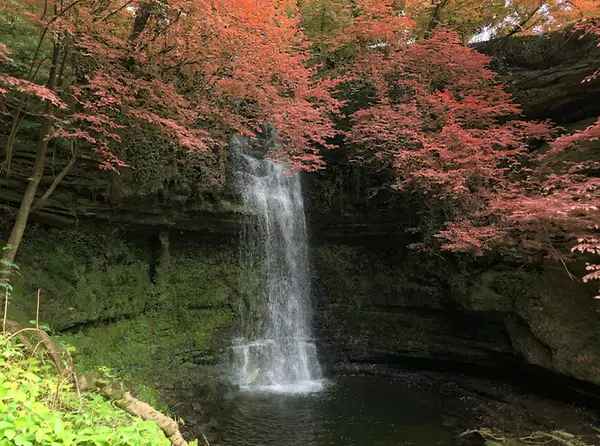
4. Glencar Waterfall
See stunning cascades that inspired W.B. Yeats's poetry. Experience misty rainbows and peaceful woodland vibes up close.
Quick facts: This waterfall is about 15 meters tall and flows from Glencar Lough into a lush woodland valley. Its beauty inspired renowned poet W.B. Yeats, who mentioned the falls in his works.
Highlights: The water cascades over limestone rocks creating a mist that often forms rainbows on sunny days, making photo moments magical. Locals celebrate a midsummer festival here, lighting bonfires nearby which adds to the mystical atmosphere by night.
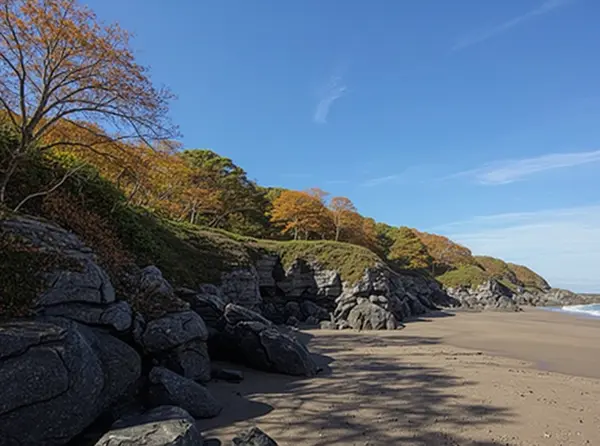
5. Strandhill Beach
Great waves for surf lovers and stunning dune landscapes to explore. Dive into Atlantic breezes and scenic views on a sprawling sandy beach.
Quick facts: A unique feature of this beach is its extensive sand dunes stretched over two kilometers. The beach is famous among surfers for consistent Atlantic waves that can reach up to 2 meters high.
Highlights: Look closely to find a historic World War II bunker partially buried in the dunes, offering a rare glimpse into Ireland's coastal defenses. Sunrise here lights up the Atlantic mist in golden hues, creating surreal photo opportunities along the shoreline.
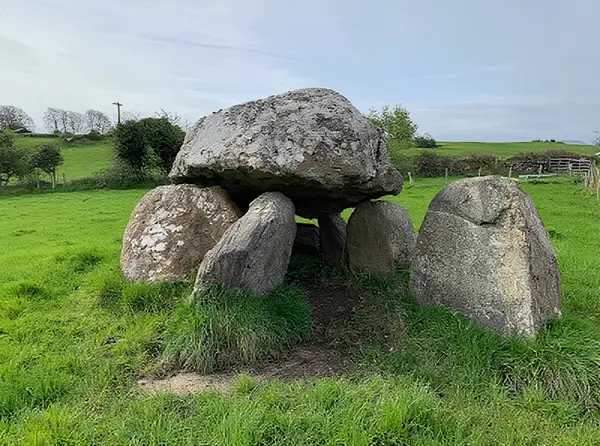
6. Carrowmore Megalithic Cemetery
Discover one of Europe's oldest ritual cemeteries. Walk among 30+ stone tombs and uncover stories etched in ancient rocks.
Quick facts: Over 30 ancient tombs form one of the largest megalithic cemeteries in Ireland. The site represents one of the oldest ritual landscapes in Europe, with some tombs arranged in circular patterns.
Highlights: Tombs here surround a large natural rock that was likely central to ancient ceremonies, adding a vivid sense of place and mystery. Visitors can see intricate carving marks on stones up close, revealing the craftsmanship from over 5,000 years ago.
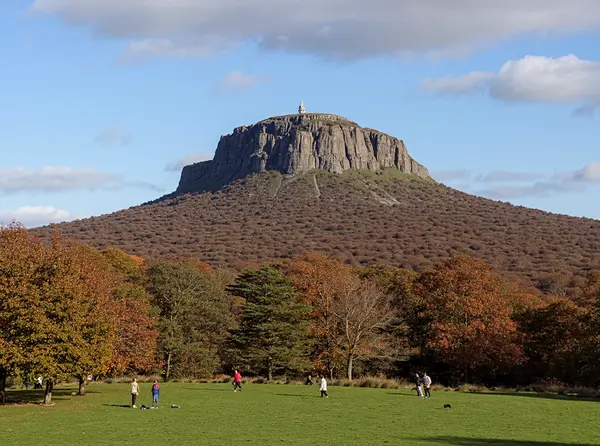
7. Knocknarea
Climb a dramatic mountain crowned by a massive ancient cairn. Experience sweeping Atlantic views and tangible links to Irish legends.
Quick facts: One of the landscape's most eye-catching features is the giant cairn at the summit, measuring 55 meters in diameter and around 10 meters high. Local folklore credits Queen Maeve with the cairn, believing she was buried there alongside dozens of warriors.
Highlights: Climbing to the top reveals panoramic views of the Atlantic coast and nearby Benbulben mountain, creating a dramatic natural stage for Ireland's myths. The cairn itself offers a tactile surfacing of rough stones that invite visitors to touch stories millennia old.

8. Sligo County Museum
Step into 6,000 years of history wrapped in local tales and stunning artifacts. Experience Sligo’s culture through ancient relics and vivid storytelling.
Quick facts: Discover artifacts spanning 6,000 years, including objects from ancient Sligo’s rich Bronze Age past. Explore exhibits highlighting local artists like Jack Butler Yeats and the region's maritime history.
Highlights: The museum features an intricate model of Sligo town from the early 1900s, capturing daily life with tiny, hand-painted figures. A fascinating exhibit delves into the legend of Diarmuid and Gráinne, blending myth with striking visuals.
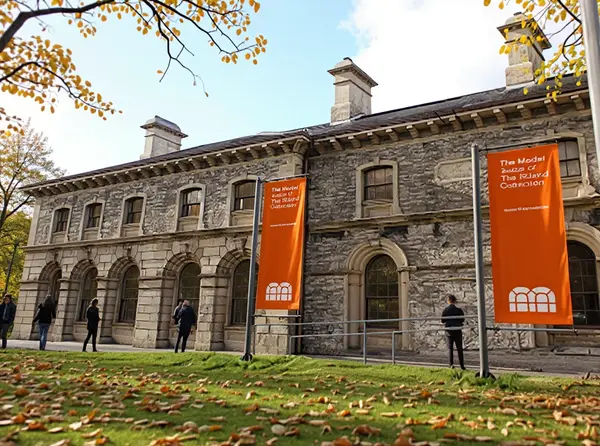
9. Model Niland Gallery
Discover contemporary Irish art through 3,000+ pieces in a dynamic setting. Experience immersive murals and hands-on exhibitions that capture local culture.
Quick facts: Over 3,000 artworks span contemporary Irish art across multiple media in this gallery. The space also serves as a vibrant venue for workshops and cultural events beyond exhibitions.
Highlights: A giant wall mural by local artist John Behan depicts Sligo's maritime heritage, stretching over 12 meters long, creating an immersive experience. Seasonal exhibitions often feature interactive installations that invite visitor participation, blending art and community spirit.
Where to Stay in Sligo, Ireland
Selected by City Buddy based on guest reviews and proximity to top attractions
Search all hotels in Sligo, IrelandPowered by agoda
Opening days in Sligo, Ireland
Which of the top sights close on which day of the week — the classic trip-ruiner, checked for you.
Monday: 2 of 6 top sights closed — plan museums for another day.
Closed on Monday · 2 closed, 4 open
Opening days from Google Maps (checked 2026-03-31). Public holidays, strikes and seasonal hours can differ — check the official website before you go.
Traditional Sweet Dishes

Yellowman
Yellowman is a traditional Irish honeycomb toffee that is especially popular in the Ulster and Sligo regions, known for its crunchy texture and golden color.

Barmbrack
Barmbrack is a sweet Irish fruit bread often served with butter, especially enjoyed around Halloween with hidden items baked inside for fortune-telling.
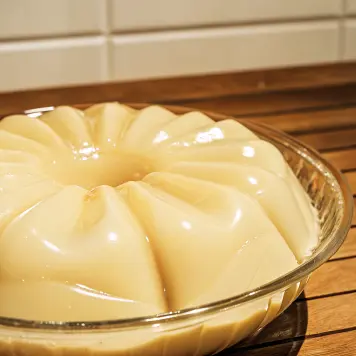
Carrageen Moss Pudding
Carrageen moss pudding is made from a type of seaweed found on the Sligo coast, prized for its unique jelly-like texture and health benefits.
Traditional Savory Dishes

Colcannon
Colcannon is a traditional Irish dish made from mashed potatoes with kale or cabbage, commonly eaten in Sligo as a comforting rural staple.

Boxty
Boxty are Irish potato pancakes that are a staple in Sligo, showcasing the region's rich potato heritage and versatile cooking.

Oyster Chowder
Oyster chowder from Sligo uses fresh local oysters from its coastline, creating a creamy dish treasured by seafood lovers.
Traditional Beverages

Irish Coffee
Irish Coffee, a blend of hot coffee, Irish whiskey, sugar, and cream, originated in Ireland and is enjoyed warmly in Sligo's pubs and cafes.
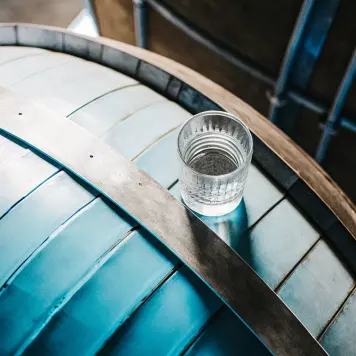
Poitin
Poitin is a traditional Irish distilled spirit, historically made in Sligo, known for its strong flavor and cultural significance as Ireland's whiskey ancestor.

Dulse Tea
Dulse tea is brewed from edible seaweed harvested along Sligo's coast, prized for its mineral content and unique, briny flavor.
Frequently Asked Questions about Sligo, Ireland
Is Sligo, Ireland safe for travelers?
How many days should I spend in Sligo, Ireland?
What is the best time to visit Sligo, Ireland?
Is Sligo, Ireland expensive for tourists?
How to get around Sligo, Ireland?
Get a PDF with the most popular attractions sent to your email
Get a PDF with all attractions, ratings, and tips. Perfect for offline use.
Most popular day trips
Glencar Waterfall
A scenic waterfall surrounded by lush woodland, perfect for nature walks.
Mullaghmore Head
Coastal headland known for big wave surfing and stunning sea views.
Carrowkeel Megalithic Cemetery
Ancient passage tombs dating back to 3200 BC, rich in archaeology and history.
Getting there
Airports
Train stations
Dublin-Sligo line
From Ireland West Airport Knock, take a regional bus or taxi to Sligo town center, approx 1.5 hours.
Useful information for Sligo, Ireland
Overview for Sligo, Ireland
Want a day-by-day plan for Sligo, Ireland? Open the trip planner
Plan your perfect trip to Sligo, Ireland
Get a complete travel plan built just for you in under 30 seconds, with daily routes, local food tips, budget estimates and more.
Are any of these especially important to you?
Select all that apply
Getting around
How do you want to move between places?
Plan language: EnglishMost popular itineraries for Sligo, Ireland
Browse trip plans created by other travelers