City BuddyCityBuddy
English
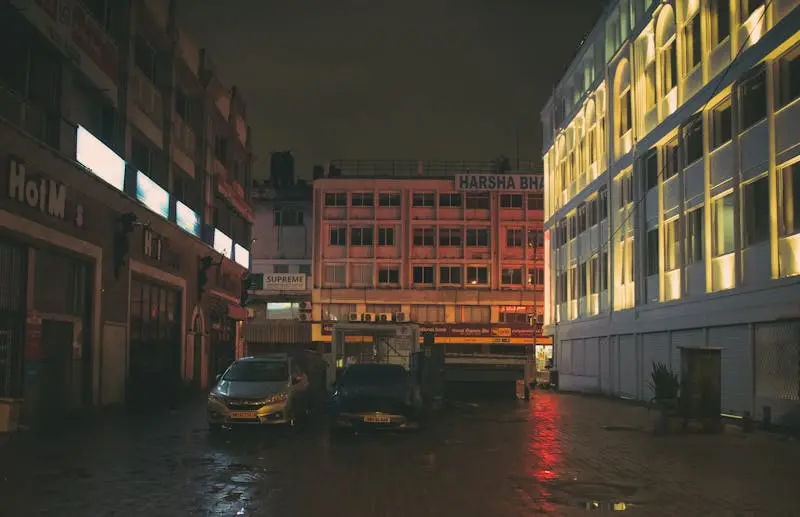
Nighttime scene of illuminated buildings and parked cars in a deserted urban street.

8-Day Belfast & Dublin Cultural and Nature Escape

⛰️Hiking & Outdoors⚖️Balanced Mix🏛️Culture & History💎Hidden Gems & Local Spots
8 daysspring

Discover the rich history, vibrant culture, and stunning nature of Belfast and Dublin with a perfect balance of iconic landmarks, local secrets, and outdoor adventures this spring.

Our #1 travel tip

Book a FREE walking tour in Ireland

Free walking tours. Yes, actually free. No credit card needed. No catch.

  • Local guide, 2-3 hours
  • 100% tip-based
  • You tip what feels right
Browse FREE walking toursAdrijana, founder of City Buddy

Loading

Getting around

Belfast's compact core is best done on foot, with Cave Hill hikes starting right from the city. For longer hops like Crumlin Road Gaol or Stormont, use the Glider bus or taxis via Free Now, Bolt, or Uber at roughly $1.5 per km. On Day 4, take Irish Rail's Enterprise train from Belfast Lanyon Place to Dublin Connolly, about two hours. Once in Dublin, the Luas red line links Connolly to the historic centre, while the green line reaches the southside; Dublin Bus covers Kilmainham and Phoenix Park. Walking beats transit within Temple Bar, Trinity College, and Grafton Street. For Blessington Lakes on Day 7, catch a Dublin Bus route from the city centre. The airport bus or Aircoach serves Dublin Airport from the city centre.

Budget Breakdown

$988Trip total · $124 per day

Where to stay tonight

Hotel in Cathedral Quarter (historic and vibrant neighborhood in Belfast city centre) $60-90/night

Close to main attractions like Titanic Belfast and excellent evening dining options.

Search hotels in this area
Where to stay tonight

Hotel in City Centre (central area near major attractions and dining) $60-90/night

Staying in the city centre allows easy access to historical sites and cooking classes without long transit times.

Search hotels in this area

Where to stay tonight

Hotel in Queen's Quarter (cultural and vibrant neighborhood with parks and university) $60-90/night

Staying here keeps you close to Botanic Gardens, Ulster Museum, and great dining options, perfect for this day's itinerary.

Search hotels in this area

Where to stay tonight

Hotel in Temple Bar (vibrant cultural quarter in Dublin) £60-90/night

Staying here keeps you close to lively nightlife and historic sights for easy evening exploration.

Search hotels in this area
Walking20 minutes

From Temple Bar, the historic core and museums are easily accessible on foot, so there is no need for transport booking.

Where to stay tonight

Hotel in Temple Bar (vibrant cultural quarter in central Dublin) £60-90/night

Staying in Temple Bar places you in the heart of Dublin's cultural life and close to evening music sessions.

Search hotels in this area
Where to stay tonight

Hotel in Temple Bar (vibrant cultural quarter in downtown Dublin) $60-90/night

Staying here provides easy access to cultural sites and nightlife for this day's itinerary.

Search hotels in this area
Where to stay tonight

Hotel in Smithfield (up-and-coming neighborhood with offbeat charm and nightlife) $60-90/night

This area is ideal for exploring the vintage record shops and underground music venues on this day's itinerary.

Search hotels in this area
Where to stay tonight

Hotel in City Centre (central Dublin close to shops and transport connections) £60-90/night

Staying here puts you near brunch spots, Grafton Street, and easy airport access for your departure.

Search hotels in this area
Must-try traditional foods & drinks

What to order in Ireland, with a fun fact for each

Traditional Savory Dishes

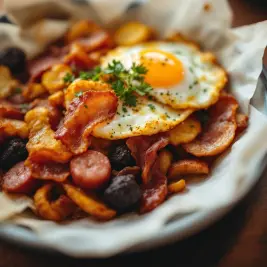
Ulster fry

Ulster fry

The Ulster fry is Belfast's famous breakfast, piled with eggs, bacon, sausages, black pudding and soda farls, it was designed to fuel long workdays and became a social ritual in local cafes.

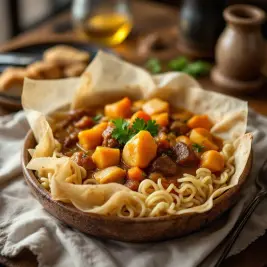
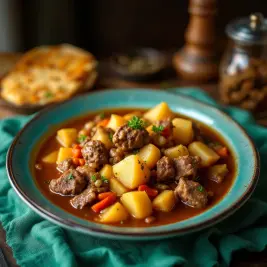
Irish stew

Irish stew

Irish stew began as a humble, slow-cooked one-pot of mutton or lamb with potatoes and onions, its simple ingredients and long simmer create the deep, comforting flavor that defines Irish home cooking.

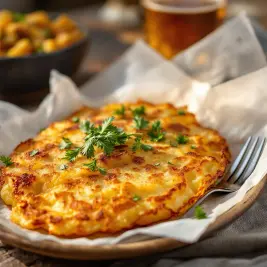
Boxty

Boxty

Boxty is a versatile potato pancake or griddle bread from Ulster, its mix of grated and mashed potato was a clever way to stretch scarce ingredients into a filling dish.

Irish stew

Irish stew

Irish stew, made from lamb or mutton, potatoes and onions simmered slowly, began as a frugal one-pot meal and became Ireland's emblem of hearty, comforting cooking.

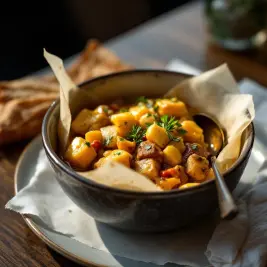
Coddle

Coddle

Coddle, a Dublin favorite of sausages, bacon and potatoes gently simmered in broth, was once an inexpensive, warming meal for working families and remains a symbol of home cooking in the city.

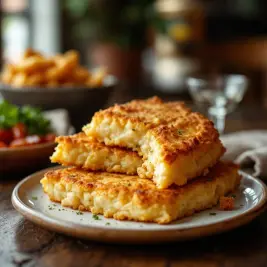
Boxty

Boxty

Boxty mixes grated and mashed potatoes into pancakes or dumplings, and the folk rhyme 'Boxty on the griddle' hints at its long place in Irish kitchen lore.

Traditional Sweet Dishes

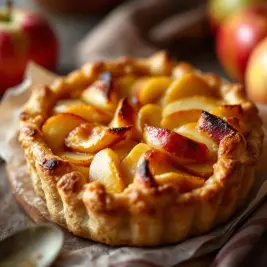
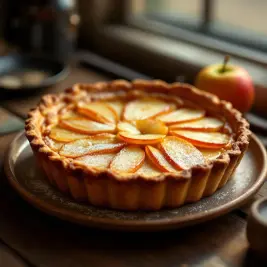
Irish apple tart

Irish apple tart

Belfast's Irish apple tart highlights crisp, locally grown apples baked in a buttery shortcrust, offering a simple, homey sweetness that was a staple at family tables and market stalls.

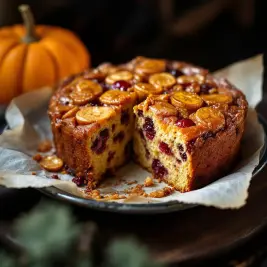
Barmbrack

Barmbrack

Barmbrack is a fruited tea loaf traditionally baked with rings, coins and other tokens, and one slice at Halloween could decide your luck, marriage prospects or fortune for the year.

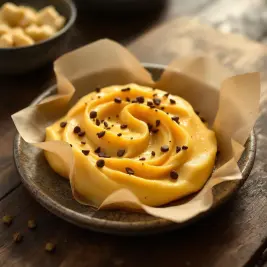
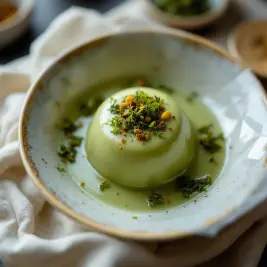
Carrageen moss pudding

Carrageen moss pudding

Carrageen moss pudding is a silky, milky dessert made from locally harvested seaweed, once prized as a folk remedy and now celebrated for its delicate texture and subtle ocean flavor.

Barmbrack

Barmbrack

Barmbrack is a fruit-studded tea bread traditionally baked at Halloween with a hidden ring or coin, and finding it was once a playful way to predict marriage and fortune.

Irish apple tart

Irish apple tart

Irish apple tart showcases local apples in a simple, buttery pastry and was a classic way for households to celebrate the autumn harvest, often served with a spoonful of custard.

Carrageen pudding

Carrageen pudding

Carrageen pudding uses carrageen moss, a seaweed, as a natural gelling agent, giving the dessert a silky, translucent texture that has been used in Irish kitchens for centuries.

Traditional Beverages

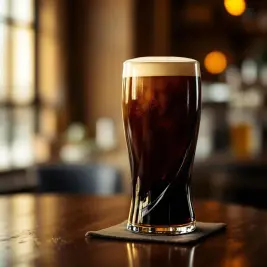
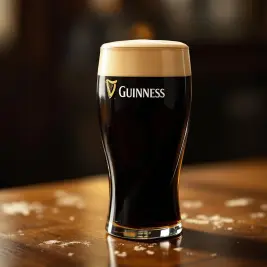
Guinness

Guinness

Guinness's iconic creamy head comes from nitrogenated pour techniques, and in Belfast the stout became a communal pint that paired naturally with the city’s hearty foods and pub culture.

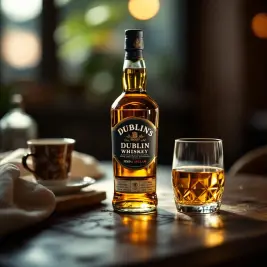
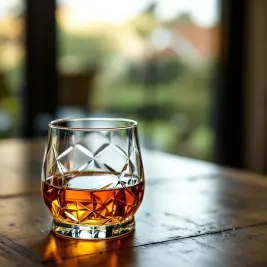
Irish whiskey

Irish whiskey

Irish whiskey is known for its smooth, approachable character, often achieved through triple distillation and careful aging, and Belfast played a role in the spirit’s trade and enjoyment across Ireland.

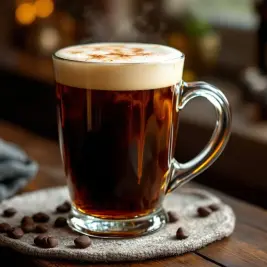
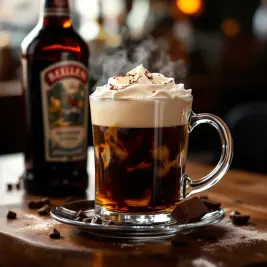
Irish coffee

Irish coffee

Irish coffee combines hot coffee, brown sugar, a measure of whiskey and a float of whipped cream, it was embraced in Belfast pubs as a warming, spirited pick-me-up on cold nights.

Guinness

Guinness

Guinness has been brewed at St. James's Gate in Dublin since 1759 under the famous 9,000-year lease signed by Arthur Guinness, and its roasted barley flavor and nitrogenated pour create the signature smooth, creamy head.

Irish whiskey

Irish whiskey

Irish whiskey helped fuel Dublin's 19th-century distilling boom, and its often triple-distilled, mellow character made it a global favorite for neat drinking and cocktails.

Irish coffee

Irish coffee

Irish coffee was created to warm travelers by combining hot coffee, brown sugar, a shot of Irish whiskey, and a float of cream. The trick is to sip the coffee through the cream for a warm, sweet and velvety mouthfeel.

Export Your Trip

Get your trip plan as a PDF with maps and a CSV spreadsheet.

Download PDF

Selected based on proximity to your itinerary attractions and guest reviews

Search all hotels in Ireland

Powered by agoda

Create another trip plan