 CityBuddy
 English
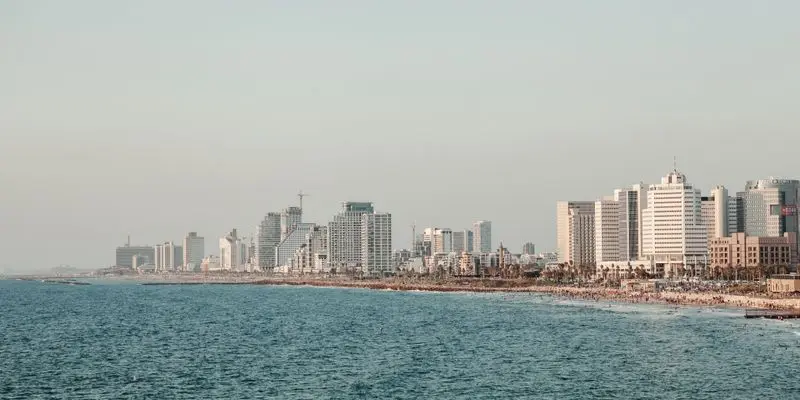
Things to Do in Tel Aviv, Israel
Photo made by Yeshaya Dinerstein on Pexels.com
When to visit
Tel Aviv is the #6 city for nightlife in the world, based on our data across hundreds of destinations.
Most popular attractions in Tel Aviv, Israel
When you ask what the best things to do in Tel Aviv, Israel are, the answer begins in Old Jaffa, the 4,000-year-old port with stone walls. Walk through its narrow alleys, enjoy the Carmel Market with its 250 food stalls, and then relax on Rothschild Boulevard with its 30-meter-tall trees, where history meets the modern.
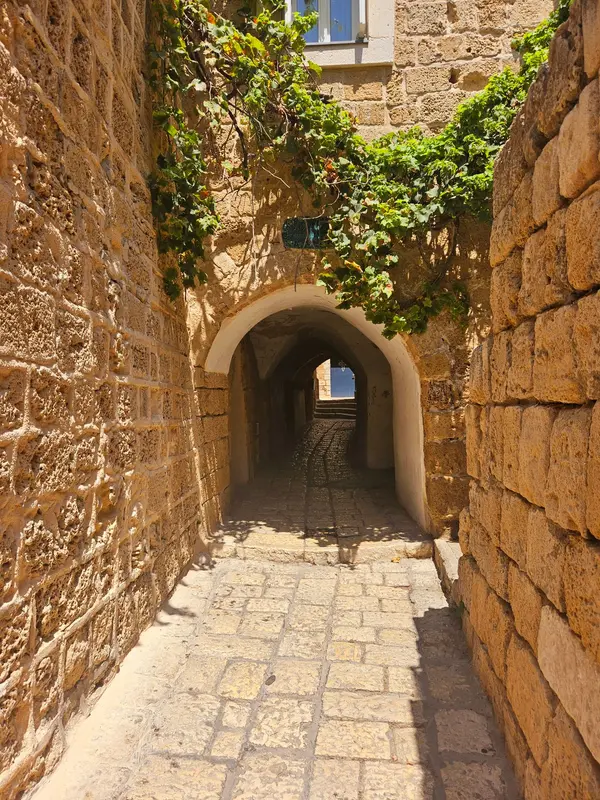
1. Old Jaffa
A journey through time where Jewish, Islamic, and Christian history live on the same street. You will stroll through stone labyrinths, antique shops, and seaside terraces with breathtaking views.
Quick facts: Over 4,000 years of continuous habitation make this harbor one of the oldest in the world, where the port itself served many empires. Today 80% of the area has been rebuilt since 1960, but the stone streets and hidden courtyards have preserved the oriental spirit.
Highlights: In the evening hours, the 12 iron gates of the hidden stairways are illuminated with different colors, creating a visual spectacle that no guidebook mentions. My advice: climb to the top of St. Peter's Church around sunset, where you hear the church bells mingling with the muezzin's call from the neighboring mosque, a symphony unique in the world.
2. Carmel Market
An explosion of flavors, colors, and aromas in the heart of Tel Aviv. You will walk among fresh spices, ripe fruits, and street foods that leave you breathless.
Quick facts: Over 100 different vendors sell everything, from spices and fruits to textiles and souvenirs, across a surface that stretches almost 200 meters. Around 50,000 visitors pass through this market every day, while on Fridays the number grows even more due to Shabbat preparations.
Highlights: Among the narrow alleyways, you will find old family stalls that have sold the same recipes for whole generations, like handmade halva that melts in your mouth. One of the local favorites is ordering a sabich sandwich at the well-known stall at the entrance, where the queues speak for themselves about the quality.
3. Rothschild Boulevard
The street that feels like the beating heart of Tel Aviv, with cafés, bicycles, and stories everywhere. Walk amid Bauhaus architecture, live music, and the people who make this place special.
Quick facts: This boulevard stretches almost 7 kilometers and has around 600 ficus trees that create a natural canopy over the sidewalks. It is the place where the Declaration of Independence of Israel was signed in 1948, in the house of the first mayor.
Highlights: At number 16 on the boulevard stands Independence House, where David Ben-Gurion declared the independence of the state before a small crowd of people, no more than 25 attendees. You can still see the bullet marks from the 1948 war on the facades of historic buildings, a detail that many visitors pass by without noticing.
4. Tel Aviv Museum of Art
Extraordinary art with over 50,000 works, from Monet to contemporary Israeli artists. Descend through the spiral concrete tower and get lost in halls lit by natural light.
Quick facts: Over 50,000 works of art from the modern and contemporary era are kept in this museum, including the largest collection of Israeli art in the world. The new Helena Rubinstein Pavilion, a spiral concrete tower designed by Preston Scott Cohen, opened in 2011 and houses the main hall of international art.
Highlights: On the upper floor of the new pavilion you will discover an oval window called the "Eye," which casts natural light onto the spiral stairways, an effect described by architects as a cathedral of daylight. The collection includes a painting by Paul Cézanne from the last period of his life, which was rescued from France during World War II and purchased in 1955.
5. Dizengoff Street
A stroll down this famous Tel Aviv street shows you why everything in Israel happens here. Shops, cafés, art, and a fountain that dances with light, all in one place.
Quick facts: Around 450 shops and cafes stretch along the 1.6-kilometer street, making it the commercial heart of Tel Aviv. Its northern part was designed as a four-lane road with a central island, an urban planning solution rare for the time it was built.
Highlights: At the head of the street stands a famous water and light fountain, known as the "Cream and Ice Cream" fountain, which is the only fountain in the world that turns on its lights every evening at 8:00 PM with a choreographed show synchronized to music. During the summer, local residents bring chairs and sit around it for hours, turning it into an improvised social stage.
6. Gordon Beach
A full day of sun, golden sand, and Mediterranean energy. You will dive into crystal-clear waters, play sports, and enjoy sunsets that are never forgotten.
Quick facts: This sandy shore stretches about 700 meters along the Mediterranean coastline and bears the name of Gordon of Scotland. Every summer, its wide space welcomes thousands of daily visitors, making it one of the most frequented beaches in the urban area.
Highlights: One element that sets it apart is its system of cabins with different colored lights, where each color indicates the wave height level for swimmers and athletes. During dusk, volleyball athletes turn on their portable lights and continue playing late into the night, creating a festive atmosphere that is not easily found elsewhere.
7. Tel Aviv Port
An old Mediterranean port revived with shops, restaurants, and wonderful beaches. There you will enjoy sunsets over the sea, live music, and the aroma of fresh seafood.
Quick facts: This historic port stretches along 750 meters of Tel Aviv's northern coastline and was transformed from an abandoned industrial area into one of the city's most visited destinations. Every week, over 60,000 visitors pass through the promenade on weekend afternoons.
Highlights: Beneath the promenade boards hide restored old railway warehouses, where the famous Jaffa oranges were once loaded for export to Europe. In the evening, the warm lights of the old warehouses reflect on the water and create an atmosphere that reminds you of the old Mediterranean shores of the beginning of the last century.
8. Yitzhak Rabin Square
A space where the history of modern Israel meets the daily life of Tel Aviv. You will walk in the same place where thousands gathered for peace, while the rhythm of the city continues around you.
Quick facts: Over 200,000 people gathered here in November 1995 to honor the assassinated prime minister, one of the largest gatherings in Israel's history. The square is located next to Tel Aviv City Hall and is one of the largest public spaces in the city, with a surface area of about 8,000 square meters.
Highlights: At the southeastern corner of the square stands a small monument of black stone, erected by artist Yael Brotman, where people still leave flowers and candles today, three decades after the event. In the evening, the lighting of the city hall building reflects across the square, creating an atmosphere that invites you to stop and reflect.
9. Sarona Market
A food paradise with over 90 stalls and restaurants waiting for you inside a modern space. Taste flavors from around the world, from traditional hummus to French pastries, as you walk among fresh aromas.
Quick facts: Over 90 shops and food stalls are located within this complex, making it one of the largest gastronomic destinations in the country. The 8,000 square meter space combines restaurants, bakeries, and artisanal products under a single roof.
Highlights: At the center of the market stands an inner courtyard with old olive trees, where street musicians play every evening. Here you can enjoy homemade hummus while listening to live jazz, a combination you will not find anywhere else in the city.
What to pre-book in Tel Aviv
These sell out or need a reservation. Book them first, in this order.
- 1.Tel Aviv Museum of ArtBook a day aheadSame day or a day ahead is usually fine Skip-the-line tickets
Where to Stay in Tel Aviv, Israel
Selected by City Buddy based on guest reviews and proximity to top attractions
Search all hotels in Tel Aviv, IsraelPowered by agoda
Opening days in Tel Aviv, Israel
Which of the top sights close on which day of the week — the classic trip-ruiner, checked for you.
Saturday: 2 of 8 top sights closed — plan museums for another day.
Closed on Saturday · 2 closed, 6 open
Opening days from Google Maps (checked 2026-10-01). Public holidays, strikes and seasonal hours can differ — check the official website before you go.
Traditional Sweet Dishes
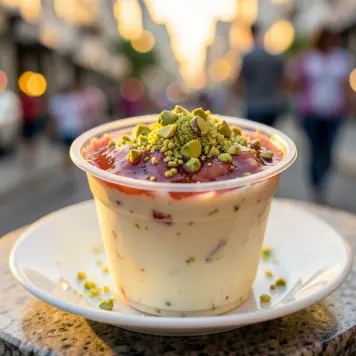
Malabi
Malabi is a silky milk pudding topped with rosewater syrup and crushed pistachios. It has roots in Turkish cuisine but became a beloved street dessert in Tel Aviv, often served in plastic cups from vendors on Dizengoff Street.
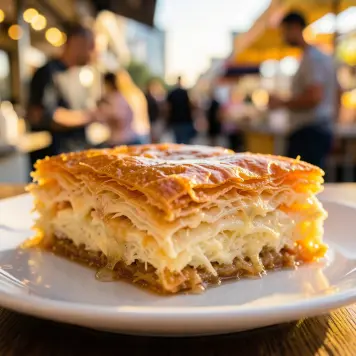
Knafeh
Knafeh is a warm dessert made of shredded phyllo dough layered with sweet cheese and soaked in sugar syrup. Tel Aviv's Levinsky Market is famous for serving fresh, orange-hued knafeh that draws long lines of locals and tourists alike.
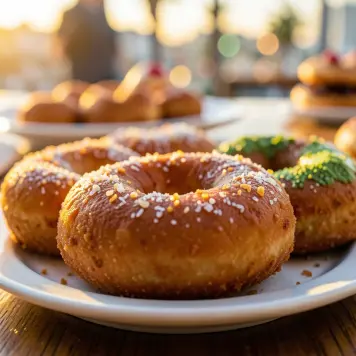
Sufganiyot
Sufganiyot are jelly-filled doughnuts traditionally eaten during Hanukkah, and in Tel Aviv they have become a whole season of creative flavors from salted caramel to matcha. Bakeries across the city sell millions of these fried treats every winter.
Traditional Savory Dishes
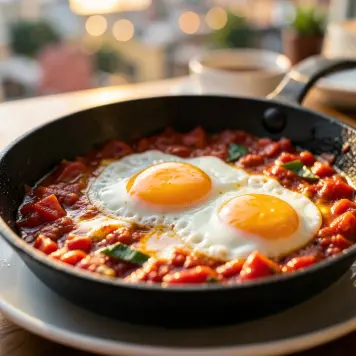
Shakshuka
Shakshuka is a sizzling skillet dish of eggs poached in a rich tomato and pepper sauce. It originated in North Africa but became an iconic Tel Aviv breakfast staple, famously served at the city's beloved Dr. Shakshuka restaurant in Jaffa.
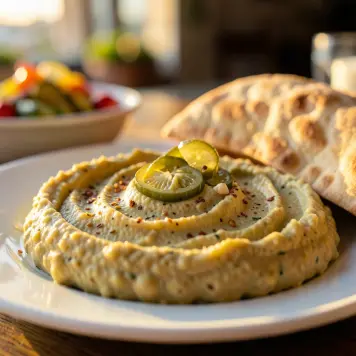
Hummus
Hummus is a creamy blend of chickpeas, tahini, lemon, and garlic that is practically a national obsession in Tel Aviv. Locals debate fiercely over which hummusiya serves the best version, and many restaurants serve it warm with fresh pita and pickles.
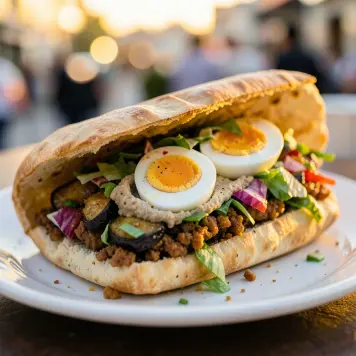
Sabich
Sabich is a pita sandwich stuffed with fried eggplant, hard-boiled egg, hummus, tahini, and chopped salad. It originated in the Iraqi Jewish community and has become a signature fast food of Tel Aviv, with dedicated shops competing for the title of best in the city.
Traditional Beverages
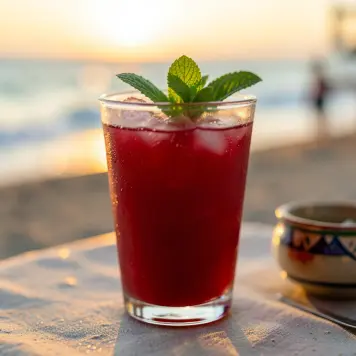
Rimonana
Rimonana is a refreshing frozen drink made from pomegranate juice and mint that is wildly popular on Tel Aviv beaches during summer. The name is a playful blend of the Hebrew words for pomegranate and mint.
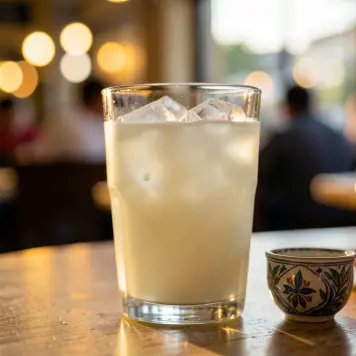
Arak
Arak is a strong anise-flavored spirit traditionally served over ice with water, turning a milky white color. It is a classic accompaniment to meze spreads in Tel Aviv's Jaffa restaurants, where it is affectionately called "lion's milk."
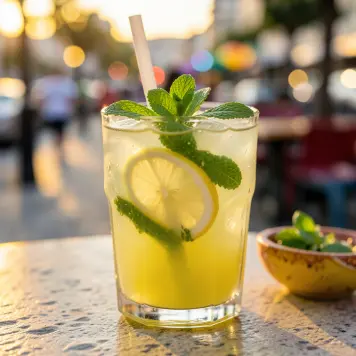
Matte (Lemonana)
Lemonana is a tangy blend of fresh lemon juice and mint, a staple of Tel Aviv cafés and street stalls. Its name combines the Hebrew word for lemon with the Arabic word for mint, reflecting the city's diverse cultural heritage.
Frequently Asked Questions about Tel Aviv, Israel
Is Tel Aviv, Israel safe?
How many days are needed to visit Tel Aviv?
What is the best time to visit Tel Aviv?
Is Tel Aviv expensive?
How to get around in Tel Aviv?
Get a PDF with the most popular attractions sent to your email
Get a PDF with all attractions, ratings, and tips. Perfect for offline use.
Most popular day trips
Jerusalem
Ancient holy city with the Old City, Western Wall, and vibrant markets
Jaffa (Yafo)
Historic port neighborhood with art galleries, flea market, and seaside promenade
Caesarea
Roman ruins, ancient harbor, aqueduct, and seaside national park
Dead Sea
Lowest point on Earth, hypersaline water for floating, and desert scenery
Acre (Akko)
Crusader-era walled city with underground halls and vibrant Ottoman architecture
Getting there
Train stations
Jerusalem, Haifa, Be'er Sheva, Ben Gurion Airport
Jerusalem, Ben Gurion Airport, southern Israel
Take the train from Ben Gurion Airport to Tel Aviv Savidor in about 15 minutes. Taxis and ride-sharing apps are also readily available at the airport.
Useful information for Tel Aviv, Israel
Overview for Tel Aviv, Israel
Want a day-by-day plan for Tel Aviv, Israel? Open the trip planner
Plan your perfect trip to Tel Aviv, Israel
Get a complete travel plan built just for you in under 30 seconds, with daily routes, local food tips, budget estimates and more.
Are any of these especially important to you?
Select all that apply
Getting around
How do you want to move between places?
Plan language: English