 CityBuddy
 English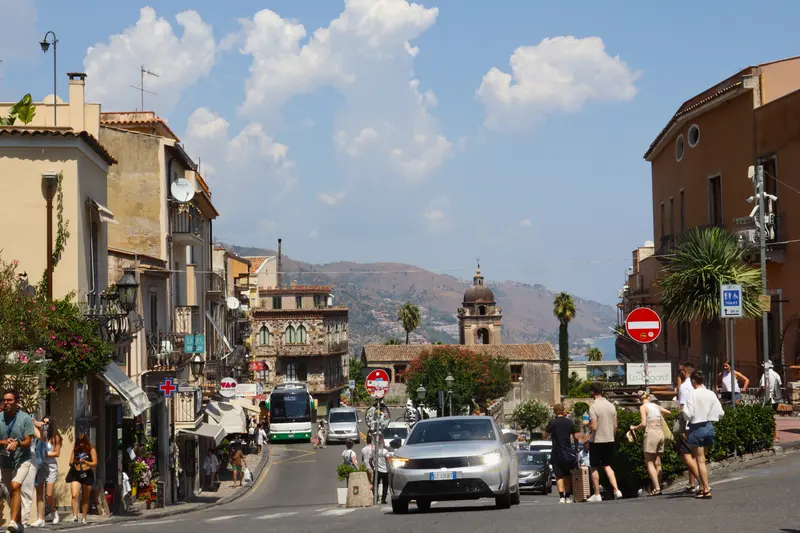
Things to Do in Taormina, Italy
Photo made by @Teia Bell on Pexels.com
When to visit
Most popular attractions in Taormina, Italy
When looking for things to do in Taormina, Italy, start at the Greek Theatre of Taormina, an ancient amphitheater from the 3rd century BC with views of Mount Etna and the sea. Then take a walk down Corso Umberto I, the main street about 500 meters long. Finally, visit Isola Bella, an island located just 200 meters from the shore.
1. Corso Umberto I
The most beautiful walking route in Sicily, with a breathtaking view. Walk through centuries of history, between floral terraces and stone architecture, while Etna appears behind every corner.
Quick facts: This promenade street stretches for about 800 meters and connects two city gates through the very heart of the old town. Along it stand palaces from the 15th and 16th centuries, and from its end there is a panoramic view of Mount Etna rising over 3,300 meters into the sky.
Highlights: At the very end of the promenade, near Porta Catania, there is a spot from which, on clear days, you can see the coast of Calabria on the other side of the Strait of Messina. Local guides claim that it was precisely this horizon line that inspired Goethe during his journey through Sicily in 1787.
2. Isola Bella
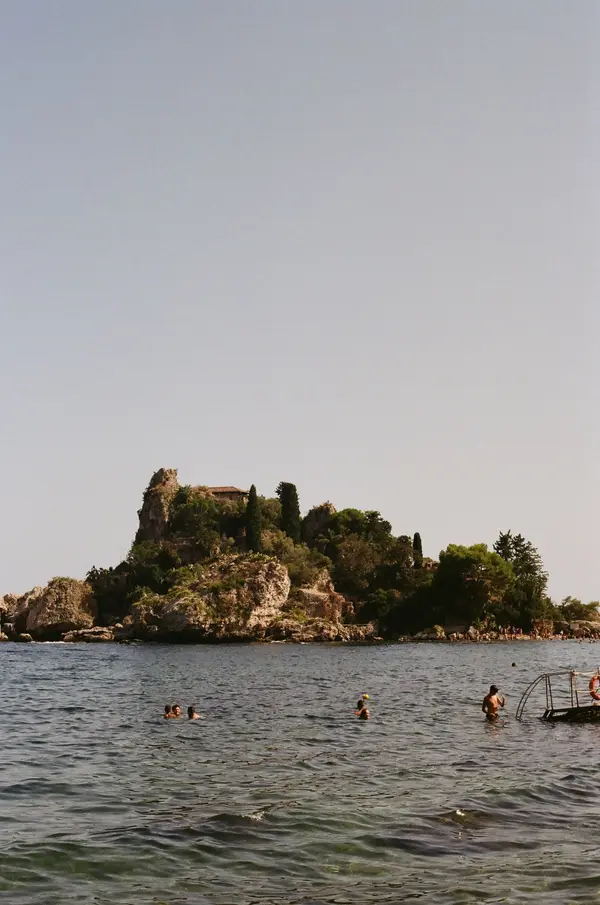
An island the sea created for kings, and nature turned into paradise. Walk through the palace and gardens while a fresh sea breeze follows your every step.
Quick facts: This island, only 320 meters long, shelters 130 thousand square meters of gardens and palaces from the 17th century. Only a few families live on it, and the famous tetras, a type of eel, is still fished in the surrounding waters today.
Highlights: In the shade of the pines on the northern part of the island hides a small stone amphitheater where a concert is held every year accompanied by waves crashing against the rocks, and the audience sits literally on steps carved into the living rock. At sunset, when the 300-year-old gardens are illuminated by golden light, the number of visitors halves, and the air fills with the scent of lemons and bougainvillea flowers.
3. Mount Etna
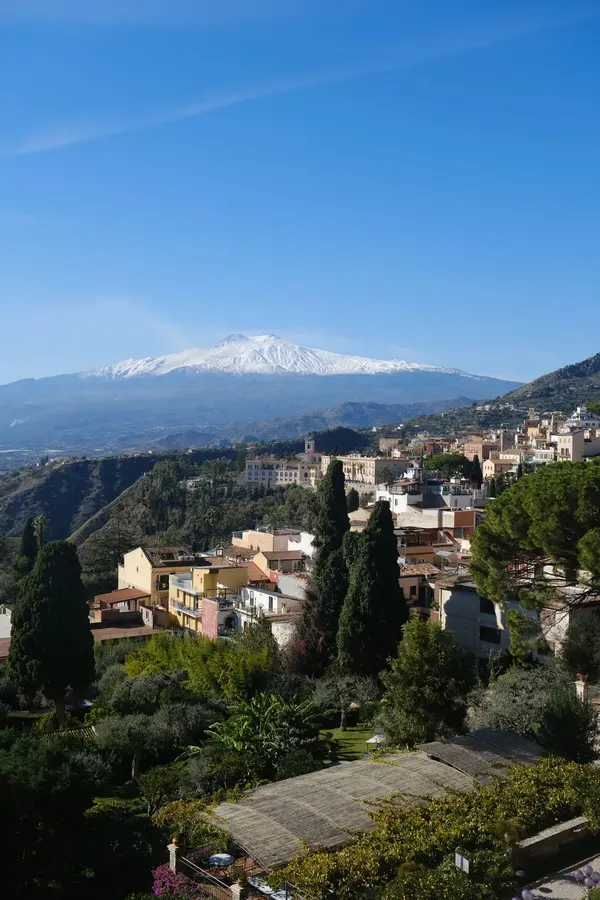
Europe's highest active volcano is waiting for you to conquer it. Smoking craters, views of Sicily and the sea, and the feeling that you are at the edge of the world.
Quick facts: With a height of over 3,300 meters, this is the highest active volcano in Europe, and the last major eruption occurred in June 2023. Its circumference of over 140 kilometers also makes it the largest active volcano on the continent.
Highlights: When you stand on the edge of the crater at the top, you are standing on some of the youngest soil on the planet, because some of the rocks beneath your feet are no older than a few years. If you are lucky, you will hear a muffled rumbling beneath the surface and see smoke slowly rising from the cracks, a sight that cannot be compared to anything else.
4. Palazzo Corvaja
A place where Sicily's history is not learned, but touched. A walk through the centuries, from Arab walls to Gothic windows, with a breathtaking view.
Quick facts: The palace was created by merging a 10th-century section with a Gothic facade from the 15th century, and its carved wooden ceilings are adorned with stars and Arabic inscriptions. The Parliament of Sicily held sessions in this building in 1410, making it one of the most significant political sites on the island.
Highlights: On the second floor hides a beautiful multicolored 15th-century fresco depicting the encounter between a saint and the devil, which visitors often overlook. The stone dome with four arches from the 12th century is a rare sight in Sicily and for centuries served as a lookout point with a view of the entire bay.
5. Taormina Cathedral
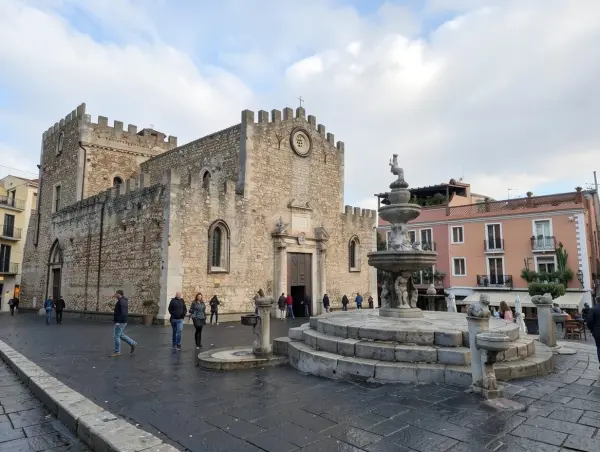
The oldest church in the heart of the old town hides Roman columns and Byzantine mosaics. Walk through centuries in just half an hour.
Quick facts: The cathedral was built on the site where a temple dedicated to the god Serapis once stood, which is still visible in the layout of the rooms. It is decorated with the pink stone of the ruins of the ancient Odeon, so every glance reveals layers of history.
Highlights: No one notices it from the outside because it was renovated in the 14th century, but inside there is a hidden column of red granite from the Roman gymnasium, all worn away by centuries of touch. The strangest thing is that one of the three windows on the apse is made of milky glass from a destroyed Roman complex, so light pours through it like a jet of water.
6. Naumachia of Taormina
A unique Roman site where real naval battles took place in a city with no sea in sight. You will walk past a huge wall with niches and feel the breath of ancient history in the middle of Taormina.
Quick facts: More than 200 niches in a wall over 120 meters long formed the backdrop for artificial naval battles in Roman times. The water came through an aqueduct from Mount Tauro, and today only the lower row of arches testifies to the former grandeur.
Highlights: When you stand in front of this wall, pay attention to the lower row of arches, which is still original from the Roman period, while the upper part is a medieval restoration. Imagine the water that filled the space in front of you while the audience watched naval battles live, completely opposite to the dry stone square you see today.
7. Odeon of Taormina
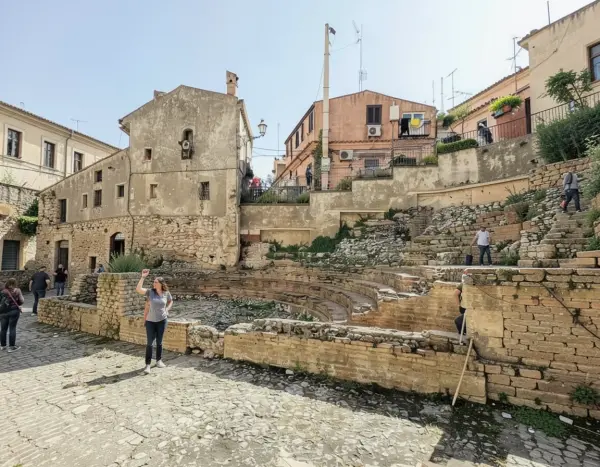
A small Roman theater that hides a story older than two thousand years. Pass through the triumphal arch and step into a world where ancient stone meets medieval walls.
Quick facts: This Roman theater from the 1st century AD can hold about 3,500 spectators, and from its seats it offers a view of Mount Etna and the sea. Unlike the larger Greek theater in the city, this smaller building remained buried until 1892, when it was accidentally discovered during construction works.
Highlights: When you climb to the highest rows of seats, you can see how the ancient arches merge with the medieval walls that lean directly against them. This is the only place in Sicily where Roman arches and Norman fortifications are intertwined in such a direct and visually striking way.
Where to Stay in Taormina, Italy
Selected by City Buddy based on guest reviews and proximity to top attractions
Search all hotels in Taormina, ItalyPowered by agoda
Opening days in Taormina, Italy
Which of the top sights close on which day of the week — the classic trip-ruiner, checked for you.
Good news: all 3 top sights with known hours are open every day of the week.
Closed on Monday · 0 closed, 3 open
Nothing closes on Monday — all 3 sights with known hours are open.
Opening days from Google Maps (checked 2026-09-30). Public holidays, strikes and seasonal hours can differ — check the official website before you go.
Traditional Sweet Dishes
Cannolo Siciliano
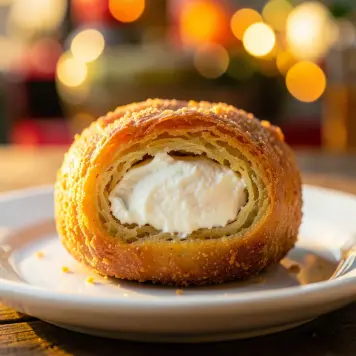
This iconic Sicilian pastry is believed to have originated in the town of Caltanissetta during Arab rule, and its name means "little tube" in Italian, referring to its crispy fried shell. The filling was traditionally made with sheep's milk ricotta, giving it a uniquely rich and creamy texture.

Cassata Siciliana
This colorful sponge cake layered with ricotta, candied fruit, and marzipan traces its roots to the Arabic occupation of Sicily in the 9th century. The name comes from the Arabic word "qas'ah," meaning a round bowl used to shape the dessert.
Granita al Limone
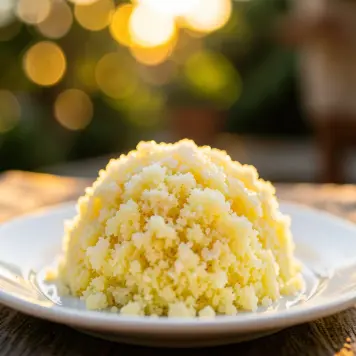
Sicilian granita is a semi-frozen dessert made from sugar, water, and fresh local lemons, and locals traditionally enjoy it for breakfast with a soft brioche bun. Unlike ordinary ice cream, it is churned slowly to create a coarse, crystalline texture that melts beautifully on the tongue.
Traditional Savory Dishes
Pasta alla Norma
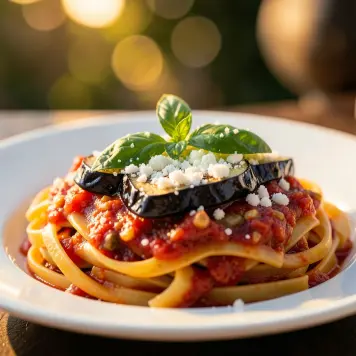
This beloved pasta dish with eggplant, tomato sauce, ricotta salata, and basil was created in nearby Catania and named after Vincenzo Bellini's opera "Norma." Many Sicilian cooks insist that only the local oval-shaped eggplant gives the dish its authentic flavor.

Arancini
These golden, deep-fried rice balls are stuffed with ragù, mozzarella, and peas, and their name means "little oranges" because of their round shape and color. In eastern Sicily, including the Taormina area, they are traditionally cone-shaped to resemble Mount Etna.
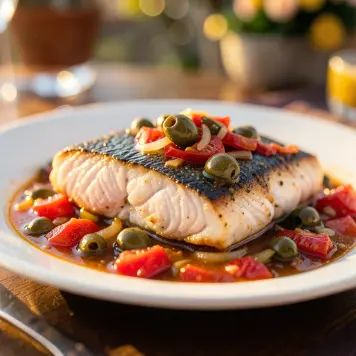
Pesce Spada alla Ghiotta
Swordfish prepared "alla ghiotta" is a classic coastal dish where fresh swordfish is simmered in a savory sauce of tomatoes, capers, olives, and onions. The recipe reflects the proud fishing heritage of the Strait of Messina, just a short distance from Taormina.
Traditional Beverages
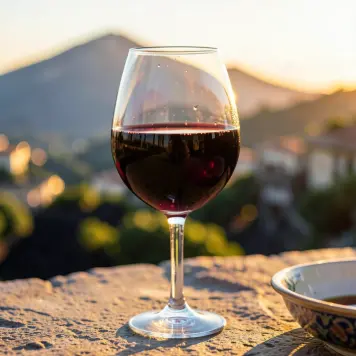
Etna Rosso Wine
This volcanic red wine is grown on the slopes of Mount Etna, the towering volcano visible from Taormina, where mineral-rich lava soils give the grapes a distinctive smoky and earthy character. The Nerello Mascalese grape used in these wines thrives only in this unique terroir.
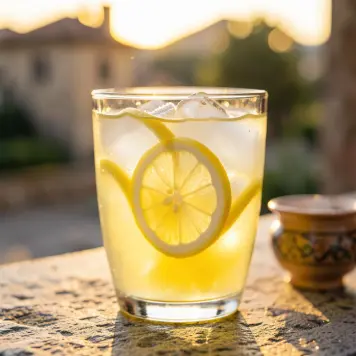
Limoncello
This vibrant yellow lemon liqueur is made by steeping the zest of Sorrento and Sicilian lemons in pure alcohol, then mixing it with sugar and water. In the Taormina area, it is traditionally served ice cold after a meal as a digestive.

Caffè d'U Sicilianu
This is a refreshing Sicilian coffee drink made by shaking espresso with ice and sugar until it becomes frothy and creamy. It is a popular summer pick-me-up along the Taormina coast, often enjoyed with a splash of almond milk for extra local flavor.
Frequently Asked Questions about Taormina, Italy
Is Taormina safe for tourists?
How many days are needed to visit Taormina?
When is the best time to visit Taormina?
Is Taormina an expensive destination?
How to get around Taormina?
Get a PDF with the most popular attractions sent to your email
Get a PDF with all attractions, ratings, and tips. Perfect for offline use.
Most popular day trips
Mount Etna
Europe's highest active volcano with craters and panoramic views
Syracuse (Siracusa)
Ancient Greek city with the Ortigia island and archaeological park
Catania
Baroque city at the foot of Mount Etna with lively markets
Cefalù
Picturesque coastal town with a stunning Norman cathedral
Alcantara Gorge
Dramatic basalt canyon with cool turquoise river waters
Getting there
Airports
Train stations
Messina to Catania main line
Regional trains along the eastern Sicily coast
From Catania airport, take the Alibus to Catania Centrale station, then the train to Taormina-Giardini. From the station, a cable car or local bus takes you up to the historic center.
Useful information for Taormina, Italy
Overview for Taormina, Italy
Want a day-by-day plan for Taormina, Italy? Open the trip planner
Plan your perfect trip to Taormina, Italy
Get a complete travel plan built just for you in under 30 seconds, with daily routes, local food tips, budget estimates and more.
Are any of these especially important to you?
Select all that apply
Getting around
How do you want to move between places?
Plan language: English