 CityBuddy
 English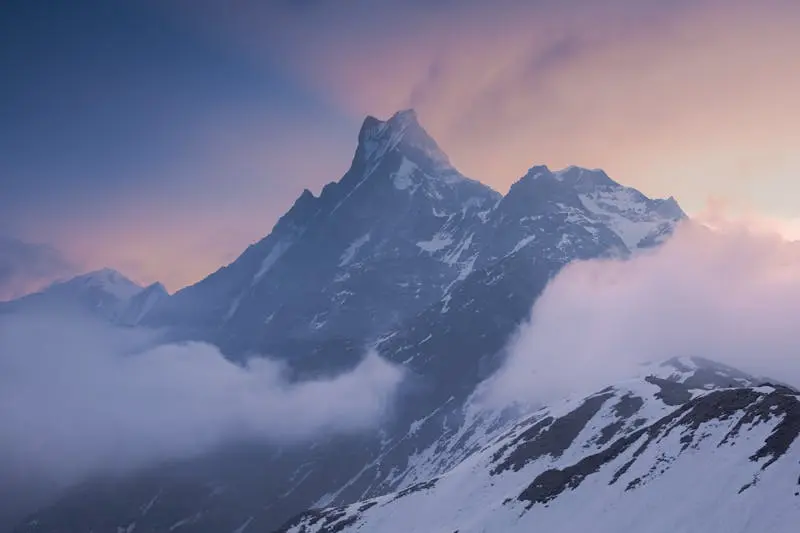
Tourist scams and rip-offs in Pokhara, Nepal: how to avoid them
Photo made by Sergey Guk on Pexels.com
Pokhara is a generally safe and relaxed lakeside city, but visitors should watch for overpriced taxis and souvenir and trekking-tour price padding. Traffic is chaotic and road safety is poor, so take care crossing streets and on motorbike rides. The main practical advice is to agree clear taxi prices in advance, use the official transport apps, and always pay in Nepalese rupees.
Updated October 2026
Common scams in Pokhara, Nepal and how to avoid them
1. Unmetered taxi overcharging
How it works: Drivers outside the arrivals terminal quote inflated flat fares or pretend the meter is broken. Fares are not metered on most local trips, so tourists often pay several times the fair rate.
How to avoid it: Agree a fixed price in writing before boarding, or book through Pathao, InDrive or Tootle where the fare is set in the app.
2. Souvenir and shop price inflation
How it works: Shops near the lake quote high starting prices to tourists, then negotiate down. Pashmina, gem and handicraft prices can be marked up several times over the fair value.
How to avoid it: Compare prices across a few shops, bargain firmly, and walk away if the price seems too high. Buy from fixed-price shops where possible.
3. Trekking and tour price padding
How it works: Agents add hidden fees to trekking packages, permits, transport and gear, or switch stated lodges and services after payment.
How to avoid it: Get a written itinerary with all costs itemized, use established agencies, and pay only part upfront with the rest on completion.
4. Fake guides and middlemen
How it works: People approach tourists offering guiding, trekking permits or special access that is unlicensed or unnecessary, then demand extra payments later.
How to avoid it: Use licensed guides and official permit offices, and ignore unsolicited offers from strangers on the street.
From the airport to the city centre
Pokhara International Airport
Agree the fare before getting in. Use the official taxi rank or a ride app such as Pathao, InDrive or Tootle rather than unlicensed drivers approaching outside arrivals. Refuse any quoted airport surcharge.
Public transport: tickets, validation and fines
- Validation rules
- On micro-buses and tempos you pay the conductor in cash and get no ticket; on city buses you buy from the conductor. There is no electronic ticket or tap system on most local routes.
- Paying by card
- Cash only on most local buses and tempos. Ride apps and some services accept card or digital wallets, but local transit is generally cash based.
Tipping and service charges
Tipping: Not expected but appreciated, around 5 to 10 percent in restaurants. Round up for taxi rides and small tips for porters and trekking staff.
Cover and service charges: Most restaurants show prices per item without a cover charge. Check the menu for a service charge, usually 10 percent, before ordering. Confirm that written prices match your bill.
Cards, ATMs and currency exchange
Prefer ATMs attached to major banks. Always choose to be charged in Nepalese rupees and decline dynamic currency conversion. Withdraw enough in one go because per transaction fees and daily limits are common.
Areas where extra care is advised
- Lakeside at night: Generally safe, but keep bags closed and valuables secure on crowded promenades and stalls, especially after dark.
- Main roads and crossings: Traffic is chaotic and poorly disciplined. Use marked crossings with care and look both ways repeatedly before crossing.
Emergency number
112
Planning your budget?
Frequently Asked Questions about Pokhara, Nepal
Is Pokhara, Nepal safe for tourists?
Do I need to validate public transport tickets in Pokhara, Nepal?
Is tipping expected in Pokhara, Nepal?
What is the emergency number in Pokhara, Nepal?
Based on widely reported traveler experiences and official advice. Prices are approximate and change; check current fares on arrival. Updated October 2026.