 CityBuddy
 English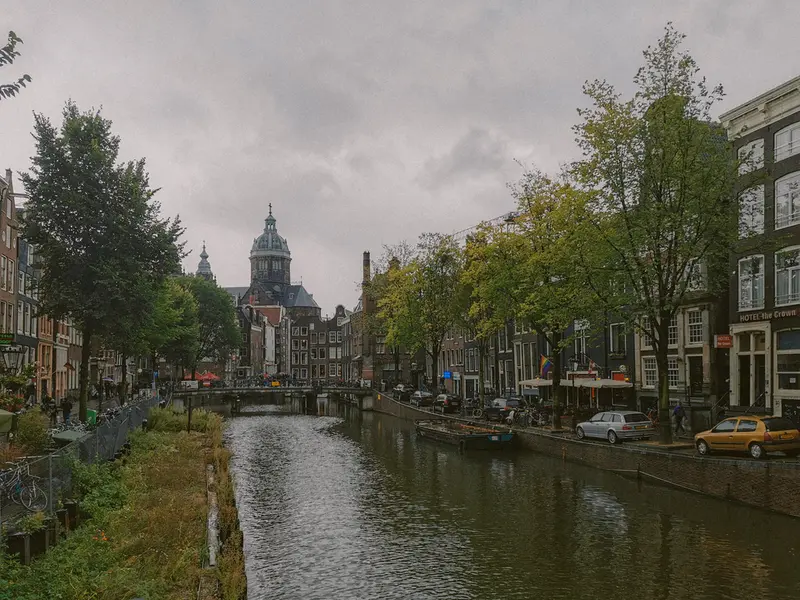
Tourist scams and rip-offs in Amsterdam, Netherlands: how to avoid them
Photo made by Sophie Otto on Pexels.com
Amsterdam is a generally safe and well-regulated tourist city, but crowds in the centre attract pickpockets and a few classic hustles. The main things to watch are pickpocketing in crowded trams and squares, unlicensed airport taxis, and poor-rate exchange booths. Official transport is reliable with strict ticket validation rules.
Updated October 2026
Common scams in Amsterdam, Netherlands and how to avoid them
1. Pickpocketing in crowds
How it works: Thieves work in pairs or groups in crowded trams, queues at museums, and busy squares, often using distraction techniques like bumping or asking for directions while another lifts your wallet or phone.
How to avoid it: Keep bags zipped and in front, phones in front pockets, and stay alert in dense crowds, especially around Centraal and Dam Square.
2. Unlicensed airport taxi offers
How it works: Drivers approach arriving passengers inside or just outside Schiphol offering rides at inflated flat prices or rigged meters. These are not licensed airport taxis and fares can be several times the official rate.
How to avoid it: Only take taxis from the official rank outside arrivals. Check the meter starts correctly and the licenced TTO sign is visible.
3. Tourist menu without prices
How it works: Some cafes and restaurants in the red light district and Dam area hand out menus with no prices or add large service charges to bills, assuming tourists will not check.
How to avoid it: Ask for a price list before ordering and review your bill carefully. Walk away if prices are not shown.
4. Fake petition and bracelet hustles
How it works: People approach tourists asking for signatures for a charity or offering to tie a friendship bracelet, then demand payment once you engage. Often called the monniken and vogel method in local media.
How to avoid it: Walk on without making eye contact. Do not accept anything handed to you or put your hand out.
5. Poor-rate exchange booths
How it works: Exchange offices in the tourist centre advertise attractive rates but add hidden commissions or apply large spreads, especially near Dam Square. They may also offer dynamic currency conversion when paying by card.
How to avoid it: Prefer bank ATMs for cash and always pay in euros. If exchanging, compare the effective rate including all fees rather than the advertised figure.
6. Counterfeit or overpriced attraction tickets
How it works: Street touts sell paper tickets for canal cruises, the Anne Frank House or museums at inflated prices, or sell fakes that do not scan at entry. Official tickets for Anne Frank House must be bought online in advance.
How to avoid it: Buy attraction tickets only from official websites or official ticket offices. Ignore touts in the street.
Official tickets for the top sights in Amsterdam, Netherlands
Skip street sellers: book official tickets and tours with free cancellation.
From the airport to the city centre
Amsterdam Schiphol Airport (AMS)
Fair taxi price (official, daytime): €45 - €65. Use the official taxi rank outside the arrivals hall. Official metered fares to the centre are around 45 to 65 euros. Decline drivers who approach you inside the terminal offering flat prices.
Best alternative: NS train to Amsterdam Centraal (€4.90, about 17 min)
Public transport: tickets, validation and fines
- Single ticket
- €3.30 (Single 1-hour ticket valid on tram, bus and metro across the GVB network.)
- Validation rules
- If you buy a paper ticket or use the OV-chipkaart card, tap in at the gate or on the boarding validator and tap out when you get off. Mobile and contactless bank card check-in on trams, buses and metros works by tapping the validator; always tap out. Missing either tap can charge the full fare or trigger a fine.
- Fine without a valid ticket
- €60. Fine for travelling without a valid ticket, issued by inspectors on the spot, plus the fare.
- Paying by card
- Contactless bank cards and mobile wallets work on GVB trams, buses and metros with tap in and tap out. Daily and weekly fare caps apply.
Tipping and service charges
Tipping: Tipping is appreciated but not mandatory, usually around 5-10% in restaurants for good service. Rounding up in taxis and bars is common. No service charge is normally added to bills.
Cover and service charges: Cover charges are not a standard practice in Amsterdam. Check your bill for any added service charge, which is unusual. Menus in Dutch tourist areas should list prices; if a menu has no prices, ask before ordering.
Cards, ATMs and currency exchange
Always choose to be charged in euros and decline dynamic currency conversion at ATMs and payment terminals. Prefer bank-attached ATMs over independent machines, which often charge higher fees. Cards with PIN are widely accepted; contactless payment is standard everywhere.
Areas where extra care is advised
- Around Centraal Station: Late at night, keep bags closed and valuables secured. The area draws pickpockets and occasional street disturbances.
- Red light district: Crowded and busy at all hours. Keep phones and wallets secured and be aware that photos are not allowed of workers.
Emergency number
112
Planning your budget?
Frequently Asked Questions about Amsterdam, Netherlands
Is Amsterdam, Netherlands safe for tourists?
How much is a taxi from the airport to the centre of Amsterdam, Netherlands?
Do I need to validate public transport tickets in Amsterdam, Netherlands?
Is tipping expected in Amsterdam, Netherlands?
What is the emergency number in Amsterdam, Netherlands?
Based on widely reported traveler experiences and official advice. Prices are approximate and change; check current fares on arrival. Updated October 2026.