 CityBuddy
 English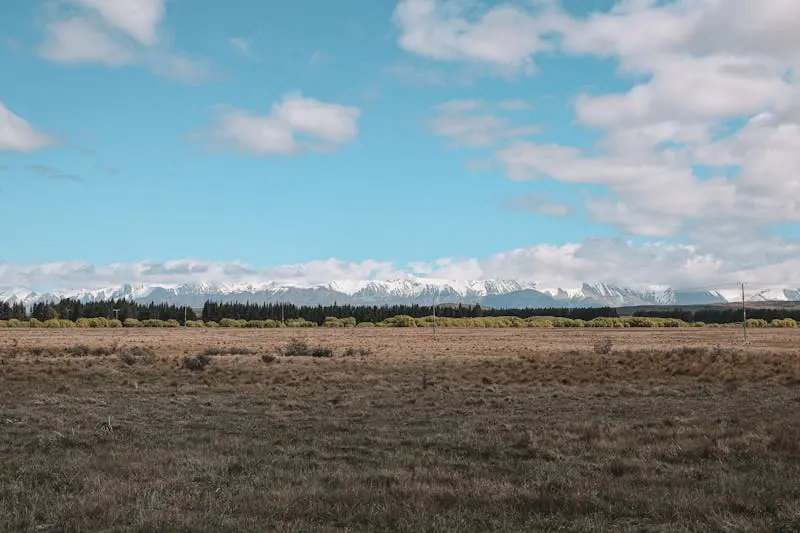
Things to Do in New Zealand
Photo made by Azizi Co on Pexels.com
When to visit
Plan your perfect trip to New Zealand
Get a complete travel plan built just for you in under 30 seconds, with daily routes, local food tips, budget estimates and more.
Are any of these especially important to you?
Select all that apply
Plan language: EnglishMost popular attractions in New Zealand
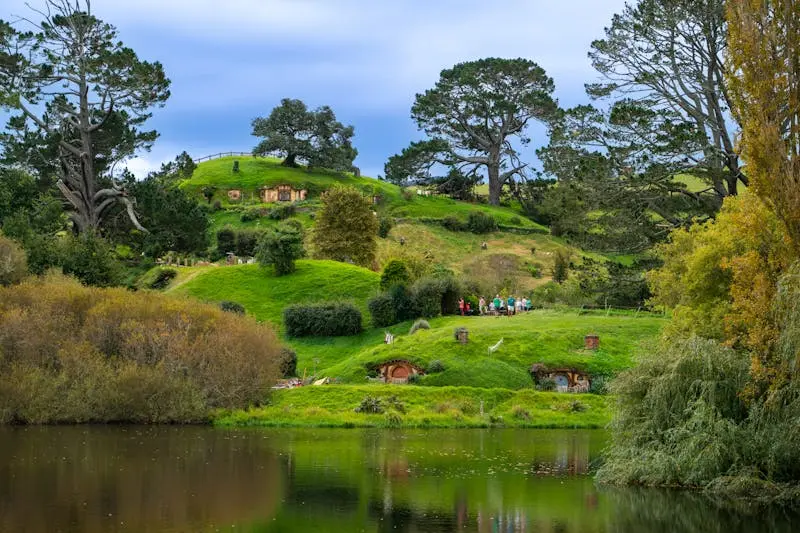
Top things to do in New Zealand include visiting the Sky Tower in Auckland, standing 328 meters tall with panoramic city views. Exploring the Waitomo Glowworm Caves offers an enchanting boat ride under thousands of tiny lights. For movie fans, Hobbiton Movie Set lets you walk through the Shire from The Lord of the Rings.
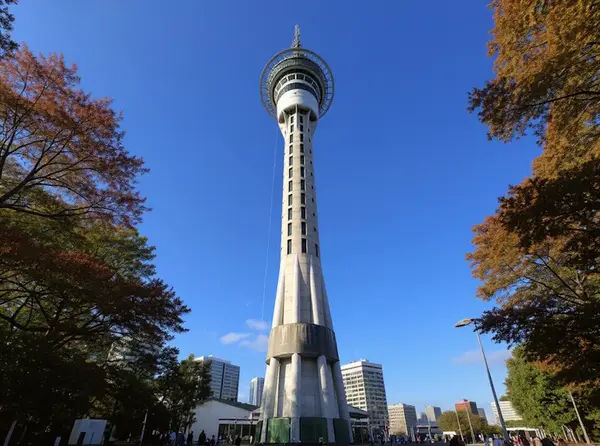
1. Sky Tower
Auckland
Panoramic city and harbor views from over 300 meters up. Step onto a glass floor or ride a speedy elevator to the top.
Quick facts: A slender observation tower climbs to over 300 meters, towering above the city's harbor and skyline. A revolving restaurant lets diners watch the view sweep by as they eat, and adrenaline experiences send thrill-seekers along the tower's exterior.
Highlights: Orbit 360° Dining completes a full rotation every hour, so mains arrive to a subtly different view than starters. Glass-floor panels near the edge create a stomach-flip moment, and a supervised SkyJump lets you descend along the building face while feeling the wind and hearing the city shrink below.
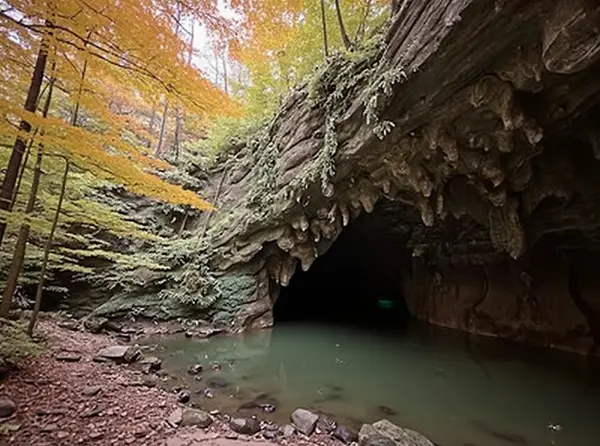
2. Waitomo Glowworm Caves
Waitomo
See a living starfield underground. Glide silently beneath thousands of tiny blue lights.
Quick facts: A river carves a maze of limestone passages, where cool damp air and mineral formations create a cathedral-like hush. Tiny bioluminescent larvae, the species Arachnocampa luminosa, glow with a blue-green light to lure insects into sticky silk threads.
Highlights: In the largest chamber, a ceiling carpeted with roughly 20,000 to 30,000 glowworms reflects in a black underground river, producing a depthless starfield that turns silence into something you can almost hear. A boat glides under pinpricks of cold blue light while guides speak in whispers to preserve the delicate glow, leaving visitors with a sensory memory of flickering light and liquid reflections.
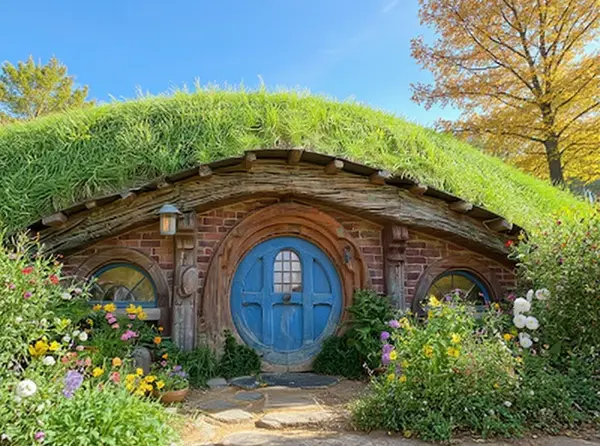
3. Hobbiton Movie Set
Matamata
Step into a living movie set where tiny doors and stories feel real. Guided strolls, perfect photo spots, and a pint at a cozy inn.
Quick facts: Over 40 handcrafted hobbit holes dot the rolling green hills, each featuring round doors, letterboxes, and carefully tended miniature gardens. Guided tours follow the original film pathways, and the on-site Green Dragon Inn serves a brewed ale in keeping with the films at the tour's end.
Highlights: A 12-acre movie set centers on the iconic round-door home, where gardeners cultivate heritage herbs and roses so the smells match what you see on screen. Local guides finish the experience by offering a complimentary pint or ginger beer at the cozy Green Dragon Inn, creating a theatrical finale.
Have you heard of free walking tours?
After traveling to 30+ countries, there's one thing I wish someone had told me from day one, and it completely changed how I experience new cities.
Free walking tours. Yes, actually free. No credit card needed. No catch.
Local guide, 2-3 hours
Major sights, hidden gems, local stories
100% tip-based
Guides earn only tips, so they give their absolute best
You tip what feels right
At the end, just tip whatever you feel is right
I've done these in dozens of cities and they've been the highlight of almost every trip. If you're visiting New Zealand, do this on your first day. You'll thank me later.
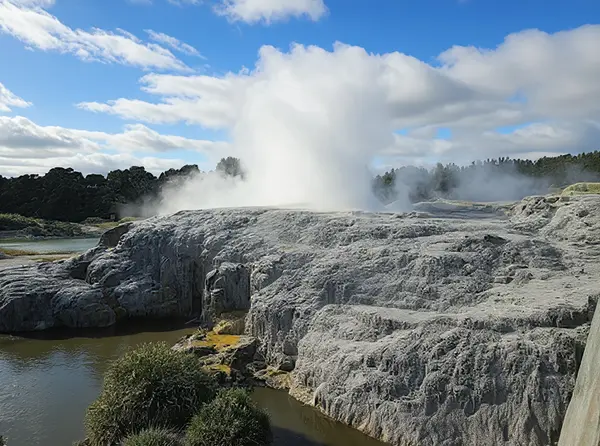
4. Te Puia / Whakarewarewa Geothermal Valley
Rotorua
Powerful geyser displays and surreal thermal pools await. Walk steaming boardwalks, see live carving and taste geothermal-cooked food.
Quick facts: Hot springs, steaming vents, and neon-colored silica terraces create an otherworldly smell and scenery you can walk through on raised boardwalks. The main geyser can blast water jets up to around 30 meters, sending warm mist over visitors and rattling nearby platforms.
Highlights: A daily cultural welcome and live Māori performance features kapa haka groups of up to 15 performers, rhythmic poi spinning, and throat-deep waiata that carry across the valley. Geothermal ovens cook food at about 100 degrees Celsius underground, releasing a nutty, mineral aroma that greets you before the first bite.
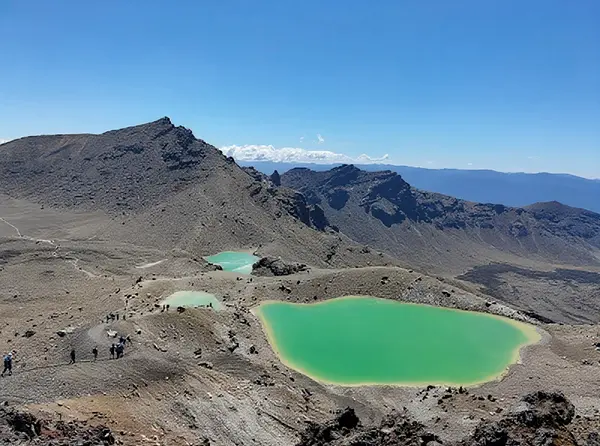
5. Tongariro Alpine Crossing (Tongariro National Park)
National Park Village
Epic volcanic day-hike worth the sweat. Expect turquoise lakes, crater rims and gusty alpine winds.
Quick facts: Tongariro Alpine Crossing is a renowned one-day volcanic trek that threads across crater rims, vivid mineral lakes and steam vents, offering dramatic landscape changes in a single outing. Thousands visit annually, drawn by features like Red Crater and the three Emerald Lakes that flash turquoise against rust-colored tephra.
Highlights: Red Crater crowns the route, sitting above the three Emerald Lakes whose turquoise comes from dissolved minerals, creating a painterly contrast with the ochre volcanic rock. Hikers often catch a faint sulfur tang near Ketetahi’s steam vents, and guides note that the lake colors can look most electric in the clear light between 9 and 10am.
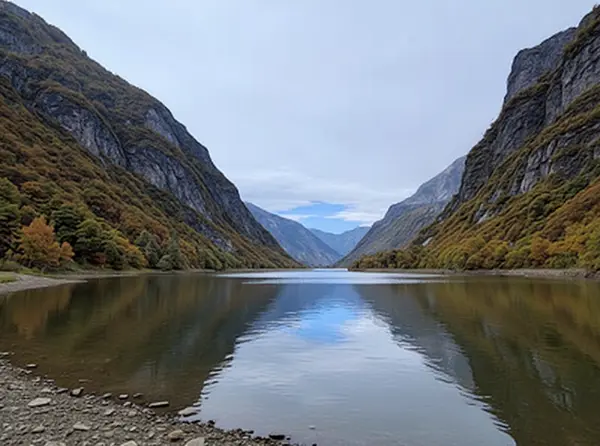
6. Milford Sound / Piopiotahi
Milford Sound
Dramatic fjord walls and roaring waterfalls reward the adventurous. Expect close-up cruises, playful seals and ever-changing weather.
Quick facts: A towering granite peak rises almost vertically from the water to about 1,692 meters, giving the fjord its instantly recognizable silhouette. More rain falls here than in most places on Earth, often exceeding 6,800 millimeters yearly, which creates scores of temporary waterfalls after every storm.
Highlights: Stirling Falls plunges roughly 155 meters in a single sheet, and after heavy showers over 200 temporary waterfalls can appear along the cliff faces, turning the valley into a moving curtain. An underwater observatory drops visitors below the surface to view black coral gardens and schooling fish at around 14 meters depth, offering an eerie, otherworldly marine perspective.
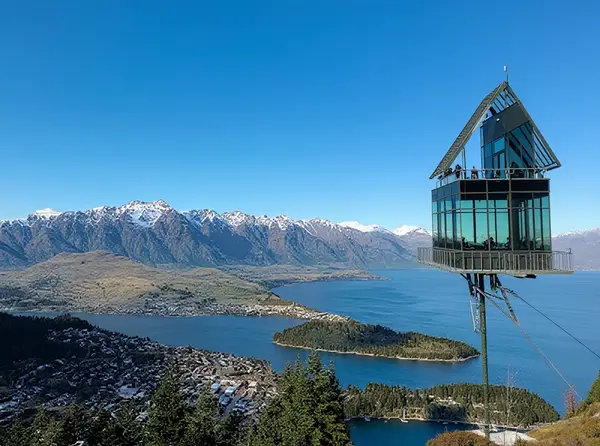
7. Skyline Gondola & Bob's Peak
Queenstown
Epic mountain-and-lake panoramas worth the ride. Catch sunset views, race a luge, then toast with a drink on the lookout.
Quick facts: A cable car climbs roughly 450 meters to a rocky ridge, giving sweeping, 360-degree views over lake and mountain ranges. Visitors often pair the ride with a gravity-powered luge, a short walk, and a meal at a hilltop restaurant, so outings commonly stretch past an hour.
Highlights: Perched about 450 meters above the water, the summit feels like standing on the sky as wind and cloud sculpt the light across jagged peaks. Two banked luge tracks let you steer through tight turns while a glass-walled restaurant pours local Pinot and serves charred lamb against the panorama.
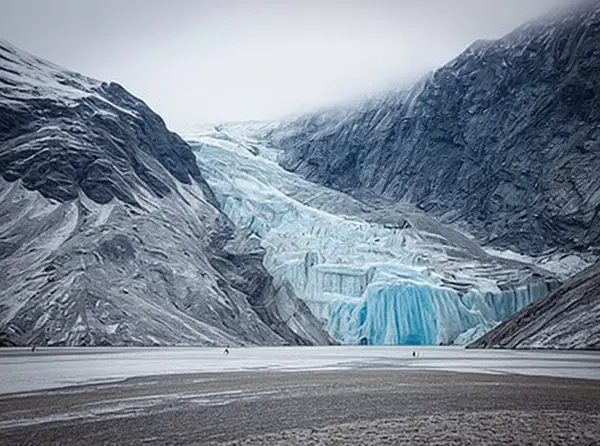
8. Franz Josef Glacier
Franz Josef
Rainforest-meets-ice spectacle worth the trip. Walk close to creaking blue ice and turquoise melt streams.
Quick facts: A rare temperate glacier pouring ice from an alpine icecap down into lush rainforest, creating vivid turquoise meltwater and steep icefalls. Visitors often hear thunderous ice creaks and see blue-and-white seracs that change shape noticeably from year to year.
Highlights: A single ice tongue reaches roughly 12 kilometers from the icefield, with the snout sometimes sitting only about 300 meters above sea level, a dramatic drop few glaciers manage. Locals and guides note the meltwater's rock flour gives milky turquoise rivers and the valley smells of damp ferns and cold mineral air after rain.
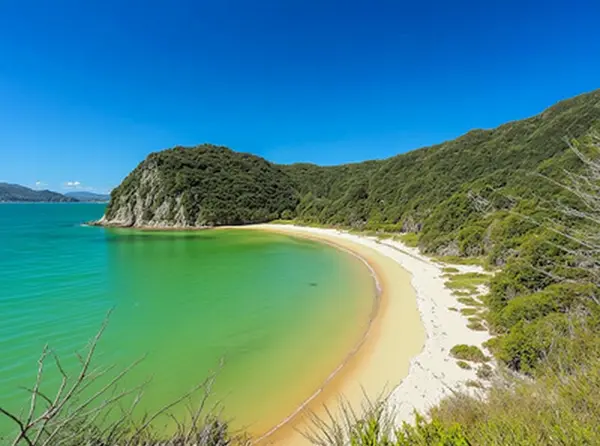
9. Abel Tasman National Park — Marahau/Kaiteriteri (Abel Tasman)
Marahau
Golden beaches, turquoise bays and easy coastal hiking make every minute feel like a mini adventure. Expect beach-walking, kayaking and close-up wildlife viewing.
Quick facts: Expect a compact wild coastline of roughly 60 kilometers where golden sand meets sculpted granite headlands, perfect for beach-hopping on foot or by kayak. Tidal rhythms carve rock pools and quiet bays that attract playful fur seals and dozens of coastal bird species, so binoculars pay off.
Highlights: Low tide unveils a 60-kilometer ribbon of beaches and coves, where sandbars that vanish at high tide create temporary walking routes. Paddlers frequently pass curious fur seals hauled out in small colonies numbering a few dozen, while crystal-clear shallows reveal stingrays and starfish under the hull.
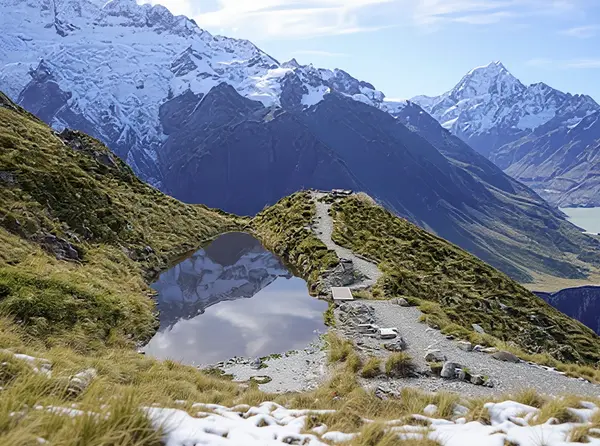
10. Aoraki / Mount Cook (Aoraki/Mount Cook Village)
Aoraki / Mount Cook Village
Epic alpine scenery and ancient glaciers in one compact spot. Hike, heli-view, and stargaze beneath spectacular dark skies.
Quick facts: One peak tops out at 3,724 meters, making it the country's highest summit and a magnet for climbers. Glaciers carve the valleys here, with the largest flowing roughly 23 kilometers and feeding milky-blue proglacial lakes.
Highlights: Ngāi Tahu storytellers pass on a legend about a voyager turned mountain, adding deep cultural context during guided dawn walks. Sunrise alpenglow can shift from pale pink to fiery orange in under ten minutes, while wind-carved ice cliffs crack and hiss like boiling water.
Where to Stay in New Zealand
Selected by City Buddy based on guest reviews and proximity to top attractions
Search all hotels in New ZealandPowered by agoda
Popular Cities in New Zealand
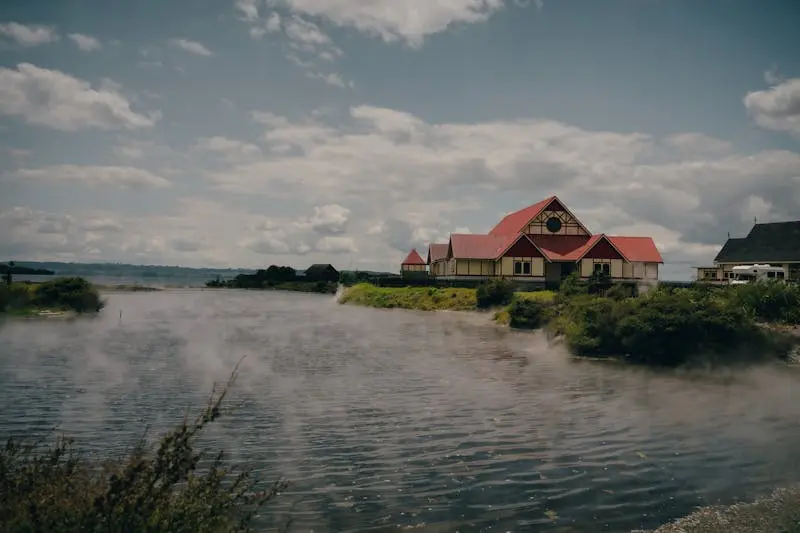
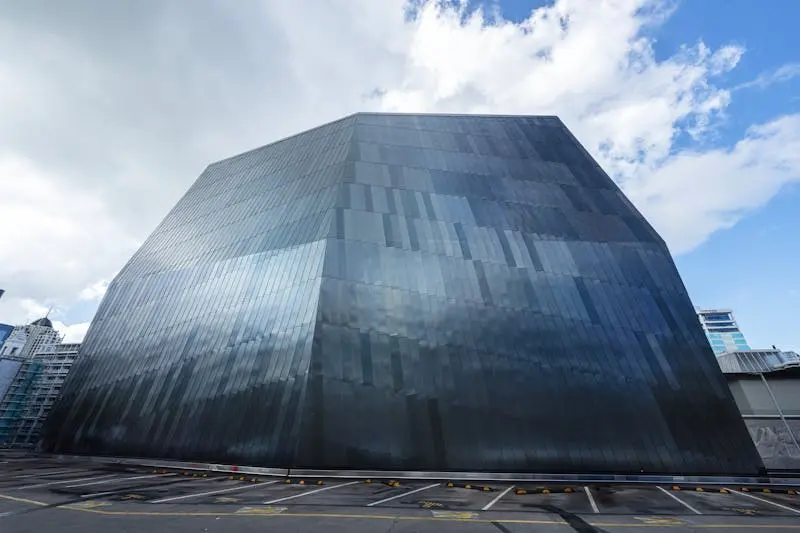
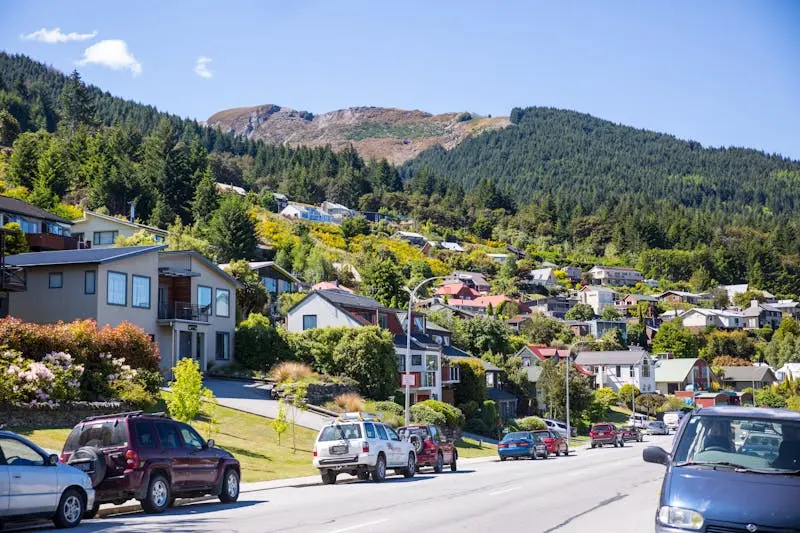
Traditional Sweet Dishes
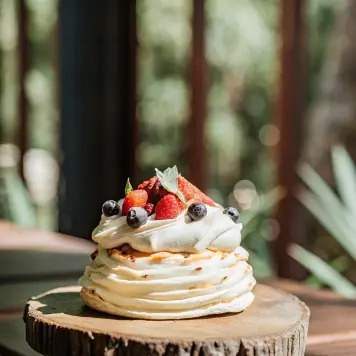
Pavlova
Pavlova was named for the Russian ballerina Anna Pavlova, and its crisp meringue shell with a marshmallow-soft interior was created to mimic her lightness.

Hokey pokey
Hokey pokey is New Zealand's iconic vanilla ice cream studded with crunchy honeycomb toffee, pairing creamy and brittle textures in every spoonful. The whimsical name likely comes from old street-seller cries, and the treat is a national favorite.

Anzac biscuits
Anzac biscuits were baked by families during World War I to send to soldiers, because their ingredients and long shelf life survived long sea journeys. They remain a powerful symbol of wartime remembrance and homefront ingenuity.
Traditional Savory Dishes
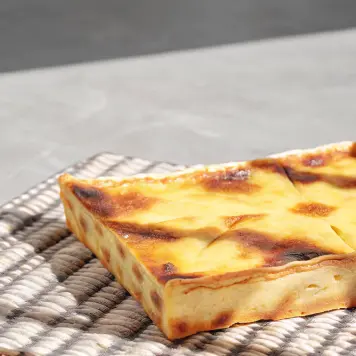
Hangi
Hangi is a traditional Maori earth oven method where food is steamed and smoked on hot stones buried in a pit, producing deeply flavored, tender meat and vegetables. The method is as much about community and ceremony as it is about cooking.
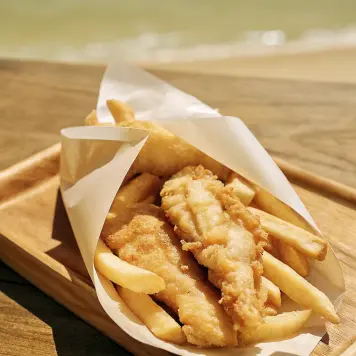
Fish and chips
Fish and chips are a beloved New Zealand takeaway, often enjoyed by the sea wrapped in paper, and they showcase the country's access to fresh local fish and a love of casual outdoor dining. Eating them at the beach is an almost ritualistic pastime.

Roast lamb
Roast lamb is so central to New Zealand food culture that the country is famous worldwide for its pasture-raised lamb, and Sunday roasts are an enduring expression of hospitality. A perfect roast often signals family gatherings and celebratory meals.
Traditional Beverages

Flat white
The flat white is a South Pacific coffee creation featuring silky microfoam poured over espresso, creating a stronger but smoother drink than a standard latte. Australia and New Zealand both claim its invention, which fuels friendly coffee debates.
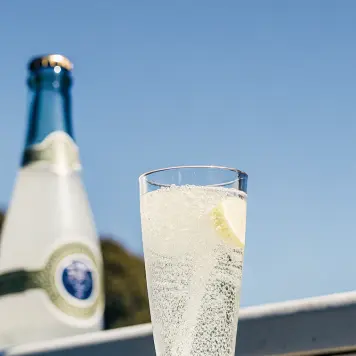
L&P
Lemon & Paeroa, commonly called L&P, started when lemon juice was blended with the natural mineral water from Paeroa, creating a uniquely Kiwi soft drink loved for its sweet, citrusy fizz. A giant L&P bottle in Paeroa now draws tourists who want a photo with the national icon.

Manuka tea
Manuka tea, brewed from the leaves of the native manuka shrub, has earthy, honeyed notes and was traditionally used by Maori for its soothing medicinal properties. It shares a chemical kinship with manuka honey, which is prized for similar healing qualities.
Frequently Asked Questions about New Zealand
What is the best time to visit New Zealand?
Is New Zealand expensive for travelers?
How is the public transport system in New Zealand?
Is tap water safe to drink in New Zealand?
How many tourists visit New Zealand each year?
Get a PDF with the most popular attractions sent to your email
Get a PDF with all attractions, ratings, and tips. Perfect for offline use.
Most popular day trips
Waiheke Island
Nearby island with beaches, wineries, and art galleries.
Rotorua
Geothermal parks, Maori culture, lakefront activities.
Hobbiton (Matamata)
Movie set tours and scenic farmland.
Milford Sound
Dramatic fiord with boat cruises and waterfalls.
Getting there
Airports
Train stations
Auckland suburban rail; Northern Explorer long-distance
North Island Main Trunk; Northern Explorer; Wairarapa Line
TranzAlpine to Greymouth; Coastal Pacific to Picton (services vary)
Use airport express buses or shared shuttles to reach city centers; book ahead during peak season.
Click to get eSim for New Zealand
The easiest and most affordable way to get mobile internet wherever you travel.
Visa & entry
Australia, United Kingdom, United States, Canada, EU Schengen countries, Japan, South Korea, Singapore, Malaysia, Hong Kong, Brazil, Argentina, Chile
Many African countries, some South Asian and Middle Eastern nationals; check the NZ Immigration website for specifics
Check if you need an NZeTA and apply online well before travel.
Comments (8)
Shop groceries in bigger towns, roadside cafes charge tourist prices. Bring a small cooler for snacks on long drives between spots.
South Island views blew my mind, North Island has culture and easy hikes. Two weeks felt rushed, three weeks is nicer.
Not as cheap as travel blogs made it sound, hostels book out quick in summer. Kiwis are friendly and it felt very safe solo.
Rent a car if you can, but add gravel insurance and check ferry schedules. Some high-country roads close quickly after rain.
Download offline maps and the MetService app, mobile gaps are common. Fill up petrol whenever you see a station, not later.