 CityBuddy
 English
Things to Do in Ica, Peru
Photo made by Asia Culture Center on Pexels.com
When to visit
Most popular attractions in Ica, Peru
Among the best things to do in Ica, Peru is ride sand dunes at Huacachina Oasis, a lagoon surrounded by 1,000-foot sand mountains. Tour Bodega Tacama, Peru's oldest vineyard established in 1540, where you can sample pisco and wine. The Regional Museum of Ica displays 10,000-year-old artifacts including shrunken heads.
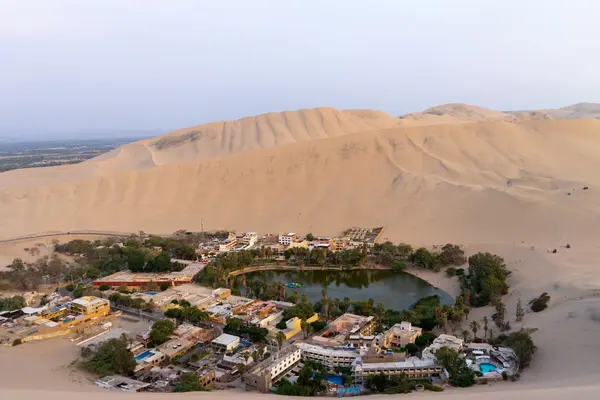
1. Huacachina Oasis
Sandboard down 300-meter dunes, then plunge into an emerald lagoon in the middle of the desert. Feel the adrenaline of dune buggies flying over massive sand mountains before sunset paints everything gold.
Quick facts: Surrounded by towering sand dunes that reach heights of over 300 meters, this emerald lagoon sits in the middle of the Sechura Desert. Local legend claims the oasis was formed when a beautiful mermaid emerged from the water, luring men into her magical realm.
Highlights: After sunset, the dunes surrounding the lagoon transform into a natural amphitheater where the wind creates haunting melodies as sand grains collide. Travelers can climb the tallest dune at dusk and watch the sky shift from fiery orange to deep purple while the oasis lights flicker to life below.
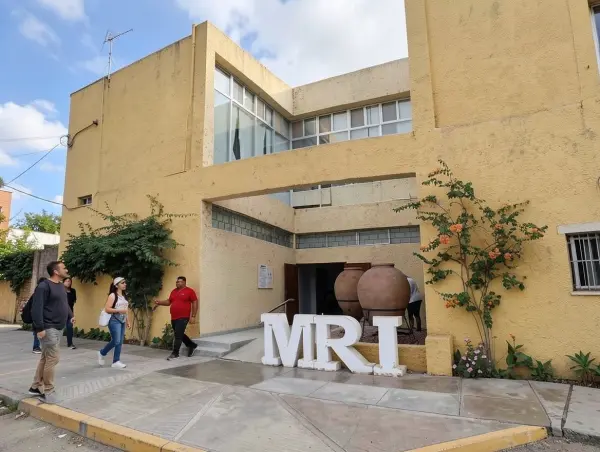
2. Regional Museum of Ica
See the world's largest collection of elongated Paracas skulls and intricate Nazca ceramics all under one roof. Walk through rooms filled with mummies, ancient goldwork, and vivid textiles that bring Peru's pre-Columbian cultures to life.
Quick facts: The museum safeguards over 10,000 ancient artifacts spanning Paracas, Nazca, and Inca civilizations. Elongated skulls from the Paracas culture sit alongside pottery, textiles, and a room dedicated to the mysterious Nazca Lines.
Highlights: A hall displays over 300 elongated skulls with cranial deformation, some still retaining remnants of hair and soft tissue after 2,000 years. The mummy bundles in the climate-controlled room show intricate textile wrapping techniques that have preserved organic material for centuries.
3. Bodega Tacama
Sip Peru's finest pisco where winemaking has happened for nearly 500 years without interruption. You'll wander vine-covered courtyards, watch bottling by hand, and taste eight different wines and piscos in a single afternoon.
Quick facts: Peru's oldest winery has been producing wine and pisco since 1540, making it one of the oldest vineyards in the Americas. The winery uses a gravity-fed irrigation system that still relies on channels built by pre-Columbian cultures over 1,000 years ago.
Highlights: Visitors can taste Tacama's award-winning pisco right next to a 400-year-old olive tree that has witnessed every harvest since colonial times. The winery still ferments some of its wines in massive clay amphorae buried underground, a technique inherited from Indigenous winemakers that gives the wine a distinctly earthy, mineral finish.

4. Cathedral of Ica
Witness one of Peru's most intense religious processions where 40,000 devotees walk barefoot through the streets. Inside, you'll find a Christ statue with a mysterious dark hue that scientists still can't explain.
Quick facts: Its twin bell towers rise above Ica's sandy streets, and the cathedral was rebuilt after a devastating 2007 earthquake that crumbled much of the original structure. The faithful gather here year-round to venerate the Señor de Luren, a dark-skinned Christ statue that has survived centuries of natural disasters.
Highlights: Every March, a massive purple-robed procession carries the Señor de Luren through the streets for 18 hours straight, drawing over 40,000 devotees who walk barefoot on hot pavement as a sign of devotion. The original 16th-century statue survived the 1746 earthquake that leveled the first church, yet its mysterious dark complexion has never been explained by any pigment analysis.
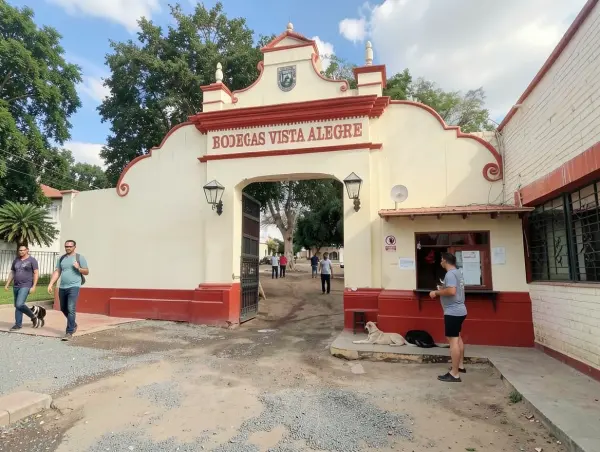
5. Bodega Vista Alegre
Taste Peru's finest pisco where it's been made for over 160 years. Walk through candlelit underground cellars, then sip a flight of single-varietal piscos straight from the source.
Quick facts: Peru's oldest producing winery has been pressing grapes since 1857. The estate's underground cellars hold over 300 French oak barrels, some aging pisco for more than a decade before bottling.
Highlights: A 150-year-old underground tunnel system, carved into the desert soil, keeps the barrels at a constant 18°C year-round without any modern cooling. Visitors can walk these candlelit tunnels and inhale the sweet scent of Quebranta grapes that hangs thick in the cool air.
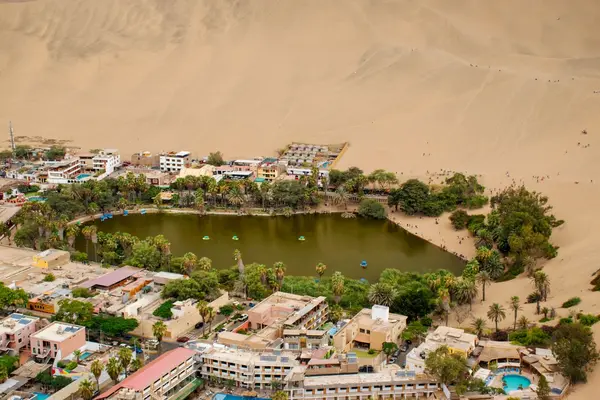
6. Laguna de Huacachina
Nowhere else can you plunge down 100-meter sand dunes on a board then cool off in a desert lagoon minutes later. Feel the rush of dune buggies climbing steep slopes at crazy angles as the desert stretches endlessly around you.
Quick facts: A natural oasis surrounded by towering sand dunes reaching over 100 meters high, this lagoon sits in the middle of the Peruvian coastal desert. Legend says the waters formed from the tears of a heartbroken princess, blending myth with one of South America's last remaining natural oases.
Highlights: As sunset hits, the dunes shift from golden to deep orange while the lagoon reflects the changing sky, creating a surreal mirror effect you can only witness from atop the highest dune. Local sandboarders have carved their own paths down these slopes for decades, racing down at speeds over 50 km/h on nothing but waxed wooden boards.
7. Bodega Lazo
Sip award-winning pisco straight from the barrel at one of Ica's last family-operated bodegas. Wander sun-drenched courtyards lined with clay amphorae while learning the art of Peru's national spirit.
Quick facts: A family-run operation since 1920, the winery crushes its grapes the old-fashioned way using a 120-year-old stone press. Visitors can taste 12 different varieties of pisco and wine during a tour that ends in a courtyard shaded by century-old fig trees.
Highlights: The third-generation owners still stomp grapes by foot during harvest season, a tradition visible through open windows in the production hall. Each year's vintage gets marked with handwritten labels, making every bottle a one-of-a-kind collector's item.
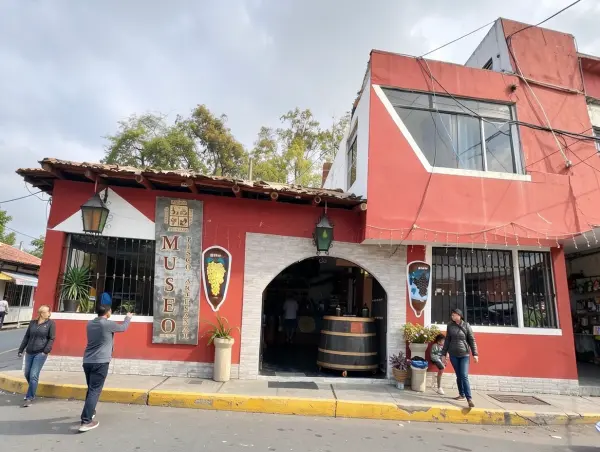
8. Museo del Pisco
Taste your way through Peru's national spirit at the only museum dedicated entirely to pisco. You'll sample everything from pure Quebranta to aromatic Italia varieties while learning the art of proper pisco sour shaking.
Quick facts: Peru's signature grape brandy comes to life inside a restored 19th century mansion where over 80 pisco varieties are available for tasting. The museum traces the spirit's evolution from pre-Columbian fermentation techniques to modern distillation methods used across 5 producing regions.
Highlights: A working copper pot still from 1890 sits in the center of the main hall, still used for weekend demonstrations that fill the room with sweet grape steam. Visitors can dip their own glass bottles in wax to seal a custom blend they create from three different single-variety piscos at the blending station.
Where to Stay in Ica, Peru
Selected by City Buddy based on guest reviews and proximity to top attractions
Search all hotels in Ica, PeruPowered by agoda
Opening days in Ica, Peru
Which of the top sights close on which day of the week — the classic trip-ruiner, checked for you.
Sunday: 2 of 8 top sights closed — plan museums for another day.
Closed on Sunday · 2 closed, 6 open
Opening days from Google Maps (checked 2026-06-26). Public holidays, strikes and seasonal hours can differ — check the official website before you go.
Traditional Sweet Dishes

Tejas de Ica
Tejas are made from manjar blanco (dulce de leche) mixed with pecans, shaped into a dome, and coated in white sugar icing. They get their name from their teardrop shape, which resembles a roof tile.

Chocotejas
Chocotejas are a chocolate coated variation of the classic teja, filled with manjar blanco and pecans. They have become Ica's most popular gift for visitors to take home.

King Kong de Ica
This giant layered cookie sandwich is filled with manjar blanco, pecan paste, and sometimes fruit jam. It got its name after the 1933 King Kong movie became a hit in Peru and someone remarked the dessert was as big as the gorilla.
Traditional Savory Dishes
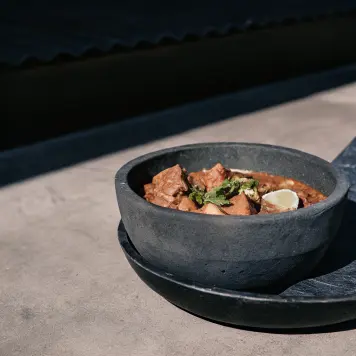
Carapulcra
Carapulcra is a slow cooked stew made from sun dried potatoes (papa seca), pork, peanuts, and Peruvian spices. It is an ancient dish with pre Columbian roots that dates back to the Chancay and Inca civilizations.
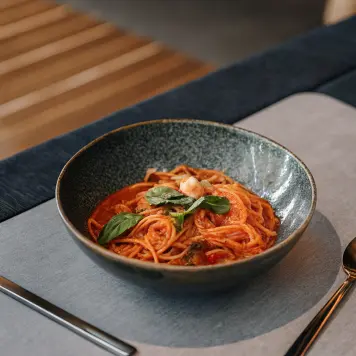
Sopa Seca
Despite its name meaning "dry soup," Sopa Seca is actually a flavorful noodle dish cooked in a rich broth with basil, garlic, and aji until the liquid is fully absorbed. It is almost always served alongside a generous portion of carapulcra.
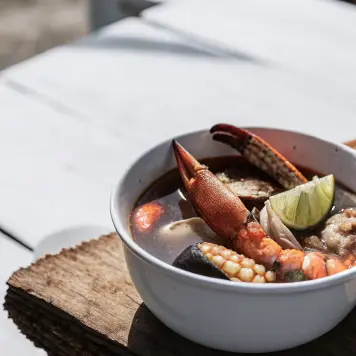
Parihuela
This hearty seafood soup from the Ica coast features a mix of fish, shrimp, crab, and shellfish simmered in a tomato and aji based broth. It is famously served with a side of canchita (toasted corn) and a squeeze of lime.
Traditional Beverages

Pisco Sour
Peru's national cocktail was created using pisco, a grape brandy that takes its name from the port of Pisco in the Ica region. The drink combines pisco with lime juice, simple syrup, egg white, and Angostura bitters.
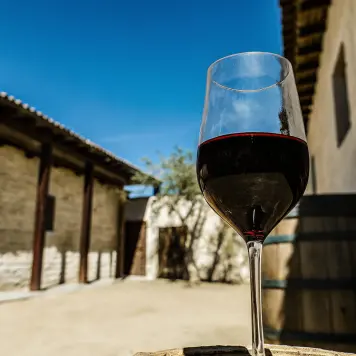
Vino de Ica (Ica Valley Wine)
The Ica Valley is home to Peru's oldest and most prestigious wineries, some dating back to the 16th century. Varietals like Quebranta, Italia, and Tamarugal grapes thrive in the region's dry desert climate.

Chicha de Uva
Chicha de uva is a naturally fermented sweet grape drink with roots in both Indigenous and Spanish winemaking traditions. Unlike wine, it is young and slightly fizzy, often enjoyed during harvest festivals in the Ica countryside.
Know before you go
What a day costs in Ica, and the rip-offs to avoid
Top rip-offs to avoid
- Unlicensed drivers at terminal. Walk to the official taxi rank or book via Uber, TaxiSat, or InDriver. Agree the fare before getting in.
- Distraction theft. Keep bags zipped and in front of you. Do not stop for unsolicited help from strangers.
- No prices on menu. Ask for the menu with prices before ordering. Confirm the total before you pay.
Fair taxi from the airport: 30 S/ - 50 S/ (€7.5 - €13)
Cheaper option: Shared colectivo or bus from Pisco to Ica, arriving at the main bus terminal in central Ica. (5 S/)
All scams, fair prices and rulesFrequently Asked Questions about Ica, Peru
Is Ica, Peru safe for tourists?
How many days should I spend in Ica, Peru?
What is the best time to visit Ica, Peru?
Is Ica, Peru expensive to visit?
How do I get around Ica, Peru?
Get a PDF with the most popular attractions sent to your email
Get a PDF with all attractions, ratings, and tips. Perfect for offline use.
Most popular day trips
Huacachina
Famous desert oasis with sandboarding and dune buggy rides
Paracas National Reserve
Coastal desert reserve with dramatic cliffs and wildlife
Ballestas Islands
Sea lion colonies and seabirds, called the Poor Man's Galapagos
Nazca Lines
Ancient geoglyphs best viewed by small plane flight
Getting there
Airports
Train stations
No train service to Ica. Long-distance buses are the primary option.
Fly into Lima (LIM), then take a 4-5 hour bus from Lima's Estacion Grau terminal to Ica. Direct buses run frequently.
Useful information for Ica, Peru
Overview for Ica, Peru
Want a day-by-day plan for Ica, Peru? Open the trip planner
Plan your perfect trip to Ica, Peru
Get a complete travel plan built just for you in under 30 seconds, with daily routes, local food tips, budget estimates and more.
Are any of these especially important to you?
Select all that apply
Getting around
How do you want to move between places?
Plan language: English