 CityBuddy
 English
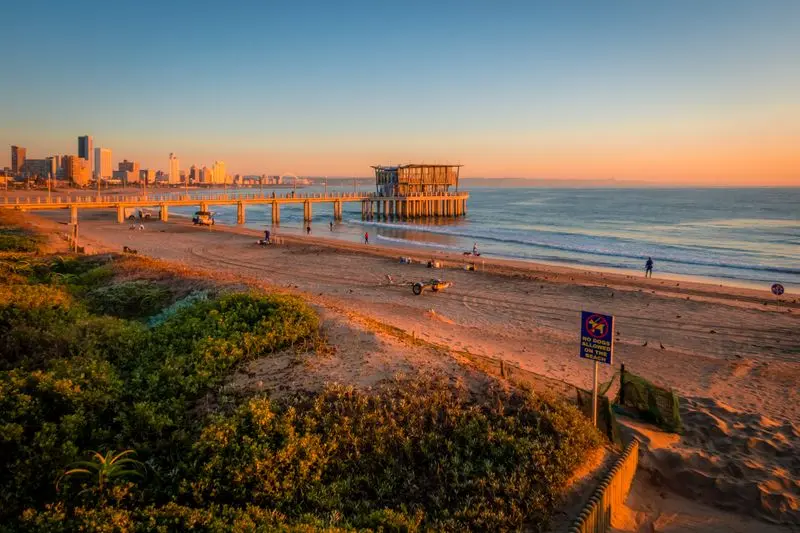
Things to Do in Durban, South Africa
Photo made by Andrew Harvard on Pexels.com
When to visit
Most popular attractions in Durban, South Africa
When travelers ask about things to do in Durban, South Africa, the city delivers with oceanfront energy and cultural depth. Spend a day at uShaka Marine World, Africa's largest aquarium, where 10,000 sea creatures await. Walk the 6-kilometer Golden Mile promenade for Atlantic views and beachside stalls. Climb the 106-meter arch of Moses Mabhida Stadium for a panoramic skyline.
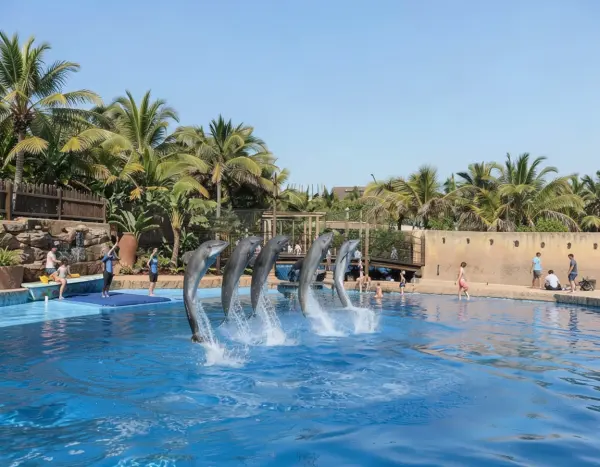
1. uShaka Marine World
A day here packs an aquarium, water slides, and beachfront fun into one sprawling complex. Expect to get splashed, soaked, and mesmerized by sharks circling a sunken ship.
Quick facts: The main aquarium tank holds 4 million liters of seawater and is one of the largest in the Southern Hemisphere. Five themed sections inside recreate different shipwrecks, taking visitors through mock hulls and passageways as they explore the marine life.
Highlights: Instead of a standard aquarium tunnel, visitors walk through a full-sized replica shipwreck where sharks, rays, and giant groupers drift past shattered portholes and cargo holds. The wreck experience ends with a slide that spirals you through a transparent tube into the middle of the fish-filled tank, a moment that feels more like a daredevil stunt than a museum visit.
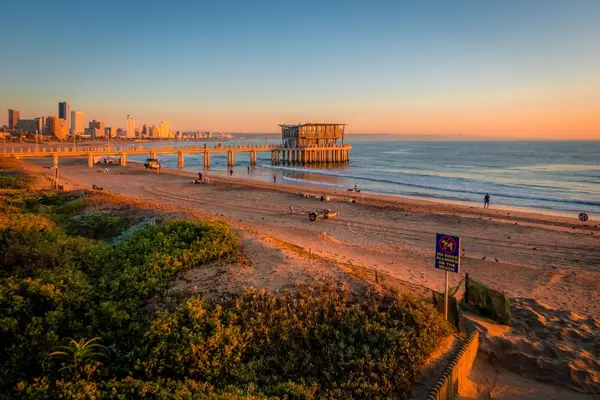
2. Golden Mile
A 6-kilometer oceanfront walkway with warm water swimming, street performers, and market stalls. Expect golden sands, friendly crowds, and a lively surf culture year round.
Quick facts: The promenade stretches roughly 6 kilometers along the Indian Ocean, connecting the harbor entrance to the popular uMhlanga area. Sea water along this stretch stays around 22°C year round, so swimming is comfortable in every season.
Highlights: At low tide, the tidal pools near the north end reveal starfish, crabs, and tiny reef fish in water shallow enough for toddlers to explore safely. Lifeguards set up daily flag systems that tell you exactly which swimming zones are safe, something few beachfronts anywhere are this organized about.
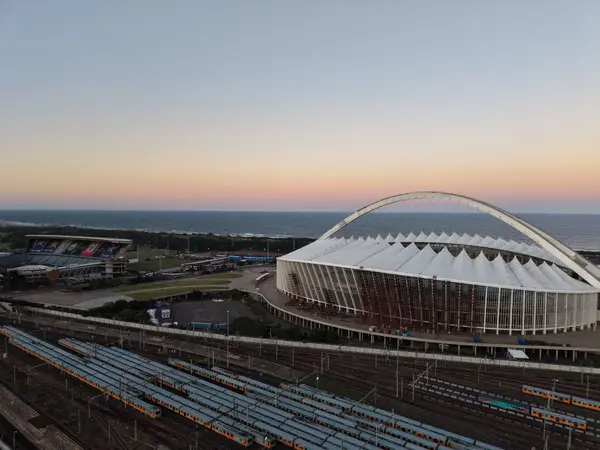
3. Moses Mabhida Stadium
Climb the arch for views that stretch from the Indian Ocean to the city skyline. Ride the cable car, brave the Bigrush swing, or walk the sky deck and feel the wind at 106 meters.
Quick facts: The sweeping 106-meter-high arch supports a 550-tonne cable car that shuttles visitors to a sky deck with panoramic views over the ocean and city. The stadium's roof is draped in a white tension membrane that mirrors the look of the South African flag when viewed from above.
Highlights: You can ride a glass-walled cable car up the inside of that massive arch, then step onto a sky deck where the Indian Ocean stretches out 100 meters below you. For the truly adventurous, a swing called the Bigrush drops you 80 meters off the arch with nothing but a harness between you and Durban's skyline.
4. Durban Botanic Gardens
South Africa's oldest surviving botanic garden packs 2 centuries of plant history into 15 peaceful hectares. Wander centuries-old trees, a Victorian orchid house, and lush lawns just minutes from the city center.
Quick facts: The gardens host one of the world's oldest cultivated cycad collections, with some specimens dating back to the early 1900s. It's also home to a massive 100-year-old Moreton Bay fig tree that spans nearly 40 meters across, making it one of the largest trees in the region.
Highlights: The orchid house here is a real showstopper, with a collection that includes species brought in from across tropical Africa and Asia, many of them blooming in vivid purples and golds. On a sunny morning, the glasshouse fills with warm, humid air and the scent of blossoms, and you can practically watch the light filter through the canopy of the historic fig tree right outside.
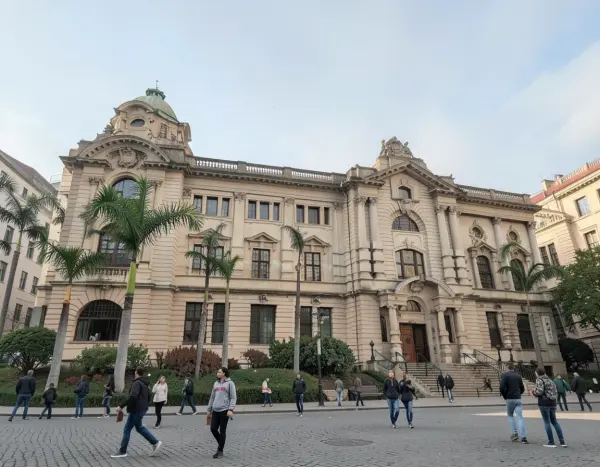
5. Durban Natural Science Museum
Marvel at a real coelacanth, a fish scientists thought vanished 66 million years ago. Wander past towering elephant skeletons and a centuries-old mummy, all inside one of Africa's grandest city halls.
Quick facts: Durban's natural history collection lives inside the City Hall's grand red brick landmark, a space that has fascinated locals since the early 1900s. Over 1.5 million specimens fill the halls, from mounted elephants to the famous coelacanth, a fish long thought extinct until a living one was caught off South Africa's coast in 1938.
Highlights: The enormous African elephant skeleton towering over the main hall was carted up from Dlinza Forest in the early 20th century, an epic haul that took months. There's also a life-sized replica of the coelacanth, the "living fossil" fish that stunned scientists worldwide when a local trawler pulled one from the water near East London.
6. Phansi Museum
Step into Africa's rich cultural heritage through thousands of stunning beadwork pieces and artifacts. You'll leave seeing the continent through entirely new eyes.
Quick facts: This museum houses one of the largest private collections of Southern African beadwork and cultural artifacts, with over 10,000 pieces on display. The collection represents more than 40 different ethnic groups across the region, making it a significant resource for understanding South African heritage.
Highlights: Among the thousands of artifacts, the museum's collection of Zulu beaded love letters is genuinely one of a kind. Each intricate pattern communicates a specific message, from romantic interest to rejection, and visitors can learn to decode these colorful woven languages from the guides.
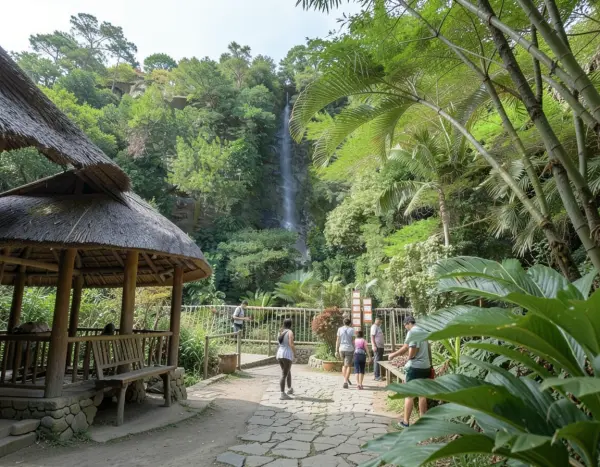
7. Umgeni River Bird Park
Wander through lush gardens where 800 free-flying birds zip past your shoulders and land right beside you. Daily feeding shows put you inches from flamingos, penguins, and brightly colored lories.
Quick facts: This park is home to over 800 birds representing more than 200 species, spread across lush subtropical gardens along the banks of the Umgeni River. It was one of the first bird parks in the world to focus on free-flight aviaries rather than caged displays, allowing birds to roam in naturalistic habitats.
Highlights: The walk-through aviaries let toucans, hornbills, and crowned cranes fly just inches above your head, with some birds comfortable enough to perch on railings beside you. Daily feeding sessions and keeper talks bring you face to face with penguins, owls, and colorful lories that will land on your shoulder if you stand still long enough.
8. Florida Road
A leafy strip packed with more than 100 eateries, galleries, and boutiques. Expect long coffee sessions, lively sidewalk tables, and a market that fills the road on weekends.
Quick facts: This 1.2-kilometer stretch of road connects the suburbs of Windermere and Morningside, threading past more than 100 shops, cafes, and galleries. The avenue runs roughly parallel to the Indian Ocean, only about 2 kilometers inland from the beachfront promenade.
Highlights: On Saturday mornings, the road transforms as vendors set up the Florida Road Market, a food and craft gathering that draws crowds for its bunny chow and artisanal bread. A string of restored Victorian and Edwardian buildings gives the strip a distinct character, with several converted into restaurants where you can eat under original pressed-metal ceilings.
What to pre-book in Durban
These sell out or need a reservation. Book them first, in this order.
- 1.uShaka Marine WorldBook a day aheadA day or two ahead in peak summer holidays
Where to Stay in Durban, South Africa
Selected by City Buddy based on guest reviews and proximity to top attractions
Search all hotels in Durban, South AfricaPowered by agoda
Opening days in Durban, South Africa
Which of the top sights close on which day of the week — the classic trip-ruiner, checked for you.
Sunday: 1 of 6 top sights closed — plan museums for another day.
Closed on Sunday · 1 closed, 5 open
Opening days from Google Maps (checked 2026-10-12). Public holidays, strikes and seasonal hours can differ — check the official website before you go.
Traditional Sweet Dishes
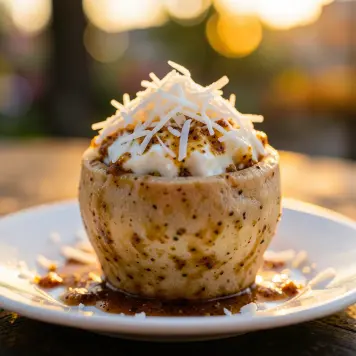
Bunny Chow with Sweet Coconut
While bunny chow is usually savory, a sweet version filled with spiced coconut is a beloved Durban dessert. It showcases the city's famous Indian influence in a uniquely sweet way.
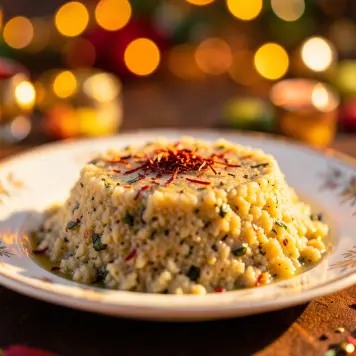
Soji
Soji is a semolina-based sweet pudding often made with cardamom, saffron, and ghee, served at Indian weddings and festivals across Durban. It is a comforting, fragrant treat that has been part of local celebrations for generations.
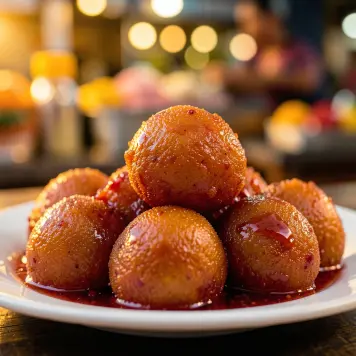
Gulab Jamun
These deep-fried milk dumplings are soaked in a rose-scented sugar syrup and are a staple at Durban sweet shops. The name literally means "rose berry" in Hindi, reflecting the floral syrup they're bathed in.
Traditional Savory Dishes
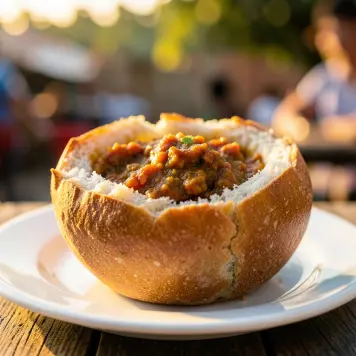
Bunny Chow
Bunny chow is a hollowed-out loaf of bread filled with spicy curry, born in Durban's Indian community over a century ago. It was originally made for workers who needed a portable, filling meal without cutlery.
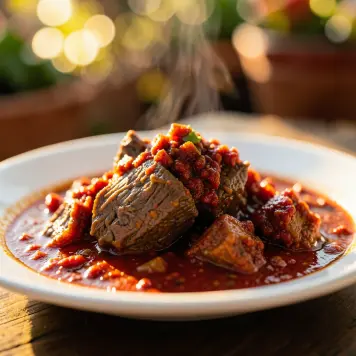
Durban Lamb Curry
This fiery curry is defined by the use of Durban masala, a unique spice blend with roots in the city's Indian indentured laborer history. It is known for its deep red color and intense, slow-building heat.
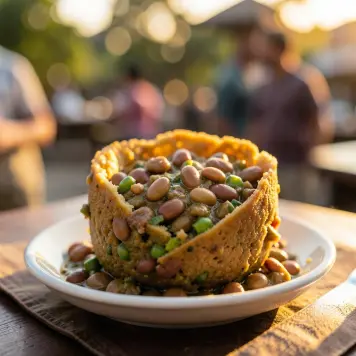
Bunny Chow with Beans
The bean bunny chow is the original and most traditional version, predating meat fillings. It remains a vegetarian favorite and a testament to the dish's humble beginnings among Indian laborers in Durban.
Traditional Beverages
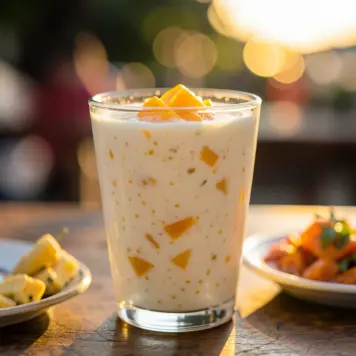
Mango Lassi
A creamy yogurt-based drink blended with sweet mango pulp, this is a refreshing staple at Durban's Indian restaurants. It perfectly balances the heat of local curries with its cool, sweet flavor.
Masala Chai
Durban's masala chai is brewed with a bold mix of ginger, cardamom, cloves, and cinnamon, and is served piping hot from roadside stalls. It is a daily ritual for many locals, especially during the cooler coastal evenings.
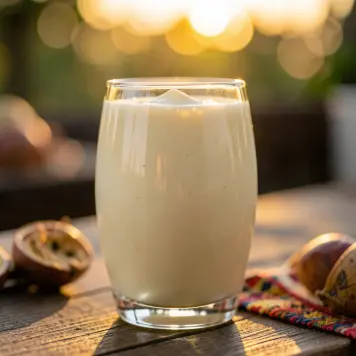
Amarula Cream
While Amarula is South African nationwide, it is especially beloved in Durban as an after-dinner treat. This creamy liqueur is made from the fruit of the marula tree, which elephants are famously known to enjoy in the wild.
Frequently Asked Questions about Durban, South Africa
Is Durban, South Africa safe?
How many days in Durban, South Africa?
Best time to visit Durban, South Africa?
Is Durban, South Africa expensive?
How to get around Durban, South Africa?
Get a PDF with the most popular attractions sent to your email
Get a PDF with all attractions, ratings, and tips. Perfect for offline use.
Most popular day trips
Umhlanga Rocks
Upscale beach resort town with iconic lighthouse and promenade
Valley of 1000 Hills
Scenic hill region with Zulu cultural villages and craft markets
Ballito
Popular coastal town with family beaches and dolphin spotting
Pietermaritzburg
Historic Victorian city with botanical gardens and museums
Hluhluwe-Imfolozi Park
Oldest game reserve in Africa, famous for rhino conservation
Getting there
Train stations
Shosholoza Meyl long distance rail, Metrorail commuter lines to coast
Metrorail lines connecting north coast suburbs
From King Shaka Airport take the N2 highway south, about 35 km to the city center. Airport shuttle and metered taxis are available at terminal arrivals.
Useful information for Durban, South Africa
Overview for Durban, South Africa
Want a day-by-day plan for Durban, South Africa? Open the trip planner
Plan your perfect trip to Durban, South Africa
Get a complete travel plan built just for you in under 30 seconds, with daily routes, local food tips, budget estimates and more.
Are any of these especially important to you?
Select all that apply
Getting around
How do you want to move between places?
Plan language: English