 CityBuddy
 English
Tourist scams and rip-offs in Seoul, South Korea: how to avoid them
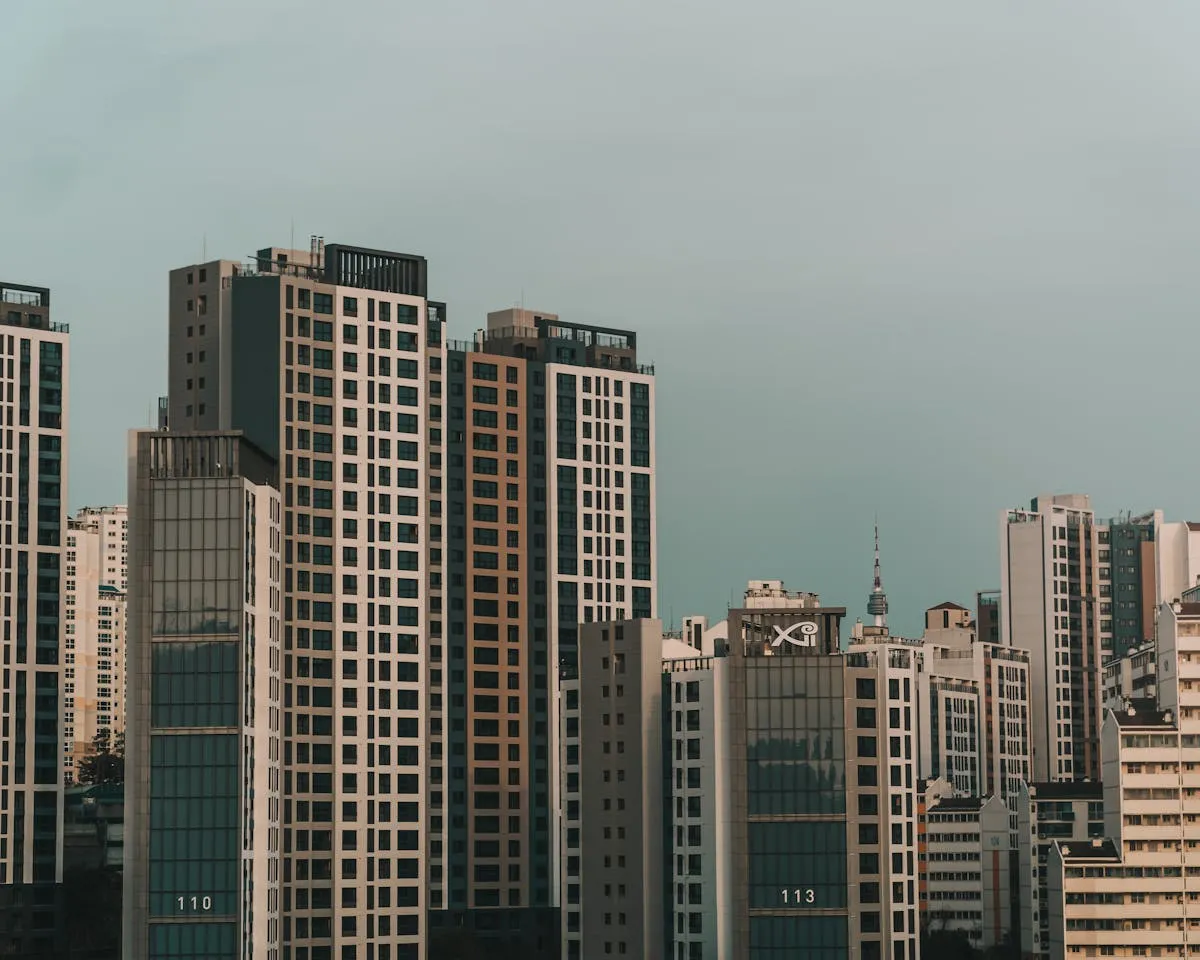
Photo made by Jakob Jin on Pexels.com
Seoul is a safe and orderly city for tourists, with low violent crime and helpful transport. The main risks are tourist-area overcharging, taxi fare issues, and common street scams around markets and stations. Pay by card where possible, use official taxi ranks and airport buses, and validate your transit ticket correctly.
Updated October 2026
Common scams in Seoul, South Korea and how to avoid them
1. Unlicensed drivers and meter issues
How it works: Drivers outside the terminal or near stations may quote flat inflated fares or refuse the meter. Some run longer routes to raise the fare, especially late at night.
How to avoid it: Use the official taxi rank and insist the meter runs. Check the route on your phone. Prefer KakaoTaxi or T map Taxi for fair metered rides.
2. Poor-rate exchange booths
How it works: Booths near Myeongdong and tourist hubs advertise eye-catching rates but hide fees, or quote rates well below the bank rate for cash exchanges.
How to avoid it: Compare the interbank rate and prefer banks or well-known money changers in the main shopping streets that post honest rates.
3. Persistent street vendors and touts
How it works: Vendors near markets may overcharge tourists or push items aggressively, with prices marked up once you show interest.
How to avoid it: Check prices clearly before buying and walk on if pressured. Compare a couple of stalls before committing.
4. Tourist area menu overcharging
How it works: Some restaurants in tourist zones list prices without tax or add unexpected charges, or quote a price in English higher than the Korean menu.
How to avoid it: Ask for the Korean menu and confirm the final price including tax before ordering.
5. Unauthorized tour and transfer sellers
How it works: People near the airport or major sights may sell overpriced tours, tickets, or private transfers at inflated prices compared to official operators.
How to avoid it: Buy transit cards and tickets from official machines, counters, or the official airport bus and official tour desks only.
Official tickets for the top sights in Seoul, South Korea
Skip street sellers: book official tickets and tours with free cancellation.
From the airport to the city centre
Incheon International Airport
Fair taxi price (official, daytime): ₩65,000 - ₩75,000 (€44 - €51). Use the official taxi rank outside arrivals, not drivers approaching inside the terminal. Metered fare to central Seoul is roughly 65000 to 75000 KRW daytime. International taxis may charge more.
Best alternative: AREX express train to Seoul Station, or the official airport limousine bus (₩9,500 (€6.50), about 50 min)
Public transport: tickets, validation and fines
- Single ticket
- ₩1,400 (€0.96) (A single subway or bus ride is about 1400 KRW prepaid, or 1500 with a T-money card single fare being lower.)
- Validation rules
- Tap your T-money card or contactless card on the gate at entry and exit. Exit taps calculate the exact fare. Single-ride paper tickets are validated at the gate turnstile.
- Fine without a valid ticket
- ₩30,000 (€20.52). Traveling without a charged or tapped card can draw a fine; checks happen at gates. Always tap in and out fully.
- Paying by card
- Contactless bank cards and mobile transit cards work on gates and buses. T-money has no daily cap, so no need to worry about overcharging.
Tipping and service charges
Tipping: No tipping is expected in restaurants, taxis, or tours. Service is included in the bill. Rounding up is not required.
Cover and service charges: No cover or service charge is normally added, but some bills include service. Always check the menu for published prices, as tourist-area restaurants may list prices without tax.
Cards, ATMs and currency exchange
Use bank-attached ATMs inside banks or major convenience stores, not standalone independent machines. Always choose to be charged in KRW, not your home currency, and decline dynamic currency conversion.
Areas where extra care is advised
- Itaewon: Around the main nightlife streets late at night, keep bags closed and watch drinks. It is generally safe but has a higher number of petty theft reports than elsewhere.
- Seoul Station area: Near the station late at night, keep bags closed and be alert, as pickpocketing is occasionally reported around crowds and transit entrances.
Emergency number
112
Planning your budget?
Frequently Asked Questions about Seoul, South Korea
Is Seoul, South Korea safe for tourists?
How much is a taxi from the airport to the centre of Seoul, South Korea?
Do I need to validate public transport tickets in Seoul, South Korea?
Is tipping expected in Seoul, South Korea?
What is the emergency number in Seoul, South Korea?
Based on widely reported traveler experiences and official advice. Prices are approximate and change; check current fares on arrival. Updated October 2026.