 CityBuddy
 English
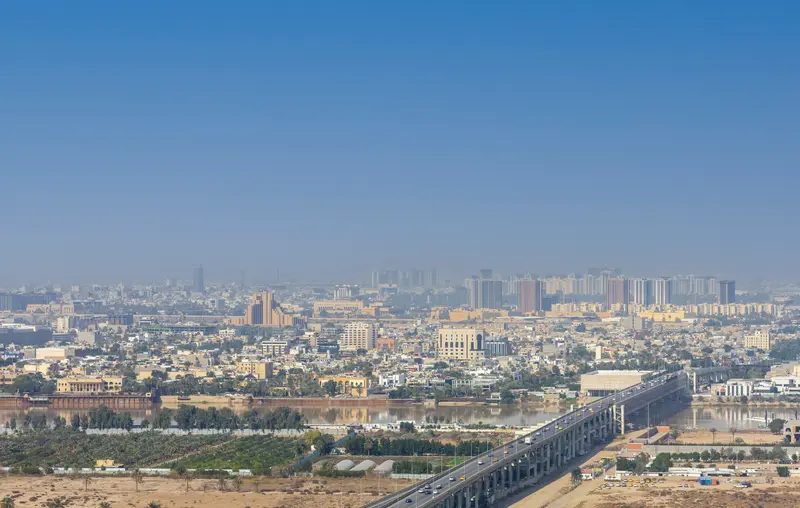
Things to Do in Khartoum, Sudan
Photo made by Muhammad Nabeel on Pexels.com
When to visit
Most popular attractions in Khartoum, Sudan
The top things to do in Khartoum, Sudan center on three unmissable experiences. Start at the Sudan National Museum, where 150,000-year-old artifacts and the ancient temples of Buhen and Semna stand frozen in time. Then watch the Blue and White Nile merge at the Confluence, a sight best seen from Al-Mogran Family Park, where families picnic amid the swirling currents.
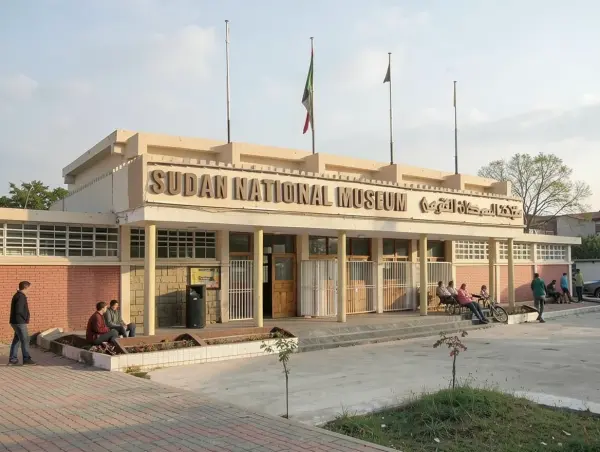
1. Sudan National Museum
Sudan's greatest trove of Nubian treasures sits right on the Nile, waiting to be discovered. Wander through halls of gold, pottery, and mummies, then step outside to touch temples older than Rome.
Quick facts: More than 1,500 artifacts trace Sudan's history from prehistoric times through the Christian and Islamic eras, including some of the world's richest Nubian archaeological finds. The museum's outdoor garden preserves entire temples, including one rescued from the rising waters of Lake Nasser during the Aswan High Dam construction.
Highlights: You can walk inside a 4,000-year-old temple that was cut into stone blocks and reassembled here, with original carvings still pressing into your fingertips. The temple of Buhen, a Middle Kingdom fortress shrine, survived the Aswan Dam flooding only because engineers dismantled and shipped it piece by piece down the Nile to this garden.
2. Confluence of the Blue and White Nile
Witness two mighty rivers merge into one visible ribbon of contrasting water. Feel the spray on your face as the currents clash below the Tuti Island bridge.
Quick facts: Blue and White Nile waters join here without instantly mixing, creating a visible two-tone stripe that drifts downstream for kilometers. At the confluence, the Blue Nile carries roughly 90% of the total flow, while the White Nile flows more gently and steadily year-round.
Highlights: Stand at the tip of Tuti Island and watch the two currents collide, the darker Blue Nile shoving against the paler White Nile with a visible seam between them. On clear days the color contrast is sharp enough that locals joke you can see where one river ends and the other begins.
3. Al-Mogran Family Park
Watch two great rivers collide right before your eyes at a family-friendly riverside escape. Wander shaded paths, ride the Ferris wheel, and picnic with a front-row view of the Nile confluence.
Quick facts: Al-Mogran Family Park sits at the confluence where the Blue Nile and White Nile rivers merge into the main Nile, one of the few spots on Earth where two major rivers visibly join. The surrounding area holds the Al-Mogran landmark, a set of three distinctive monuments representing the three Niles that flow together here.
Highlights: The park's riverside walk offers a direct view of the spot where the Blue Nile's darker, sediment-rich waters meet the White Nile's lighter flow, creating a visible two-toned boundary that shifts as you watch. Across the water you can see Tuti Island, an agricultural oasis in the middle of the Nile that boats continuously ferry residents and visitors between.
4. Khartoum Grand Mosque
Stand at the meeting point of two great rivers and step into a working heart of the city's spiritual life. Prayers, community gatherings, and the daily rhythms of Khartoum all unfold around this quiet, central landmark.
Quick facts: The mosque stands along El Baladiya Avenue in central Khartoum, where the Blue Nile and White Nile rivers converge just a short distance away. Its tall minaret serves as a visual anchor in the city's skyline, and the structure functions both as a place of worship and a community organization hub.
Highlights: The minaret's silhouette is part of a wider sightline toward the confluence of the two Niles, so you can almost see the rivers from the prayer hall's upper windows on a clear day. Friday sermons here often draw a dense, cross-generational crowd, and the call to prayer echoes down El Baladiya Avenue in a way that momentarily pauses the street's constant motion.
5. Omdurman Camel Market
Watch centuries-old trading rituals unfold among thousands of animals. Noisy auctions, desert camel caravans, and an authentic slice of Sudanese culture.
Quick facts: Every Friday and Sunday, hundreds of camels, sheep, and goats are herded through the dusty streets to this sprawling open-air trading ground on the western bank of the Nile in Omdurman. Buyers haggle in Arabic over animals that have trekked hundreds of kilometers across Sudan's deserts to reach the market.
Highlights: The auction ritual itself is the real show: sellers lead animals in circles while buyers inspect teeth, humps, and hooves, with negotiations conducted through a rapid-fire auctioneer who settles deals in seconds. On market days the air fills with the smell of hay and dung, the noise of braying animals, and the sight of camel trains arriving from as far as Darfur and Kordofan.
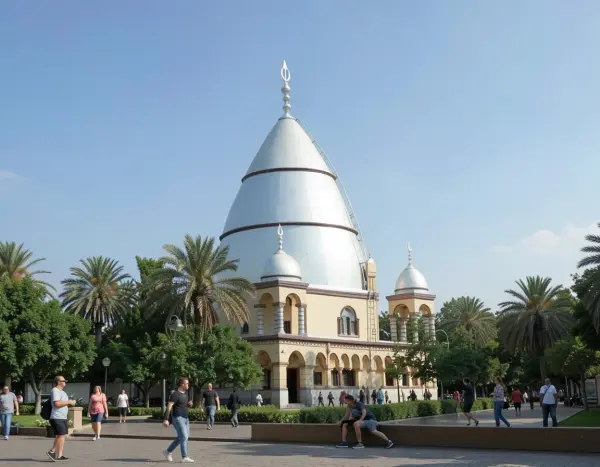
6. Khalifa House Museum
Step inside the very building where Sudan's Mahdist revolution was directed. Ancient weapons, royal garments, and fading soldier graffiti await across multiple floors of preserved history.
Quick facts: This two-story mud-brick residence served as the headquarters for the Mahdist leader during the late 1800s, and its walls have absorbed over a century of Sudanese history. The building survives as one of the few intact structures from that turbulent era in Omdurman's old quarter, with its rooftop saucer domes offering a commanding view of the surrounding streets.
Highlights: Look closely at the interior walls and you'll spot original graffiti and marks left by British soldiers who occupied the building after the 1898 battle, writing their names directly on the plaster. The collection includes personal effects that belonged to the Mahdi himself, including his actual robe and prayer beads, displayed alongside weaponry and manuscripts that survived the fall of the city.
7. Tuti Island
Step onto a leafy green pause in the middle of Khartoum's sprawling capital. Ferries shuttle you across for pocket change, and the island's sandy paths end at the very spot where two great rivers collide.
Quick facts: Two major rivers, the Blue and the White Nile, merge right at its northern tip, creating a visible line where their differently colored waters meet. Roughly 150 families live on the island, many gardening small plots of vegetables and fruits that supply Khartoum's markets.
Highlights: From the northern beach you can watch the exact point where the Blue Nile's darker, silt-heavy water collides with the White Nile's paler flow, a stripe of two tones that stretches downstream for kilometers. Locals call this confluence the "meeting of the two Niles," and on clear days the color boundary is sharp enough to photograph from shore.
Where to Stay in Khartoum, Sudan
Selected by City Buddy based on guest reviews and proximity to top attractions
Search all hotels in Khartoum, SudanPowered by agoda
Opening days in Khartoum, Sudan
Which of the top sights close on which day of the week — the classic trip-ruiner, checked for you.
Monday: 1 of 3 top sights closed — plan museums for another day.
Closed on Monday · 1 closed, 2 open
Opening days from Google Maps (checked 2026-10-16). Public holidays, strikes and seasonal hours can differ — check the official website before you go.
Traditional Sweet Dishes
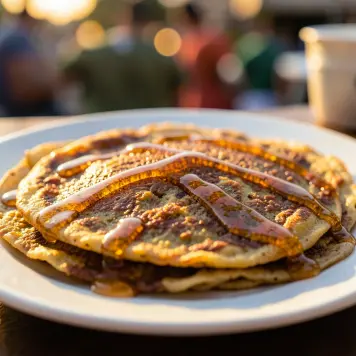
Kisra with Honey
Kisra, a thin fermented sorghum pancake, is more commonly savory, but when drizzled with local acacia honey it becomes a beloved street dessert in Khartoum. The honey comes from Sudan's famous beekeeping regions along the Nile.
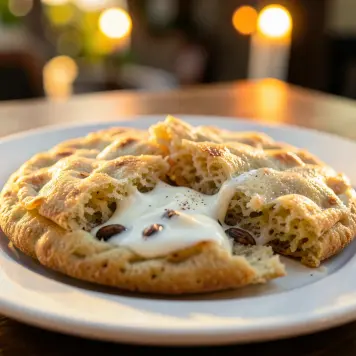
Gorraasa bil Asal
Gorraasa is a thick, spongy flatbread that Sudanese families often tear into pieces and soak in warm milk mixed with sugar and cardamom for a comforting dessert. It is especially popular during Ramadan evenings in Khartoum.
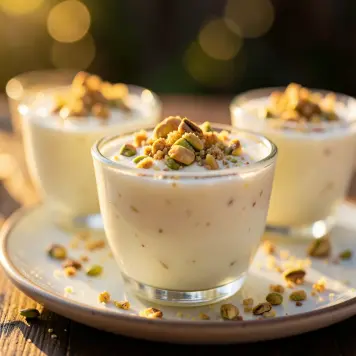
Mahalabiya
Mahalabiya is a silky milk pudding flavored with rosewater and pistachios, a dessert that traces its roots to medieval Arab cuisine. In Khartoum it is often served chilled in small glass cups and topped with crushed nuts.
Traditional Savory Dishes
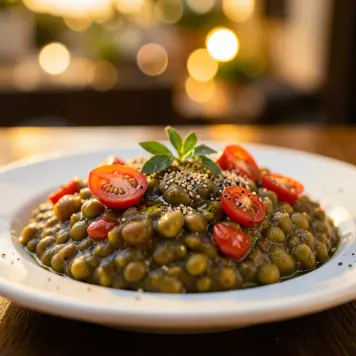
Ful Medames
Ful Medames, a slow-cooked fava bean stew, is the undisputed breakfast king of Khartoum, served with sesame oil, cumin, and fresh tomatoes. It is so deeply woven into daily life that it is practically the national dish of Sudan.
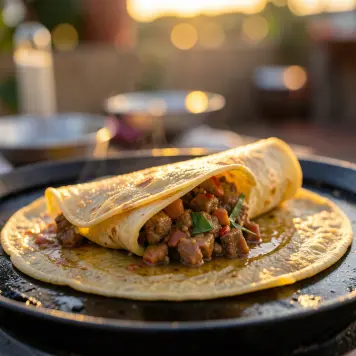
Kisra
Kisra, a paper-thin fermented sorghum pancake, is the traditional bread of Sudan and is folded or rolled to scoop up stews and meat dishes. Making it requires a skilled hand, as the batter must be spread ultra-thin on a hot griddle without tearing.
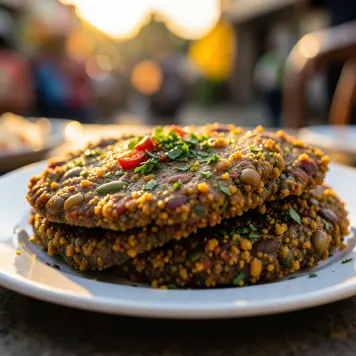
Tamiya
Tamiya, known elsewhere as falafel, is a crispy fried patty made from ground fava beans and herbs that is a beloved Khartoum street food. Unlike Egyptian versions, Sudanese tamiya is often flatter and spiced more boldly with coriander and chili.
Traditional Beverages
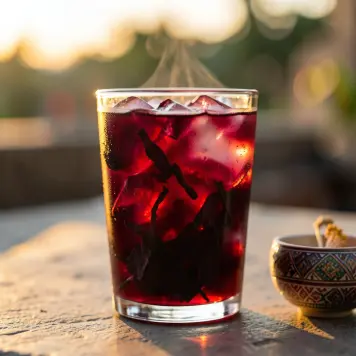
Hibiscus Tea (Karkade)
Karkade, a deep ruby-red infusion made from dried hibiscus petals, is Sudan's national drink and is served ice cold or piping hot. Khartoum is famous for producing some of the world's finest hibiscus, and the drink is said to lower blood pressure.
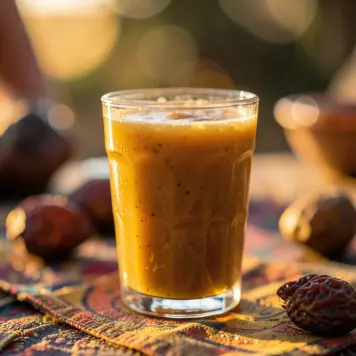
Aradaib Juice
Aradaib, also called the desert date or soapberry fruit, is boiled into a sweet-tart juice that is a treasured Sudanese refreshment. The fruit has a date-like flavor and is believed to help with digestion and fever relief in traditional medicine.
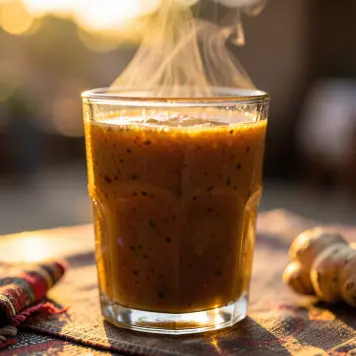
Ginger Drink (Zanjabeel)
Zanjabeel is a spicy, warming ginger infusion often sweetened with honey or sugar and enjoyed hot throughout Khartoum's cooler months. It is a popular home remedy for colds and is traditionally served to guests as a sign of hospitality.
Frequently Asked Questions about Khartoum, Sudan
Is Khartoum, Sudan safe?
How many days in Khartoum, Sudan?
Best time to visit Khartoum, Sudan?
Is Khartoum, Sudan expensive?
How to get around Khartoum, Sudan?
Get a PDF with the most popular attractions sent to your email
Get a PDF with all attractions, ratings, and tips. Perfect for offline use.
Most popular day trips
Meroe Pyramids
Ancient Nubian pyramid field with over 200 steep-sided royal tombs
Omdurman
Cultural capital with the Mahdi's Tomb and lively traditional souks
Sanganeb Reef
UNESCO marine national park offering world-class scuba diving
Jebel Barkal
Sacred mountain in Karima with ancient temples and royal tombs
Tuti Island
Lush river island at the Nile confluence with fresh local produce
Getting there
Airports
Train stations
Lines to Wadi Halfa, Port Sudan, and Atbara
Taxis and rickshaws are available at the airport. Negotiate fares in advance and use registered taxis for safety.
Useful information for Khartoum, Sudan
Overview for Khartoum, Sudan
Want a day-by-day plan for Khartoum, Sudan? Open the trip planner
Plan your perfect trip to Khartoum, Sudan
Get a complete travel plan built just for you in under 30 seconds, with daily routes, local food tips, budget estimates and more.
Are any of these especially important to you?
Select all that apply
Getting around
How do you want to move between places?
Plan language: English