 CityBuddy
 English
Things to Do in Turkey
Photo made by Cafer SEVİNÇ on Pexels.com
When to visit
Most popular attractions in Turkey
Things to do in Turkey include exploring the intricate mosaics of Hagia Sophia, standing within the vast courtyards of Topkapı Palace, and wandering the cave churches at Göreme Open-Air Museum. Each offers a unique glimpse into the country’s vast history, with Ephesus’ Library of Celsus just 18 kilometers away from modern Selçuk.
1. Hagia Sophia
Istanbul
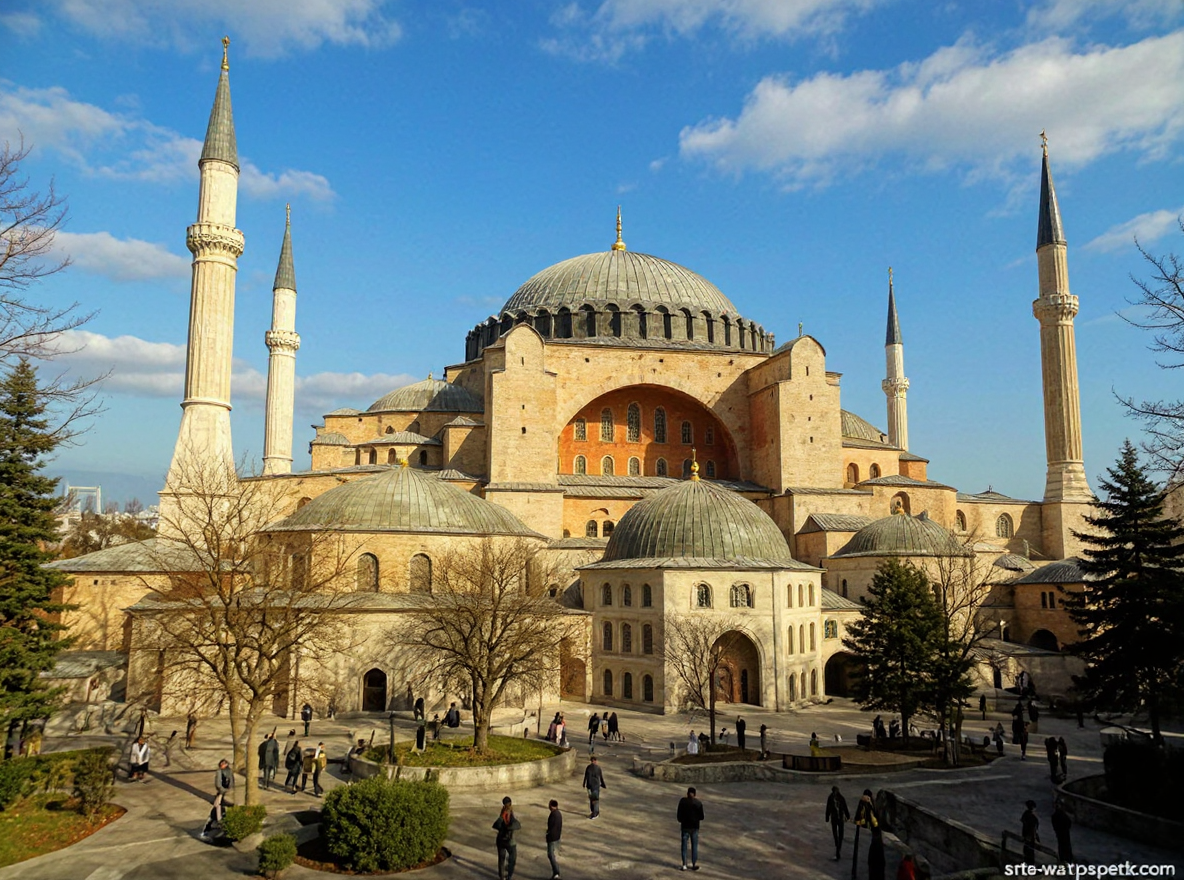
Experience awe under a gravity-defying dome that's a masterpiece of architectural innovation. Walk through centuries of art blending spirituality and empire.
Quick facts: An immense dome appears to float over a vast nave, an architectural marvel that inspired buildings worldwide. Layers of history reveal themselves in the blend of Christian mosaics and Islamic calligraphy found within.
Highlights: Look up to see a gigantic dome nearly 31 meters wide that seems to defy gravity, supported by invisible pendentives. Discover the unique coexistence of Byzantine artistry with Ottoman inscriptions, a rare visual story of cultural fusion.
2. Topkapı Palace
Istanbul
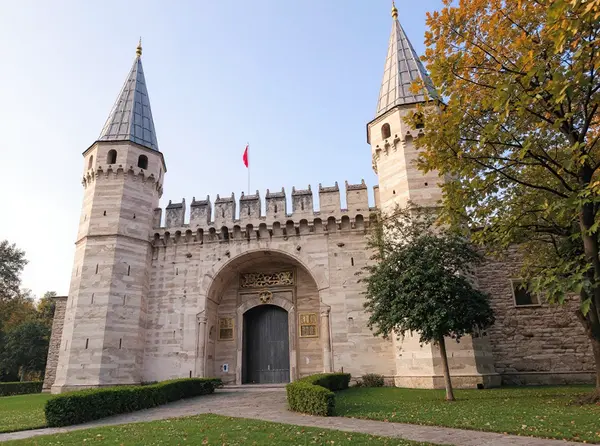
Step into a world of Ottoman grandeur and dazzling treasures. Experience serene gardens, intricate tile work, and royal secrets behind ancient walls.
Quick facts: Massive palace complex spans over 700,000 square feet, incorporating lush gardens and dozens of ornate buildings. Visitors can marvel at priceless artifacts like the Topkapı Dagger and the Spoonmaker's Diamond, one of the largest diamonds in the world.
Highlights: A glimpse inside the Harem reveals lavishly decorated chambers where sultans and their families lived, offering an intimate peek into royal life. The palace treasury sparkles with jewels and priceless relics, showcasing Ottoman opulence in colorful detail.
3. Göreme Open-Air Museum
Göreme
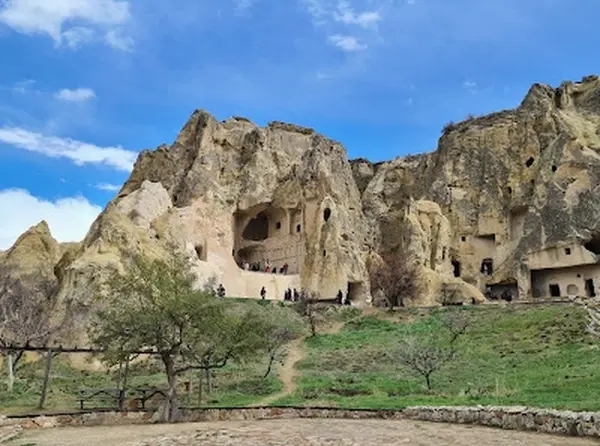
Step into stunning cave churches with vibrant ancient frescoes. Experience a unique underground world rich in history and artistry carved in stone.
Quick facts: Over 30 rock-cut churches and chapels showcase stunning frescoes dating from the 10th to 12th centuries. The site served as a monastic complex where early Christians lived in cave dwellings and worshipped in carved sanctuaries.
Highlights: One church holds an astonishing series of frescoes depicting biblical scenes with vivid colors that have remarkably survived centuries without restoration. Exploring narrow tunnels and cave chambers gives a tactile sense of ancient monastic life carved directly into soft volcanic rock.
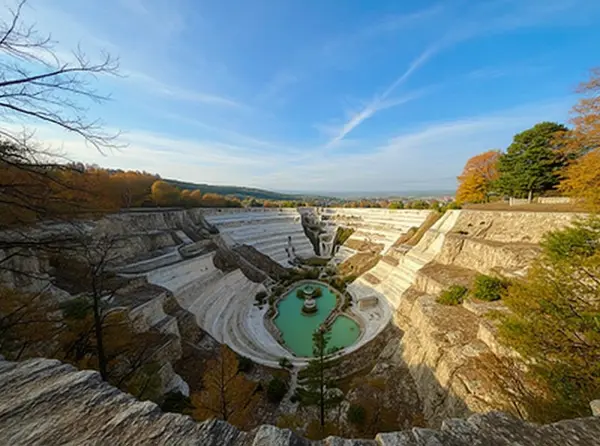
4. Pamukkale & Hierapolis
Denizli
Experience surreal white mineral terraces with warm thermal pools. Walk ancient streets and dip in healing waters steeped in history.
Quick facts: Thermal waters create surreal white terraces resembling frozen waterfalls, formed from calcium-rich spring water. Ancient ruins lie just above these terraces, where you can stroll through well-preserved streets and even bathe in historic thermal pools.
Highlights: Nearby ancient theaters and temples blend history with nature, especially the Roman theater with views over the white terraces. Hippocrates, the father of medicine, reportedly healed people in thermal waters here, adding a legendary healing aura.
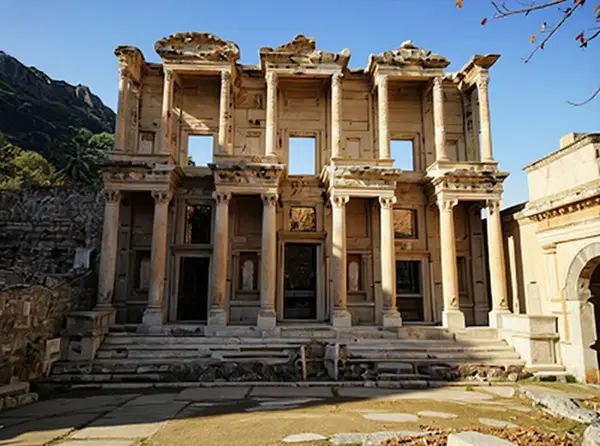
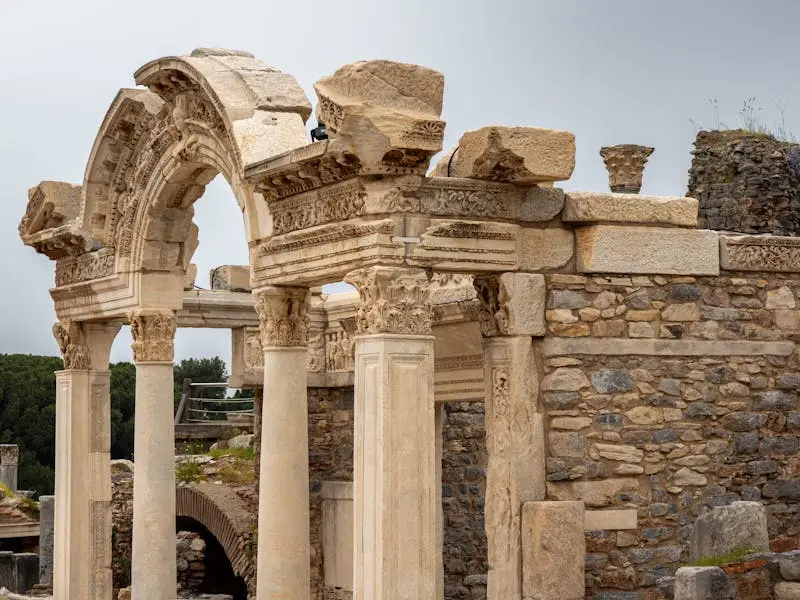
5. Ephesus — Library of Celsus
Selçuk
Discover an ancient architectural marvel revered for its grandeur and history. Walk through beautifully carved stone columns and statues that bring ancient wisdom to life.
Quick facts: The facade you see today once housed over 12,000 scrolls, making it an ancient knowledge hub. Its stunning architectural details blend Roman and Greek design, showcasing intricate carvings and statues.
Highlights: Imagine stepping into a building with a two-story facade adorned with four pairs of Ionic columns and statues representing Wisdom, Knowledge, and Virtue. The library was uniquely designed not only as a book storage but also as a monumental tomb for Celsus beneath the main floor.
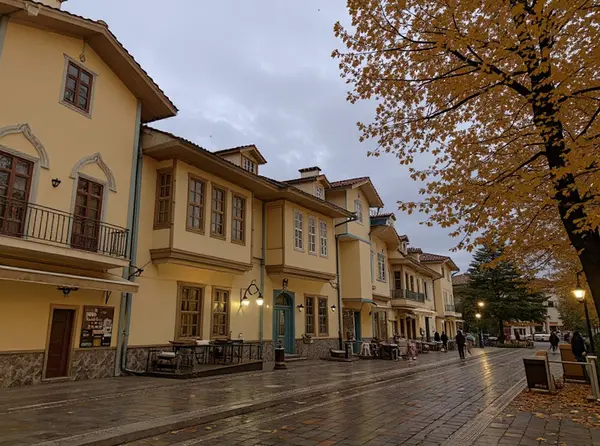
6. Kaleiçi — Antalya Old Town
Antalya
Step into a living mosaic of cultural layers and vibrant street scenes. Experience ancient arches, cozy cafes, and a seaside charm that transports you through time.
Quick facts: Narrow cobblestone streets weave through a maze of ancient stone houses, creating a charming blend of history and lively street life. A big Roman harbor once thrived here, and remnants of arches and walls peek through modern buildings.
Highlights: Unique architecture mixes Byzantine, Roman, and Ottoman influences, with the iconic Hadrian's Gate standing proudly as a massive triumphal arch. Wandering by the old marina, you can almost hear the bustling trade and sea shanties from centuries ago.
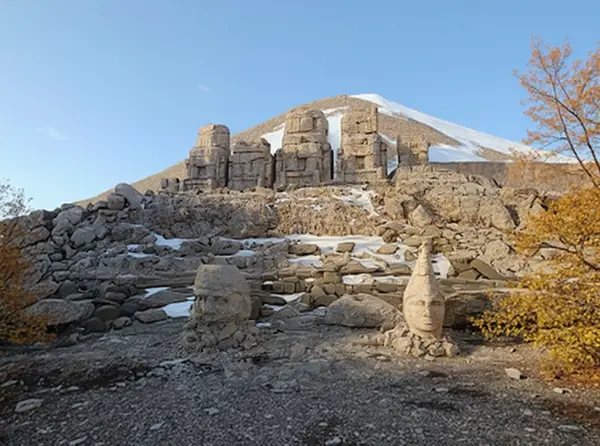
7. Mount Nemrut
Kahta
Witness colossal stone heads set against stunning mountain views. Experience magical light show at sunrise or sunset that animates ancient history.
Quick facts: Giant stone heads over 8 feet tall stare across the mountaintop, each carved with incredible detail. The summit forms a surreal landscape where ancient statues mingle with spectacular sunrises and sunsets.
Highlights: The heads originally adorned the tomb of a powerful king, a striking testament to royal power and divine connection. At dawn or dusk, the golden light gives these colossal faces a ghostly glow, creating almost mystical vibes.
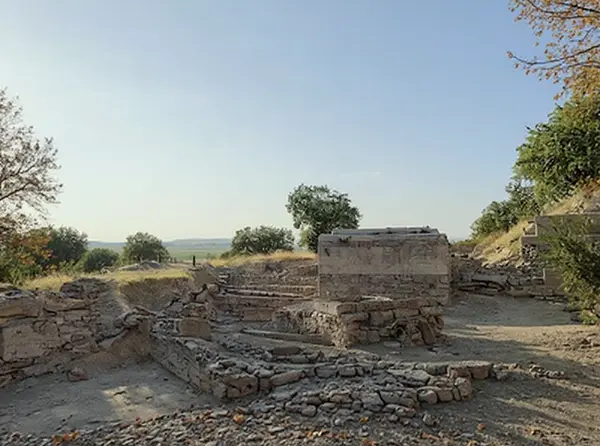
8. Troy
Çanakkale
Experience the echoes of ancient legends in every stone. Walk the paths where heroes and gods once clashed.
Quick facts: A famous bronze mask was discovered here, thought to be linked to legendary heroes. The site reveals nine different layers of ancient cities piled on top of each other.
Highlights: Ruins include a massive wooden horse replica that brings ancient tales to life. Visitors can wander through ancient walls that once defied sieges lasting a decade.
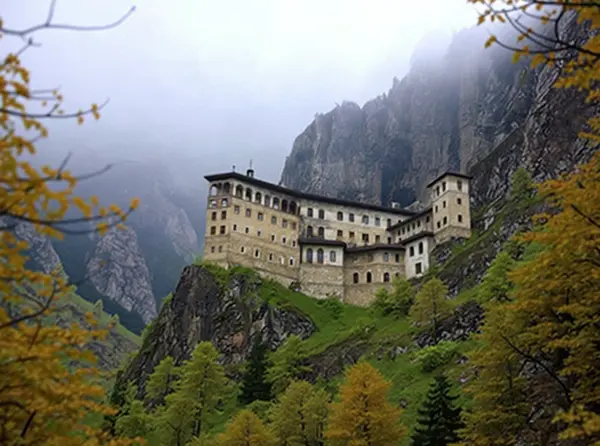
9. Sumela Monastery
Maçka
Explore a monastery carved into sheer rock cliffs with vivid ancient frescoes. Experience breathtaking views and a mysterious atmosphere that feels untouched by time.
Quick facts: Clinging dramatically to a steep cliff face, it houses stunning frescoes that have resisted centuries of weathering. The winding staircases and narrow balconies offer breathtaking views of the lush green forest below.
Highlights: A tiny chapel dedicated to the Virgin Mary inside the monastery is adorned with 16th-century frescoes showing intricate biblical scenes in vibrant colors. Visitors often pause at the balcony viewpoint where the entire valley unfolds like a lush, living painting.
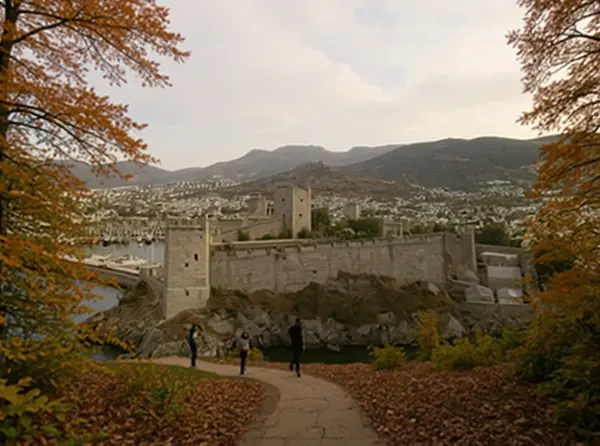
10. Bodrum Castle
Bodrum
Discover incredible medieval architecture right by the sea. Experience stunning views and a journey through stories of knights and ancient battles.
Quick facts: The castle features massive walls stretching over 1 kilometer, offering panoramic views of the sea. More than 1000 years of history are etched into its stone, including tales of knights and sieges.
Highlights: Secret underwater tunnels connect the fortress to the harbor, once used for covert evacuations. At sunset, the castle glows golden, casting dramatic shadows over ancient cannons and the vibrant marina below.
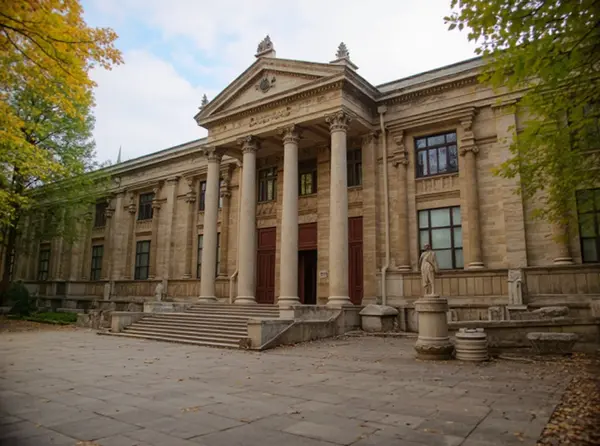
11. Istanbul Archaeological Museums
Explore over a million relics capturing ancient empires' stories. Experience stunning sculptures and rare artifacts up close, all just steps from the city’s heart.
Quick facts: More than a million artifacts are split across three buildings showcasing ancient civilizations of Anatolia, Mesopotamia, and the Mediterranean. Visitors can marvel at the oldest known peace treaty inscribed on a 13th-century BC clay tablet.
Highlights: A standout exhibit is the Alexander Sarcophagus, carved in exquisite detail with scenes of Alexander the Great’s battles and hunts. The museum's gardens display massive stone statues and tumuli, offering a tactile journey through history under the open sky.
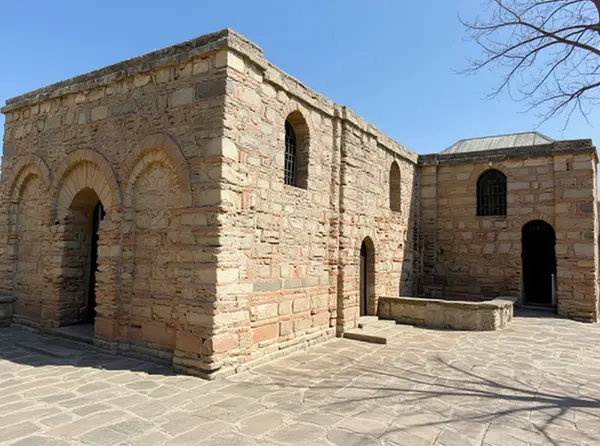
12. Visit the House of Virgin Mary
Experience a serene spot where history and faith converge. Feel the peaceful aura, drink healing spring water, and enjoy sweeping hills views.
Quick facts: Only about 7 kilometers from Ephesus ruins, this small stone chapel sits atop Mt. Koressos, drawing pilgrims of various faiths. Thousands believe the Virgin Mary lived her final days here, an idea that blends Christian tradition with local Turkish culture.
Highlights: A well near the chapel constantly produces water believed to have healing properties, attracting visitors who fill their bottles and touch the ancient wooden door for blessings. The site is serenely framed by cypress and pine trees, offering quiet moments with panoramic views of rolling hills and distant sea.
Where to Stay in Turkey
Selected by City Buddy based on guest reviews and proximity to top attractions
Search all hotels in TurkeyPowered by agoda
Opening days in Turkey
Which of the top sights close on which day of the week — the classic trip-ruiner, checked for you.
Tuesday: 1 of 10 top sights closed — plan museums for another day.
Closed on Tuesday · 1 closed, 9 open
Opening days from Google Maps. Public holidays, strikes and seasonal hours can differ — check the official website before you go.
Traditional Sweet Dishes
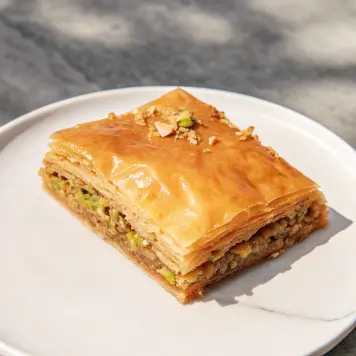
Baklava
Layers of thin phyllo pastry, chopped pistachios or walnuts, and sweet syrup make baklava instantly recognizable, it became widely popular in the Ottoman court and remains a centerpiece of celebrations.
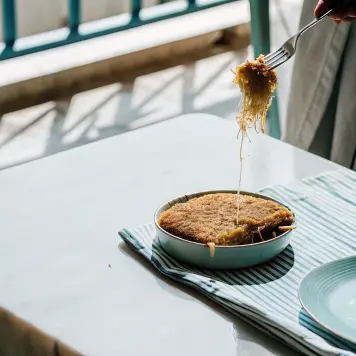
Künefe
Künefe is a hot dessert of shredded kadayıf pastry layered with melted cheese and drenched in syrup, it is especially associated with the Hatay region and prized for its contrast of crunchy and gooey textures.
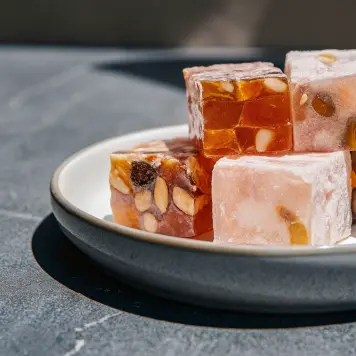
Lokum (Turkish Delight)
Lokum is a gelatinous, rosewater or citrus flavored candy often studded with nuts, it has been made in Turkey for centuries and is commonly given as a traditional gift.
Traditional Savory Dishes
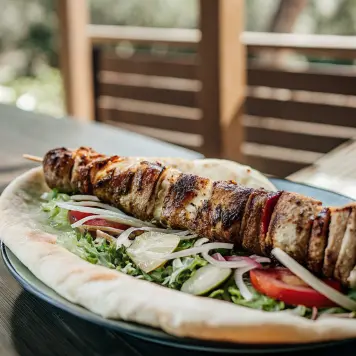
Döner Kebap
Döner is sliced meat cooked on a rotating vertical spit, it originated in Ottoman-era Bursa and later became one of Turkey's most famous street foods around the world.
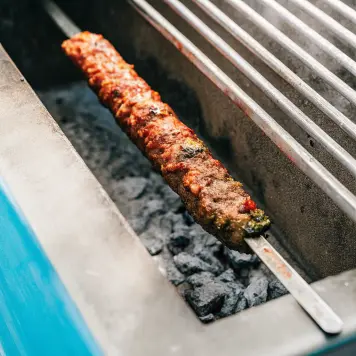
Adana Kebab
Adana kebab is a spicy hand-minced lamb skewer named after the city of Adana, it is known for its bold red pepper seasoning and smoky char from open-fire grilling.
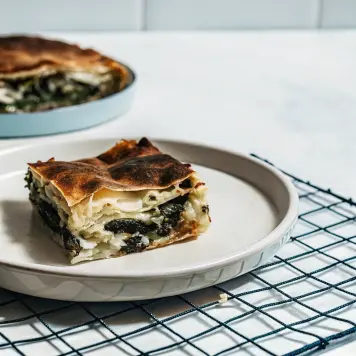
Börek
Börek is a flaky savory pastry made from yufka or phyllo and filled with cheese, meat, or vegetables, it traces back to Ottoman cuisine and is eaten for breakfast, snacks, and gatherings.
Traditional Beverages
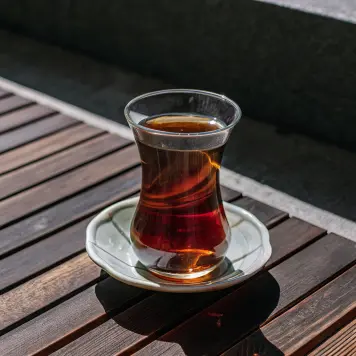
Çay (Turkish Tea)
Çay is strong black tea brewed in a double teapot and served in tulip-shaped glasses, it is central to Turkish hospitality and social life across the country.
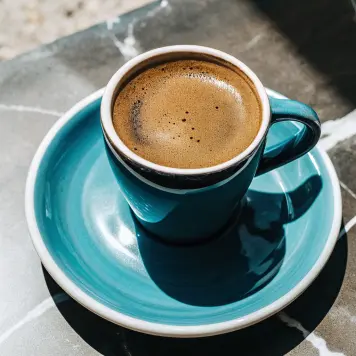
Turkish Coffee
Turkish coffee is finely ground, unfiltered coffee brewed to produce a thick, strong cup with grounds in the bottom, it is recognized by UNESCO as an intangible cultural heritage and often used for fortune telling.
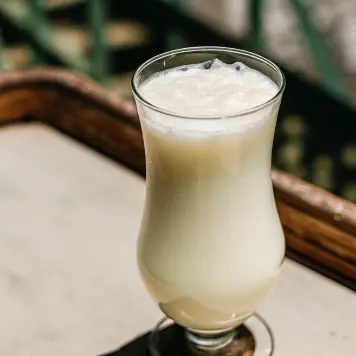
Ayran
Ayran is a simple salted yogurt drink that is refreshingly cooling, it is commonly paired with grilled meats and is considered one of Turkey's national drinks.
Know before you go
What a day costs in Turkey, and the rip-offs to avoid
Top rip-offs to avoid
- Meter tampering or flat-rate overcharging. Use the official taxi rank and insist the meter runs. Agree on the fare before starting if the driver refuses the meter.
- Poor-rate exchange booths and street changers. Use banks, official exchange offices at airports, or withdraw from bank ATMs. Compare the rate on your phone before exchanging.
- Menu without prices or surprise cover charge. Ask to see a menu with prices before sitting down. Check the bill item by item and question any unexplained charges.
Fair taxi from the airport: ₺1,200 - ₺1,500 (€22 - €27)
Cheaper option: Havaist airport shuttle bus to Istanbul city centre (₺200)
All scams, fair prices and rulesFrequently Asked Questions about Turkey
What are the best months to visit Turkey?
Is Turkey expensive to travel in?
How good is public transport in Turkey?
How many tourists visit Turkey each year?
How can I get around Turkey?
Get a PDF with the most popular attractions sent to your email
Get a PDF with all attractions, ratings, and tips. Perfect for offline use.
Most popular day trips
Cappadocia (Göreme / Nevşehir)
Fairy chimneys, cave churches, hot-air balloons at sunrise.
Safranbolu
Well preserved Ottoman town, cobbled streets, traditional houses.
Hattusa (Boğazkale)
Ancient Hittite capital, impressive ruins and rock reliefs.
Beypazarı
Historic market town, traditional architecture, local cuisine.
Getting there
Airports
Train stations
High-speed trains to Istanbul, Konya, Sivas; regional connections
Marmaray commuter line, links to European rail services and buses
From Esenboğa, take the Havaş shuttle or taxi to central Ankara, allow 30-60 minutes.
Visa & entry
EU countries, United States, United Kingdom, Japan, South Korea, Canada, Australia, Gulf states
Many African countries, some South Asian countries; check nationality-specific rules
Many travelers can use Turkey's e-Visa system; check requirements and apply before travel.
Useful information for Turkey
Overview for Turkey
Want a day-by-day plan for Turkey? Open the trip planner
Plan your perfect trip to Turkey
Get a complete travel plan built just for you in under 30 seconds, with daily routes, local food tips, budget estimates and more.
Are any of these especially important to you?
Select all that apply
Getting around
How do you want to move between places?
Plan language: EnglishMost popular itineraries for Turkey
Browse trip plans created by other travelers
5-Day Turkey Spring Cultural and Historical Odyssey
Discover Turkey's rich history and vibrant culture through immersive visits to iconic museums, ancient sites, and authentic local traditions, all perfectly planned for a springtime adventure.
18-Day Turkey Immersive Culture & History Tour
Discover Turkey's rich history and vibrant culture through ancient ruins, majestic palaces, timeless museums, and traditional experiences across 18 unforgettable summer days.