 CityBuddy
 English
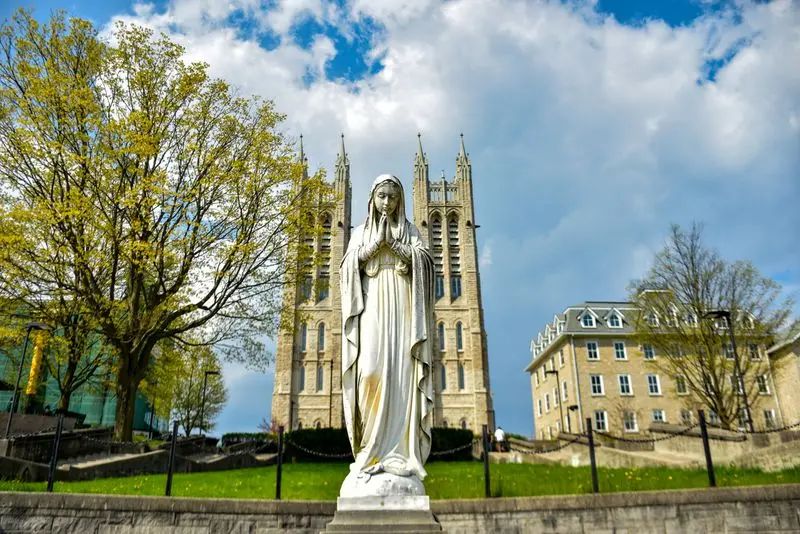
Things to Do in Mary, Turkmenistan
Photo made by Nour Abiad on Pexels.com
When to visit
Most popular attractions in Mary, Turkmenistan
When you find yourself wondering what to do in Mary, Turkmenistan, the answer begins with an ancient civilization: Gonur Depe, a Bronze Age settlement that is 4,000 years old, is an hour's drive from the city. Be sure to also visit the Sultan Sanjar Mausoleum in the Merv archaeological park, plus the Regional Museum in Mary with its bronze artifacts and carpets.
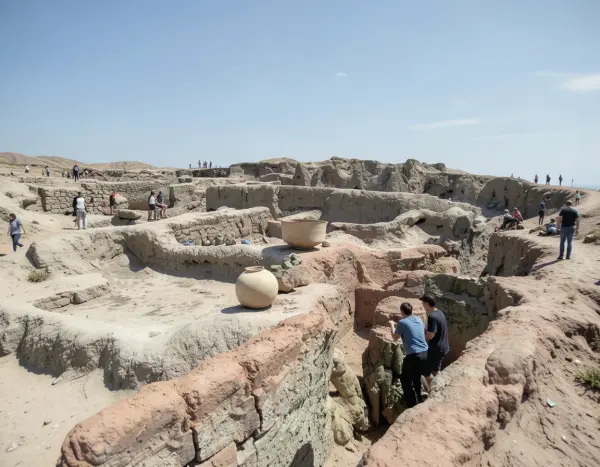
1. Gonur Depe
Touch the walls of a city that flourished four millennia ago in the middle of the desert. Among the ruins of palaces and temples, you will feel the breath of a civilization you may have only now heard of for the first time.
Quick facts: At this site, archaeologists have discovered remains of palaces, temples and workshops from the Bronze Age, and the site spans more than 55 hectares. The oldest known evidence of the use of chariots and early Zoroastrian fire temples were also found here.
Highlights: Beneath the sands of the Karakum, an entire city was discovered with central sewage and a water supply system, which was incredible for a period 4,000 years ago. In the royal tomb, gold jewelry and turquoise mosaics were found, and scientists believe that one of the earliest Zoroastrian fire altars once stood here.
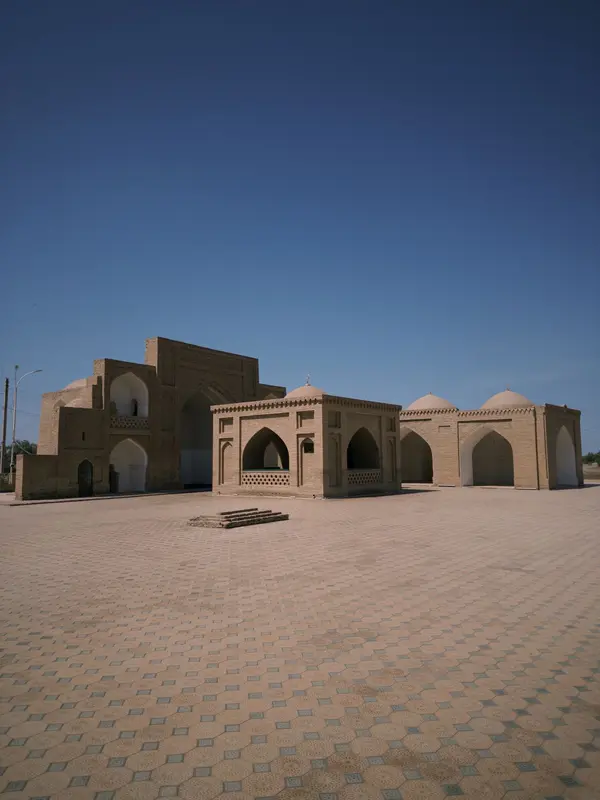
2. Sultan Sanjar Mausoleum
One of the oldest preserved domes in the world awaits you in the middle of an ancient city. You will walk through the ruins of a former capital and feel the breath of history under a blue sky.
Quick facts: This dome was once the largest in the world, over 17 meters wide, and the structure survived centuries even though the city around it was destroyed and rebuilt multiple times. The walls are up to three meters thick, which allowed the building to withstand earthquakes and time.
Highlights: The secret is in the double dome: the outer blue dome rose above the inner one, and between them was a brick corridor that created a cooling effect in summer and warming in winter. That construction was so advanced that later builders copied it throughout the Islamic world.
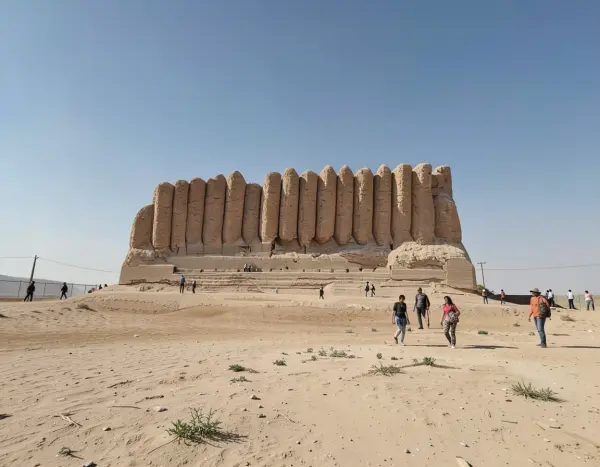
3. Kyz Kala Fortress
An ancient mudbrick fortress rising from the desert horizon is a true spectacle for the eyes. Walk through thousand-year-old walls and feel the breath of ancient Merv.
Quick facts: This two-story mud-brick fortress is a unique example of ancient architecture consisting of a dense array of parallel walls filled with earth. Interestingly, part of this structure was used as a medieval air conditioning system, because the thickness of the walls maintains a constant temperature inside.
Highlights: The secret of this place lies in its walls, which are made of rammed mud brick and follow the contours of the hill so that the fortress seems to grow directly out of the landscape. What is especially striking is that the interior corridors and niches are preserved well enough that you can still walk through rooms that served as storage and defensive spaces more than a thousand years ago.
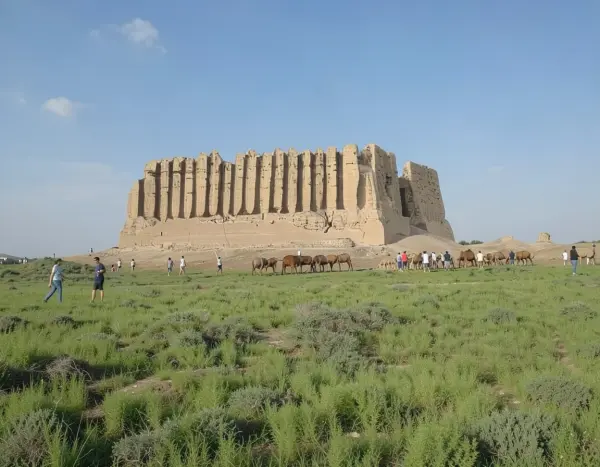
4. Great Kyz Kala
It is worth turning off the main road to see one of the oldest preserved towers in Central Asia. You will feel the coolness of the thick walls and the view of the desert from the top, where centuries merge into a single frame.
Quick facts: The tower raises its walls of baked brick and ranks among the best-preserved examples of Seljuk architecture in the entire Merv region. Rulers once resided on the upper floors, while the ground floor served as storage and shelter for livestock.
Highlights: When you step inside, you will notice that the walls lean inward, an old trick for stability that the Seljuks perfected nearly a thousand years ago. Looking up from below, you feel as if you are in a huge brick oven, and the acoustics of the space amplify every whisper.
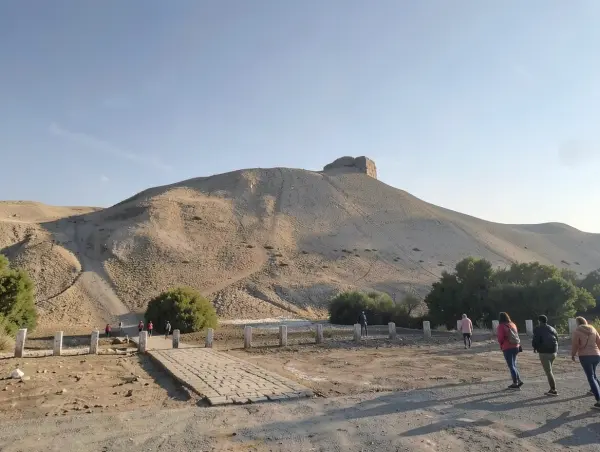
5. Erk Kala
Peek into the oldest fortress of the Merv oasis and walk on ground trodden by Alexander's army. You will experience the quiet landscape of ancient ruins stretching to the horizon.
Quick facts: At this site lie the remains of the oldest settlement in the Merv oasis, whose beginnings date back to the 6th century BC. The Greek historian Strabo mentions Alexandria in Margiana, a city founded by Alexander the Great and later rebuilt by the Seleucid ruler Antiochus I Soter.
Highlights: What makes an impression is the enormous elevated terrace that dominates the space, which is actually the remains of a multi-layered city built one on top of another over the centuries. Archaeologists believe that Alexander's fortress once stood here, and excavations have revealed remains of walls over 8 meters thick that protected this ancient fortified city.
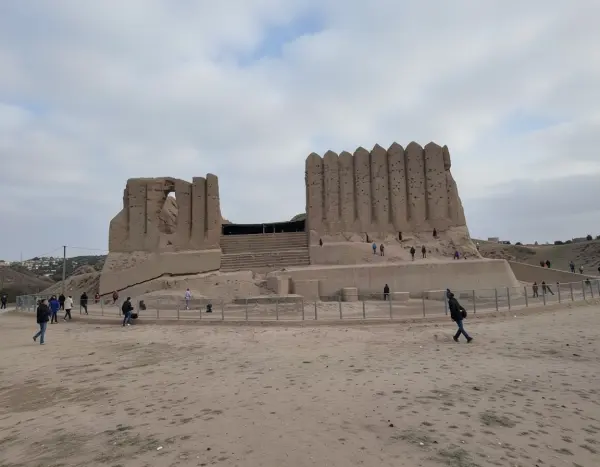
6. Gyaur Kala
Touch walls older than a thousand years that once guarded one of the greatest cities in the world. You will walk through the ruins of the fortress surrounded by endless desert and silence.
Quick facts: Here lie the remains of an ancient fortification that was once part of the vast city of Merv, one of the largest cities on the old Silk Road. Walls of rammed clay still rise several meters high, even though they are more than a thousand years old.
Highlights: Unlike many other ruins, here you can see traces of the original mud brick with the fingerprints of the ancient builders who shaped it. When the sun sets, the clay walls take on a warm orange color that makes the whole fortress seem as if it were made of wax.
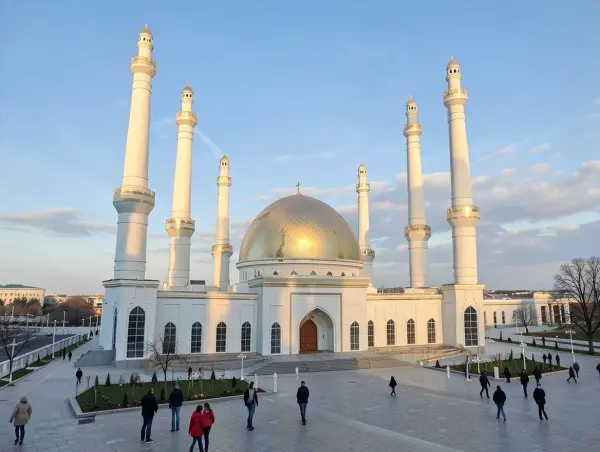
7. Zerger Mosque
Experience the spiritual heart of Mary where faith and daily life intertwine. Visitors will see authentic architecture and feel the warm welcome of the local community.
Quick facts: The main mosque of the city of Mary serves as the central gathering place for the local Muslim community, and on Google Maps it is marked both as a tourist attraction and a religious site. Visitors often confuse its name with other religious buildings in the region, although it is a standalone mosque at the address HVQ3+P38.
Highlights: What is truly special is that this mosque simultaneously functions as a prayer space and as a community association, so visitors can experience the authentic everyday life of the faithful, not just a tourist scene. Friendly locals often invite guests to sit down and drink tea after prayer, which is a rare experience that tourists here truly appreciate.
Where to Stay in Mary, Turkmenistan
Selected by City Buddy based on guest reviews and proximity to top attractions
Search all hotels in Mary, TurkmenistanPowered by agoda
Opening days in Mary, Turkmenistan
Which of the top sights close on which day of the week — the classic trip-ruiner, checked for you.
Good news: all 2 top sights with known hours are open every day of the week.
Closed on Monday · 0 closed, 2 open
Nothing closes on Monday — all 2 sights with known hours are open.
Opening days from Google Maps (checked 2026-10-16). Public holidays, strikes and seasonal hours can differ — check the official website before you go.
Traditional Sweet Dishes
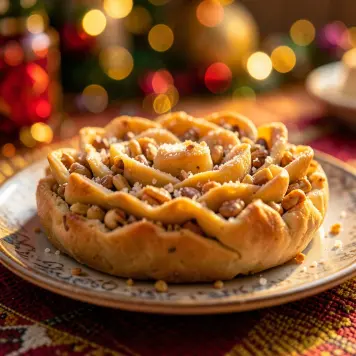
Fitchi
Fitchi is a traditional Turkmen sweet pastry filled with nuts and sugar, often prepared for celebrations and holidays in the Mary region. The dough is intricately folded to create a beautiful layered pattern resembling a flower.
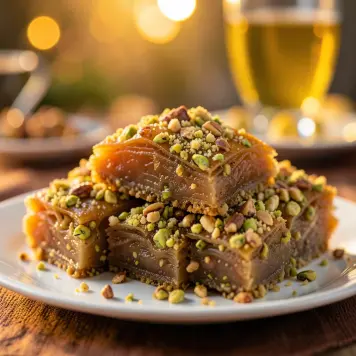
Baklava
Turkmen baklava is a honey-soaked layered pastry with crushed pistachios and walnuts, a beloved dessert across the Mary province. It is traditionally sliced into diamond shapes and served with strong green tea.
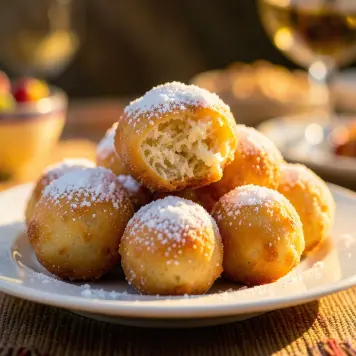
Pishme
Pishme are golden, deep-fried dough balls dusted with powdered sugar, a comforting sweet treat often made for family gatherings in Mary. They are light and airy, with a crisp exterior and soft, fluffy center.
Traditional Savory Dishes
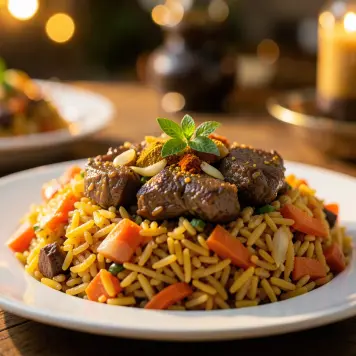
Palaw
Turkmen palaw is a fragrant rice dish cooked with carrots, garlic, and either lamb or beef, and it is the centerpiece of nearly every festive meal in Mary. Each family guards its own secret blend of spices for this beloved dish.
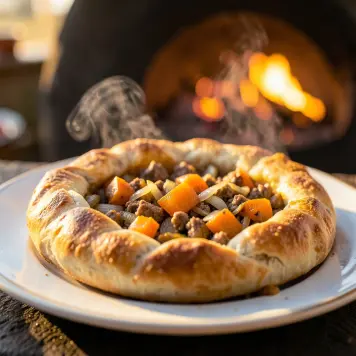
Ishlekli
Ishlekli is a hearty meat pie made with flaky dough and a filling of minced lamb, onions, and pumpkin. In the Mary region it is baked in a tandoor oven, giving the crust a distinctive smoky aroma.
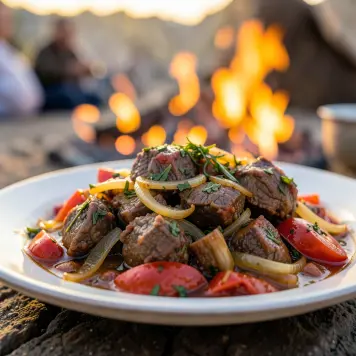
Chekdirme
Chekdirme is a savory stew of lamb slowly simmered with onions, tomatoes, and fragrant herbs until the meat is fall-apart tender. It is often cooked outdoors over an open fire during traditional Turkmen gatherings.
Traditional Beverages
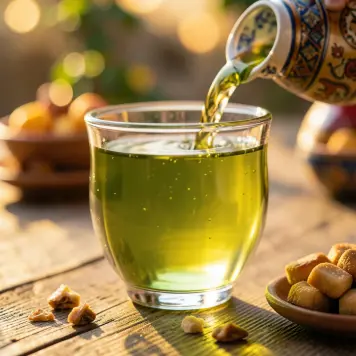
Gok Chay
Gok chay is the traditional green tea of Turkmenistan, often served in small bowl-shaped cups called "piala" and accompanied by sweets. In Mary, it is customary to pour the tea back and forth between cups to cool it and enhance the flavor.
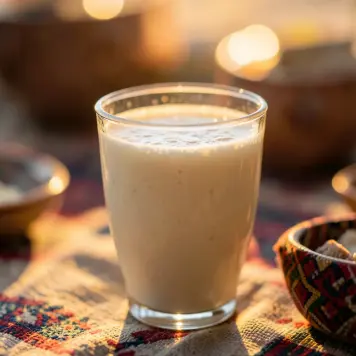
Chal
Chal is a fermented camel's milk beverage that is tangy, slightly fizzy, and prized for its refreshing qualities. It is considered a health tonic in the Mary region and has been enjoyed by Turkmen nomads for centuries.
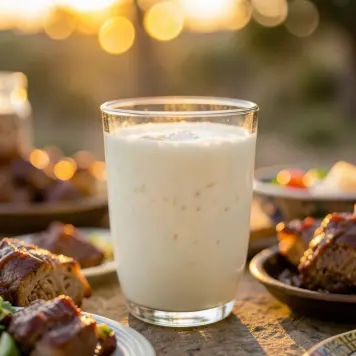
Ayran
Ayran is a cooling yogurt-based drink blended with water and a pinch of salt, perfect for the hot climate of Mary. It is traditionally served alongside hearty meat dishes to aid digestion and refresh the palate.
Frequently Asked Questions about Mary, Turkmenistan
Is Mary safe for travelers in Turkmenistan?
How many days are needed to visit Mary?
When is the best time to visit Mary?
Is Mary an expensive city for tourists?
How to get around Mary?
Get a PDF with the most popular attractions sent to your email
Get a PDF with all attractions, ratings, and tips. Perfect for offline use.
Most popular day trips
Ashgabat
Capital city with white marble buildings, monuments, and grand boulevards.
Anau
Ancient settlement with the historic Seyit Jemaletdin Mosque ruins.
Kow Ata Underground Lake
Thermal underground lake in a limestone cave, popular for swimming.
Bakharden
Small town near the Karakum Desert with local markets and scenery.
Getting there
Train stations
Caspian Railway line connecting Turkmenbashi, Ashgabat, and Turkmenabat
Main hub on the Trans-Caspian Railway network
Fly into Ashgabat International Airport, then take a taxi or shared minibus for about 30 minutes to reach Mary. Trains also connect Mary via the Trans-Caspian Railway.
Useful information for Mary, Turkmenistan
Overview for Mary, Turkmenistan
Want a day-by-day plan for Mary, Turkmenistan? Open the trip planner
Plan your perfect trip to Mary, Turkmenistan
Get a complete travel plan built just for you in under 30 seconds, with daily routes, local food tips, budget estimates and more.
Are any of these especially important to you?
Select all that apply
Getting around
How do you want to move between places?
Plan language: English