 CityBuddy
 English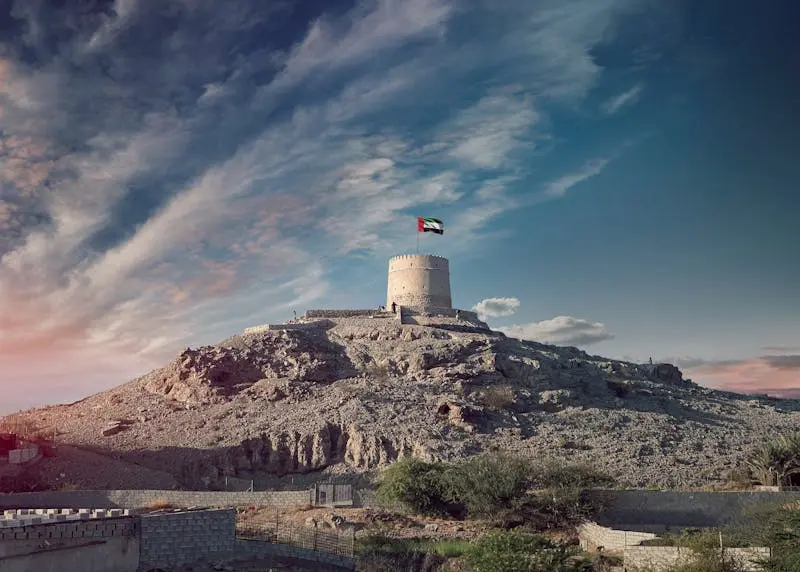
Things to Do in United Arab Emirates
Photo made by Salman Av on Pexels.com
When to visit
Most popular attractions in United Arab Emirates
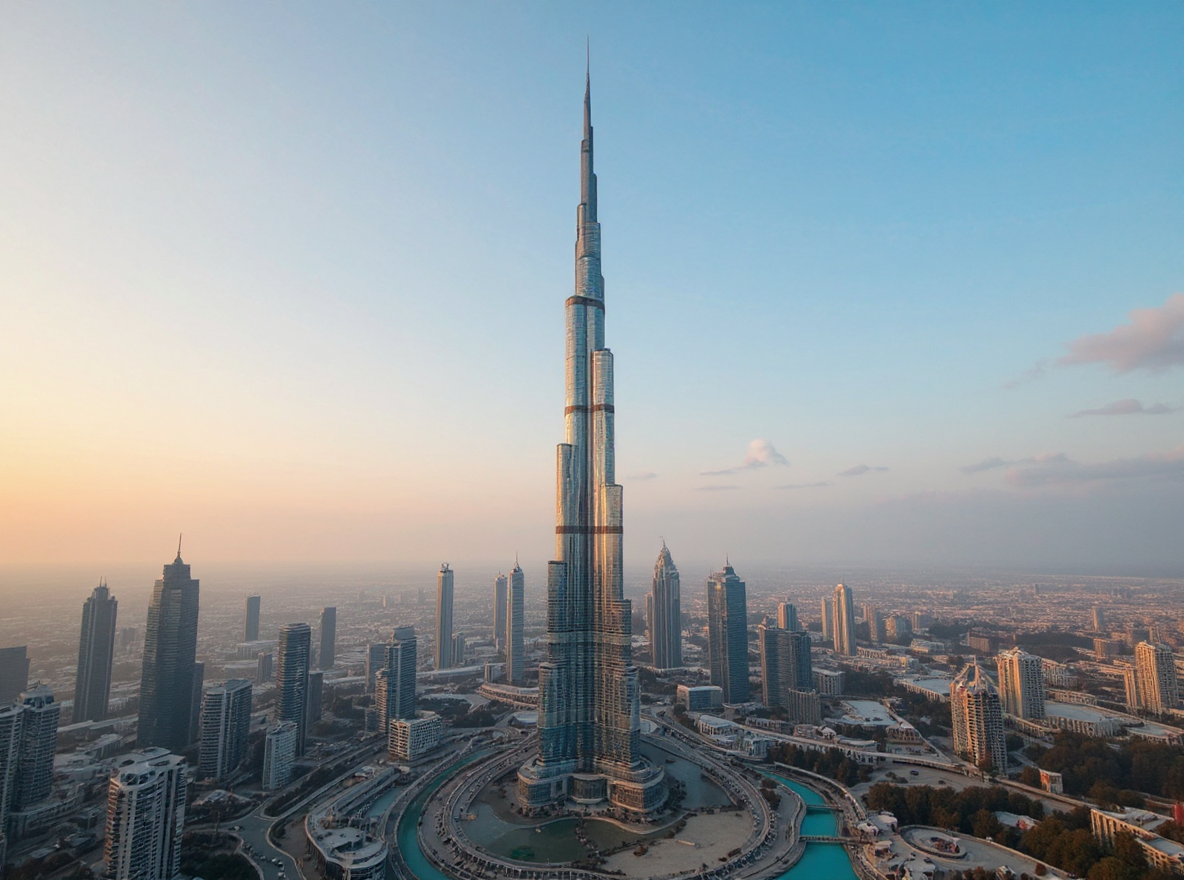
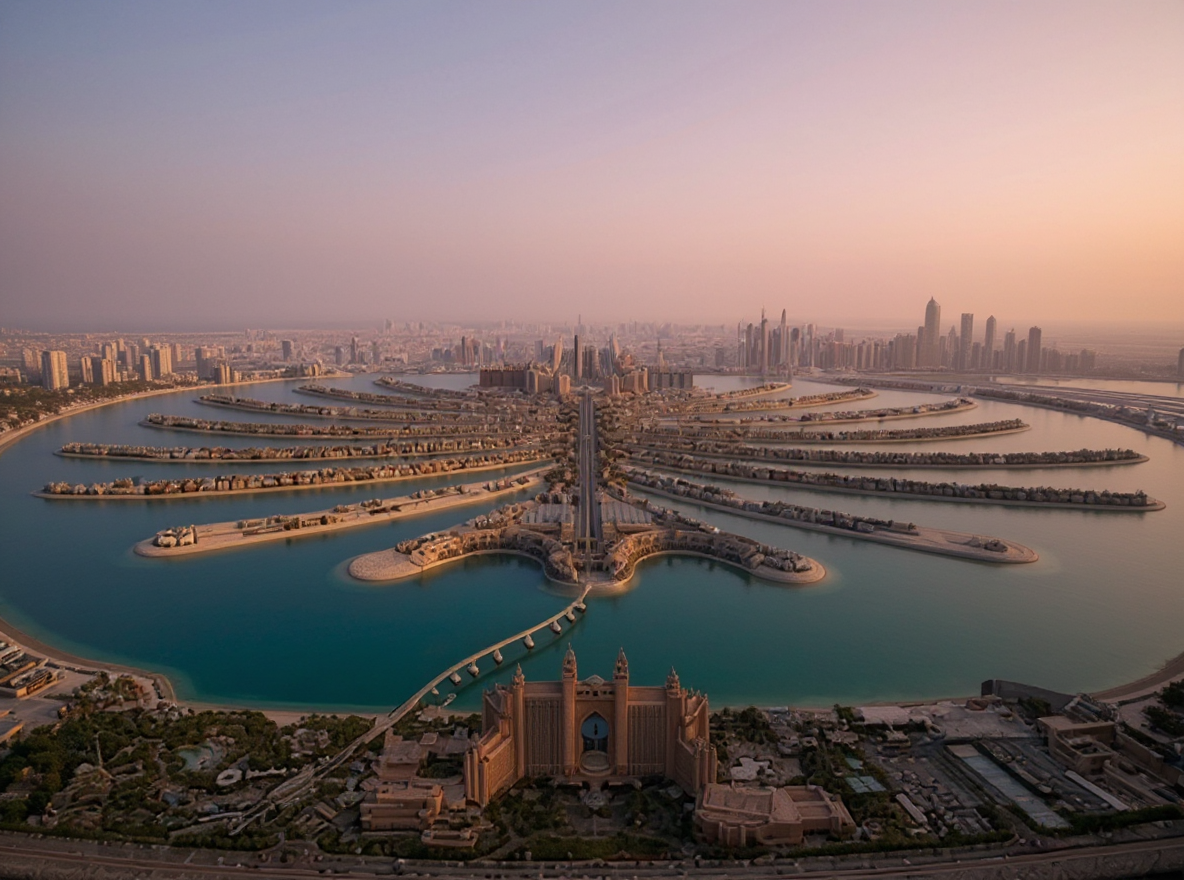
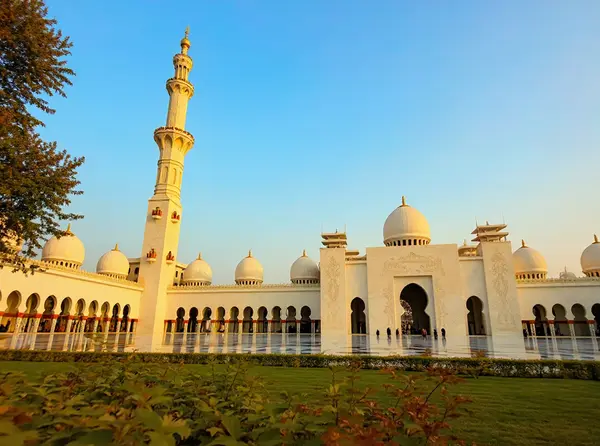
Things to do in United Arab Emirates include soaring up Burj Khalifa, the world's tallest building at 828 meters, exploring the man-made Palm Jumeirah island shaped like a palm tree, and visiting the Sheikh Zayed Grand Mosque, which covers 22,412 square meters and can hold over 40,000 worshippers. These highlights showcase the UAE's grand scale and architectural ambition.
1. Burj Khalifa
Dubai
Gleaming marble and ornate mosaics showcase Islamic art on a monumental scale. Walk vast courtyards, photograph domes and chandeliers, and join free guided tours.
Quick facts: Soaring to incredible heights, the structure offers suicide-inducing views that stretch over 50 kilometers on a clear day. Nightfall transforms its exterior into a dazzling light show, mesmerizing spectators from miles around.
Highlights: The tower features a specially designed spire that reaches 828 meters high, making it the tallest man-made structure in the world. Every evening, a sophisticated LED light show dances on its curved surface, synchronized with music, creating a dazzling spectacle visible from miles away.
2. Palm Jumeirah
Dubai
Art from around the world beneath a dramatic perforated dome, worth visiting for collections and architecture. Wander sunlit galleries by the sea and see works from ancient to contemporary.
Quick facts: Imagine living on an island shaped like a palm tree, stretching out into the sea with lavish hotels and stunning villas lining its fronds. You can watch the sun set over the Persian Gulf while enjoying a meal at one of the many waterfront restaurants, each offering a unique blend of luxury and breathtaking views.
Highlights: An astonishing 94 million cubic meters of sand and 7 million tons of rock were used to construct this palm-shaped island, making it visible from space. At night, the golden glow from the luxury resorts and the illuminated fronds create a fairy-tale scene that looks like a glowing palm tree in the Persian Gulf.
3. Sheikh Zayed Grand Mosque
Abu Dhabi
A breathtaking marble sanctuary worth visiting. Experience vast white halls, glittering chandeliers, and tranquil reflective pools.
Quick facts: Massive white marble halls and 82 domes give the site a serene, airy grandeur that surprises most first-time visitors. Nighttime reflections in the surrounding pools make the architecture shimmer like a field of lanterns.
Highlights: Visitors often linger over the world's largest hand-knotted carpet, spread across the main prayer hall at roughly 5,627 square meters and crafted by about 1,200 artisans over two years. Colossal chandeliers studded with millions of crystals and touched with 24-carat gold trim cast warm, jewel-like light that dances across the marble columns.
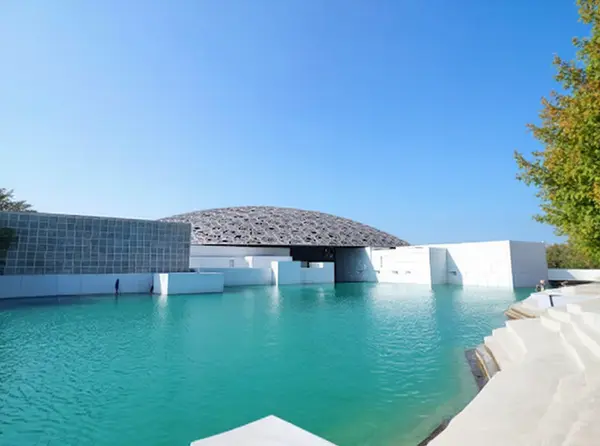
4. Louvre Abu Dhabi
Abu Dhabi
See art under a shimmering dome of light. Wander galleries, water courts, and skyline views.
Quick facts: Louvre Abu Dhabi sits beneath a vast, latticed dome that filters sunlight into a 'rain of light' effect across the galleries. The collection bridges art from different eras and regions, with loans from more than 13 French museums and hundreds of works on rotation.
Highlights: A dramatic 180-meter dome, conceived by Jean Nouvel, uses seven layers of geometric perforations to cast intricate light patterns that shift all day. Galleries are arranged over water and shaded courtyards, so visitors often watch wooden dhows glide by framed by reflective pools.
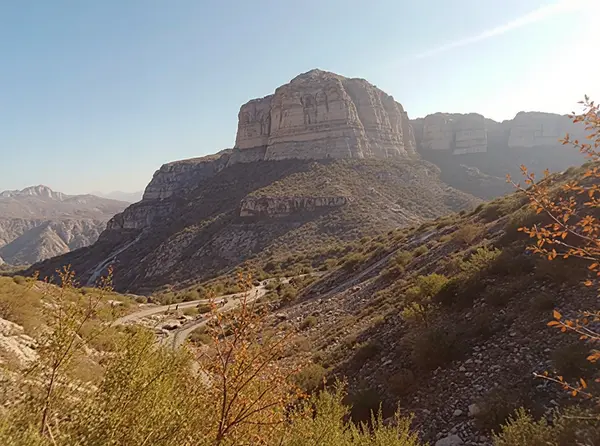
5. Jebel Jais
Ras Al Khaimah
High alpine roads and sweeping panoramas make it a refreshing escape. Take a 2.8 km zipline or linger at sunrise for cinematic cliff-top views.
Quick facts: A rugged mountain road climbs to roughly 1,934 meters, bringing dramatically cooler air and clearer skies than the lowlands. An adrenaline zipline stretches about 2.83 kilometers, sending riders across a deep rocky wadi at speeds approaching 120 kilometers per hour.
Highlights: Early-morning light turns the limestone cliffs a warm copper, while wind carries sharp, aromatic notes of desert rosemary and crushed sage. Adrenaline fans can soar on a 2.83-kilometer zipline, hitting roughly 120 kilometers per hour and floating above a dramatic drop that makes pulses spike.
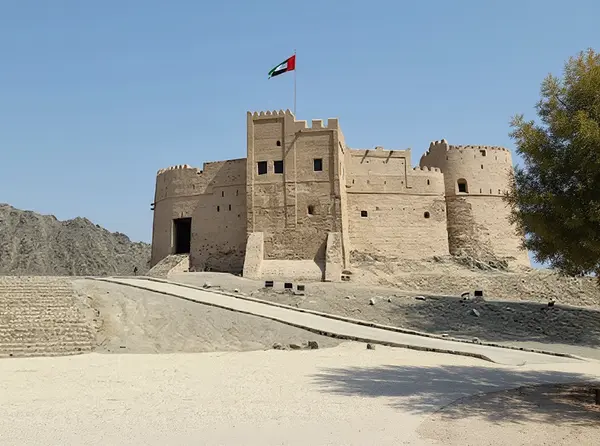
6. Fujairah Fort
Fujairah
Ancient ramparts and rooftop views reward curious explorers. Expect sun-warmed stone, salty air and sweeping mountain-to-sea panoramas.
Quick facts: Thick stone walls and towering battlements sit at the heart of an old town, offering a real feel for coastal emirate life. Visitors often spot cannon platforms and narrow slit windows that reveal how defenders tracked the sea and mountains.
Highlights: Rooftop ramparts give a three-way panorama: sun-warmed stone underfoot, salt air on the wind, rugged mountains behind the old town. Local guides often point out a narrow, curved stair where defenders once listened for signals at dawn, a small passage that makes you speak quietly because of the echoing stone.
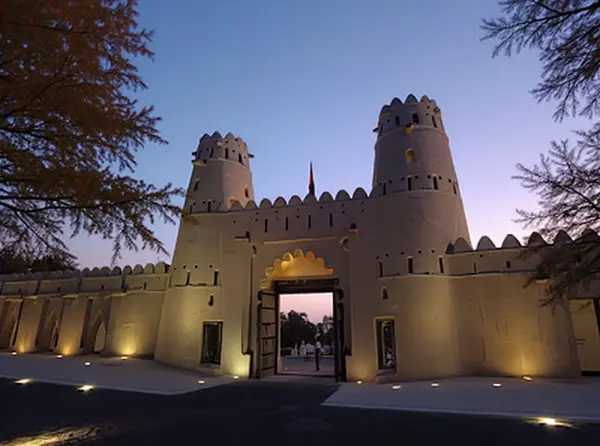
7. Al Jahili Fort
Al Ain
Explore a restored desert fortress alive with palm-scented courtyards. Climb shaded towers and see evocative Wilfred Thesiger photos.
Quick facts: Thick mud-brick walls and round watchtowers create a photogenic silhouette among shady date palms, giving each courtyard surprising pockets of cool shade. A memorial plaque records that Sheikh Zayed bin Khalifa ordered construction in 1891, while an on-site gallery celebrates explorer Wilfred Thesiger's desert photography.
Highlights: Step into a sunlit central courtyard where carved wooden doors, shaded colonnades, and palm shadows create a cinematic scene for quiet exploration. A dedicated gallery displays rare photographs and maps connected to Wilfred Thesiger's Arabian journeys, linking the site to real explorers and named routes.
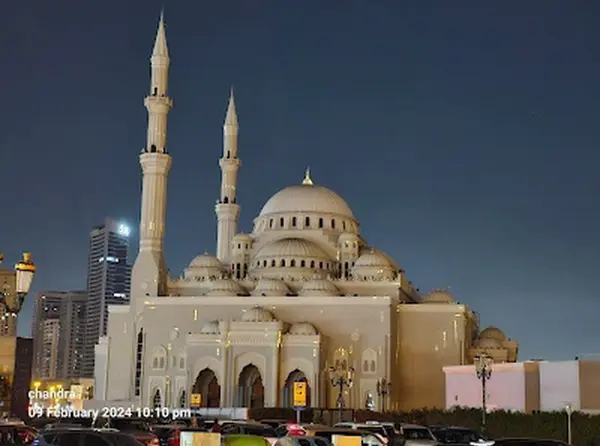
8. Al Noor Mosque
Sharjah
Stunning waterfront mosque, perfect for sunset photos. Enjoy ornate Ottoman-style domes, intricate calligraphy, and mirror-like lagoon reflections.
Quick facts: A striking white mosque sits beside a calm lagoon, its Ottoman-inspired domes and slender minarets reflecting like a painting at golden hour. Friendly guided tours welcome non-Muslim visitors, offering a clear look at architectural motifs, Arabic calligraphy, and prayer practices.
Highlights: Approach at sunset and warm light bathes the white stone, while the lagoon creates near-perfect mirror reflections of arches and minarets for dramatic photos. Guided walkthroughs typically run about 45 minutes, with local guides pointing out Ottoman-style details and the symbolism behind key decorative panels.
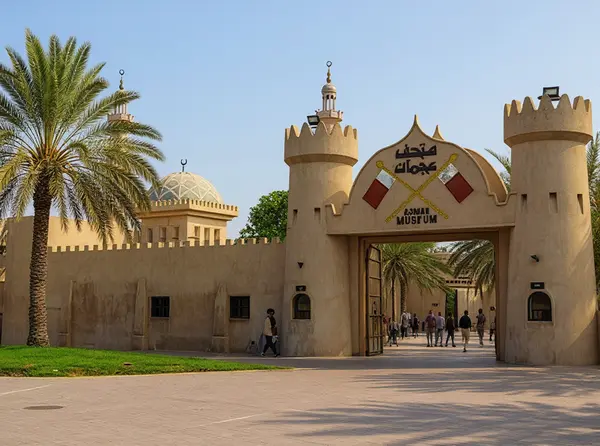
9. Ajman Museum
Ajman
Worth visiting for compact, lived-in coastal history. Expect rooftop views, cannon silhouettes and intimate pearl-diving stories.
Quick facts: Thick coral-stone walls and wind towers silhouette against the sea, hinting at a life once driven by pearl diving and dhow trade. Inside, narrow rooms display everything from traditional garments to restored naval tools, giving a surprisingly intimate look at everyday coastal life.
Highlights: Climb to the rooftop at golden hour to see weathered cannons and a sweep of wooden dhows gliding along the creek, a scene photographers love. A dim gallery keeps a pearl-diving ledger with more than 100 handwritten names, plus heavy lead weights and woven nose-clips that smell faintly of salt and oil.
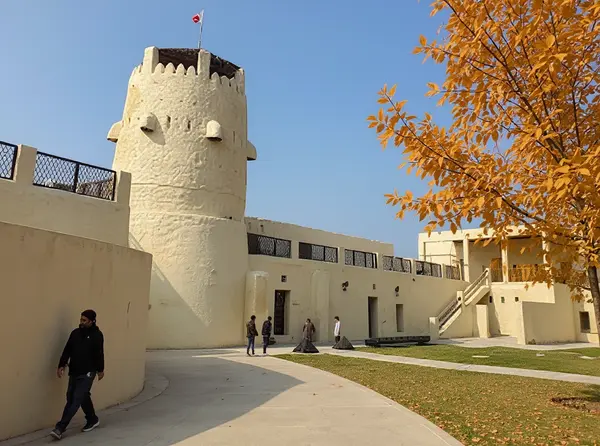
10. Umm Al Quwain Fort
Umm Al Quwain
Explore coastal defenses and everyday maritime life. Climb a watchtower, spot original cannon marks and stroll tiny galleries.
Quick facts: A finger-thick cannonball still lies embedded in the outer wall, a gritty reminder of coastal skirmishes. Low whitewashed rooms and carved wooden doors now house an intimate local museum that narrates life by the creek.
Highlights: Inside, a compact museum displays over 200 artifacts, including 18th-century pearl-diving weights and a brass British-era lamp, offering close-up glimpses of everyday seafaring life. Climb the circular watchtower at golden hour to feel the sea breeze and capture a 360-degree panorama of palm groves and the shimmering creek.
Where to Stay in United Arab Emirates
Selected by City Buddy based on guest reviews and proximity to top attractions
Search all hotels in United Arab EmiratesPowered by agoda
Opening days in United Arab Emirates
Which of the top sights close on which day of the week — the classic trip-ruiner, checked for you.
Monday: 1 of 8 top sights closed — plan museums for another day.
Closed on Monday · 1 closed, 7 open
Opening days from Google Maps. Public holidays, strikes and seasonal hours can differ — check the official website before you go.
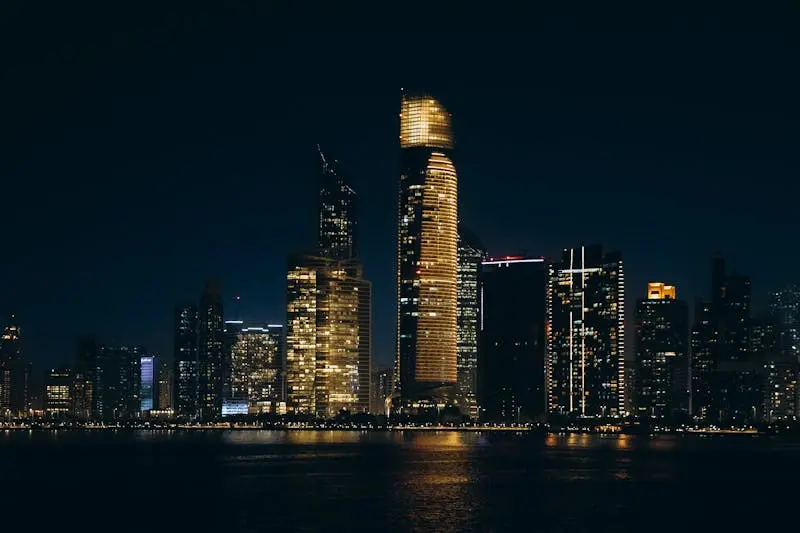
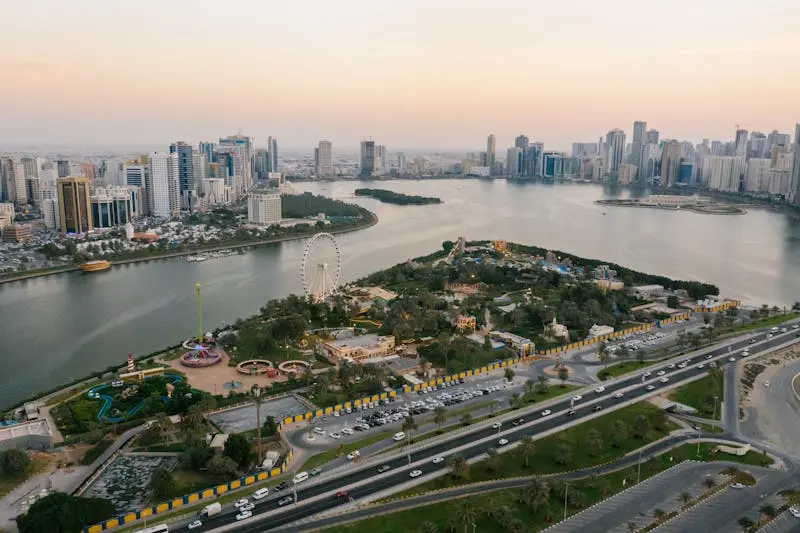
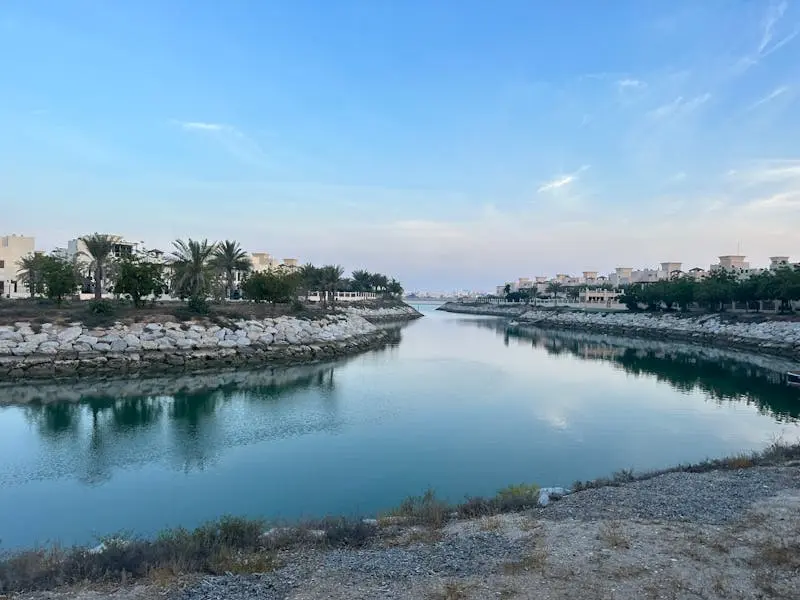
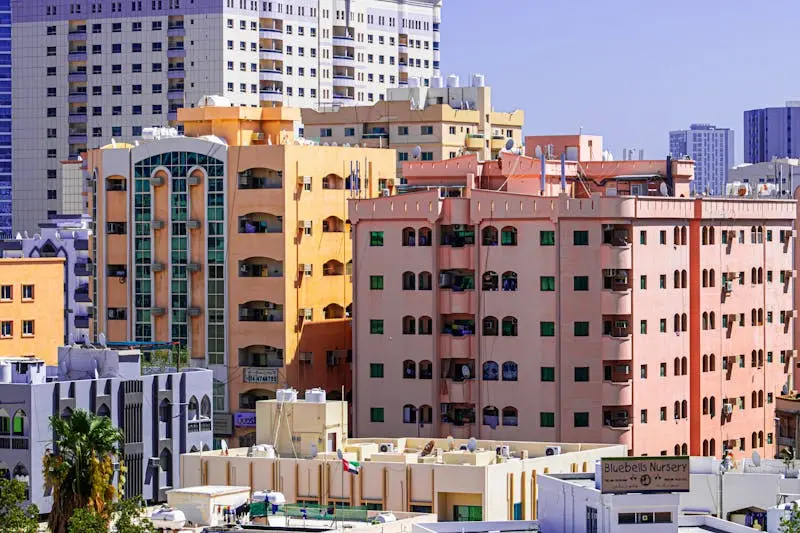
Popular Cities in United Arab Emirates
Traditional Sweet Dishes

Baklava
In Emirati bakeries baklava is often perfumed with saffron and layered with pistachios or local date syrup, reflecting the Gulf's fragrant trade history.

Luqaimat
Luqaimat are tiny golden dumplings that puff up when fried, they are traditionally drenched in date syrup and sesame and are a Ramadan favorite.

Kunafa
Kunafa is a molten, cheese-filled pastry that pulls into long, gooey strands when served, and Emirati versions often add clotted cream or pistachios for extra richness.
Traditional Savory Dishes

Machboos
Machboos is a spiced rice dish where rice simmers with meat and dried limes so the grains take on deep, layered flavors, it is often considered a celebratory centerpiece.

Shawarma
Shawarma in the UAE mixes Levantine tradition with local tastes, the thinly sliced, spit-roasted meat is wrapped with tangy pickles and garlic sauce for a quick, addictive street meal.

Mandi
Mandi's signature smoky flavor comes from slow-roasting meat in an underground pit or tandoor, and the method produces meat so tender it falls from the bone.
Traditional Beverages

Karak tea
Karak tea is a sugary, cardamom-scented milk tea that began with South Asian laborers and became a Gulf ritual, people gather at roadside stalls to sip it and chat.

Arabic coffee
Arabic coffee, brewed in a dallah and often spiced with cardamom or saffron, is served in tiny cups as a formal gesture of hospitality and guests may be offered multiple rounds.

Laban
Laban is a tangy, cooling yogurt drink used for centuries to hydrate desert travelers, it soothes the stomach and is often enjoyed plain or with mint.
Frequently Asked Questions about United Arab Emirates
Is United Arab Emirates safe to visit?
How many days should I spend in United Arab Emirates?
What is the best time to visit United Arab Emirates?
Is United Arab Emirates expensive for travelers?
How to get around United Arab Emirates?
Get a PDF with the most popular attractions sent to your email
Get a PDF with all attractions, ratings, and tips. Perfect for offline use.
Most popular day trips
Dubai
Skyscrapers, shopping, Palm Jumeirah and vibrant nightlife.
Sharjah
Cultural museums, heritage areas, and traditional souks.
Al Ain
Oases, forts, Jebel Hafeet mountain and archaeological sites.
Ras Al Khaimah
Beaches, Hajar Mountains and outdoor adventure activities.
Fujairah
East-coast beaches, snorkeling and a different coastline.
Getting there
Airports
Train stations
Red & Green lines (connects major Dubai districts and to DXB via Red Line)
Etihad Rail planned; current travel by bus, taxi and car
Use taxis or app-hailing from AUH; Dubai Metro links DXB to central Dubai; prebook long transfers.
Visa & entry
GCC countries, EU, USA, UK, Canada, Australia, Japan, South Korea, many others (varies by passport)
Some African and South Asian countries typically need pre-approved visas (e.g., Pakistan, Afghanistan); check consulate
Check entry rules for your nationality — many get visa on arrival; apply online if required.
Useful information for United Arab Emirates
Overview for United Arab Emirates
Want a day-by-day plan for United Arab Emirates? Open the trip planner
Plan your perfect trip to United Arab Emirates
Get a complete travel plan built just for you in under 30 seconds, with daily routes, local food tips, budget estimates and more.
Are any of these especially important to you?
Select all that apply
Getting around
How do you want to move between places?
Plan language: English