 CityBuddy
 English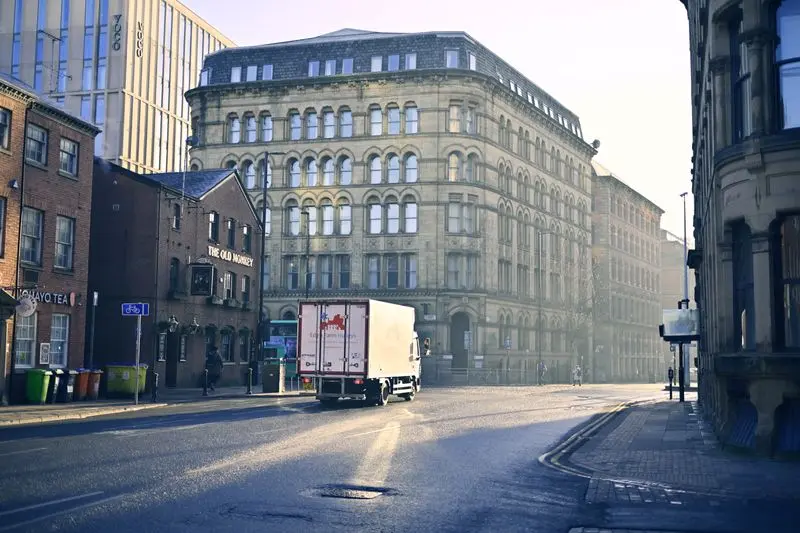
Things to Do in Manchester, United Kingdom
Photo made by Max W on Pexels.com
When to visit
Manchester is the #11 city for nightlife in the world, based on our data across hundreds of destinations.
Most popular attractions in Manchester, United Kingdom
When considering things to do in Manchester, United Kingdom, start with three essential stops. Old Trafford, home to Manchester United since 1910, offers stadium tours through its 74,000 seat arena. The Science and Industry Museum sits on the world's oldest passenger railway station, Castlefield. And the John Rylands Research Institute and Library houses a stunning 1890s reading room with 1.5 million medieval manuscripts.
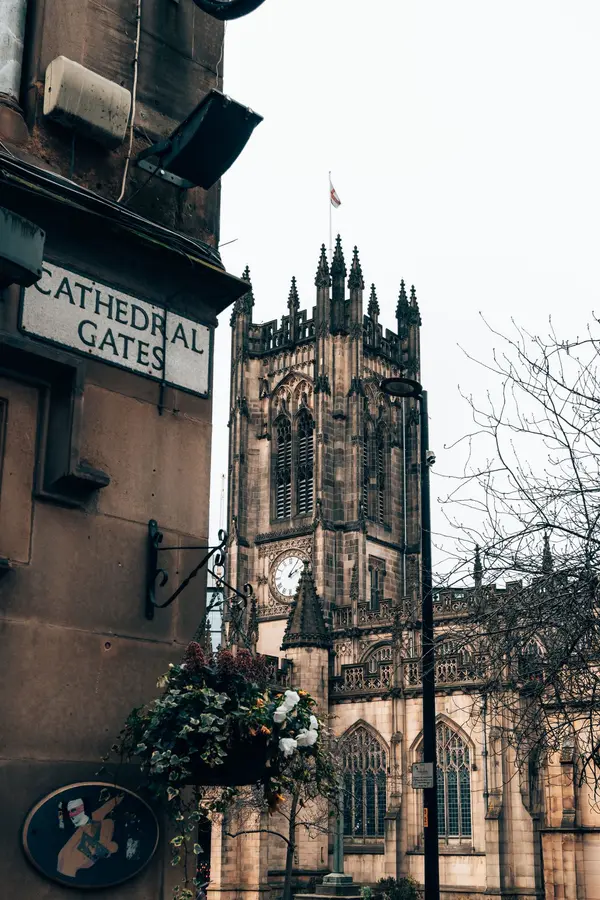
1. Manchester Cathedral
Step into a 600-year-old building where angels watch from the ceiling and medieval mischief hides under the seats. You will find quiet corners, stunning stained glass, and stories carved into every beam. (165 characters)
Quick facts: Medieval workers carved misericord seats under the choir stalls with cheeky scenes of foxes preaching and dragons fighting. The cathedral's 15th-century angel roof survived the 1940 Manchester Blitz while much of the surrounding city burned.
Highlights: Look down at the choir stalls and you will spot the "Manchester Misericords," a set of 30 carved wooden seats from the 1500s with hidden rude and ridiculous scenes underneath. One shows a woman beating her husband with a distaff, another has a fox dressed as a monk preaching to geese, giving you a glimpse of medieval humor that still lands today.
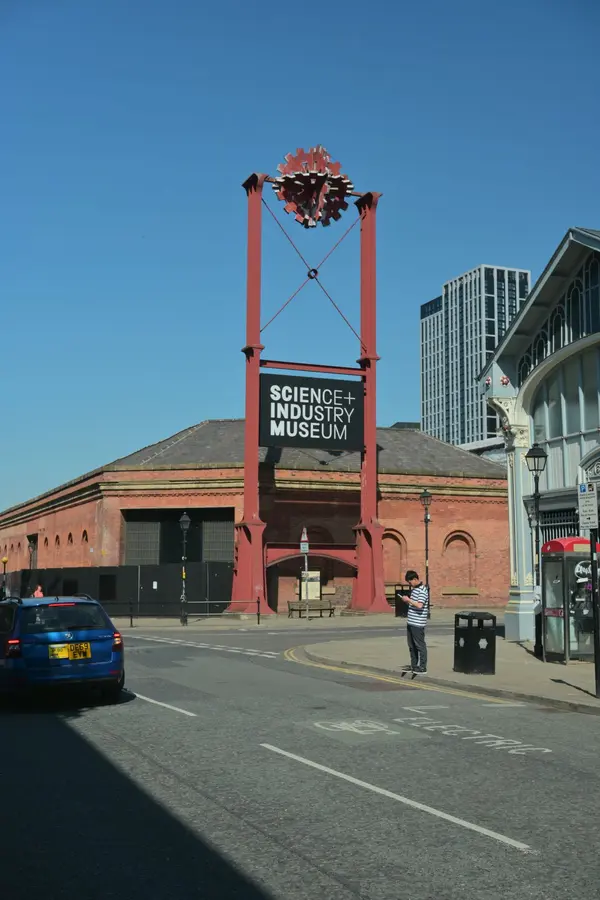
2. Science and Industry Museum
Where else can you explore a Victorian sewer, step inside a real microchip, and watch a steam engine roar to life under one roof? Five galleries of hands-on experiments and historic machines make science feel like pure play.
Quick facts: The museum is housed in the former Liverpool Road station, the oldest surviving passenger railway station in the world. Its Spaceship gallery lets visitors crawl through a model of the Apollo 11 command module and feel the cramped quarters astronauts endured.
Highlights: The museum contains the actual Liverpool Road station facade exactly as it appeared on opening day in 1830, complete with original ticket office windows. Stand on the platform where early passengers boarded trains pulled by the Planet locomotive, the world's first commercially successful steam engine.
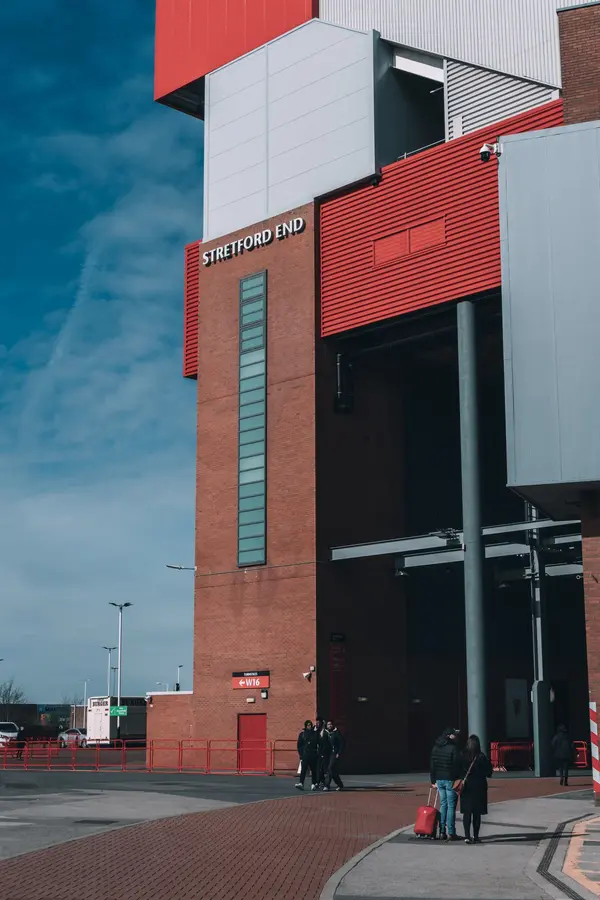
3. Old Trafford
Walk through the tunnel where football royalty has stepped before 74,000 roaring fans. Feel the rumble of the stands and trace the white-shirted legends in the museum below.
Quick facts: The Stretford End alone holds over 15,000 singing fans, making it the largest single-tier stand in any English football stadium. More than 400,000 visitors tour the grounds each year, walking through the same tunnel where legends like George Best and Eric Cantona prepared for match day.
Highlights: Few people know that under the Sir Alex Ferguson Stand, there's a functioning chapel where players and staff sometimes pause for quiet reflection before the roar of 74,000 fans takes over. The red seats are arranged in a specific pattern to spell out "MANCHESTER UNITED" when viewed from above, a detail airline passengers spot during landings at nearby Manchester Airport.
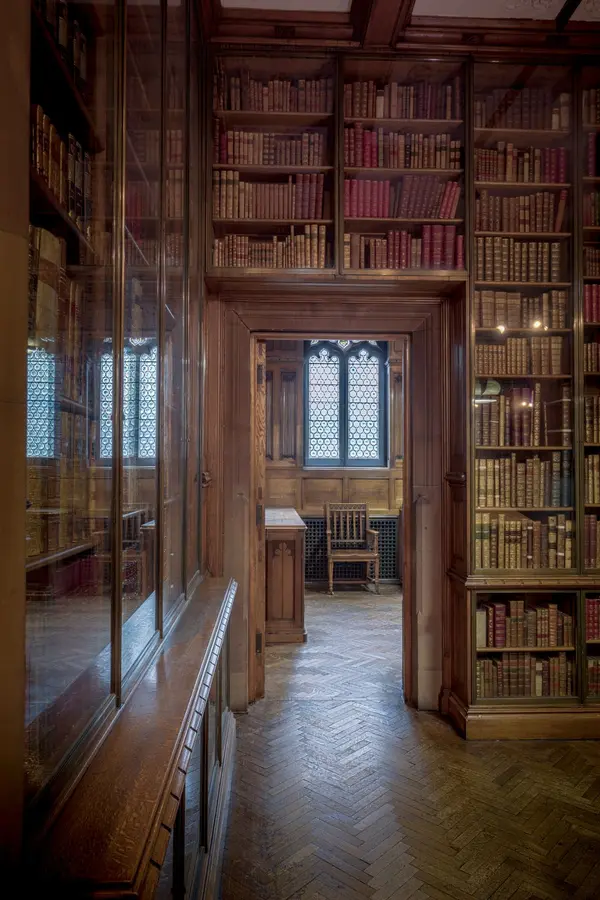
4. John Rylands Research Institute and Library
Step into a Gothic cathedral built for books, where ancient texts whisper from every corner. You will wander past medieval manuscripts, Egyptian papyri, and Europe's first printed books in a setting of breathtaking neo-Gothic splendor.
Quick facts: The library's reading room soars 30 meters high, with wrought-iron bookcases that stretch five tiers toward the ceiling. Its collection holds over 250,000 printed volumes and 1 million manuscripts, including a fragment of the world's oldest New Testament text.
Highlights: Three of the four reading room floors were originally designed as separate galleries for different levels of readers. Women were once restricted to the highest gallery, while the general public sat above wealthy subscribers on the ground floor, creating a literal hierarchy of knowledge.
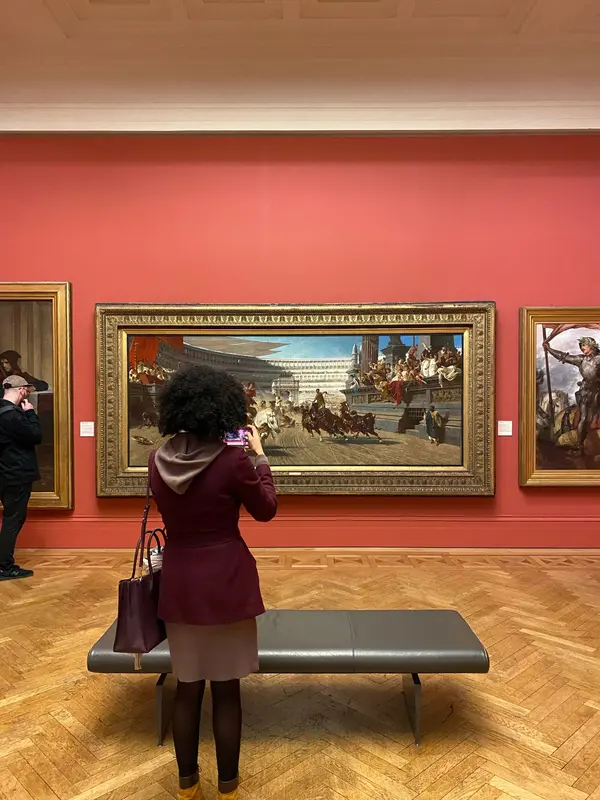
5. Manchester Art Gallery
Get lost among 25,000 artworks spanning six centuries in a gallery that feels both stately and surprising. Wander from hushed Victorian painting rooms into a bright, modern wing with interactive digital displays.
Quick facts: Home to over 25,000 artworks spanning six centuries, the collection includes everything from Pre-Raphaelite masterpieces to contemporary installations. The gallery's stunning building fuses a grand 1820s neoclassical facade with a sleek 2002 glass-and-steel extension.
Highlights: One room holds the "Clarendon Palace" mural that once hung in a 13th-century hunting lodge, making it one of the oldest British paintings on public display. You can also spot a tiny hidden mouse carved into a 17th-century Dutch cabinet, a playful signature left by the furniture maker.
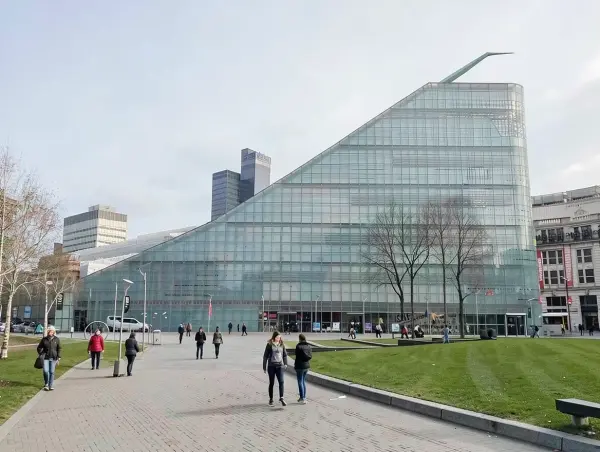
6. National Football Museum
Trace football's journey from village pastime to global obsession across four floors of interactive exhibits. Kick a ball at a virtual keeper, relive legendary matches, and come face to face with the original World Cup ball.
Quick facts: Over 140,000 items of football memorabilia live here, including the 1966 World Cup final ball and the oldest surviving FA Cup trophy from 1896. The museum moved from Preston to Manchester's Urbis building in 2012, drawing over 500,000 visitors each year.
Highlights: Tucked away on the top floor, a full-sized replica of the Wembley tunnel lets you walk out to the roar of a recorded crowd, exactly as players do. The museum also holds the original handwritten rules of football from 1863, penned by the men who invented the modern game at the Freemasons' Tavern.
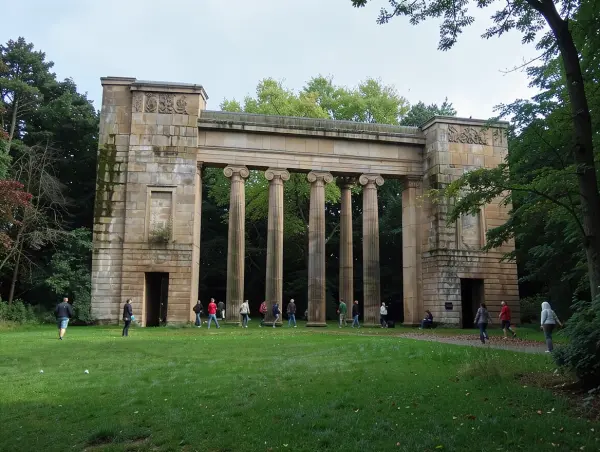
7. Heaton Park
You get a proper country estate, a boating lake, and city skyline views without leaving the city. Feed the ducks, wander the walled garden, and watch the sun sink over the Pennines. (Max 180 chars: 178)
Quick facts: Spanning over 600 acres, this is one of Europe's largest municipal parks and offers panoramic views across Manchester from its highest point. A restored 18th-century neoclassical hall, a boating lake, and one of the oldest working tram museums in Britain all sit within its boundaries.
Highlights: The 18-hole golf course here was laid out by legendary course architect Alister MacKenzie, who also designed Augusta National, home of the Masters. You can play the same routing for around a tenner, which might be the best bargain in British golf.
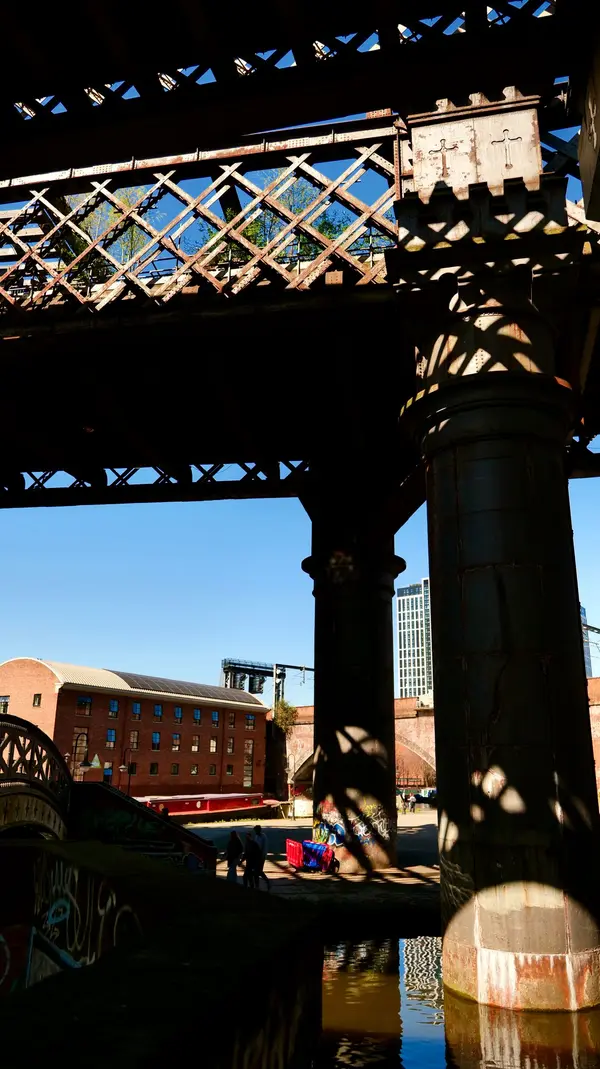
8. Castlefield Urban Heritage Park
Where Roman forts, Victorian viaducts, and canal barges sit side by side. Wander cobbled alleys, sip beer by the water, and watch trains rumble over 170-year-old iron bridges.
Quick facts: Roman soldiers once marched through this very spot, and 2,000 years later, the brick and cast-iron bridges overhead carry trains every few minutes. The world's first passenger railway terminus ran right through here, and the canals that still flow today once moved more freight than the port of London.
Highlights: At sunset, the orange glow of the restored Victorian warehouses reflects off the canal basin, and you can hear the rumble of trains passing on the 1849 wrought-iron viaduct above. There's a spot by the old Roman fort where lamplight hits the cobblestones just right, and suddenly you're standing in three centuries at once.
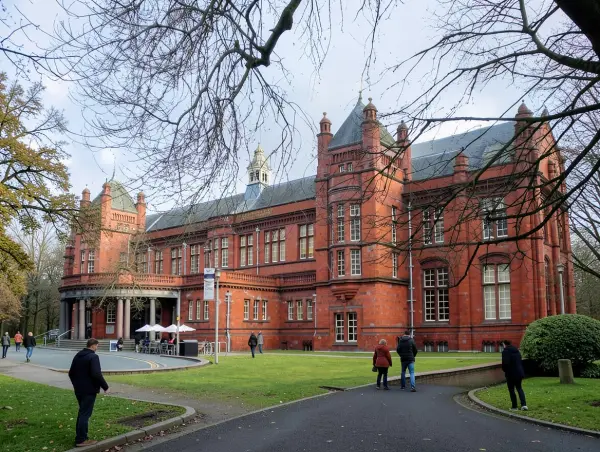
9. The Whitworth
Where great art meets a glorious park setting. Wander through world-class collections then relax on the croquet lawn with coffee and cake.
Quick facts: Home to over 55,000 artworks including textiles, wallpapers, and fine art, the collection spans everything from 15th-century prints to contemporary sculpture. The building's beautiful Art Gallery cafe serves excellent food while overlooking a croquet lawn and parkland.
Highlights: A glass-walled extension literally brings the park inside: the gallery's distinctive wing wraps around a 200-year-old cedar tree, making it part of the building. On sunny days, the entire space floods with green light filtered through the tree's canopy onto the artworks below.
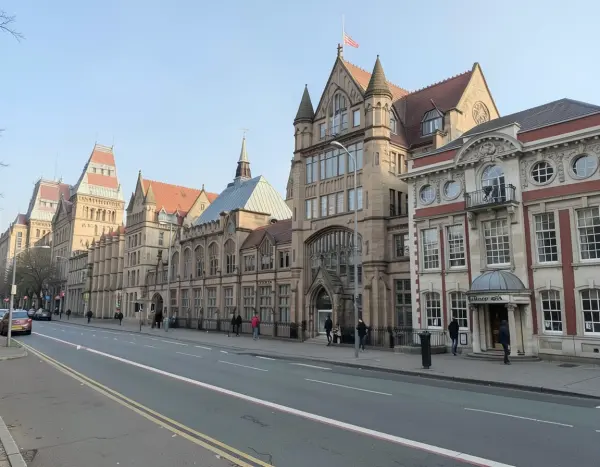
10. Manchester Museum
Live frogs, mummified Egyptians, and a towering T. rex share one free building. Glimpse inside a 2,000-year-old coffin, then watch golden dart frogs hunt in the vivarium.
Quick facts: Nearly 4.5 million objects fill the galleries and stores, spanning Egyptian mummies, dinosaur skeletons, and ancient coins. An active rooftop apiary hosts roughly 60,000 honeybees, and the staff harvest their named honeys for treats in the cafe.
Highlights: Beside each wrapped mummy, a full CAT scan of the same body hangs as a ghostly cross-section, so you can trace the gilded mask against the glow of the skull beneath the linen. Stan the Tyrannosaurus rex, molded from a real skeleton, towers over the ground floor with teeth longer than your forearm.
Where to Stay in Manchester, United Kingdom
Selected by City Buddy based on guest reviews and proximity to top attractions
Search all hotels in Manchester, United KingdomPowered by agoda
Opening days in Manchester, United Kingdom
Which of the top sights close on which day of the week — the classic trip-ruiner, checked for you.
Monday: 4 of 8 top sights closed — plan museums for another day.
Closed on Monday · 4 closed, 4 open
Opening days from Google Maps (checked 2026-09-04). Public holidays, strikes and seasonal hours can differ — check the official website before you go.
Traditional Sweet Dishes

Manchester Tart
This classic dessert features a shortcrust pastry base spread with jam and custard, topped with desiccated coconut and a cherry. It was a staple of school dinner menus across Manchester for decades.

Eccles Cake
Originating from the nearby town of Eccles, these flaky pastries are filled with currants, spices, and butter. They were once so popular that a 19th century law attempted to regulate their sale by requiring a special license.

Manchester Pudding
This lesser known cousin of the Manchester Tart is a baked suet pudding layered with jam and custard. It dates back to the Victorian era and was a favorite comfort food in working class Manchester households.
Traditional Savory Dishes

Bury Black Pudding
A traditional blood sausage from the nearby town of Bury, this dish is made with oatmeal, pork blood, and spices. It is often served fried as part of a full English breakfast and has been made in the region for centuries.

Lancashire Hotpot
This hearty stew of lamb, onions, and root vegetables topped with sliced potatoes originated in the mills and factories of Lancashire. It was traditionally cooked slowly in a thick earthenware pot over a low heat while workers were away all day.

Parrs Wood Pie
A lesser known but beloved Manchester specialty, this savory pie is filled with minced beef and onions in a rich gravy. It takes its name from the Parrs Wood area and was popularized by local bakeries in south Manchester.
Traditional Beverages

Vimto
This iconic purple fruit cordial was invented in Manchester in 1908 by John Noel Nichols. It was originally sold as a health tonic and is now the official soft drink of the city, with a unique blend of grape, raspberry, and blackcurrant flavors.

Boddingtons Bitter
Known as the "Cream of Manchester," this pale ale was first brewed in the Strangeways district in 1778. It became famous for its creamy, smooth texture and was once the UK's best-selling cask ale.

Manchester Egg
Despite its name, this is actually a savory cocktail made with gin, raspberry liqueur, and lime juice. It was created by a Manchester bartender and has become a modern classic in the city's vibrant cocktail scene.
Frequently Asked Questions about Manchester, United Kingdom
Is Manchester, United Kingdom safe?
How many days in Manchester, United Kingdom?
Best time to visit Manchester, United Kingdom?
Is Manchester, United Kingdom expensive?
How to get around Manchester, United Kingdom?
Get a PDF with the most popular attractions sent to your email
Get a PDF with all attractions, ratings, and tips. Perfect for offline use.
Most popular day trips
Liverpool
Iconic Beatles hometown with historic waterfront and legendary music scene
Lake District National Park
Stunning national park with lakes, mountains, and picturesque villages
Peak District National Park
Britain's first national park with hiking trails and scenic valleys
York
Ancient city with a magnificent cathedral, Viking history, and city walls
Getting there
Airports
Train stations
London, Birmingham, Edinburgh, Liverpool, and local services
Leeds, Newcastle, and northern regional routes
From Manchester Airport, take the train to Piccadilly station in 15-20 minutes, or use the tram (Metrolink) to the city center.
Useful information for Manchester, United Kingdom
Overview for Manchester, United Kingdom
Want a day-by-day plan for Manchester, United Kingdom? Open the trip planner
Plan your perfect trip to Manchester, United Kingdom
Get a complete travel plan built just for you in under 30 seconds, with daily routes, local food tips, budget estimates and more.
Are any of these especially important to you?
Select all that apply
Getting around
How do you want to move between places?
Plan language: English