 CityBuddy
 English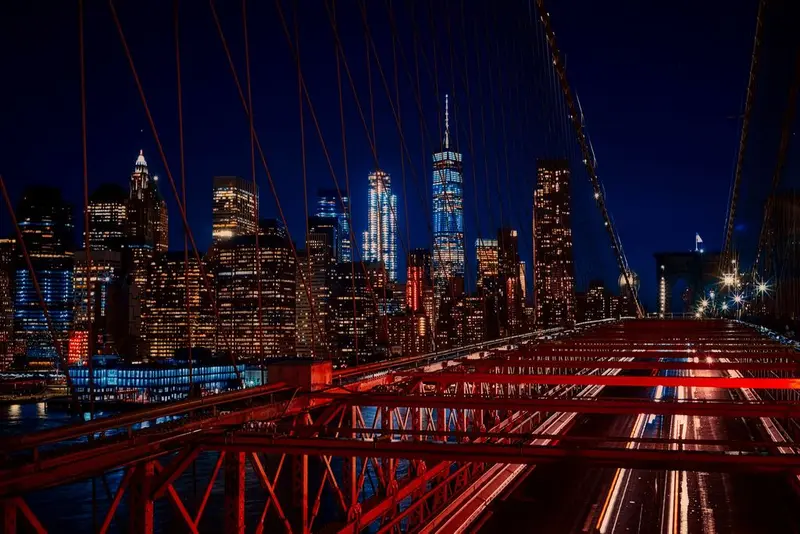
Things to Do in United States
Photo made by Pixabay on Pexels.com
When to visit
Most popular attractions in United States
Exploring things to do in United States offers diverse adventures: trek 277 miles of trails at the Grand Canyon, witness the Statue of Liberty's 305-foot height in New York Harbor, or wander through 2.2 million acres of geothermal wonders in Yellowstone National Park. Each destination provides unique insight into America's natural and cultural heritage.
1. Grand Canyon
Grand Canyon Village
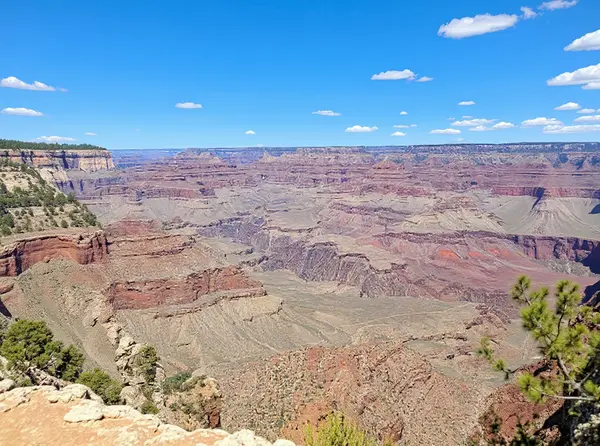
Incredible rock formations showcase 2 billion years of Earth’s history. Wander breathtaking trails and witness stunning sunrises that paint the vast canyon in fiery colors.
Quick facts: The depth of this natural wonder can reach over a mile, exposing nearly 2 billion years of Earth's geological history. The inspiring views attract around 6 million visitors annually, making it one of the most visited national parks in the country.
Highlights: The vibrant layers of red, orange, and pink rock change hues throughout the day, transforming with the sunlight and shadows. For a breathtaking experience, catch the sunrise at Yaki Point, where colors burst dramatically over the canyon’s sprawling ridges.
2. Statue of Liberty
New York
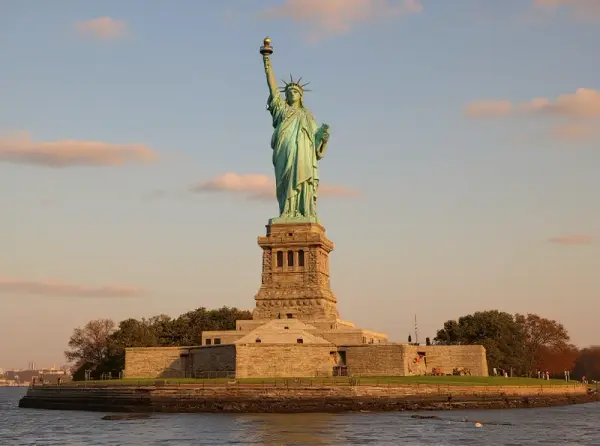
Experience towering freedom and stunning skyline views. Climb up for an up-close encounter with America’s iconic emblem.
Quick facts: A colossal copper statue that was once a dull brown now gleams green due to natural patina. Standing just over 151 feet tall, it holds a torch representing freedom and democracy.
Highlights: Inspect the intricate seven spikes on the crown, each representing a continent or ocean, symbolizing universal liberty. Descending inside to the statue’s pedestal reveals the original torch, replaced after years of exposure to the elements.
3. Yellowstone National Park
West Yellowstone
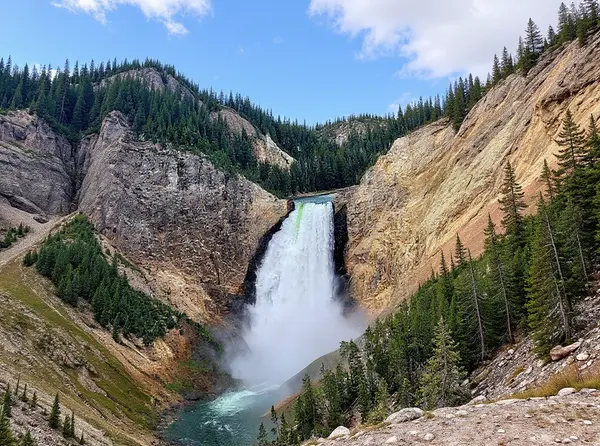
Explore a living volcanic landscape packed with incredible geothermal features. Encounter wild animals and vibrant hot springs at every turn.
Quick facts: The park houses more than half of the world's geysers, including the iconic Old Faithful known for its predictability. Wildlife roams freely with bison, wolves, and bears often spotted grazing and hunting across vast forests and meadows.
Highlights: Bubbling mud pots and steaming fumaroles paint a surreal landscape, revealing an intense geothermal force beneath the surface. Catch the vibrant Grand Prismatic Spring's swirling colors of orange, yellow, and blue, a spectacle of nature you won't forget.
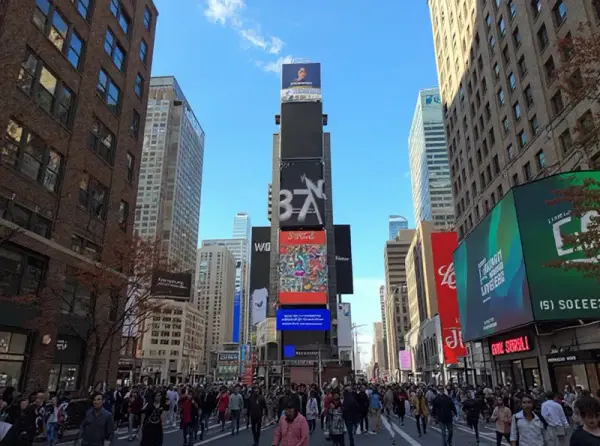
4. Times Square
New York
Experience the dazzling lights and unstoppable energy. Dive into a world buzzing with electrifying visuals and endless entertainment.
Quick facts: You can find over 300,000 LED lights brightening up the vibrant screens. Around 330,000 people pass through daily, making it one of the most bustling pedestrian areas worldwide.
Highlights: One unique feature is the stunning digital billboards that stretch as tall as 8 stories and showcase dazzling visuals 24/7. Every New Year's Eve, the crowd counts down as a 12-foot crystal ball drops, a tradition drawing over a million viewers in person and worldwide.
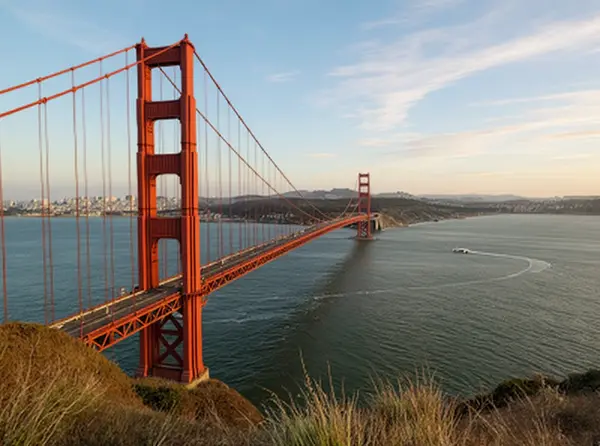
5. Golden Gate Bridge
San Francisco
Explore a legendary feat of engineering with breathtaking views. Experience the thrill of spanning the iconic span above shimmering waters.
Quick facts: The bridge stretches over 1.7 miles and has been featured in countless films and photos, making it an icon of engineering and design. Known for its International Orange color, it was originally chosen to enhance visibility in San Francisco's frequent fog.
Highlights: Walking or biking across offers sweeping views of the bay, Alcatraz, and the city skyline, especially beautiful at sunrise or sunset. The bridge's unique Art Deco towers rise 746 feet, casting dramatic shadows that create a mesmerizing play of light.
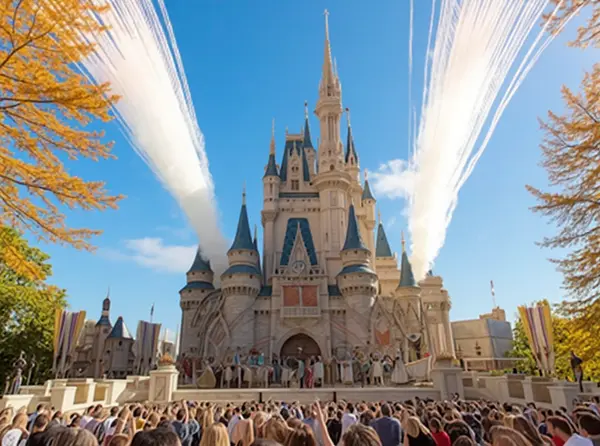
6. Walt Disney World Resort
Orlando
Experience a world where dreams come alive and magic fills the air. Dive into epic rides, legendary characters, and unforgettable shows around every corner.
Quick facts: The resort covers nearly 25,000 acres, making it roughly the size of San Francisco. It hosts over 50 million visitors annually, more than any other vacation resort worldwide.
Highlights: The resort features four distinct theme parks and two water parks, each offering unique worlds to explore with hundreds of rides and live shows. Nighttime spectaculars include fireworks choreographed precisely to music, lights, and even drones, creating a dazzling experience that feels alive.
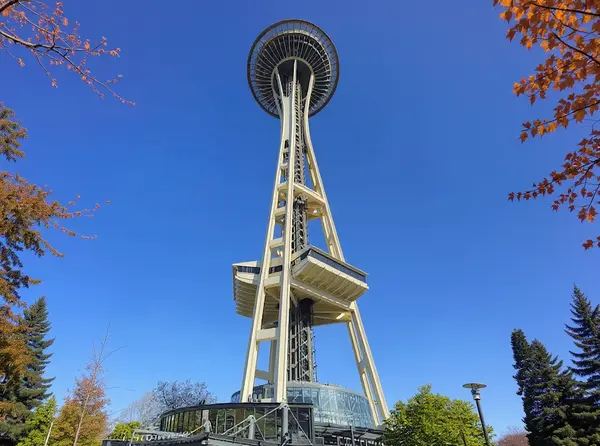
7. Space Needle
Seattle
Experience breathtaking cityscapes from a towering icon. Enjoy rotating views and sunsets that transform the skyline into art.
Quick facts: Sky-high dining on a rotating restaurant offers a feast with 360-degree city views. Represents bold futuristic spirit with its sleek, flying-saucer silhouette.
Highlights: Gleaming 520 feet above the ground, the observation deck gives a crystal-clear panoramic view stretching over 40 miles on a sunny day. Catch the glowing sunset reflecting off Mount Rainier’s snowy peak for a breathtaking spectacle.
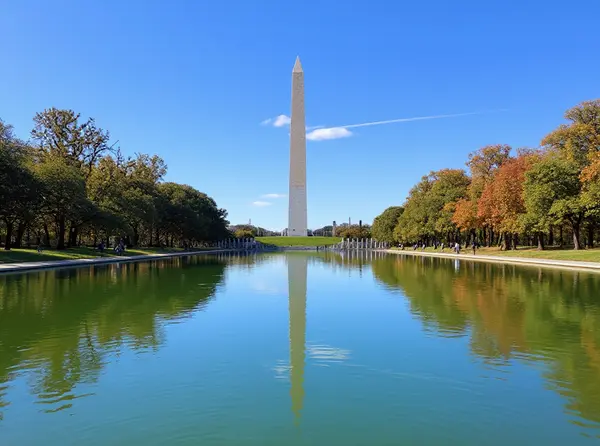
8. National Mall
Washington, D.C.
Explore vast open spaces filled with rich history and striking monuments. Visitors will soak in stunning vistas and vibrant cultural events throughout the year.
Quick facts: The place stretches over 1.9 miles and hosts iconic monuments like the Lincoln Memorial and Washington Monument. Yearly, millions gather here for events, from presidential inaugurations to vibrant cherry blossom festivals.
Highlights: A sight that stands out is the Reflecting Pool, mirroring the sky and monuments for stunning photos during sunrise or sunset. Unexpectedly, the spot has hosted unique nighttime events with illuminated memorials creating a magical ambiance.

9. French Quarter
New Orleans
Step into a colorful blend of history and lively culture. Immerse yourself in soulful street music and charming architecture on every corner.
Quick facts: The area showcases the oldest architecture in the city, where Spanish and French Creole styles overlap. Street musicians and artists fill the air with jazz, blues, and vibrant street performances daily.
Highlights: Festivities often erupt spontaneously here, especially during Mardi Gras when over a million beads fly through the air. Look for the iconic wrought iron balconies covered with hanging plants and colorful shutters that tell stories of centuries past.
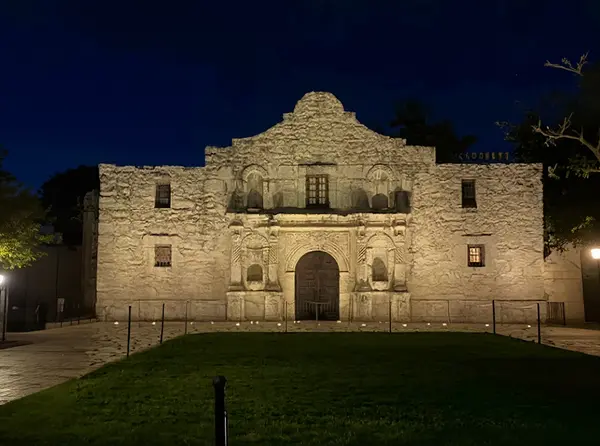
10. The Alamo
San Antonio
Experience the epic story of courage and sacrifice. Walk through history where Texas fought fiercely for freedom.
Quick facts: A legendary battle here lasted 13 days, where just about 200 defenders faced thousands of Mexican troops. The skinny limestone church now stands as a powerful symbol of Texan bravery and independence.
Highlights: The site echoes with stories of fierce fighting and heroism, including figures like Davy Crockett and Jim Bowie. Behind the courtyard, you can explore exposed battle walls worn down by cannonballs and musket fire.
Where to Stay in United States
Selected by City Buddy based on guest reviews and proximity to top attractions
Search all hotels in United StatesPowered by agoda
Opening days in United States
Which of the top sights close on which day of the week — the classic trip-ruiner, checked for you.
Good news: all 6 top sights with known hours are open every day of the week.
Closed on Monday · 0 closed, 6 open
Nothing closes on Monday — all 6 sights with known hours are open.
Opening days from Google Maps. Public holidays, strikes and seasonal hours can differ — check the official website before you go.
Popular Cities in United States


Traditional Sweet Dishes

Apple pie
Often called 'as American as apple pie', it became a symbol of American home cooking and was popularized in the 19th century.

Chocolate chip cookie
Invented by Ruth Wakefield in Massachusetts in the 1930s, it quickly became America's favorite cookie and is now baked nationwide.

Brownies
Developed in the late 19th century, brownies are a fudgy or cakey chocolate bar often associated with American lunch boxes and bake sales.
Traditional Savory Dishes

Hamburger
While versions existed elsewhere, the modern hamburger was popularized in the United States and became a symbol of American fast food and backyard grilling.

Hot dog
Rooted in German sausages, the hot dog was embraced at American baseball games and street carts, and it is a staple at barbecues and Fourth of July celebrations.

Fried chicken
With deep roots in Southern cooking and African and Scottish influences, American fried chicken is known for its crispy seasoned coating and juicy meat.
Traditional Beverages

Coca-Cola
Created in Atlanta in 1886, Coca-Cola became a global icon of American soda culture and advertising.

Sweet iced tea
Particularly associated with the American South, sweet iced tea is a ubiquitous sugar-sweetened cold tea served year-round with meals.

Bourbon
A distinctively American whiskey, bourbon must be made from at least 51% corn and aged in new charred oak barrels, with Kentucky as its historic heartland.
Frequently Asked Questions about United States
What is the best time to visit the United States?
Is the United States expensive to visit?
How do I get around the United States?
Is tap water safe to drink in the United States?
How many tourists visit the United States each year?
Get a PDF with the most popular attractions sent to your email
Get a PDF with all attractions, ratings, and tips. Perfect for offline use.
Most popular day trips
Getting there
Airports
Train stations
Amtrak Northeast Corridor, MARC, VRE
From Reagan use Metro or taxi; Dulles has an Express bus to downtown; BWI linked by shuttle and MARC train.
Visa & entry
Visa Waiver Program countries including EU Schengen states, United Kingdom, Japan, South Korea, Australia, New Zealand, Canada
Citizens of countries not in the Visa Waiver Program, for example India, China, Nigeria, and many others
If eligible, apply for ESTA at least 72 hours before travel; otherwise check U.S. consulate visa rules.
Useful information for United States
Overview for United States
Want a day-by-day plan for United States? Open the trip planner
Plan your perfect trip to United States
Get a complete travel plan built just for you in under 30 seconds, with daily routes, local food tips, budget estimates and more.
Are any of these especially important to you?
Select all that apply
Getting around
How do you want to move between places?
Plan language: EnglishMost popular itineraries for United States
Browse trip plans created by other travelers