 CityBuddy
 English
Chamonix-Mont-Blanc vs Zermatt: which should you visit in 2026?
Prices, safety, weather, nightlife and the top attractions of Chamonix-Mont-Blanc and Zermatt side by side, plus a verdict for every kind of traveler.
Our verdict
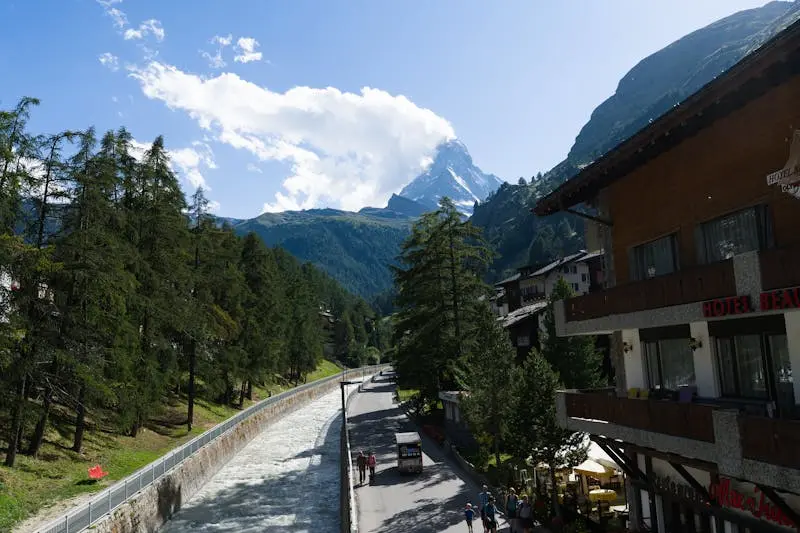
Chamonix-Mont-Blanc and Zermatt both offer exceptional alpine experiences. Pick Chamonix-Mont-Blanc for its budget-friendly pricing, with hotels at $100 per night and $70 daily backpacker budgets, plus summer warmth averaging 17°C. Pick Zermatt for premium comfort, superior nature access at 10/10, and higher-rated hotels averaging 9.1/10. Zermatt draws 700K tourists yearly while Chamonix draws 3M, making Zermatt feel quieter. Both are walkable, safe, and serve safe tap water.
ZermattZermatt leads in 8 of 18 categories
Chamonix-Mont-Blanc vs Zermatt at a glance
marks the better value in each row (lower prices, higher scores, fewer crowds).
Which is better for you?
Couples
Pick ZermattPick Zermatt if you want a quieter, more romantic alpine escape with 9/10 safety, 9/10 cleanliness, and hotel scores averaging 9.1/10. Pick Chamonix-Mont-Blanc if you prefer lower costs at $100 per night and don't mind a busier 3M visitor setting.
Families with kids
Pick Chamonix-Mont-BlancPick Chamonix-Mont-Blanc if budget matters for family travel, since hotels run $100 per night versus $150 in Zermatt. Pick Zermatt if you value higher walkability at 8/10 and superior nature access at 10/10 for outdoor family adventures.
Budget travelers
Pick Chamonix-Mont-BlancPick Chamonix-Mont-Blanc if stretching funds matters, with $70 daily backpacker budgets, $100 hotels, and $20 restaurant meals. Pick Zermatt if you accept higher costs at $90 daily budgets, $150 hotels, and $35 meals, but want better hotel quality at 9.1 average scores.
Nightlife
Either worksBoth destinations score an identical 6/10 for nightlife, so neither offers a clear advantage after dark. Pick either Chamonix-Mont-Blanc or Zermatt based on other priorities like cost or scenery, since the evening scene data shows no meaningful difference.
Culture & history
Pick ZermattPick Zermatt for a richer cultural footprint with the Matterhorn Museum (4.5/5), the Gornergrat Railway (4.7/5), and a food scene rated 8/10. Pick Chamonix-Mont-Blanc if the Olympic Museum (4.6/5) and its food scene at 7/10 appeal just as strongly at lower prices.
Beaches & nature
Pick ZermattPick Zermatt for unmatched nature access at 10/10, anchored by the Matterhorn (4.8/5) and Klein Matterhorn (4.8/5). Pick Chamonix-Mont-Blanc if you still want excellent nature at 9/10 with Aiguille du Midi (4.8/5) and the Mer de Glace glacier, while saving on costs.
Top attractions compared
Top things to do in Chamonix-Mont-Blanc
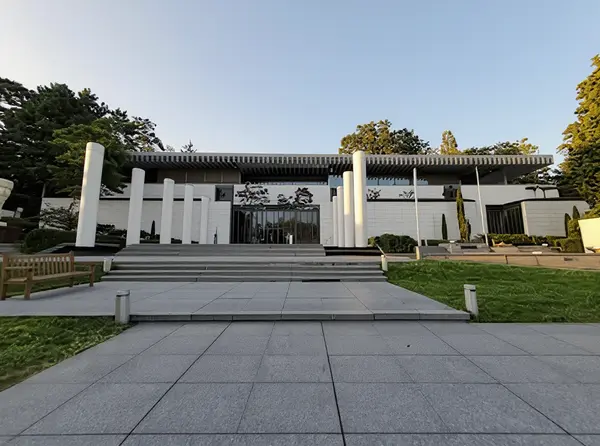 1. Olympic Museum
4.6 (10,412)
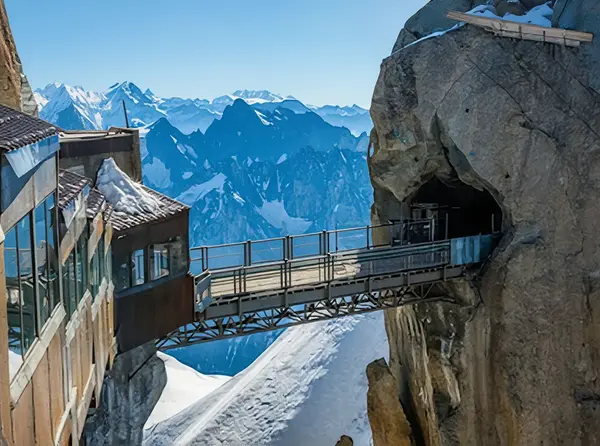 2. Aiguille du Midi
4.8 (4,030)
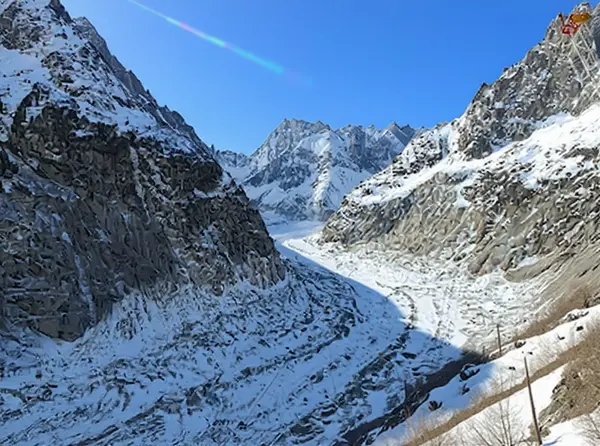 3. Mer de Glace
4.3 (1,074)
Top things to do in Zermatt
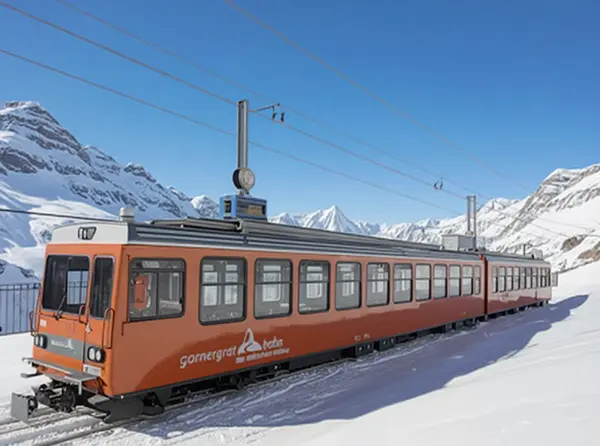 1. Gornergrat Railway
4.7 (5,423)
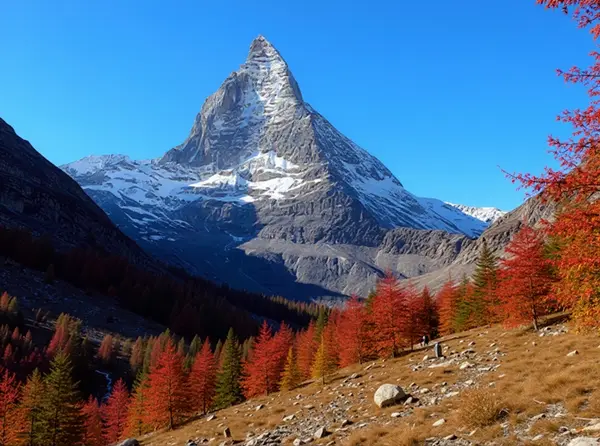 2. Matterhorn
4.8 (4,116)
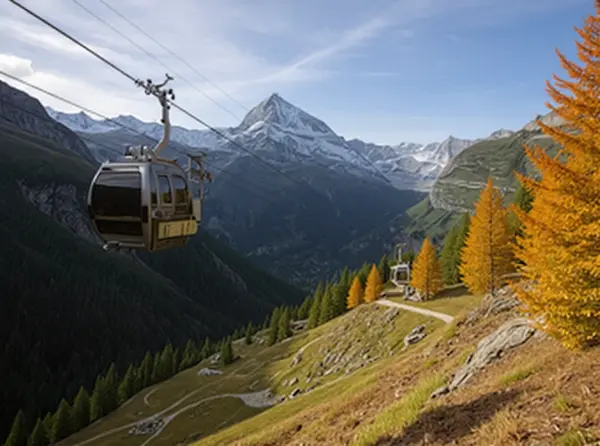 3. Sunnegga Paradise
4.7 (2,515)
Can you visit both?
Chamonix-Mont-Blanc and Zermatt are about 69 km apart
At just 69 km apart, these two alpine towns work best as a two-base trip, spending several nights in each. They are separated by mountain terrain, so plan for a border crossing by road between France and Switzerland. A single day trip is not practical given the distance and elevation changes.
Where to stay
Chamonix-Mont-Blanc
14 well-reviewed hotels near the center, average guest score 8.8/10
Hotels from about $100 per night
Hotels in Chamonix-Mont-BlancZermatt
30 well-reviewed hotels near the center, average guest score 9.1/10
Hotels from about $150 per night
Hotels in ZermattTours & tickets
Frequently asked questions
Is Chamonix-Mont-Blanc or Zermatt cheaper?
Chamonix-Mont-Blanc is clearly cheaper. Hotels cost $100 versus $150 per night in Zermatt, restaurant meals run $20 versus $35, and daily backpacker budgets are $70 versus $90. Mid-range travelers spend $150 daily in Chamonix versus $250 in Zermatt.
Which is better for budget-conscious travelers?
Chamonix-Mont-Blanc is the better pick for budget travelers. A $70 daily backpacker budget, $100 hotels, and $20 meals keep costs manageable. Zermatt demands $90 daily budgets, $150 hotels, and $35 meals, so it suits travelers willing to pay more for 9.1-rated hotels.
Can you visit both Chamonix-Mont-Blanc and Zermatt in one trip?
Yes, the two cities sit just 69 km apart in a straight line. They work well as a two-base trip where you split your stay between them, though you would not realistically visit both as a simple day trip given the mountainous terrain between France and Switzerland.
Which is better in summer?
Chamonix-Mont-Blanc is warmer in summer at 17°C average from June to August, while Zermatt sits cooler at 13.7°C. Both list June, July, and August as best months. For winter, Zermatt adds December through February to its best months, matching Chamonix's winter appeal.