 CityBuddy
 English
Faro vs Porto: which should you visit in 2026?
Prices, safety, weather, nightlife and the top attractions of Faro and Porto side by side, plus a verdict for every kind of traveler.
Our verdict
Faro and Porto both cost $50 per hotel night, but Faro suits sun-and-nature travelers with its 9/10 nature access and 23.3°C summer average. Porto suits city explorers with its 8/10 food scene, 7/10 nightlife, and larger hotel selection. Backpackers save $5 daily in Porto at $35 versus $40. Pick Faro for coast and calm; pick Porto for culture and crowds.
PortoPorto leads in 7 of 19 categories
Faro vs Porto at a glance
marks the better value in each row (lower prices, higher scores, fewer crowds).
Which is better for you?
Couples
Pick FaroPick Faro if you want peaceful days in Ria Formosa Natural Park and strolls along Praia de Faro with 8/10 walkability. Pick Porto if romantic nights matter more, with a 7/10 nightlife and the Dom Luís I Bridge for dramatic sunset views. Both share the same $50 hotel price.
Families with kids
Pick FaroPick Faro if your family prefers beaches and open nature with a 9/10 nature access score and a quieter feel. Pick Porto if your family wants more entertainment options, with a 7/10 nightlife and 84 hotels with 50-plus reviews against Faro's 5. Hotel prices match at $50.
Budget travelers
Pick PortoPick Porto if you backpack, since the daily budget is $35 versus $40 in Faro, and beer costs $2.5 instead of $3. Pick Faro if you want cheaper coffee at $1.3. Hotels, meals at $10, and taxis at $0.6 per km are identical in both cities.
Nightlife
Pick PortoPick Porto for a 7/10 nightlife score and a livelier city scene. Pick Faro only if you prefer low-key evenings, with a 5/10 nightlife and a small-town feel. Porto's larger population of 238K supports more venues and later hours compared to Faro's 58K.
Culture & history
Pick PortoPick Porto for the Dom Luís I Bridge (4.8/5, 93411 reviews) and Livraria Lello, plus an 8/10 food scene. Pick Faro for Faro Cathedral and the Municipal Market in a more relaxed setting. Porto's cultural depth outweighs Faro's smaller historic core.
Beaches & nature
Pick FaroPick Faro for a 9/10 nature access score and the Ria Formosa Natural Park, a coastal lagoon perfect for birdwatching and beach time. Pick Porto if you want nature with less focus, rated 7/10, with green escapes around Bom Jesus do Monte. Faro wins clearly for outdoors.
Top attractions compared
Top things to do in Faro
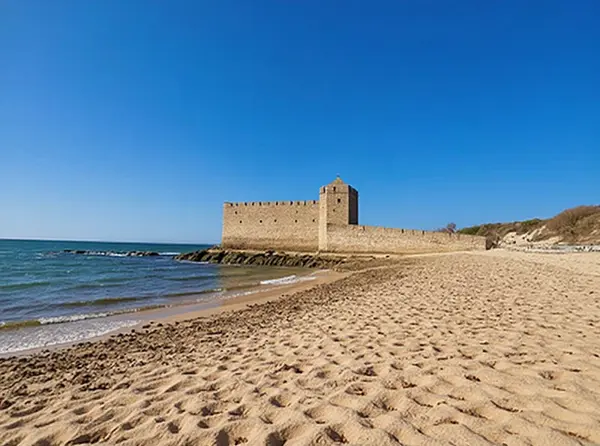 1. Praia de Faro (Faro Beach)
4.5 (6,672)
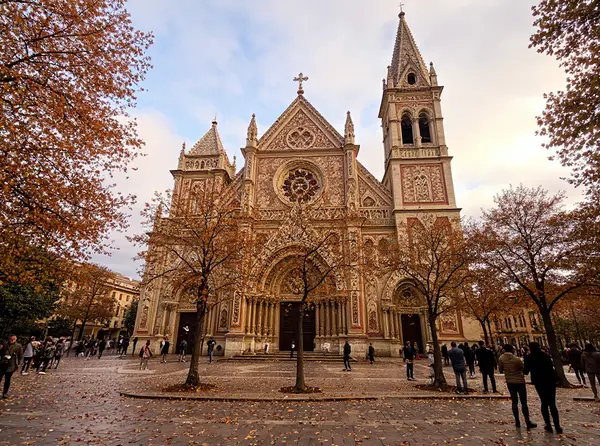 2. Faro Cathedral (Sé de Faro)
4.4 (5,800)

Top things to do in Porto
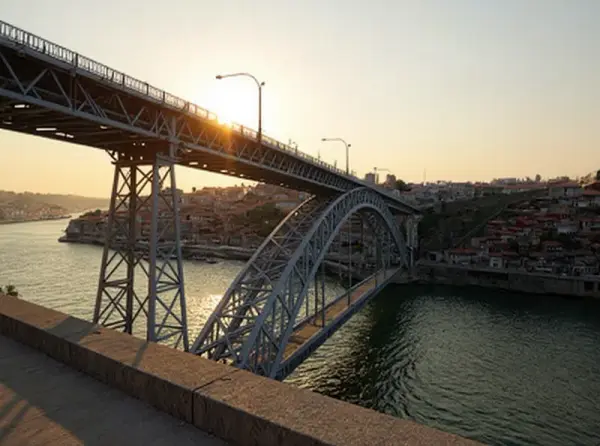 1. Dom Luís I Bridge (Ponte Dom Luís I)
4.8 (93,411)
 2. Livraria Lello
4 (83,089)
 3. Bom Jesus do Monte Sanctuary
4.8 (36,386)
Can you visit both?
Faro and Porto are about 463 km apart
At 463 km apart, a day trip between Faro and Porto is impractical. Use both as a two-base trip with several days in each city. The common way to travel between them is by train or flight. Start on the coast in Faro, then finish in Porto's historic center for a complete Portuguese contrast.
Where to stay
Faro
5 well-reviewed hotels near the center, average guest score 8.6/10
Hotels from about $50 per night
Hotels in FaroPorto
84 well-reviewed hotels near the center, average guest score 8.9/10
Hotels from about $50 per night
Hotels in PortoTours & tickets
Frequently asked questions
Is Faro or Porto cheaper?
Porto is slightly cheaper for backpackers at $35 daily versus $40 in Faro, and beer costs $2.5 instead of $3. Hotels match at $50 per night, meals are the same at $10, and taxis cost $0.6 per km in both. Coffee is cheaper in Faro at $1.3.
Which city suits a nature lover better?
Faro wins decisively with a 9/10 nature access score against Porto's 7/10. The Ria Formosa Natural Park offers coastal lagoons and birdwatching, while Praia de Faro delivers beach access. Porto's nature is secondary to its urban appeal. Choose Faro for outdoor-focused travel.
Can you visit both Faro and Porto in one trip?
Yes. The cities are 463 km apart by straight line, so a single trip works best as two bases rather than a day trip. Plan several days in each city and travel between them once. This gives you both coastal Faro and urban Porto without constant transit.
Which city is better in summer?
Faro is better in summer if you want warmth, averaging 23.3°C from June to August versus 20.7°C in Porto, with only 85 rainy days a year against Porto's 113. Porto's mild summer suits travelers who prefer cooler evenings. Both share May, June, September, and October as best months.