 CityBuddy
 English

Oxford vs Bristol: which should you visit in 2026?
Prices, safety, weather, nightlife and the top attractions of Oxford and Bristol side by side, plus a verdict for every kind of traveler.
Our verdict
Oxford and Bristol both reward a UK visit, but differently. Oxford suits travelers who want history, calm streets and lower prices: hotels run $80 a night, meals $18, and crime safety scores 7/10. Bristol suits those who want a bigger city with a better food scene and warmer winters: meals cost $15, food scores 8/10, and winter averages 6.3°C. Culture lovers should favor Oxford's museums; food and nightlife fans should favor Bristol's markets and bridges.
OxfordOxford leads in 7 of 19 categories
Oxford vs Bristol at a glance
marks the better value in each row (lower prices, higher scores, fewer crowds).
Which is better for you?
Couples
Pick OxfordPick Oxford if you want romantic walks through botanic gardens and historic colleges, with safer streets at 7/10 and lower hotel rates at $80. Pick Bristol if you prefer a dramatic Clifton Suspension Bridge backdrop and a food scene scoring 8/10 for memorable date-night dinners.
Families with kids
Pick BristolPick Oxford if families value safe, walkable streets at 8/10 walkability and quieter museums like Pitt Rivers. Pick Bristol if kids need hands-on attractions like Bristol Zoo Gardens and SS Great Britain, with more hotel choices at 26 within five kilometers of the centre.
Budget travelers
Pick OxfordPick Oxford if you want the lowest daily spend: backpacker budgets run $50 but hotels cost $80 versus $75 in Bristol, and meals are $18 versus $15. Pick Bristol when accommodation savings and cheaper meals tip the scale. Overall Oxford edges it on total cost.
Nightlife
Either worksPick Oxford if you want lively but manageable evenings with a 7/10 nightlife score and fewer crowds. Pick Bristol if you want the same 7/10 rating with a larger population of 467K supporting more venues. Both score identically, so either works.
Culture & history
Pick OxfordPick Oxford if you want world-class institutions like the Ashmolean Museum at 4.7/5 and the University of Oxford at 4.6/5. Pick Bristol if you prefer SS Great Britain and Bristol Museum & Art Gallery, both strong but smaller in name recognition. Oxford leads on depth.
Beaches & nature
Pick OxfordPick Oxford if nature access matters most: it scores 8/10 with Oxford Botanic Garden rated 4.5/5. Pick Bristol if you want the Clifton Suspension Bridge at 4.8/5 with surrounding green spaces, though overall nature access scores 7/10 there. Oxford wins on access.
Top attractions compared
Top things to do in Oxford
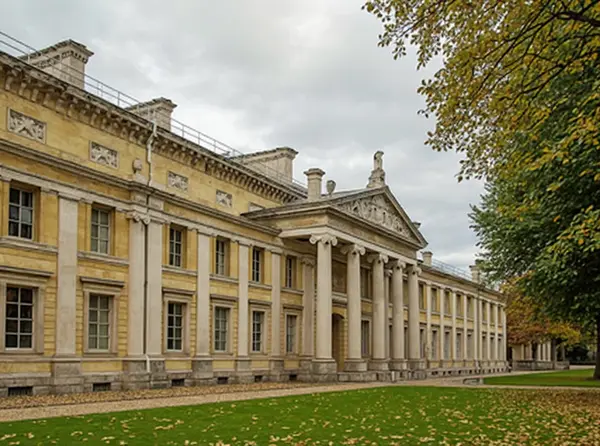 1. Ashmolean Museum
4.7 (11,463)
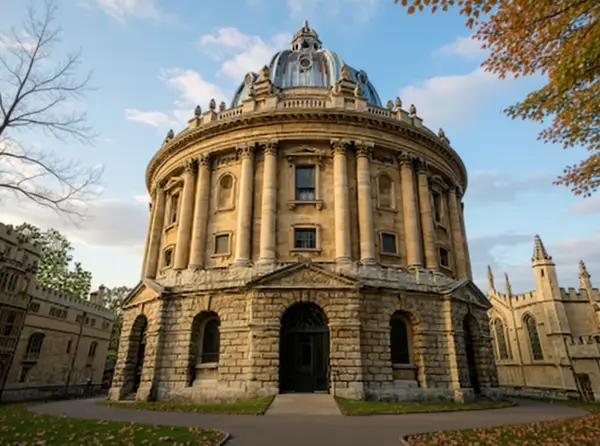 2. University of Oxford
4.6 (6,819)
 3. Oxford Botanic Garden
4.5 (5,560)
Top things to do in Bristol
 1. Clifton Suspension Bridge
4.8 (18,545)
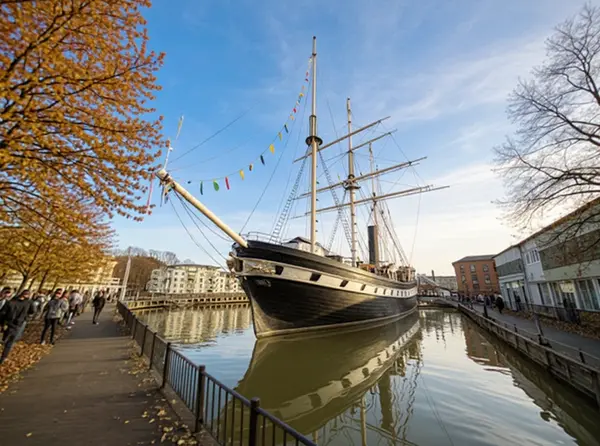 2. SS Great Britain
4.8 (10,039)
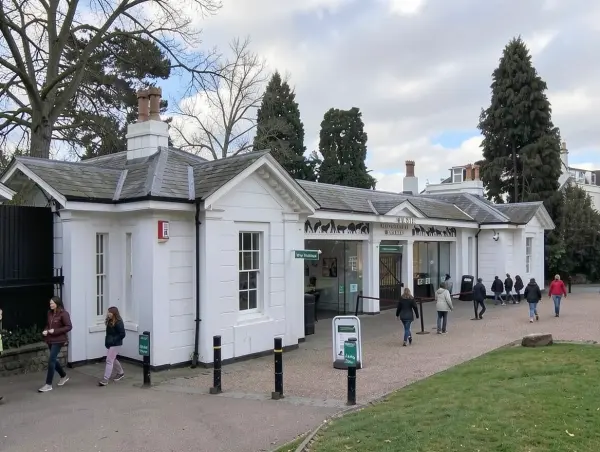 3. Bristol Zoo Gardens
4.4 (9,870)
Can you visit both?
Oxford and Bristol are about 98 km apart
Oxford and Bristol sit 98 km apart, so a two-base trip works well: a few days in Oxford for colleges and museums, then a few in Bristol for the bridge and markets. A day trip is possible by car or train, though overnight stays in each let you experience both properly. Two shorter trips also make sense.
Where to stay
Oxford
24 well-reviewed hotels near the center, average guest score 8.3/10
Hotels from about $80 per night
Hotels in OxfordBristol
26 well-reviewed hotels near the center, average guest score 8.5/10
Hotels from about $75 per night
Hotels in BristolTours & tickets
Frequently asked questions
Is Oxford or Bristol cheaper?
Oxford is cheaper overall. Hotels run $80 per night versus $75 in Bristol, but restaurant meals cost $18 in Oxford versus $15 in Bristol and coffee is $3 versus $3.5. For mid-range travelers, Oxford budgets $100 daily versus Bristol's $120, making Oxford the better pick.
Which is better for a traveler focused on feeling safe?
Oxford is clearly safer, scoring 7/10 for crime safety versus Bristol's 5/10. Bristol's larger population of 467K brings more activity but also more petty crime. Families or solo travelers who rank safety first should choose Oxford without hesitation.
Can you visit both Oxford and Bristol in one trip?
Yes. The cities sit 98 km apart in a straight line, close enough for a two-base trip where you spend several nights in each. A day trip is tight but possible by car or train. Most travelers split their time rather than rushing.
Which is better in winter?
Bristol is milder in winter, averaging 6.3°C from December to February versus Oxford's 4.7°C. Both share May, June and September as best months. If you travel between December and February, Bristol's warmer air and food scene at 8/10 make it the comfortable choice.