 CityBuddy
 English

Rome vs Florence: which should you visit in 2026?
Prices, safety, weather, nightlife and the top attractions of Rome and Florence side by side, plus a verdict for every kind of traveler.
Our verdict
Rome and Florence are both $80 per night for hotels, so lodging is equal. Rome wins on cost for backpackers at $50 daily versus Florence's $60, but Florence offers cheaper meals at $15 versus $20. Rome suits travelers who love scale, history and nightlife (7/10). Florence suits those who prefer compact charm and more English speakers (7/10). Pick based on your pace, not price.
RomeRome leads in 9 of 19 categories
Rome vs Florence at a glance
marks the better value in each row (lower prices, higher scores, fewer crowds).
Which is better for you?
Couples
Either worksPick Rome if you want grand romantic set pieces like the Trevi Fountain and Colosseum. Pick Florence if you prefer sunset views from Piazzale Michelangelo. Both have hotel rates near $80 and similar walkability of 9/10, so the choice depends on which atmosphere you share best.
Families with kids
Pick RomePick Rome if traveling with kids. Its 9/10 walkability and public transport score of 7/10 make getting around easier, and a $50 backpacker daily budget gives more room for family extras. Florence's 26.2x tourist-to-resident ratio and five very busy months add more crowding stress.
Budget travelers
Pick RomePick Rome if watching every dollar. A backpacker needs $50 daily versus Florence's $60, and a beer costs $4 rather than $5. Pick Florence if meals matter most, since restaurant meals run $15 versus $20. Hotels cost the same at $80, so Rome wins overall.
Nightlife
Pick RomePick Rome for nightlife. It scores 7/10 against Florence's 6/10, and a beer costs $4 versus $5. Pick Florence if you prefer quieter evenings and cheaper restaurant meals at $15. Rome's bigger scene and lower drink prices make it the nightlife pick.
Culture & history
Either worksPick Rome for the Colosseum, Pantheon and Vatican Museums. Pick Florence for the Uffizi Gallery and the Duomo. Both cities score 9/10 for food scene and host 10 million tourists yearly, so culture lovers get depth either way. The choice is about which era of art speaks louder.
Beaches & nature
Either worksPick Rome if you want a larger city with more green escapes nearby, though its nature score is 6/10. Pick Florence if you prefer hillside viewpoints like Piazzale Michelangelo, also rated 6/10 for nature access. Both tie at 6/10, so neither has a clear outdoor advantage.
Top attractions compared
Top things to do in Rome
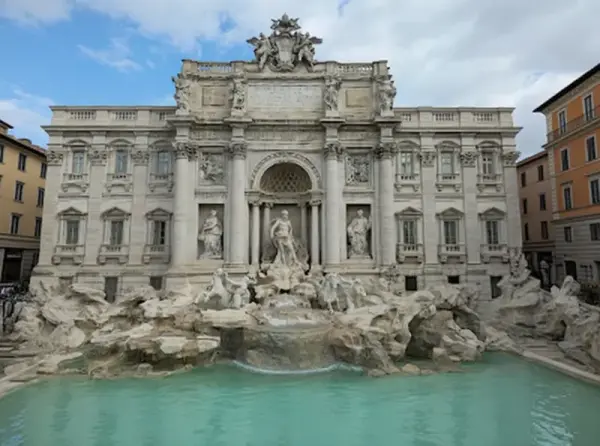 1. Trevi Fountain
4.7 (494,350)
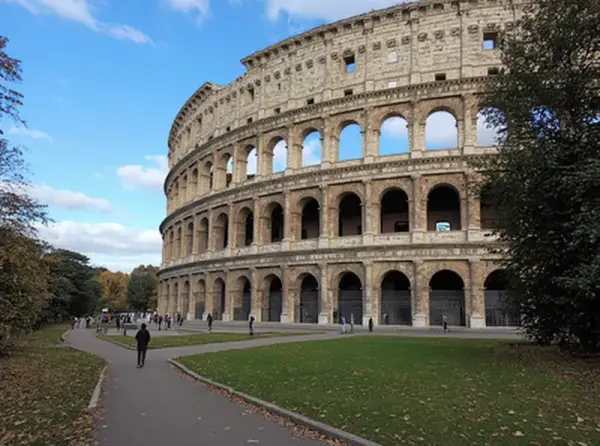 2. Colosseum
4.8 (481,249)
 3. Pantheon
4.8 (272,996)
Top things to do in Florence
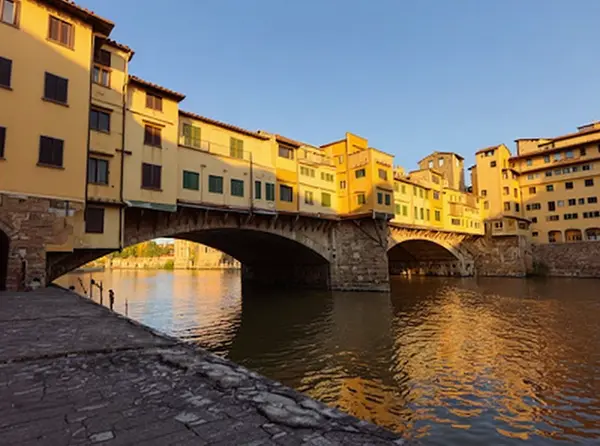 1. Ponte Vecchio
4.7 (148,396)
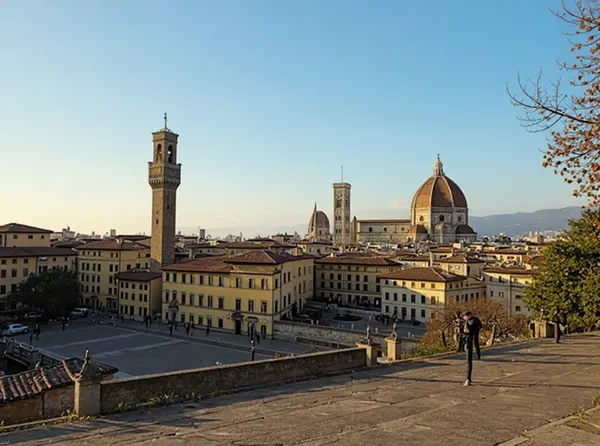 2. Piazzale Michelangelo
4.8 (107,660)
Can you visit both?
Rome and Florence are about 234 km apart
The 234 km separating Rome and Florence makes a two-base trip natural: spend part of your stay in each city rather than attempting a rushed day trip. Splitting your nights in both cities is the common approach, and the well-known rail connection between them is the usual way to travel.
Where to stay
Rome
328 well-reviewed hotels near the center, average guest score 8.3/10
Hotels from about $80 per night
Hotels in RomeFlorence
156 well-reviewed hotels near the center, average guest score 8.5/10
Hotels from about $80 per night
Hotels in FlorenceTours & tickets
Frequently asked questions
Is Rome or Florence cheaper?
Rome is cheaper overall. A backpacker spends $50 daily versus Florence's $60, a mid-range traveler spends $120 versus $150, and a beer costs $4 versus $5. Florence counters with $15 meals versus $20, and hotels match at $80 per night.
Which is better for a traveler who dislikes crowds?
Florence is the worse choice for crowd-averse travelers. It draws 10 million tourists against a population of 382K, a 26.2x ratio versus Rome's 3.5x, and has five very busy months versus Rome's two. Rome spreads the pressure across a much larger city.
Can you visit both Rome and Florence in one trip?
Yes. The straight-line distance is 234 km, which makes a combined trip practical for most itineraries. Many travelers split their stay between the two, or visit one as a base with time in the other. Their shared best months of April, May, September and October work well for both.
Which is better in summer?
Florence is cooler in summer, averaging 23.3°C from June to August versus Rome's 26°C. Both share July as the warmest month, and both recommend April, May, September and October as best months. For summer comfort, Florence's three-degree advantage matters on hot days.