 CityBuddy
 English

Santa Cruz de Tenerife vs Valletta: which should you visit in 2026?
Prices, safety, weather, nightlife and the top attractions of Santa Cruz de Tenerife and Valletta side by side, plus a verdict for every kind of traveler.
Our verdict
Santa Cruz de Tenerife and Valletta both offer safe, walkable city breaks with warm locals and solid food. Santa Cruz wins for nature lovers with 9/10 nature access and a $50 hotel night, plus milder 23.3°C summers. Valletta suits history seekers with its 4.8/5 St. John's Co-Cathedral, 9/10 walkability, and more English speakers. Choose Santa Cruz for outdoor adventure and lower costs; choose Valletta for compact, culture-rich exploration in a fortress setting.
Santa Cruz de TenerifeSanta Cruz de Tenerife leads in 7 of 18 categories
Santa Cruz de Tenerife vs Valletta at a glance
marks the better value in each row (lower prices, higher scores, fewer crowds).
Which is better for you?
Couples
Pick Santa Cruz de TenerifePick Santa Cruz de Tenerife if you want romantic nature escapes like Parque Rural de Anaga (4.8/5) and Playa de Las Teresitas, with a $50 hotel night and 18.3°C winters. Pick Valletta if you prefer strolling hand in hand through Upper Barrakka Gardens with 9/10 walkability and warm 27.3°C summers.
Families with kids
Pick Santa Cruz de TenerifePick Santa Cruz de Tenerife if kids need outdoor space, with 9/10 nature access, Parque Marítimo César Manrique pools, and cheaper $10 meals. Pick Valletta if your family enjoys history, with Fort St. Elmo and St. John's Co-Cathedral, though meals run $15 and nature scores only 5/10.
Budget travelers
Pick Santa Cruz de TenerifePick Santa Cruz de Tenerife if stretching dollars matters. Hotel nights cost $50 versus $60 in Valletta, meals run $10 versus $15, beer is $2.5 versus $4, and backpacker daily budgets are $40 versus $50. Pick Valletta only if compact walkability matters more than savings.
Nightlife
Either worksPick Santa Cruz de Tenerife if you like beach-adjacent evening scenes with cheaper $2.5 beers. Pick Valletta if you prefer bar culture in a fortress setting with $4 beers. Both score 6/10 for nightlife, so the choice depends on atmosphere rather than quality.
Culture & history
Pick VallettaPick Valletta if history is your priority. St. John's Co-Cathedral scores 4.8/5 from 24,731 reviews, Upper Barrakka Gardens 4.7/5 from 38,006 reviews, and the city delivers 7/10 English proficiency for deeper engagement. Pick Santa Cruz if you want the Auditorio and market culture instead.
Beaches & nature
Pick Santa Cruz de TenerifePick Santa Cruz de Tenerife without hesitation. Nature access scores 9/10, Parque Rural de Anaga earns 4.8/5 from 15,402 reviews, and Las Teresitas beach scores 4.6/5. Valletta manages only 5/10 nature access. This is the clearest distinction between the two cities.
Top attractions compared
Top things to do in Santa Cruz de Tenerife
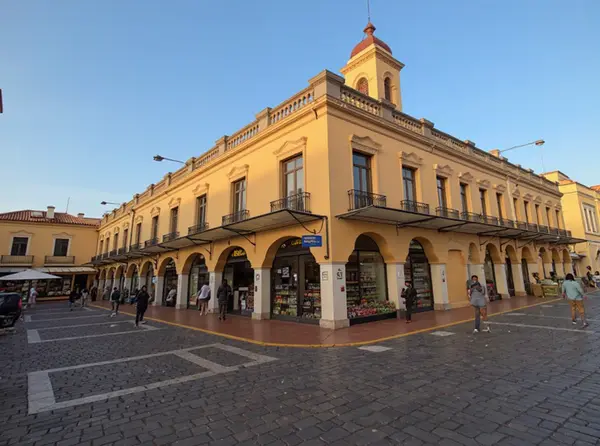 1. Mercado de Nuestra Señora de África
4.6 (16,642)
- 2. Parque Rural de Anaga
4.8 (15,402)
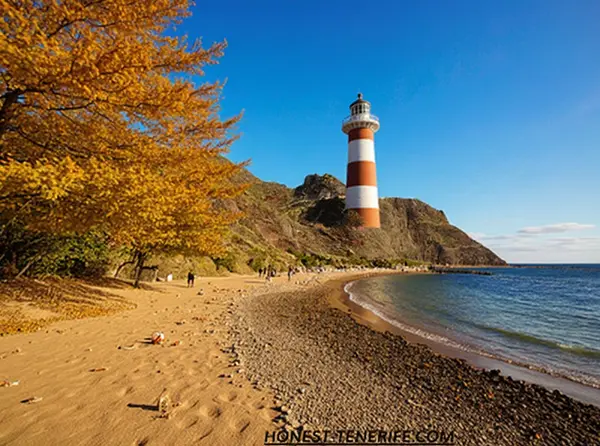 3. Playa de Las Teresitas
4.6 (11,741)
Top things to do in Valletta
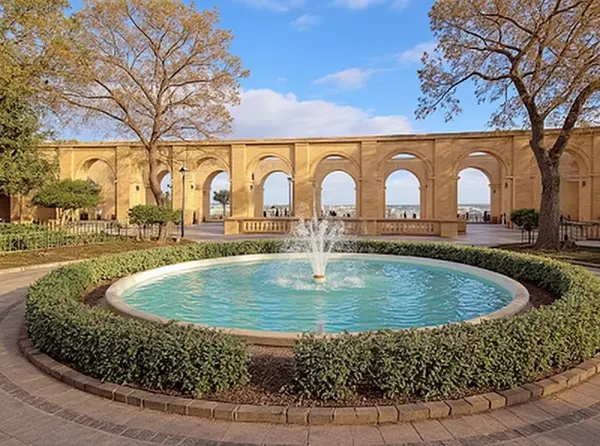 1. Upper Barrakka Gardens
4.7 (38,006)
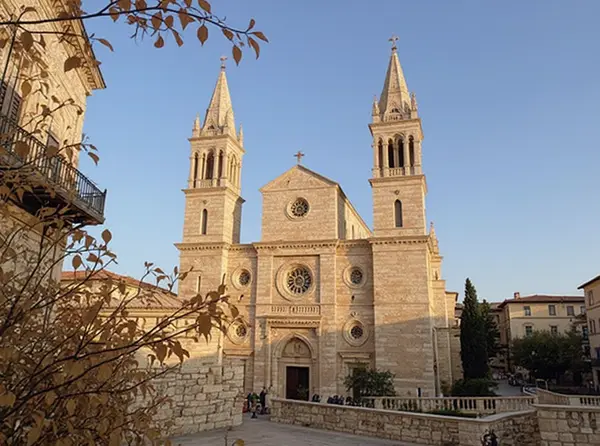 2. St. John's Co-Cathedral
4.8 (24,731)
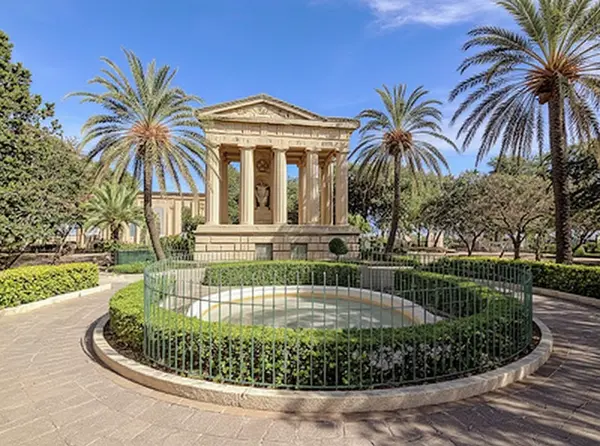 3. Lower Barrakka Gardens
4.7 (14,579)
Can you visit both?
Santa Cruz de Tenerife and Valletta are about 2,997 km apart
At 2,997 km apart, a day trip is not realistic. A two-base trip works with a flight between the Canary Islands and Malta, but you would lose travel days. Most travelers should plan two separate trips, one for each city, spending four or more days in each to do them justice.
Where to stay
Santa Cruz de Tenerife
6 well-reviewed hotels near the center, average guest score 8.5/10
Hotels from about $50 per night
Hotels in Santa Cruz de TenerifeValletta
52 well-reviewed hotels near the center, average guest score 8.6/10
Hotels from about $60 per night
Hotels in VallettaTours & tickets
Frequently asked questions
Is Santa Cruz de Tenerife or Valletta cheaper?
Santa Cruz de Tenerife is clearly cheaper. Hotels run $50 versus $60, restaurant meals are $10 versus $15, beer costs $2.5 versus $4, and backpacker daily budgets are $40 versus $50. Mid-range daily budgets tie at $80 in both cities.
Which city suits nature lovers better?
Santa Cruz de Tenerife wins decisively with a 9/10 nature access score versus Valletta's 5/10. Parque Rural de Anaga (4.8/5) and Playa de Las Teresitas (4.6/5) deliver on that promise. Valletta offers parks like Upper Barrakka Gardens, but they are urban, not wilderness.
Can you visit both Santa Cruz de Tenerife and Valletta in one trip?
The cities sit 2,997 km apart, so a day trip is impractical. A two-base trip means a flight between Spain and Malta, adding significant travel time. Most travelers should treat these as two separate trips, each deserving three to four days on its own.
Which city is better in winter?
Santa Cruz de Tenerife wins for winter warmth with an 18.3°C average versus Valletta's 13.7°C. Both share April, May, September, and October as best months. Santa Cruz also gets only 37 rainy days yearly versus Valletta's 49, making it the drier winter choice.