 CityBuddy
 Español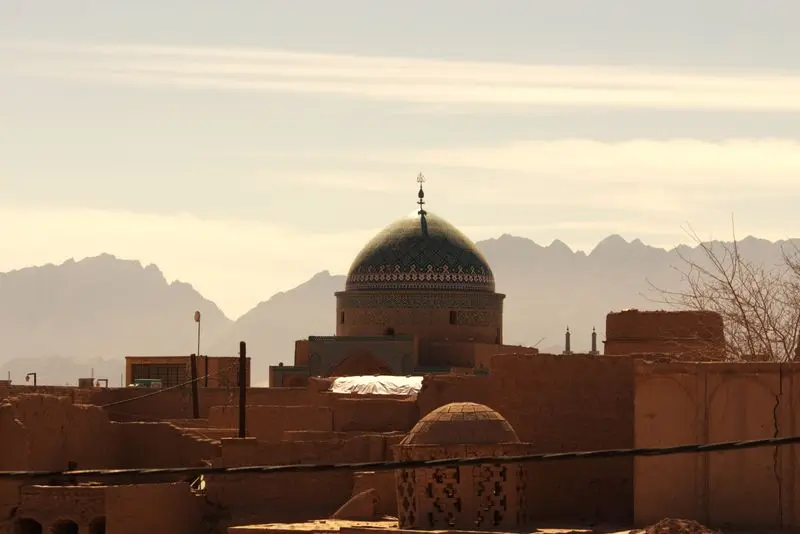
Qué hacer en Yazd, Iran
Foto realizada por SYDE Yvi en Pexels.com
Cuándo visitar
Atracciones más populares en Yazd, Iran
En Yazd, Irán, muchísimos programas emocionantes esperan a los viajeros. Entre las cosas más importantes que hacer en Yazd, Irán, se encuentra admirar los impresionantemente altos minaretes de 52 metros de la Mezquita Jameh de Yazd, del siglo XIV. En la fachada del Complejo Amir Chakhmaq se alinean 12 arcos enormes. No se pierda la visita al Templo del Fuego Zoroástrico de Yazd, donde arde un fuego sagrado de 1500 años.
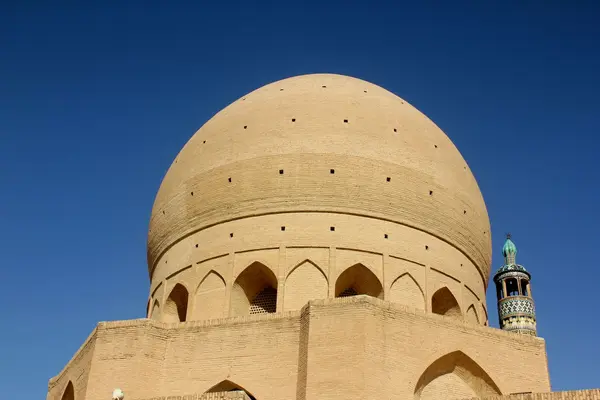
1. Jameh Mosque of Yazd
Obra maestra de la arquitectura persa, donde los azulejos azules casi brillan bajo la luz del sol del desierto. Pasea bajo la cúpula de ladrillo del siglo XI mientras descubres la cima del arte decorativo.
Datos rápidos: Uno de los ejemplos más espléndidos del arte de la cerámica y el azulejo iraní, donde el color azul domina las paredes. 900 metros cuadrados de azulejos cubren el edificio, y su portal de entrada es la puerta islámica más alta de Irán, con 24 metros.
Destacados: Con la luz del amanecer, los azulejos azules comienzan a brillar intensamente, y con el sol de la tarde emergen los minuciosos detalles de los motivos arabescos en las fachadas. Al estar bajo la enorme cúpula de ladrillo del edificio, el visitante recibe la impresionante experiencia acústica de la arquitectura selyúcida del siglo XI.
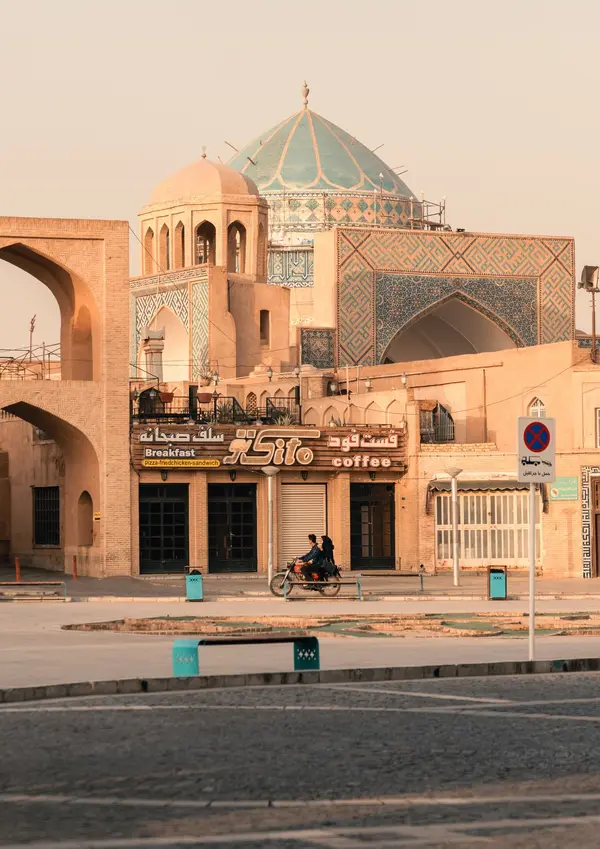
2. Amir Chakhmaq Complex
Aquí puedes ver una de las fachadas más fotogénicas de Persia, que realmente se enciende al anochecer. Atraviesa el bazar cubierto, toma un té en la plaza y observa cómo los lugareños viven su día a día.
Datos rápidos: El monumento chiita del siglo XIX se reconoce por su única y enorme fachada salpicada de huecos regulares, que se eleva hasta tres pisos de altura. El bazar anexo serpentea a lo largo de 400 metros, y los lugareños conocen la plaza sobre todo como escenario de las compras diarias y de las conversaciones en los salones de té.
Destacados: Las 567 hornacinas regulares de la fachada se bañan en una luz naranja por las noches, como si un enorme panal iluminado emergiera del borde del desierto. El solitario depósito de agua que se alza en el centro de la plaza también se pierde en la penumbra del pasado, aunque en los calurosos veranos los transeúntes enfriaban aquí sus sandías con un cubo sacado de lo más profundo.
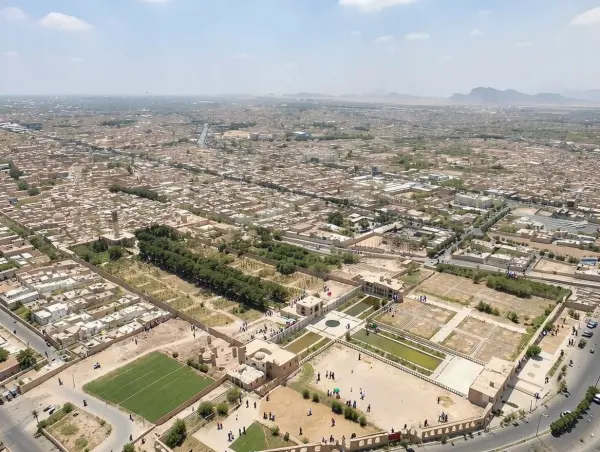
3. Dowlatabad Garden
En uno de los jardines persas más hermosos, una torre de viento de 33 metros refresca el aire. Camina por las salas de espejos mientras te acompaña el suave murmullo de los canales subterráneos.
Datos rápidos: La torre de 33 metros es una de las torres de viento más altas de Irán, que enfría los espacios interiores con ventilación natural. El jardín fue mandado construir en el siglo XVIII por Mohammad Taqi Khan, quien también creó un enorme sistema de acueductos subterráneos para el suministro de agua de la ciudad.
Destacados: En el interior del pabellón octogonal situado en el centro del bagh (jardín persa), las paredes están cubiertas de mosaicos de espejos minuciosamente trabajados que dispersan la luz del solar cien veces por las salas. A través del sistema de pasillos subterráneos de 65 metros de longitud, incluso en plena canícula asciende hacia el pabellón un aire de 15 a 20 grados Celsius más fresco, que entra por la torre de viento.
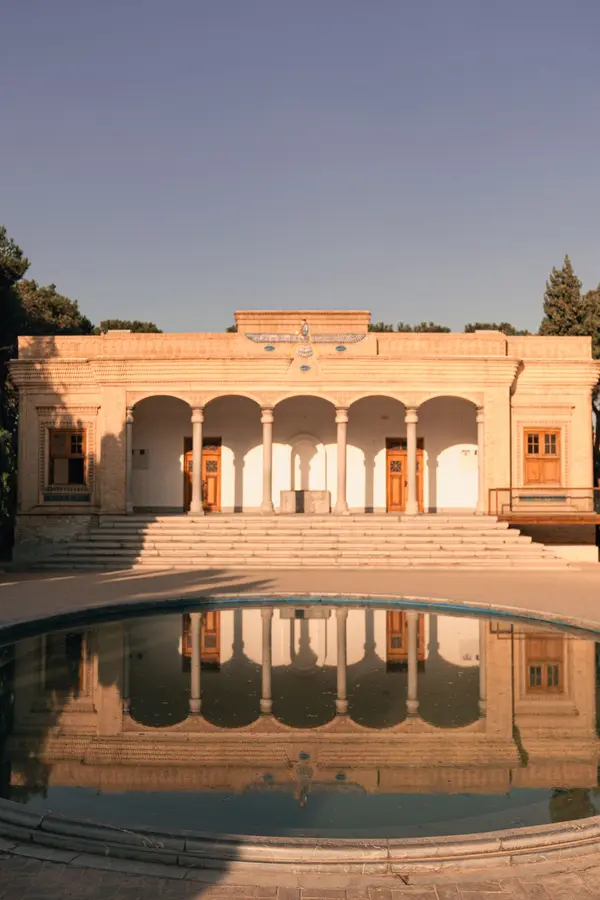
4. Zoroastrian Fire Temple of Yazd
Aquí puedes ver uno de los fuegos de combustión continua más antiguos del mundo, que arde desde hace más de un milenio y medio. Sentado en la sala en penumbra puedes contemplar cómo danzan las llamas mientras te envuelve el silencio de la fe zoroástrica.
Datos rápidos: La llama que arde aquí se dice que no se ha apagado en más de 1500 años, y es uno de los fuegos que arde continuamente más antiguos del mundo. El fuego sagrado guardado en el templo fue recolectado de nueve fuentes diferentes antes de ser transportado aquí a principios del siglo XX.
Destacados: En el centro de la fachada, un enorme símbolo Faravahar tallado en piedra observa a los visitantes, siendo uno de los símbolos más antiguos de la fe zoroástrica. La luz que se filtra a través de la ventana de vidrio del templo danza en el espacio interior de tal manera que envuelve la llama antigua con un resplandor casi sobrenatural.
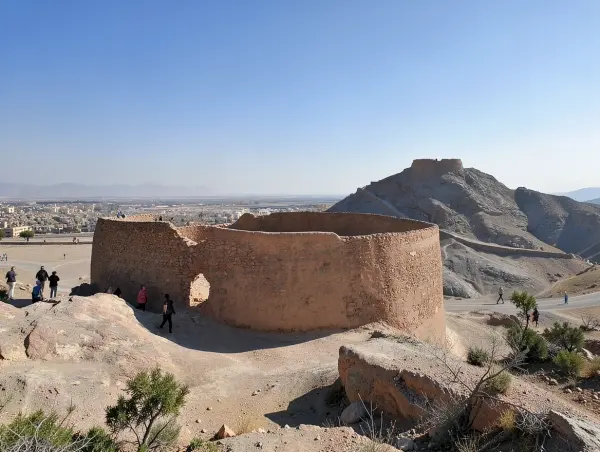
5. Towers of Silence
Un lugar donde la muerte se encuentra con el viento del desierto en un silencio casi palpable. Puedes ver las torres de piedra y el desierto, mientras la luz del sol convierte la arena en oro.
Datos rápidos: Según el ritual funerario zoroastriano, los cuerpos eran expuestos a los buitres en esta elevación. Las torres construidas en el siglo VI ya no albergan ceremonias, pero el espíritu del lugar sigue siendo igual de fuerte.
Destacados: En el interior de las torres no hay nada aterrador ni ningún elemento arquitectónico llamativo. Lo que se puede sentir en la cima de la colina es el silencio absoluto y esa sabiduría de 2500 años de que la muerte no significa el final de la vida, sino el retorno a la naturaleza.
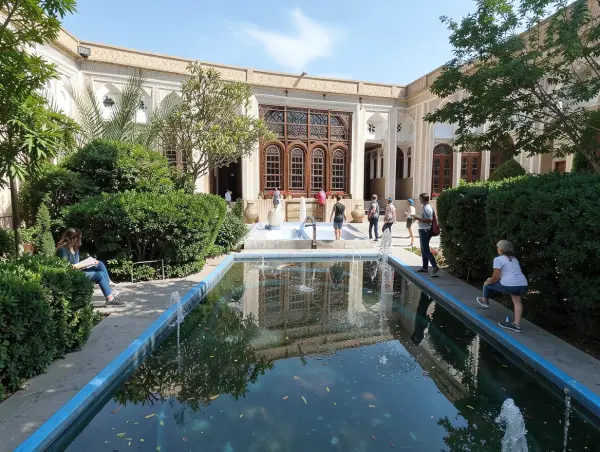
6. Yazd Water Museum
Aquí puedes entender cómo los persas mantenían vivas las ciudades del desierto. Bajas a un canal subterráneo ancestral, donde el agua helada y la arena hundida ofrecen una experiencia tangible.
Datos rápidos: Hace siglos, los ingenieros persas construyeron un sistema de canales subterráneos que transportaba agua incluso en el calor del desierto. Algunos de los qanats exhibidos en el museo podían tener hasta 70 kilómetros de longitud, y el agua nunca entraba en contacto con la superficie.
Destacados: Puedes bajar al subsuelo junto a un qanat de 300 años, donde entre los muros de piedra se escucha el murmullo del agua. Una de las piezas más especiales de la exposición es un tubo de arcilla de 2000 años que los antiguos persas usaban para conducir el agua.
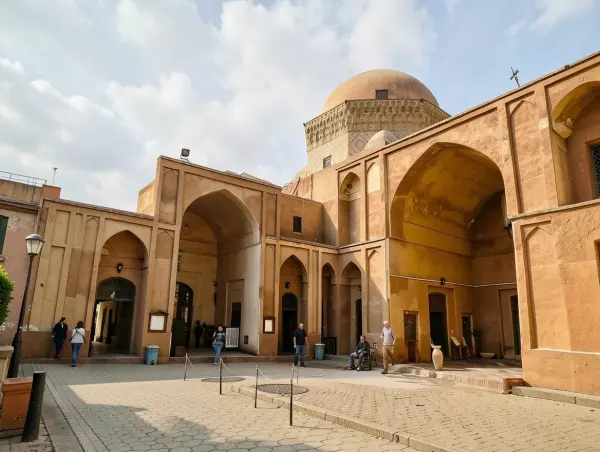
7. Alexander's Prison
Un lugar donde los secretos del pasado se encuentran con la brillante arquitectura persa. Entra en la penumbra, siente el aire fresco y descubre el fascinante mecanismo del sistema oculto de captación de agua.
Datos rápidos: La estructura del siglo IX nunca fue realmente una prisión, sino una enorme cisterna y lugar de descanso en la antigua Persia. El nombre proviene de que, según las leyendas locales, Alejandro Magno mantenía aquí cautivos a los nobles rebeldes.
Destacados: En el interior, un enorme y oscuro salón abovedado se abre ante ti, donde la luz que llega desde arriba dibuja las paredes de la cisterna de 8 metros de profundidad. El silencio perfecto y el aire 12 grados más fresco crean la sensación de haber retrocedido a otro siglo.
8. Lariha House
Aquí puedes hacer un viaje en el tiempo a la vida cotidiana de una familia persa acomodada. Escuchando el susurro de los captadores de viento y el murmullo de la piscina, puedes saborear un té de menta.
Datos rápidos: El palacio comercial del siglo XIX presume de vigas talladas a mano y vidrieras de colores. La piscina en el centro del patio crea el microclima fresco de los jardines persas en medio del calor del desierto.
Destacados: Las paredes interiores de la casa están cubiertas con 47 patrones geométricos diferentes, tallados a mano en estuco de yeso con textura de crema batida. En el techo de una de las habitaciones hay una composición circular de madera de 200 años que oculta símbolos secretos, visibles solo con un cierto ángulo de la luz del sol del mediodía.
9. Khan Bathhouse and Bazaar
Sumérgete en la atmósfera mágica de un baño y mercado persa de 400 años. Mosaicos de colores, salas de espejos y el aroma de las especias frescas te acompañan por los pasillos laberínticos.
Datos rápidos: Un complejo de baños en funcionamiento ininterrumpido durante más de 400 años, donde podrás admirar un ejemplo fascinante de la arquitectura persa. Bajo las enormes cúpulas cubiertas de coloridos mosaicos y adornos de espejos no solo te espera un baño, sino también un bazar donde podrás comprar productos artesanales.
Destacados: A través de los cientos de pequeñas aberturas del interior de la cúpula se filtra la luz del sol, creando un cielo estrellado sobre las piscinas incluso de día. De pie bajo el techo de 12 metros de altura recubierto de coloridos mosaicos de vidrio, casi olvidas que te encuentras en una construcción subterránea.
Where to Stay in Yazd, Iran
Selected by City Buddy based on guest reviews and proximity to top attractions
Search all hotels in Yazd, IranPowered by agoda
Días de apertura en Yazd, Iran
Cuáles de las mejores atracciones cierran cada día de la semana, el clásico arruina-viajes, ya comprobado por ti.
viernes: 1 de 9 atracciones principales cerradas. Planifica los museos para otro día.
Cerrado el viernes · 1 cerradas, 8 abiertas
Días de apertura según Google Maps (verificado el 2026-07-23). Los días festivos, las huelgas y los horarios de temporada pueden variar. Consulta la web oficial antes de ir.
Platos dulces tradicionales
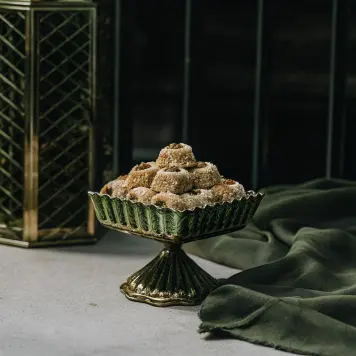
Baklava (Yazdi style)
Unlike the filo-based versions in Turkey or Greece, Yazdi Baklava is a diamond-shaped cookie made with almonds, cardamom, and rosewater, and soaked in a thick sugar syrup for a delightfully chewy texture.
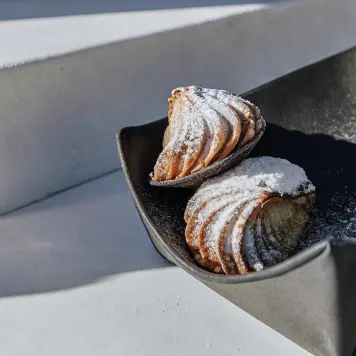
Qottab
These deep-fried almond-filled pastries are dusted with powdered sugar and have a delicate, crescent shape. They are a signature of Yazd and often served at celebrations and Nowruz gatherings.
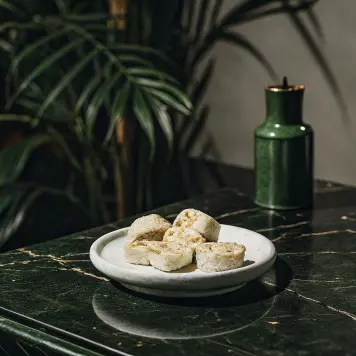
Hajji Badami
A crumbly, biscuit-like cookie packed with whole almonds and ground cardamom, Hajji Badami is named after a famous Yazdi baker. Its dry, melt-in-your-mouth texture makes it perfect for dipping in tea.
Platos salados tradicionales

Shuli (Sholeh)
This thick, hearty Yazdi soup is made from lamb, lentils, spinach, and a tart herb called "ghoureh" (unripe grapes). It is famous for its tangy, sour flavor that is unique to the region.

Yazdi Koofteh (Koofteh Yazdi)
Unlike the classic Tabrizi meatball, this version is a large, stuffed meatball made from ground lamb or beef with rice, split peas, and a surprising sour center made from dried plums or prunes.
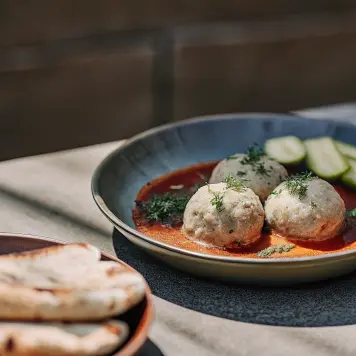
Gondi (Yazdi style)
Gondi are chickpea and chicken meatballs, slow-cooked in a spiced broth and often served with pita bread, pickles, and fresh herbs. Yazd's version is particularly famous for its light, fluffy texture.
Bebidas tradicionales

Sekanjebin-e Yazdi
This sweet and sour syrup is made from vinegar, honey or sugar, and mint. Yazdi families often ferment it for weeks, giving it a complex, slightly fizzy quality that is incredibly refreshing in the desert heat.

Kashk-e Bademjan (as a drink)
While commonly a dip, in Yazd they prepare a unique warm, drinkable version (often called "Aab-e Kashk") made from diluted fermented whey, mint, and walnuts, served as a restorative winter beverage.

Chai-ye Nabat (Yazdi Rock Candy Tea)
This is simply strong black tea served with a stick of amber-colored rock candy (nabat) on the side. The diner stirs the candy to their desired sweetness, and the saffron in the nabat gives the tea a golden hue.
Preguntas frecuentes sobre Yazd, Iran
¿Es seguro Yazd, Irán?
¿Cuántos días conviene pasar en Yazd?
¿Cuándo es el mejor momento para viajar a Yazd?
¿Es caro Yazd, Irán?
¿Cómo se puede viajar por Yazd?
Recibe un PDF con las atracciones más populares en tu correo electrónico
Obtén un PDF con todas las atracciones, valoraciones y consejos. Perfecto para uso sin conexión.
Excursiones de un día más populares
Chak Chak (Zoroastrian Fire Temple)
Sacred Zoroastrian pilgrimage site nestled in desert mountains.
Kharanaq (Ancient Village)
Abandoned 1000-year-old mud-brick village with a shaking minaret.
Isfahan
Iconic city with Naqsh-e Jahan Square and stunning mosques.
Cómo llegar
Aeropuertos
Estaciones de tren
Tehran, Isfahan, Kerman, Mashhad
From the airport, taxis cost around 10-15 USD to the city center. Yazd is well connected by night trains from Tehran (6-7 hours).
Información útil para Yazd, Iran
Resumen de Yazd, Iran
¿Quieres un plan día a día para Yazd, Iran? Abre el planificador de viajes
¿Cuándo vas a Yazd, Iran?
Elige tus fechas y estilo de viaje para obtener:
¿Alguno de estos es especialmente importante para ti?
Selecciona todos los que apliquen
Cómo moverse
¿Cómo quieres moverte entre los lugares?
Idioma del plan: Español