 CityBuddy
 Español
Qué hacer en Ica, Peru
Foto realizada por Asia Culture Center en Pexels.com
Cuándo visitar
Atracciones más populares en Ica, Peru
Entre las mejores cosas para hacer en Ica, Perú se encuentran recorrer las dunas de arena en el Oasis de Huacachina, una laguna rodeada por montañas de arena de 1,000 pies de altura. Visite la Bodega Tacama, la bodega más antigua de Perú fundada en 1540, donde podrá probar pisco y vino. El Museo Regional de Ica exhibe artefactos de 10,000 años de antigüedad, incluyendo cabezas reducidas.
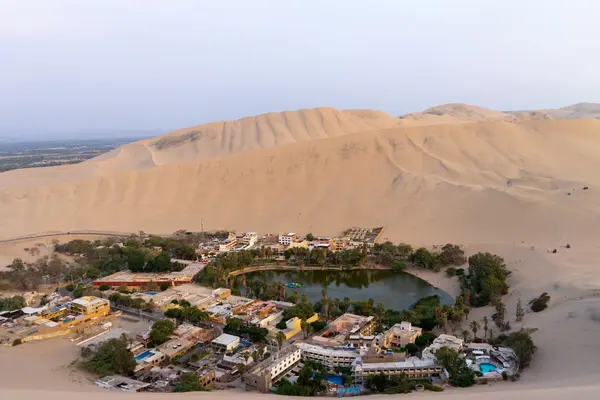
1. Huacachina Oasis
Baja en sandboard por dunas de 300 metros, luego sumérgete en una laguna esmeralda en medio del desierto. Siente la adrenalina de los buggies surcando enormes montañas de arena antes de que el atardecer pinte todo de dorado.
Datos rápidos: Rodeado de imponentes dunas de arena que alcanzan alturas de más de 300 metros, esta laguna esmeralda se encuentra en medio del desierto de Sechura. La leyenda local afirma que el oasis se formó cuando una hermosa sirena emergió del agua, atrayendo a los hombres a su reino mágico.
Destacados: Después del atardecer, las dunas que rodean la laguna se transforman en un anfiteatro natural donde el viento crea melodías inquietantes al chocar los granos de arena. Los viajeros pueden escalar la duna más alta al anochecer y observar el cielo pasar de naranja ardiente a púrpura intenso mientras las luces del oasis parpadean abajo.
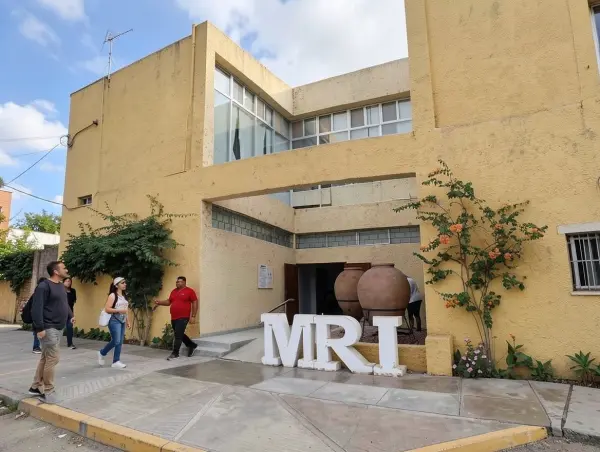
2. Regional Museum of Ica
Mira la colección más grande del mundo de cráneos alongados Paracas y cerámicas Nazca intrincadas, todo bajo un mismo techo. Camina por salas llenas de momias, orfebrería antigua y textiles vívidos que dan vida a las culturas precolombinas del Perú.
Datos rápidos: El museo resguarda más de 10,000 artefactos antiguos que abarcan las civilizaciones Paracas, Nazca e Inca. Cráneos alargados de la cultura Paracas se exhiben junto a cerámica, textiles y una sala dedicada a las misteriosas Líneas de Nazca.
Destacados: Una sala exhibe más de 300 cráneos alargados con deformación craneal, algunos aún conservando restos de cabello y tejido blando después de 2,000 años. Los fardos funerarios en la sala con clima controlado muestran intrincadas técnicas de envoltura textil que han preservado material orgánico durante siglos.
3. Bodega Tacama
Bebe el mejor pisco del Perú donde la elaboración del vino ha ocurrido por casi 500 años sin interrupción. Recorrerás patios cubiertos de vid, verás el embotellado a mano y probarás ocho vinos y piscos diferentes en una sola tarde.
Datos rápidos: La bodega más antigua del Perú produce vino y pisco desde 1540, lo que la convierte en uno de los viñedos más antiguos de América. La bodega utiliza un sistema de riego por gravedad que aún depende de canales construidos por culturas precolombinas hace más de 1,000 años.
Destacados: Los visitantes pueden degustar el premiado pisco de Tacama junto a un olivo de 400 años que ha presenciado cada cosecha desde la época colonial. La bodega aún fermenta algunos de sus vinos en enormes ánforas de barro enterradas bajo tierra, una técnica heredada de los viticultores indígenas que le da al vino un acabado distintivamente terroso y mineral.

4. Cathedral of Ica
Sé testigo de una de las procesiones religiosas más intensas del Perú, donde 40,000 devotos caminan descalzos por las calles. En el interior, encontrarás una estatua de Cristo con un misterioso tono oscuro que los científicos aún no pueden explicar.
Datos rápidos: Sus torres gemelas se elevan sobre las calles arenosas de Ica, y la catedral fue reconstruida tras un devastador terremoto en 2007 que derrumbó gran parte de la estructura original. Los fieles se reúnen aquí durante todo el año para venerar al Señor de Luren, una estatua de Cristo de tez oscura que ha sobrevivido siglos de desastres naturales.
Destacados: Cada marzo, una enorme procesión de túnicas moradas lleva al Señor de Luren por las calles durante 18 horas seguidas, atrayendo a más de 40,000 devotos que caminan descalzos sobre el pavimento caliente como señal de devoción. La estatua original del siglo XVI sobrevivió al terremoto de 1746 que niveló la primera iglesia, y su misteriosa tez oscura nunca ha sido explicada por ningún análisis de pigmentos.
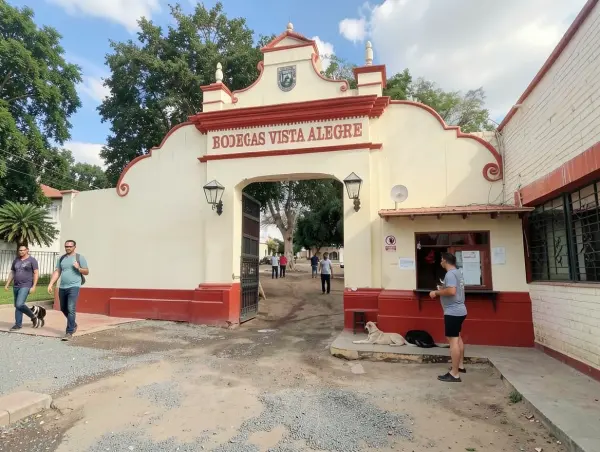
5. Bodega Vista Alegre
Prueba el mejor pisco del Perú donde se ha elaborado por más de 160 años. Camina por bodegas subterráneas iluminadas con velas, luego bebe una selección de piscos de una sola variedad directamente desde la fuente.
Datos rápidos: La bodega en producción más antigua del Perú ha prensado uvas desde 1857. Las bodegas subterráneas de la finca albergan más de 300 barricas de roble francés, algunas añejando pisco por más de una década antes del embotellado.
Destacados: Un sistema de túneles subterráneos de 150 años, tallados en el suelo desértico, mantiene las barricas a una temperatura constante de 18°C durante todo el año sin necesidad de refrigeración moderna. Los visitantes pueden recorrer estos túneles iluminados con velas e inhalar el dulce aroma de las uvas Quebranta que permanece espeso en el aire fresco.
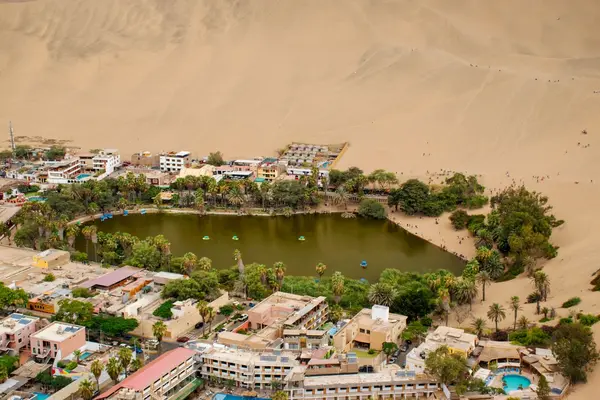
6. Laguna de Huacachina
En ningún otro lugar puedes deslizarte por dunas de 100 metros en una tabla y luego refrescarte en una laguna del desierto minutos después. Siente la emoción de los buggies escalando pendientes empinadas en ángulos locos mientras el desierto se extiende sin fin a tu alrededor.
Datos rápidos: Un oasis natural rodeado de imponentes dunas de arena que alcanzan más de 100 metros de altura, esta laguna se encuentra en medio del desierto costero peruano. La leyenda dice que las aguas se formaron a partir de las lágrimas de una princesa desconsolada, combinando el mito con uno de los últimos oasis naturales que quedan en Sudamérica.
Destacados: Al atardecer, las dunas pasan de doradas a naranja intenso mientras la laguna refleja el cielo cambiante, creando un efecto espejo surrealista que solo se puede presenciar desde la cima de la duna más alta. Los sandboarders locales han tallado sus propios caminos por estas pendientes durante décadas, descendiendo a velocidades de más de 50 km/h sobre tablas de madera enceradas.
7. Bodega Lazo
Bebe pisco galardonado directamente del barril en una de las últimas bodegas familiares de Ica. Recorre patios bañados por el sol llenos de ánforas de arcilla mientras aprendes el arte del licor nacional del Perú.
Datos rápidos: Una bodega familiar desde 1920 que tritura sus uvas a la antigua usanza con una prensa de piedra de 120 años. Los visitantes pueden probar 12 variedades diferentes de pisco y vino durante un recorrido que termina en un patio sombreado por higueras centenarias.
Destacados: Los propietarios de tercera generación todavía pisan las uvas a pie durante la temporada de cosecha, una tradición visible a través de las ventanas abiertas en la sala de producción. Cada añada se marca con etiquetas escritas a mano, lo que convierte cada botella en una pieza de colección única.
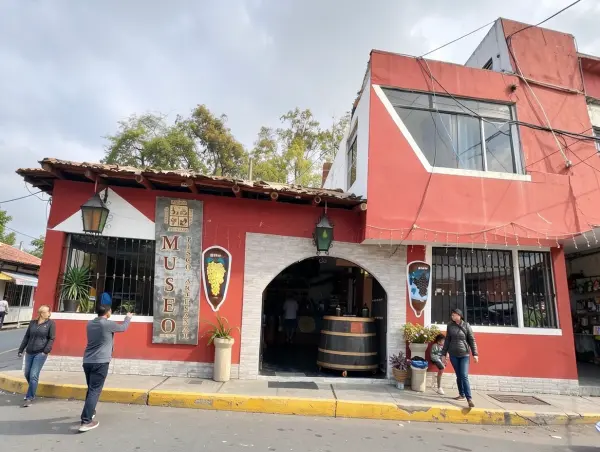
8. Museo del Pisco
Degusta el licor nacional del Perú en el único museo dedicado enteramente al pisco. Probarás desde el puro Quebranta hasta las aromáticas variedades Italia mientras aprendes el arte de preparar un buen pisco sour.
Datos rápidos: El emblemático aguardiente de uva del Perú cobra vida dentro de una mansión restaurada del siglo XIX, donde más de 80 variedades de pisco están disponibles para degustar. El museo rastrea la evolución de este destilado desde las técnicas de fermentación precolombinas hasta los métodos modernos de destilación utilizados en 5 regiones productoras.
Destacados: Un alambique de cobre en funcionamiento de 1890 se encuentra en el centro del salón principal, aún utilizado para demostraciones los fines de semana que llenan la sala con dulce vapor de uva. Los visitantes pueden sumergir sus propias botellas de vidrio en cera para sellar una mezcla personalizada que crean a partir de tres piscos de una sola variedad en la estación de mezclas.
Where to Stay in Ica, Peru
Selected by City Buddy based on guest reviews and proximity to top attractions
Search all hotels in Ica, PeruPowered by agoda
Días de apertura en Ica, Peru
Cuáles de las mejores atracciones cierran cada día de la semana, el clásico arruina-viajes, ya comprobado por ti.
domingo: 2 de 8 atracciones principales cerradas. Planifica los museos para otro día.
Cerrado el domingo · 2 cerradas, 6 abiertas
Días de apertura según Google Maps (verificado el 2026-06-26). Los días festivos, las huelgas y los horarios de temporada pueden variar. Consulta la web oficial antes de ir.
Platos dulces tradicionales

Tejas de Ica
Tejas are made from manjar blanco (dulce de leche) mixed with pecans, shaped into a dome, and coated in white sugar icing. They get their name from their teardrop shape, which resembles a roof tile.

Chocotejas
Chocotejas are a chocolate coated variation of the classic teja, filled with manjar blanco and pecans. They have become Ica's most popular gift for visitors to take home.

King Kong de Ica
This giant layered cookie sandwich is filled with manjar blanco, pecan paste, and sometimes fruit jam. It got its name after the 1933 King Kong movie became a hit in Peru and someone remarked the dessert was as big as the gorilla.
Platos salados tradicionales
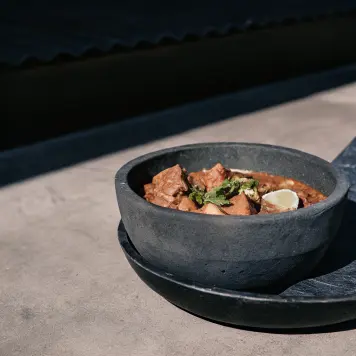
Carapulcra
Carapulcra is a slow cooked stew made from sun dried potatoes (papa seca), pork, peanuts, and Peruvian spices. It is an ancient dish with pre Columbian roots that dates back to the Chancay and Inca civilizations.

Sopa Seca
Despite its name meaning "dry soup," Sopa Seca is actually a flavorful noodle dish cooked in a rich broth with basil, garlic, and aji until the liquid is fully absorbed. It is almost always served alongside a generous portion of carapulcra.
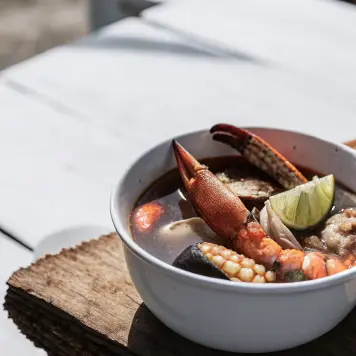
Parihuela
This hearty seafood soup from the Ica coast features a mix of fish, shrimp, crab, and shellfish simmered in a tomato and aji based broth. It is famously served with a side of canchita (toasted corn) and a squeeze of lime.
Bebidas tradicionales

Pisco Sour
Peru's national cocktail was created using pisco, a grape brandy that takes its name from the port of Pisco in the Ica region. The drink combines pisco with lime juice, simple syrup, egg white, and Angostura bitters.
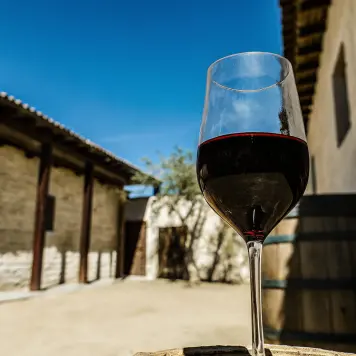
Vino de Ica (Ica Valley Wine)
The Ica Valley is home to Peru's oldest and most prestigious wineries, some dating back to the 16th century. Varietals like Quebranta, Italia, and Tamarugal grapes thrive in the region's dry desert climate.

Chicha de Uva
Chicha de uva is a naturally fermented sweet grape drink with roots in both Indigenous and Spanish winemaking traditions. Unlike wine, it is young and slightly fizzy, often enjoyed during harvest festivals in the Ica countryside.
Infórmate antes de ir
Cuánto cuesta un día en Ica y las estafas que debes evitar
Costo por persona por día
Principales estafas a evitar
- Conductores sin licencia en el terminal. Camine hasta la parada de taxi oficial o reserve a través de Uber, TaxiSat o InDriver. Acuerde la tarifa antes de subir.
- Robo por distracción. Mantenga las bolsas cerradas y al frente. No se detenga ante la ayuda no solicitada de desconocidos.
- Sin precios en el menú. Pida el menú con precios antes de ordenar. Confirme el total antes de pagar.
Taxi justo desde el aeropuerto: 30 S/ - 50 S/ (7,5 € - 13 €)
Opción más barata: Colectivo compartido o autobús de Pisco a Ica, llegando a la terminal principal de autobuses en el centro de Ica. (5 S/)
Todas las estafas, precios justos y normasPreguntas frecuentes sobre Ica, Peru
"¿Es Ica, Perú segura para turistas?"
"¿Cuántos días debería pasar en Ica, Perú?"
"¿Cuál es la mejor época para visitar Ica, Perú?"
"¿Es caro visitar Ica, Perú?"
"¿Cómo me desplazo por Ica, Perú?"
Recibe un PDF con las atracciones más populares en tu correo electrónico
Obtén un PDF con todas las atracciones, valoraciones y consejos. Perfecto para uso sin conexión.
Excursiones de un día más populares
Huacachina
Famous desert oasis with sandboarding and dune buggy rides
Paracas National Reserve
Coastal desert reserve with dramatic cliffs and wildlife
Ballestas Islands
Sea lion colonies and seabirds, called the Poor Man's Galapagos
Nazca Lines
Ancient geoglyphs best viewed by small plane flight
Cómo llegar
Aeropuertos
Estaciones de tren
No train service to Ica. Long-distance buses are the primary option.
Fly into Lima (LIM), then take a 4-5 hour bus from Lima's Estacion Grau terminal to Ica. Direct buses run frequently.
Información útil para Ica, Peru
Resumen de Ica, Peru
¿Quieres un plan día a día para Ica, Peru? Abre el planificador de viajes
¿Cuándo vas a Ica, Peru?
Elige tus fechas y estilo de viaje para obtener:
¿Alguno de estos es especialmente importante para ti?
Selecciona todos los que apliquen
Cómo moverse
¿Cómo quieres moverte entre los lugares?
Idioma del plan: Español