City BuddyCityBuddy
English
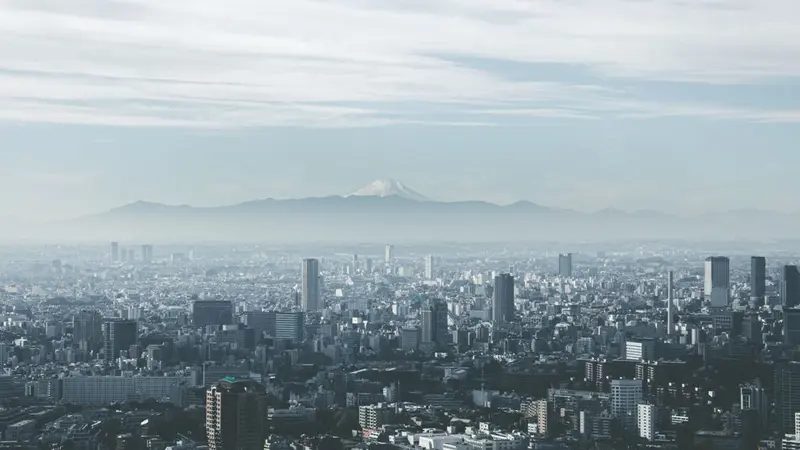
Panoramic view of Tokyo cityscape with Mount Fuji looming in the background, under cloudy skies.

7-Day Family Autumn Adventure in Japan: Hidden Gems & Local Favorites

⚖️Balanced Mix👨‍👩‍👧‍👦Family with Kids💎Hidden Gems & Local Spots
7 daysautumn

Explore Japan's most enchanting autumn landscapes with your family, weaving through iconic sights and secret local gems that reveal the country's true heart away from tourist crowds.

Loading

Getting around

Start in Tokyo using the Tokyo Metro and JR Yamanote Line for teamLab Borderless, Shinjuku Gyoen, and Kichijoji; walking is best around Asakusa and Kappabashi. Take the JR Tokaido Shinkansen from Tokyo Station to Kyoto (about 2 hours 15 minutes), then use JR trains and city buses for temples and gardens, walking within Higashiyama. For Nara, take the JR Nara Line from Kyoto Station (45 minutes) and return by train before heading to Osaka via JR for Osaka Castle and Dotonbori. From Osaka, ride the Shinkansen to Himeji (30 minutes) and onward to Kanazawa via the Thunderbird limited express (2.5 hours). Finally, travel from Kanazawa back through Tokyo to Odawara Station for local buses and the Hakone ropeway to Mount Fuji views. For short hops, taxis via JapanTaxi, Uber, or DiDi cost roughly $1.20 per kilometer.

Budget Breakdown

$609Trip total · $87 per day

This plan belongs to another traveler, so it is read-only for you.

Where to stay tonight

Airbnb in Asakusa (historic district with temples and traditional atmosphere near the Sumida River) $50-80/night

Keeps you steps from Senso-ji and today's route, perfect for tired kids who need a quick return to rest.

Search hotels in this area
Where to stay tonight

Airbnb in Shinjuku (major transport hub west of central Tokyo) $45-65/night

Shinjuku gives direct JR Chuo Line access to Kichijoji and the Yamanote loop connecting all day's stops, with many family-sized apartments under 50 dollars a night.

Search hotels in this area

Where to stay tonight

Airbnb in Higashiyama (eastern Kyoto, walking distance to Philosopher's Path and multiple temples) $50-70/night

This traditional neighborhood puts you steps from today's afternoon sights and has quiet streets perfect for family evening walks past lit-up temples.

Search hotels in this area

Where to stay tonight

Airbnb in Higashiyama (historic eastern district near temples, shrines, and traditional streets) $50-80/night

Staying in Higashiyama puts you within walking distance of today's pottery studios and canal walk, with easy bus access to Kinkaku-ji in the morning.

Search hotels in this area

Where to stay tonight

Hotel in Namba (entertainment hub south of Dotonbori with direct Metro access) $50-80/night

Walking distance to Dotonbori for the evening food walk and central for tomorrow's Osaka explorations.

Search hotels in this area

Where to stay tonight

Airbnb in Kanazawa Station area (central district around the east side of JR Kanazawa Station) $50-80/night

Short walk to the bus loop and market and family-sized apartments with kitchenettes make breakfast and late snacks easy with children.

Search hotels in this area

Where to stay tonight

Airbnb in Hakone (Yumoto or Gora area near the train station and ropeway) $50-80/night

Staying in Hakone Yumoto gives easy access to the train line and has many family-sized Airbnb homes with kitchenettes for simple meals.

Search hotels in this area

Must-try traditional foods & drinks

What to order in Hatsukaichi, Japan, with a fun fact for each

Traditional Savory Dishes

Sushi

Sushi

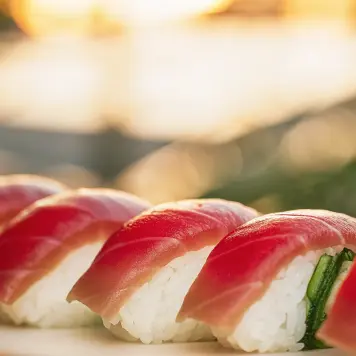
Sushi began as a method to preserve fish in fermented rice, and the hand-pressed nigiri style was invented in Edo in the early 19th century as fast street food.

Ramen

Ramen

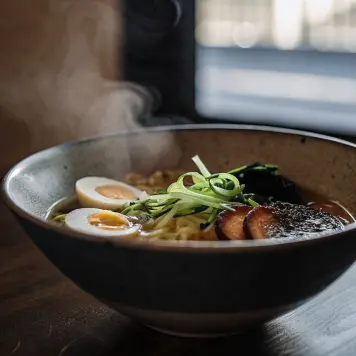
Ramen arrived from China and evolved into dozens of regional broths and noodle styles, and slurping loudly is both polite and helps bring the aroma to your nose.

Okonomiyaki

Okonomiyaki

Okonomiyaki literally means 'grill what you like', it is a customizable savory pancake that people often cook together on communal griddles in Osaka and Hiroshima.

Traditional Sweet Dishes

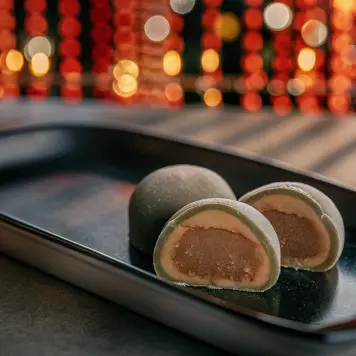
Mochi

Mochi

Mochi is made by pounding glutinous rice until it becomes a smooth, elastic mass, and the communal mochitsuki ceremony at New Year brings neighbors together to pound and shape it.

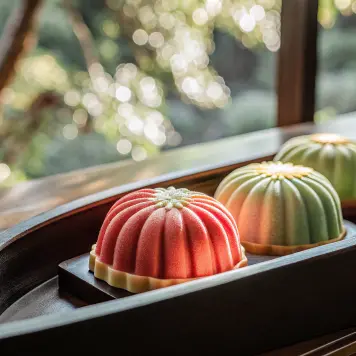
Wagashi

Wagashi

Wagashi are delicate confections crafted to reflect the season, their designs often mimic flowers, leaves and landscapes to complement tea ceremonies and moments of mindfulness.

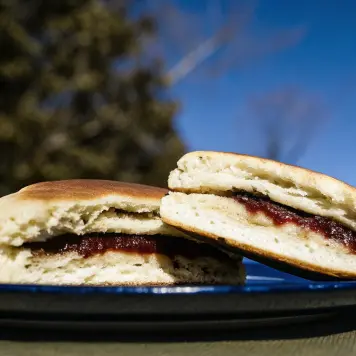
Dorayaki

Dorayaki

Dorayaki pairs two fluffy pancakes with sweet red bean paste, and its name 'dora' means gong after a legend that batter was once cooked on a discarded gong.

Traditional Beverages

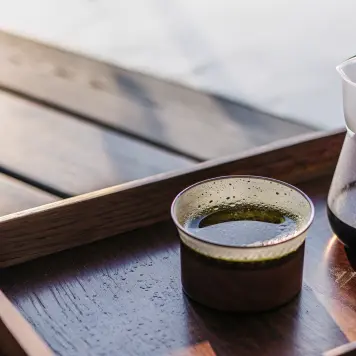
Green tea

Green tea

Green tea, especially powdered matcha used in tea ceremonies, contains L-theanine and caffeine that together promote calm alertness, and it became central to Zen practices.

Sake

Sake

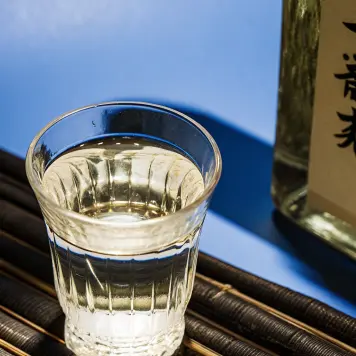
Sake is brewed with koji mold that converts rice starch into sugar, and it has been used in Shinto rituals for centuries as a sacred offering and celebratory drink.

Shochu

Shochu

Shochu is a distilled spirit often around 25 percent alcohol by volume, and it can be made from ingredients like sweet potato, barley or rice giving each region a distinctive flavor.

Export Your Trip

Get your trip plan as a PDF with maps and a CSV spreadsheet.

Download PDF

Selected based on proximity to your itinerary attractions and guest reviews

Search all hotels in Hatsukaichi

Powered by agoda

Create another trip plan