City BuddyCityBuddy
English
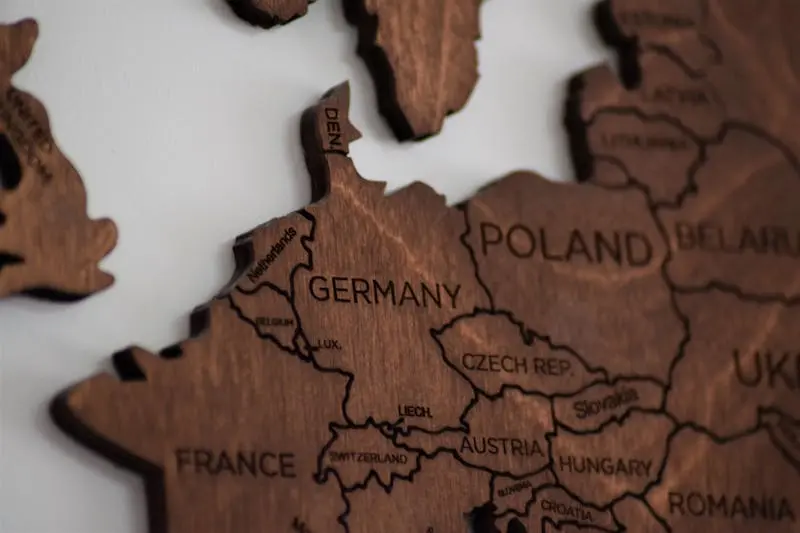
Detailed wooden map of Europe highlighting countries like Germany and Poland.

5-Day Germany for Offbeat Culture Explorers

⚖️Balanced Mix🏛️Culture & History💎Hidden Gems & Local Spots
5 daysspring

Discover Germany's hidden gems, rich history, and authentic local culture away from the crowds this spring.

Our #1 travel tip

Book a FREE walking tour in Germany

Free walking tours. Yes, actually free. No credit card needed. No catch.

  • Local guide, 2-3 hours
  • 100% tip-based
  • You tip what feels right
Browse FREE walking toursAdrijana, founder of City Buddy

Loading

Getting around

Start in Berlin using the U-Bahn and S-Bahn ring to connect Mitte, Museum Island, and Kreuzberg, though walking is best within the historic core. From Berlin Hauptbahnhof, take an ICE to Heidelberg (about 5 hours), then continue by rail to Füssen for Neuschwanstein, roughly 4 hours from Heidelberg. Return east to Dresden on the ICE from Munich (about 2 hours), then day trip to Potsdam via regional train for Sanssouci and onward to Triberg by train via Offenburg. Taxis cost about $2.50 per kilometer; book through Free Now, Uber, or Bolt where rail coverage thins.

Budget Breakdown

$530Trip total · $106 per day

Where to stay tonight

Hotel in Mitte (central neighborhood with close access to historical landmarks and underground scenes) $60-90/night

Perfect starting point for exploring Berlin's historic and offbeat sites all within walking distance or short rides.

Search hotels in this area
Where to stay tonight

Hotel in Altstadt (historic Old Town near the Neckar River) €60-90/night

Centrally located for exploring Heidelberg Castle and Old Town, with easy access to local wine taverns.

Search hotels in this area

Where to stay tonight

Hotel in Füssen town center (historic town close to Neuschwanstein Castle) €60-90/night

Füssen is a central base for visiting southern Bavaria castles with charming old town streets, local eateries, and easy transit connections.

Search hotels in this area

Where to stay tonight

Hotel in Altstadt (historic city center) €60-90/night

Central location for exploring Dresden's key cultural and historical sites on Day 4 and easy access to public transport.

Search hotels in this area

Where to stay tonight

Hotel in Potsdam Mitte (central area near Sanssouci Palace) €60-90/night

Staying here allows easy access to Sanssouci and convenient transport links to Triberg and downtown Potsdam.

Search hotels in this area

Must-try traditional foods & drinks

What to order in Germany, with a fun fact for each

Traditional Savory Dishes

Bratwurst

Bratwurst

Every region guards secret spice blends for bratwurst, and Nuremberg locals famously eat theirs three to a bun in a tradition called 'Drei im Weggla.' Bratwurst variety is a point of pride, with tiny local sausages and coarse country styles both celebrated.

Sauerbraten

Sauerbraten

Sauerbraten is made by marinating beef in a tangy mix of vinegar and spices for several days, which began as a preservation method before refrigeration. Regional twists like adding gingerbread in the Rhineland turn the roast into a sweet and sour centerpiece.

Schnitzel

Schnitzel

Schnitzel is thin meat coated in breadcrumbs and fried until golden, and although Wiener Schnitzel must be veal under Austrian law, Germans commonly use pork for everyday schnitzel. It is a versatile dish that welcomes toppings from mushroom sauce to a squeeze of lemon to change the whole flavor.

Traditional Sweet Dishes

Black Forest cake

Black Forest cake

Black Forest cake hides a splash of clear cherry brandy called kirsch between its layers, which gives the dessert a boozy lift. Its name honors the Black Forest region and the local sour cherries, not the trees.

Stollen

Stollen

Stollen was once taxed for its rich butter and fruit, and bakers fought for special exemptions to keep the Christmas tradition alive. The loaf's powdered sugar coating and oblong shape are said to symbolize the swaddled baby Jesus, which made it a festive staple.

Apfelstrudel

Apfelstrudel

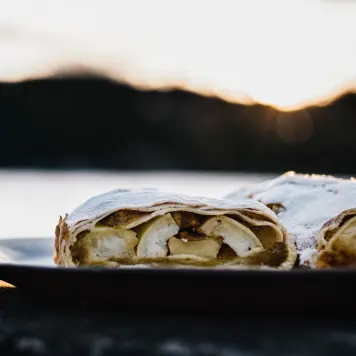
Apfelstrudel uses paper-thin pastry that some bakers stretch so finely you can almost read newsprint through it, showcasing incredible dough skill. The technique was influenced by Central European and Ottoman pastries, linking a humble apple filling to centuries of pastry craft.

Traditional Beverages

Beer

Beer

Germany's Reinheitsgebot of 1516 limited beer to water, barley, and hops, which helped create a culture of precise brewing and many regional styles. Today Germany hosts thousands of breweries, each fiercely proud of local varieties and seasonal brews.

Glühwein

Glühwein

Glühwein is spiced hot wine sold at Christmas markets, and the warm aroma of cloves and cinnamon is the signature winter scent of German towns. Vendors often customize cups with extra spirits or citrus, making each mug a little different.

Schnapps

Schnapps

Schnapps in Germany usually means clear fruit brandy, distilled from fermented fruits like plums, pears, or cherries and served in small glasses for toasts. Local home distilling traditions produced countless flavors, with many villages or families guarding secret recipes.

Export Your Trip

Get your trip plan as a PDF with maps and a CSV spreadsheet.

Download PDF

Selected based on proximity to your itinerary attractions and guest reviews

Search all hotels in Germany

Powered by agoda

Create another trip plan