 CityBuddy
 Deutsch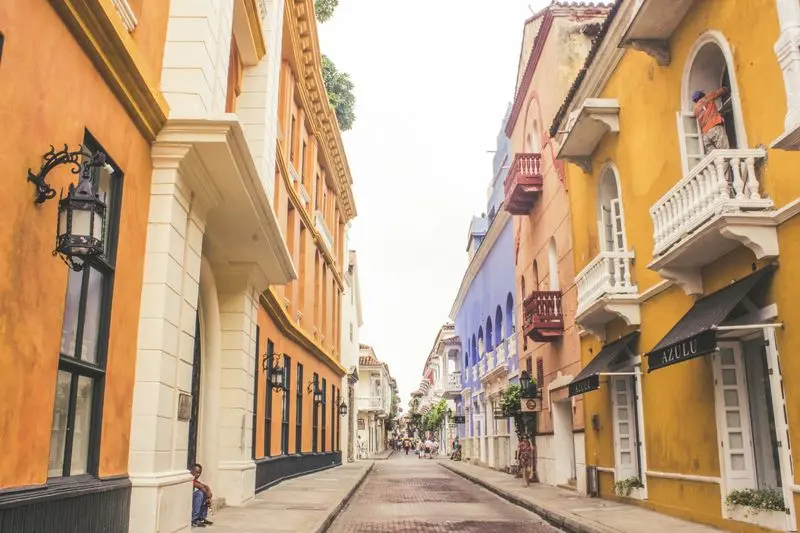
Aktivitäten in Cartagena, Colombia
Foto gemacht von Maria Paula Medina auf Pexels.com
Wann besuchen
Wann reisen Sie nach Cartagena, Colombia?
Wählen Sie Ihre Daten und Ihren Reisestil, um zu erhalten:
Sind Ihnen einige dieser Punkte besonders wichtig?
Wählen Sie alle zutreffenden aus
Plan language: DeutschBeliebteste Attraktionen in Cartagena, Colombia
Wenn man über Aktivitäten in Cartagena, Kolumbien nachdenkt, stechen drei Sehenswürdigkeiten hervor. Erklimmen Sie die 300 Jahre alte Festung Castillo San Felipe de Barajas mit 23 Kanonen und 3 Kilometern Tunneln. Besuchen Sie den Torre del Reloj, den Uhrturm aus dem 17. Jahrhundert, der den Eingang zur Altstadt bildet. Beenden Sie den Tag auf der Plaza Santo Domingo, wo Boteros Skulptur unter kolonialen Balkonen thront.
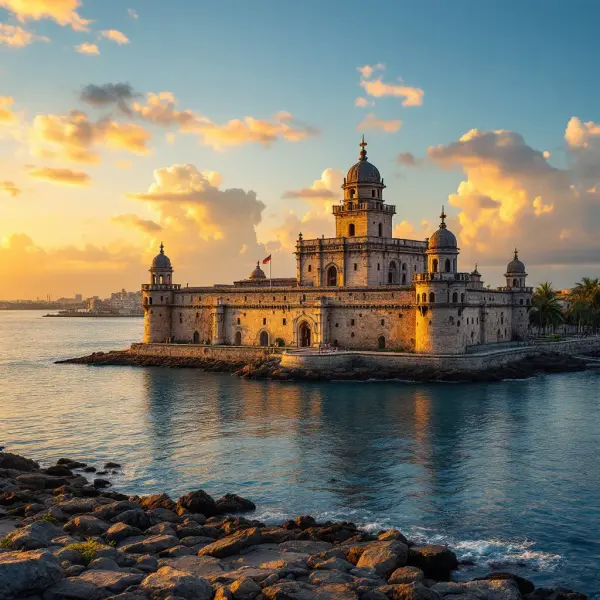
1. Castillo San Felipe de Barajas
Gehen Sie durch 450 Jahre alte Tunnel, in denen Flüstern entlang perfekt konstruierter Akustikmauern hallt. Von den oberen Wehrgängen aus können Sie beobachten, wie der Sonnenuntergang den Himmel über der Karibik färbt.
Schnelle Fakten: Über 20 Millionen Ziegelsteine und 130 Jahre Bauzeit formten diese Festung zu einem weitläufigen Verteidigungskomplex. Wachen kommunizierten einst durch ein 2 Kilometer langes Tunnelsystem, in dem der Schall entlang der gewölbten Steinmauern deutlich trägt.
Highlights: Ingenieure entwarfen drei Ebenen ineinandergreifender Tunnel mit abgewinkelten Lauschposten, die es einem einzigen Wächter ermöglichten, Eindringlinge aus mehreren Richtungen gleichzeitig zu erkennen. Auf dem höchsten Wall der Festung können Sie die genauen Verteidigungslinien nachvollziehen, die es Soldaten einst erlaubten, ankommende Schiffe Stunden vor Erreichen der Bucht zu sichten.
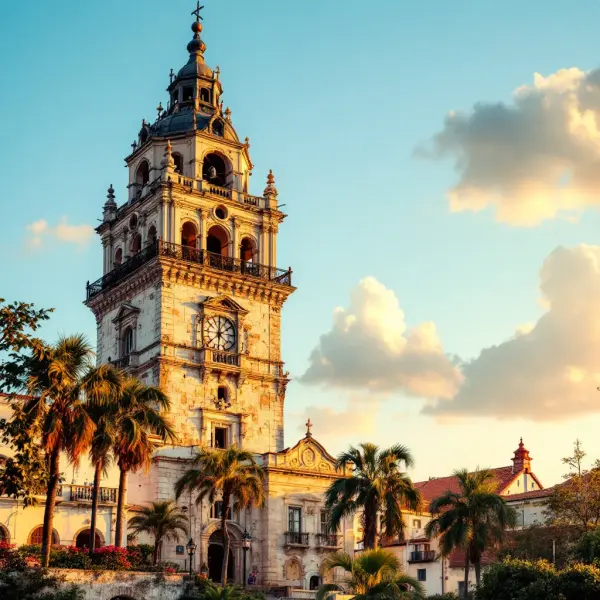
2. Torre del Reloj
Dieses Bogenportal ist seit über 400 Jahren die Eingangstür der Stadt und heißt Händler, Reisende und gleichermaßen Piraten willkommen. Wenn Sie hindurchgehen, treten Sie direkt in einen Platz, gesäumt von pastellfarbenen Balkonen, Pferdekutschen und dem rhythmischen Klappern von Schuhen auf Kopfsteinpflaster.
Schnelle Fakten: Mehr als 2 Millionen Menschen passieren dieses Korallensteintor jedes Jahr, das das lebhafte Viertel Getsemaní mit der kolonialen Altstadt verbindet. Das Uhrwerk an der Spitze wurde im frühen 20. Jahrhundert aus der Schweiz importiert und läuft noch immer mit zweimal wöchentlichem Handaufzug.
Highlights: Betrachten Sie den Bogeneingang genau und Sie werden eine kleine Marienstatue in einer Nische entdecken, die vor Jahrhunderten dort platziert wurde, um alle zu segnen, die die Stadt betraten. Auf der Platzseite wechseln die verblassten kolonialen Fresken an den angrenzenden Gebäuden ihre Farbe, während die Nachmittagssonne über die gemeißelte Steinfassade wandert.
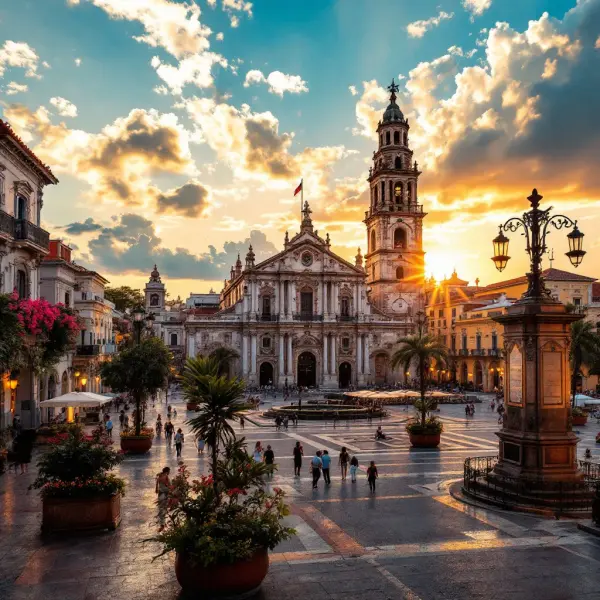
3. Plaza Santo Domingo
Cartagenas anziehendster sozialer Treffpunkt, wo Boteros berühmte bronzene Göttin unter der karibischen Sonne ruht. Genießen Sie eine Kokoslimonade, während Sie Salsatänzern, Schuhputzjungen und auf kolonialen Balkonen sitzenden Papageien zusehen.
Schnelle Fakten: Eine Bronzeskulptur einer üppig liegenden Frau namens "La Gorda Gertrudis" von Fernando Botero verankert diesen gepflasterten Platz. Straßenhändler, Salsa-Musik und der Duft von frittierten Arepas erfüllen die Luft vom Morgen bis spät in die Nacht.
Highlights: Einheimische reiben Boteros Gertrudis für Glück am Bauch und den bronzenen Zehen, wodurch diese Stellen im Kontrast zu ihrer dunkleren Patina zu einem glänzenden Goldglanz poliert werden. Nachdem ein Vandale sie 2006 beschädigte, reparierte die Stadt sie so gründlich, dass die Narbe Teil ihrer Geschichte wurde, ein Zeugnis von Cartagenas entschlossenem Schutz für sie.
Haben Sie schon von kostenlosen Stadtführungen gehört?
Nach Reisen in über 30 Ländern gibt es eine Sache, die ich mir gewünscht hätte, jemand hätte sie mir von Anfang an gesagt, und sie hat meine Art, neue Städte zu erleben, komplett verändert.
Kostenlose Stadtführungen. Ja, wirklich kostenlos. Keine Kreditkarte nötig. Kein Haken.
Lokaler Guide, 2-3 Stunden
Hauptsehenswürdigkeiten, versteckte Juwelen, lokale Geschichten
100% auf Trinkgeldbasis
Guides verdienen nur Trinkgeld, also geben sie ihr Bestes
Sie geben Trinkgeld, was sich richtig anfühlt
Am Ende geben Sie einfach das Trinkgeld, das Sie für richtig halten
Ich habe diese Touren in dutzenden Städten gemacht und sie waren der Höhepunkt fast jeder Reise. Wenn Sie Cartagena, Colombia besuchen, machen Sie das am ersten Tag. Sie werden es mir später danken.
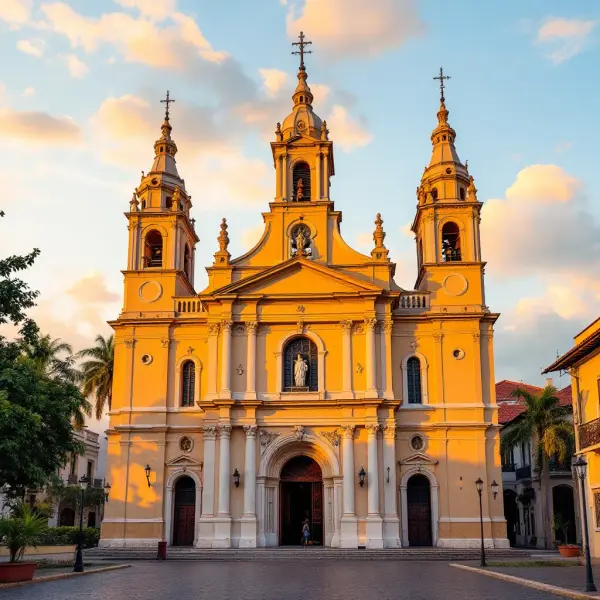
4. Iglesia de San Pedro Claver
Stehen Sie vor einem 400 Jahre alten Altar, an dem ein echter Heiliger einst täglich betete. Schlendern Sie durch sonnenbeschienene Kreuzgänge, sehen Sie seine erhaltenen Überreste und erleben Sie, wie Kolumbiens vielschichtige Geschichte lebendig wird.
Schnelle Fakten: Der heilige Peter Claver verbrachte 40 Jahre in dieser Kirche und taufte über 300.000 versklavte Afrikaner, die über Cartagenas Hafen ankamen. Sein bemerkenswert erhaltener Körper liegt in einem Glassarkophag nahe dem Hauptaltar, noch immer bekleidet mit der Robe, die er bei seinem Tod 1654 trug.
Highlights: Steigen Sie auf das Dach und Sie werden genau den Glockenturm finden, von dem aus Claver den Hafen nach ankommenden Sklavenschiffen absuchte, um Trost zu spenden. Der angrenzende Kreuzgang beherbergt die ursprünglichen Wohnräume des Heiligen, wo sein einfaches Holzbett und sein persönliches Kruzifix genau so geblieben sind, wie er sie hinterließ.
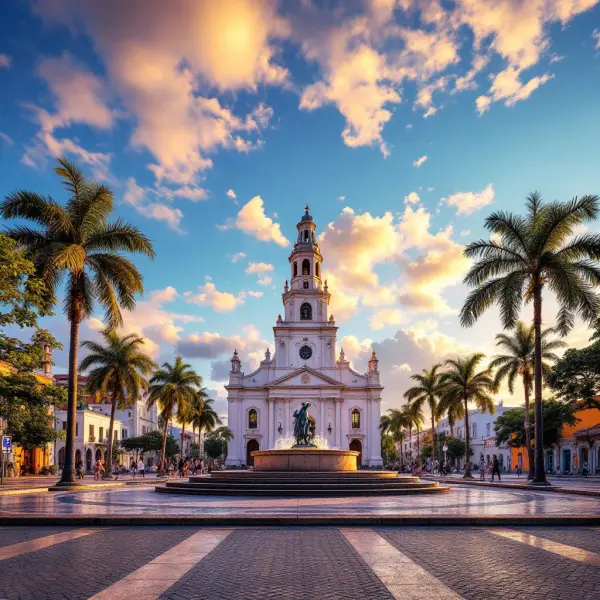
5. Plaza de los Coches
Treten Sie ein in Cartagenas koloniales Herz, wo einst Pferdekutschen das Kopfsteinpflaster beherrschten. Genießen Sie einen Kaffee unter den Arkaden, während Straßenhändler und Musiker den Platz um Sie herum zum Leben erwecken.
Schnelle Fakten: Pferdekutschen säumten einst diesen Platz, was ihm seinen Namen „Platz der Kutschen“ verlieh. In seiner Mitte steht eine Statue von Pedro de Heredia, dem spanischen Eroberer, der Cartagena im Jahr 1533 gründete.
Highlights: Blicken Sie zu den Gebäuden rund um den Platz auf, und Sie entdecken Holzbalkone in leuchtendem Gelb und Blau, jedes mit einem anderen Schnitzmuster. Diese Balkone erzählen die Geschichte der kolonialen Kaufmannsschicht Cartagenas, die hier ihre Häuser und Geschäfte baute, um nah am Handelsgeschehen des Hafens zu sein.
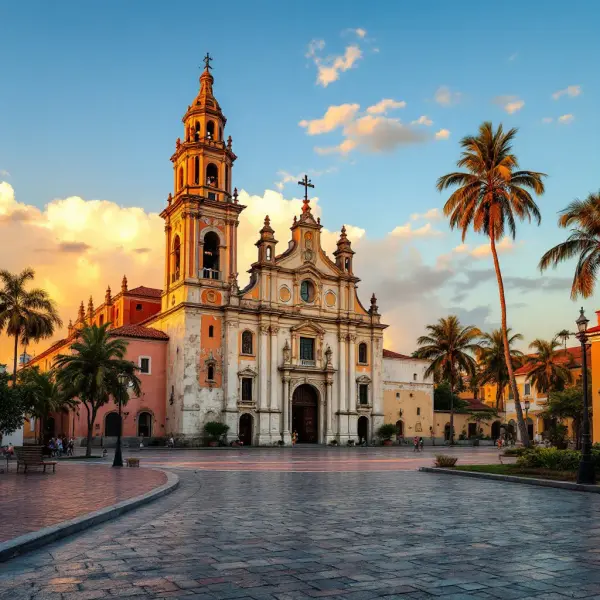
6. Convento de la Popa
Cartagenas höchster Punkt bietet mit einem Mal die besten Aussichten auf die Stadt, die Bucht und die Inseln. Steigen Sie auf die Dachterrasse des Klosters und beobachten Sie, wie Kreuzfahrtschiffe 150 Meter unter Ihnen an den alten Stadtmauern vorbeigleiten.
Schnelle Fakten: Auf 150 Metern über dem Meeresspiegel gelegen, bietet dieses Kloster aus dem 17. Jahrhundert ein 360-Grad-Panorama der Skyline Cartagenas, der Bucht und des Karibischen Meeres. Der Hügel erhielt seinen Namen "Popa", weil spanische Seeleute fanden, dass er an das Achterdeck eines Schiffes erinnert.
Highlights: In der Kapelle des Klosters steht eine kleine Holzstatue der Virgen de la Candelaria, der Schutzheiligen Cartagenas, von der die Einheimischen glauben, dass sie die Stadt im 18. Jahrhundert vor einer Seuche rettete. Jedes Jahr am 2. Februar besteigen Hunderte Pilger den Hügel zur Fiesta de la Candelaria und tragen bei Sonnenaufgang Kerzen den Kopfsteinpflasterweg hinauf.
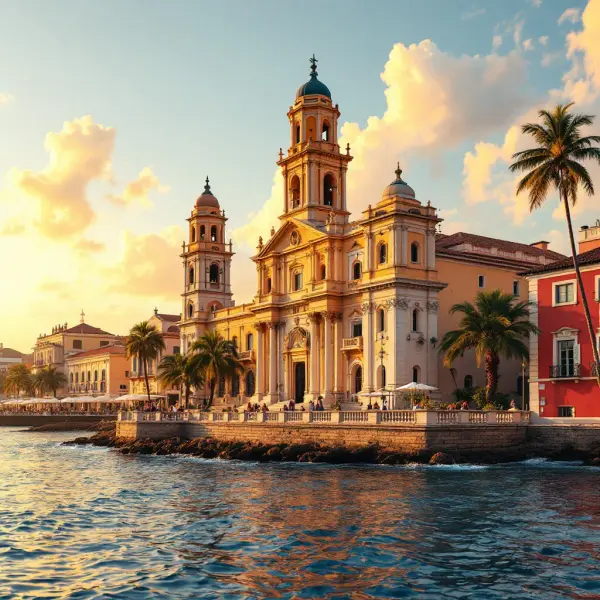
7. Las Bóvedas
Kaufen Sie authentische kolumbianische Souvenirs in jahrhundertealten Militärgewölben, die in die Stadtmauern gehauen wurden. Schlendern Sie durch 23 mit Kunsthandwerksständen gefüllte Bögen, während die Meeresbrise und lokale Musik vom Stein widerhallen.
Schnelle Fakten: Dreiundzwanzig bogenförmige Nischen erstrecken sich entlang der alten Stadtmauern und dienten einst als militärische Lagerräume für spanische Truppen. Diese dicken Steingewölbe beherbergten später Gefangene, bevor sie sich in einen bunten Marktplatz für lokales Kunsthandwerk und Kunst verwandelten.
Highlights: In der Kolonialzeit lagerten in diesen Gewölben Schießpulver und Waffen, während das Meer direkt an die Außenmauern spülte, was sie für Angriffe undurchdringlich machte. Heute sind dieselben Bögen erfüllt vom Klappern der Kunsthandwerker, die Taguanuss-Figuren schnitzen und Mochila-Taschen weben, während Reggaeton durch die Steinkorridore schallt.
8. Museo del Oro Zenu
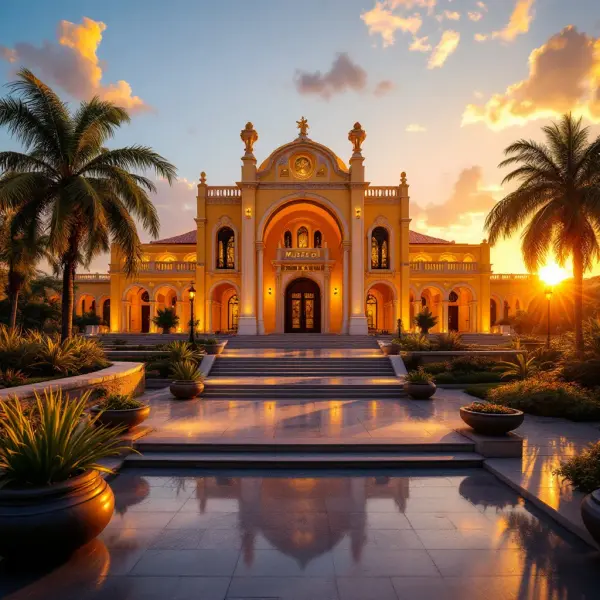
Treten Sie ein in eine Schatzkammer indigener Goldschmiedekunst, die mit jeder Sammlung Südamerikas konkurriert. Sie stehen filigranen Ohrringen, zeremoniellen Masken und Werkzeugen gegenüber, die zeigen, wie die Zenú vor 2.000 Jahren Gold bearbeiteten.
Schnelle Fakten: Die Zenú, die diese Goldstücke schufen, konstruierten ein ausgeklügeltes Kanalsystem, um Überschwemmungen auf 500.000 Hektar Tiefland zu kontrollieren. Einige der ausgestellten Filigran-Ohrringe und Nasenringe sind so fein gearbeitet, dass sie weniger wiegen als eine einzelne Büroklammer.
Highlights: Blicken Sie durch das Glas auf den Poporo, einen Kalkbehälter für Koka-Blätter, dessen Oberfläche durch Tausende winziger eingehämmerter Punkte die Geschichte des spirituellen Lebens der Zenú erzählt. Anders als Inka- oder Azteken-Goldobjekte, die in Lagerräumen verschlossen sind, sind hier über 1.200 Stücke in offenen Vitrinen angeordnet, die Ihnen erlauben, die Vorder- und Rückseite jedes Artefakts zu sehen und zu offenbaren, wie die Handwerker beide Seiten des Metalls bearbeiteten.
9. Catedral de Cartagena
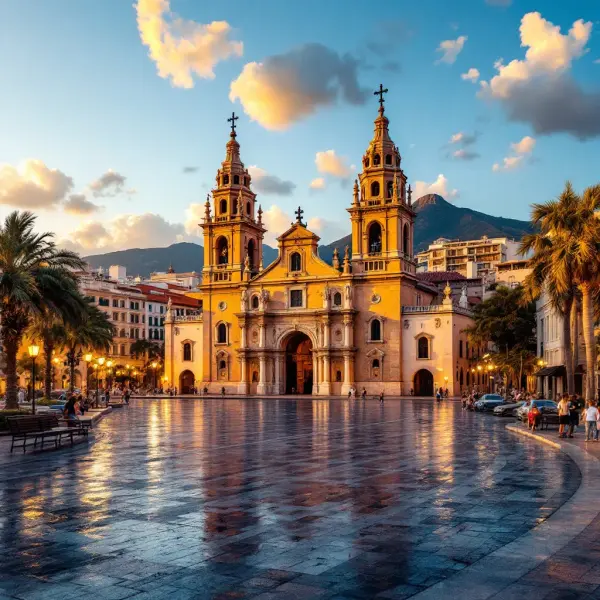
Eine der ältesten Kathedralen Amerikas, wo Kolonialgeschichte auf Piratensagen trifft. Stehen Sie in Mauern, die Erdbeben, Angriffe und 400 Jahre karibische Stürme überstanden haben.
Schnelle Fakten: Drei Jahrhunderte Bauzeit verliehen dieser Kathedrale eine faszinierende architektonische Mischung. Der Angriff von Sir Francis Drake auf die Stadt im Jahr 1586 stoppte die frühen Bauarbeiten, sodass das unvollendete Bauwerk jahrzehntelang auf dem Hauptplatz stand.
Highlights: Betrachten Sie den Hauptaltar genau und Sie werden eine kleine Kanonenkugel in der Mauer entdecken, eine Narbe eines Piratenangriffs aus dem 17. Jahrhundert. Der unebene Glockenturm der Kathedrale erzählt eine weitere Geschichte: Ein Erdbeben von 1830 stürzte den ursprünglichen um, und sein Ersatz wurde absichtlich etwas schief gebaut, um einen zukünftigen Einsturz zu vermeiden.
Where to Stay in Cartagena, Colombia
Selected by City Buddy based on guest reviews and proximity to top attractions
Search all hotels in Cartagena, ColombiaPowered by agoda
Traditionelle Süßspeisen
Cocadas
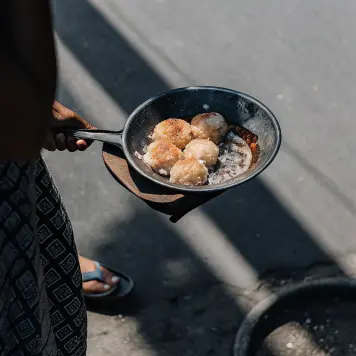
Cocadas are sweet coconut confections that trace their origins to the African diaspora in Cartagena. They are famously sold by palenqueras, Afro-Colombian women in colorful dresses who balance bowls of them on their heads as they walk through the city.
Dulce de Leche (Arequipe)
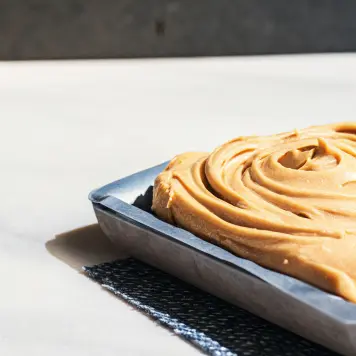
In Cartagena, dulce de leche is often blended with coconut or fruits like guava to create rich, creamy desserts. It is a staple sweet spread that locals enjoy with cheese or on bread.

Ensalada de Frutas (Fruit Salad)
Cartagena's fruit salad is no ordinary dish; it is a vibrant mix of tropical fruits like mango, papaya, and lulo, often topped with a splash of lime and a sprinkle of salt. Street vendors sell it chilled on hot Caribbean days for a refreshing treat.
Traditionelle herzhafte Gerichte

Arroz con Coco (Coconut Rice)
Arroz con coco is a quintessential Cartagena side dish made by cooking rice in coconut milk and often sweetened with a hint of sugar. It is typically served alongside fried fish and patacones, creating the classic Caribbean coastal plate.

Mote de Queso
Mote de queso is a hearty, creamy soup made with yam, salted costeño cheese, and herbs. It originated in Cartagena's countryside and is a comforting dish that showcases the region's love for combining cheese with savory stews.
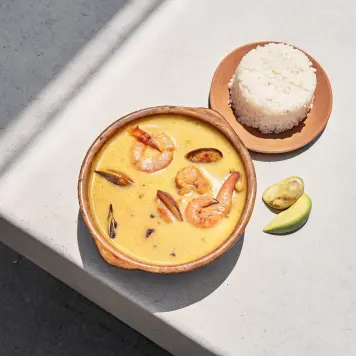
Cazuela de Mariscos (Seafood Stew)
This rich seafood stew is packed with shrimp, fish, crab, and clams simmered in a coconut milk and tomato broth. It reflects Cartagena's coastal location and is often served in a clay pot with rice and avocado on the side.
Traditionelle Getränke
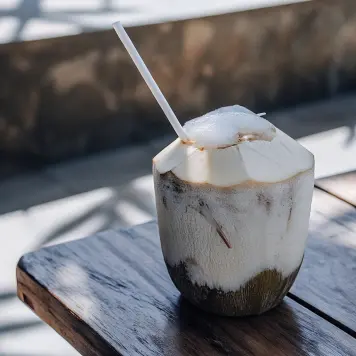
Limonada de Coco (Coconut Lemonade)
Limonada de coco is a creamy, tropical blend of fresh lime juice, coconut milk, and ice that is uniquely popular in Cartagena. Unlike a standard lemonade, it is frothy and rich, making it the ultimate thirst-quencher on a Caribbean afternoon.

Jugo de Lulo
Lulo is a tangy, citrus-like fruit native to Colombia, and its juice is a beloved drink throughout Cartagena. It is often sweetened with sugar and served over ice, offering a bright, zesty flavor that locals swear by for beating the heat.

Aguardiente Antioqueno
Aguardiente is Colombia's signature anise-flavored sugarcane spirit and a favorite at Cartagena's lively street festivals and nightclubs. It is commonly called "guaro" and is typically sipped straight or mixed into cocktails like the popular "Saoco."
Frequently Asked Questions about Cartagena, Colombia
Ist Cartagena, Kolumbien sicher?
Wie viele Tage in Cartagena, Kolumbien?
Beste Reisezeit für Cartagena, Kolumbien?
Ist Cartagena, Kolumbien teuer?
Wie kommt man in Cartagena, Kolumbien herum?
Erhalten Sie ein PDF mit den beliebtesten Attraktionen per E-Mail
Erhalten Sie ein PDF mit allen Attraktionen, Bewertungen und Tipps. Perfekt für die Offline-Nutzung.
Beliebteste Tagesausflüge
Islas del Rosario
Stunning coral islands with white sand beaches and clear turquoise water
Playa Blanca (Barú)
Pristine white sand beach with crystal clear Caribbean waters
Volcán de Lodo El Totumo
Famous mud volcano where you bathe in therapeutic warm mud
San Basilio de Palenque
UNESCO heritage village founded by escaped African slaves
Anreise
Flughäfen
Bahnhöfe
None. Buses, taxis, and private cars are the main transport options.
From CTG airport, take a taxi or Uber to the Old Town (15 to 20 minutes, around USD 10 to 15). Always agree on price beforehand.
Flüge nach Cartagena, Colombia finden
Klicken Sie hier, um eine eSim für Cartagena, Colombia zu erhalten
Der einfachste und günstigste Weg, mobiles Internet überall auf Reisen zu bekommen.
Kommentare (10)
Eat at La Cevicheria for lunch not dinner. Same amazing food but half the price. And skip the restaurants on the main wall, walk one block inland.
Best 4 days ever. The colors, the music, the people. Took a boat to Islas del Rosario and it felt like paradise. Would go back tomorrow.
Always carry small bills. So many places claim to not have change for larger notes. Taxis too, insist on the meter or agree on price before getting in.
Mixed feelings. City is stunning but everything felt overpriced for Colombia. Drinks in Plaza Santo Domingo were twice what I paid in Medellin.
Rainy season caught me off guard. Showers every afternoon but they pass fast. Still managed to see everything and had a great time overall.