 CityBuddy
 Deutsch
Aktivitäten in Bhubaneswar, India
Foto gemacht von Soubhagya Maharana auf Pexels.com
Wann besuchen
Beliebteste Attraktionen in Bhubaneswar, India
Wenn Sie Aktivitäten in Bhubaneswar, Indien, recherchieren, beginnen Sie mit dem Lingaraja-Tempel aus dem 10. Jahrhundert, einem atemberaubenden Meisterwerk aus Sandstein. Die Udayagiri- und Khandagiri-Höhlen, antike in den Fels gehauene Zufluchtsstätten aus dem 2. Jahrhundert v. Chr., bieten faszinierende Schnitzereien. Nur 15 Kilometer nördlich bietet der Nandankanan-Zoologische Park eine Safari mit weißen Tigern und botanische Gärten.
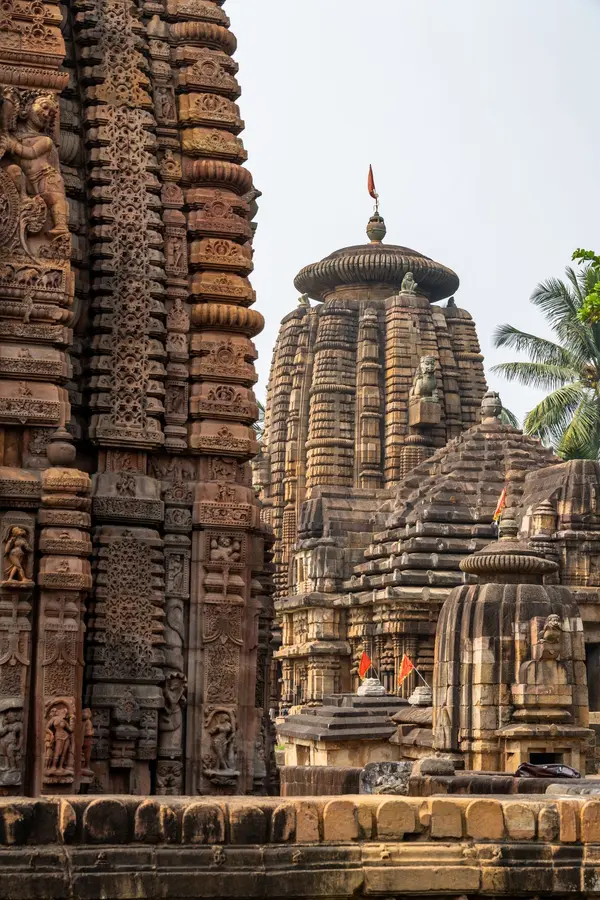
1. Lingaraja Temple
Einer der ältesten noch aktiven Tempel Indiens, mit Ritualen, die seit dem 8. Jahrhundert unverändert geblieben sind. Spüre 1.000 Jahre Weihrauchrauch in den Steinmauern, während Priester in fackelbeleuchteten Gängen uralte Hymnen singen.
Schnelle Fakten: Der Hauptturm erhebt sich 55 Meter hoch und ist mit kunstvollen Schnitzereien von Himmelsnymphen, Löwen und Elefanten bedeckt. Der mehr als 1.000 Jahre alte Tempel hält noch immer tägliche Gottesdienste ab, die seit Jahrhunderten ununterbrochen stattfinden.
Highlights: Anders als in den meisten Tempeln, wo nur Priester das Allerheiligste betreten, offenbart eine wenig bekannte Lichtung hinter dem Hauptschrein einen versteckten Innenhof mit einem heiligen Brunnen, in dem der Lingam auf natürliche Weise entstanden ist, nicht von Menschenhand gemeißelt. Im Monat Pausha im Winter erzeugt das nachlassende Nachmittagslicht einen schmalen goldenen Strahl, der den Lingam direkt durch eine sorgfältig konstruierte Lücke im Stein trifft.
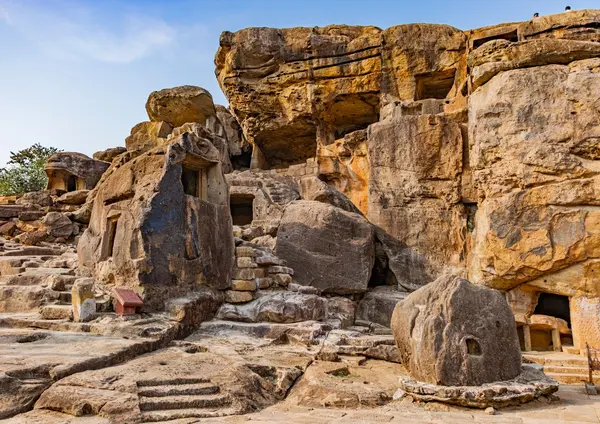
2. Udayagiri and Khandagiri Caves
Steige alte Treppen hinauf, die in Zwillingshügel gehauen wurden, für atemberaubende Ausblicke auf Bhubaneswar und außergewöhnliche Jain-Höhlenarchitektur. Schlendere durch 117 Kammern und entdecke dabei filigrane Schnitzereien von Elefanten, Tänzern und königlichen Prozessionen.
Schnelle Fakten: In zwei Hügel nur 6 Kilometer voneinander entfernt gehauen, bieten diese Höhlen 117 in den Fels geschlagene Kammern, die vor zwei Jahrtausenden von Jain-Mönchen genutzt wurden. Allein die Rani-Gumpha-Höhle umfasst 31 Kammern auf zwei Stockwerken mit kunstvoll gemeißelten Friesen.
Highlights: Bei Ganesh Gumpha finden Sie ein gemeißeltes Paneel, das möglicherweise die älteste bekannte Darstellung eines Tanzdramas in Indien zeigt, mit Musikern und Darstellern, die in Stein erstarrt sind. Die in den Hang gemeißelte "Hathigumpha-Inschrift" erzählt die Geschichte von König Kharavela in 17 Zeilen Prakrit-Text und fungiert wie eine Zeitung von vor 2.000 Jahren.
3. Nandankanan Zoological Park
Begegne seltenen weißen Tigern und über 1.340 Tieren, die in weitläufigen, bewaldeten Gehegen leben. Gleite bei einer Bootssafari über den See, umgeben von zwitschernden Vögeln und üppigem Grün.
Schnelle Fakten: Heimat für über 1.340 Vögel, Säugetiere und Reptilien auf 437 Hektar, ist dies einer der größten Freiluftzoos Indiens. Es beherbergt außerdem einen botanischen Garten und einen See, der jeden Winter Zugvögel wie Spießenten und Tafelenten anzieht.
Highlights: Weiße Tiger wurden hier 1951 erstmals in freier Wildbahn entdeckt, und der Zoo betreibt noch immer ein äußerst erfolgreiches Erhaltungszuchtprogramm für sie. Sie können diese geisterhaft blassen Katzen dabei beobachten, wie sie durch üppige Gehege streifen, die ihren natürlichen Waldlebensraum nachahmen, ein Anblick, der fast nirgendwo sonst zu finden ist.
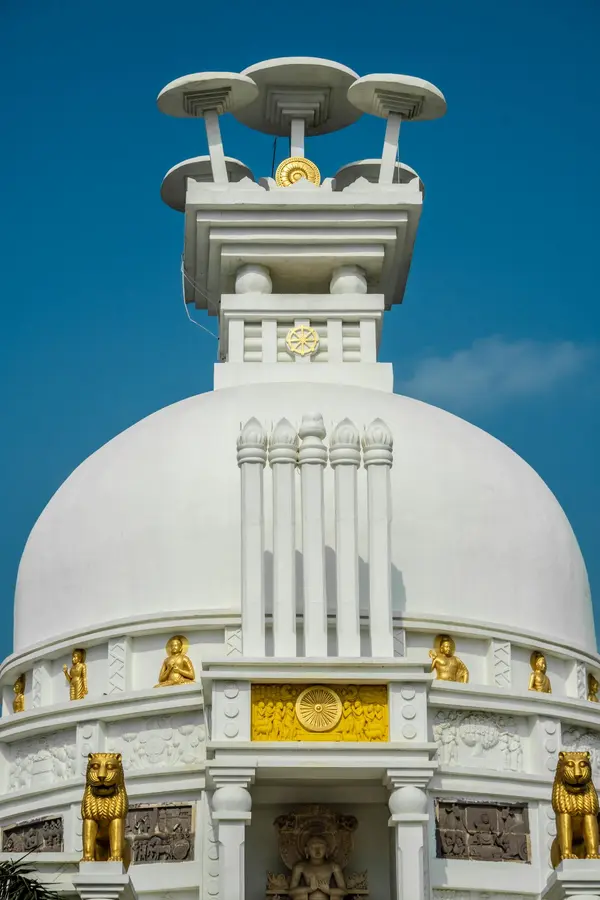
4. Dhauli Shanti Stupa
Entfliehe dem Lärm der Stadt zu einem Hügelgipfel der Ruhe, an dem Geschichte und Hingabe aufeinandertreffen. Sieh zu, wie das Sonnenlicht über die weiße Kuppel tanzt, während unten Mönche singen und der Fluss Daya in der Ferne glitzert.
Schnelle Fakten: Auf einem Hügel mit Blick auf den Daya-Fluss thront der glänzend weiße Stupa an der Stelle, an der Kaiser Ashoka nach dem blutigen Kalinga-Krieg der Gewalt abgeschworen haben soll. Seine glockenförmige Kuppel trägt kunstvolle Schnitzereien aus dem Leben Buddhas und fünf farbenfrohe Tafeln mit Szenen aus alten buddhistischen Traditionen.
Highlights: Die Vorderseite des Stupa ziert ein massives Steinrelief eines aufgerichteten Elefanten, ein altes Symbol für die Geburt Buddhas, das sich dramatisch vom Hügelgipfel abhebt. Geht man um das Bauwerk herum, findet man auf der Rückseite eine Reihe von in den Fels gehauenen Höhlen, die buddhistische Mönche vor fast 2.300 Jahren zur Meditation nutzten.
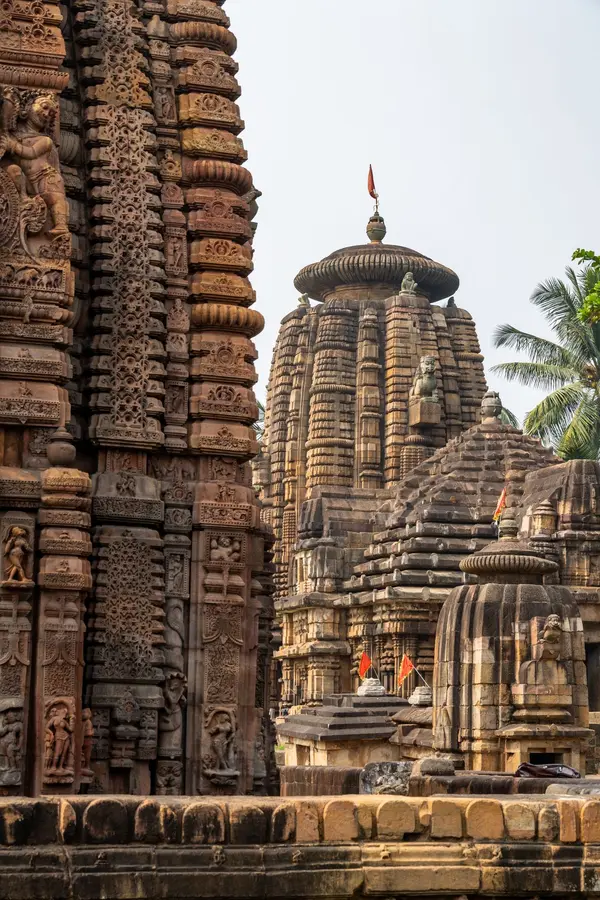
5. Mukteshvara Temple
Nur wenige Tempel vereinen so viel Detail auf so engem Raum, wobei jeder Zentimeter Stein eine Geschichte erzählt. Du umrundest ein winziges Gehege und entdeckst über 60 handgeschnitzte Überraschungen, von tanzenden Figuren bis zum mittelalterlichen Alltag, eingefroren in Stein.
Schnelle Fakten: Der Tempel aus dem 10. Jahrhundert ist mit über 60 aufwendigen Tafeln bedeckt, die Szenen aus dem täglichen Leben darstellen, darunter eine Frau beim Schminken und ein Affe, der sich einen Dorn aus dem Fuß zieht. Sein bogenförmiger Eingang, bekannt als Torana, wurde von der buddhistischen und jainistischen Architektur inspiriert, was ihn zu einem der frühesten Fusionsstile-Tempel in Ostindien macht.
Highlights: Schauen Sie genau auf die Steinsäulen, und Ihnen wird etwas Merkwürdiges auffallen: Jede hat ein anderes dekoratives Motiv, als ob zwei rivalisierende Werkstätten sich gegenseitig übertreffen wollten, ohne einen endgültigen Plan. Der Tempel hat auch eine versteckte Inschrift in einer dunklen Ecke, die der Mutter des Architekten die Finanzierung des Baus zuschreibt, eine seltene Erwähnung einer Frau in Aufzeichnungen des 10. Jahrhunderts.
6. Odisha State Museum
Wandere unter einem Dach durch 50.000 Jahre Geschichte Odishas. Von prähistorischen Werkzeugen bis zu schimmernden mittelalterlichen Rüstungen enthüllt jede Galerie hinter jeder Ecke eine neue Überraschung.
Schnelle Fakten: Untergebracht in einem beeindruckenden Gebäude aus der Kolonialzeit, das sich über mehrere Flügel erstreckt, beherbergt das Museum über 50.000 Artefakte, die Jahrhunderte odishanischer Kunst und Kultur umfassen. Sie finden hier alles von alten Palmblattmanuskripten bis hin zu einer originalgetreuen Nachbildung eines Tempels aus dem zwölften Jahrhundert.
Highlights: Die Münzgalerie zeigt über 2.000 antike Münzen, darunter punzierte Silberstücke aus dem 4. Jahrhundert v. Chr., die unter dem Licht der Vitrinen noch immer glänzen. Eine Galerie beherbergt eine seltene Sammlung von Patta-Chitra-Gemälden aus dem 18. Jahrhundert, deren kunstvolle Ränder mit gemahlenen Halbedelsteinen statt mit gekauften Pigmenten bemalt wurden.
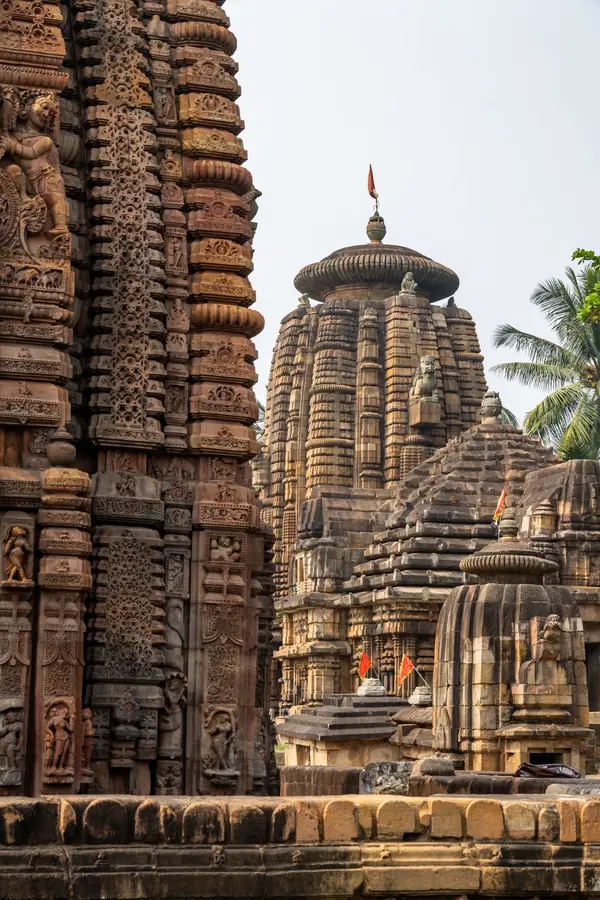
7. Rajarani Temple
Nirgendwo sonst siehst du 64 tanzende Nymphen, eingefroren in Sandstein, jede erzählt eine andere Geschichte. Fahre mit den Fingern über das warme, goldene Gestein, während das Nachmittagslicht jede gemeißelte Figur in Flammen setzt.
Schnelle Fakten: Vollständig aus rötlich-goldenem Sandstein gemeißelt, schmücken über 60 tanzende Figuren die Außenwände des Tempels in ausdrucksstarken Posen. Der Tempel verdankt seinen Namen keiner königlichen Verbindung, sondern dem örtlichen, gelblich getönten Stein namens 'Rajarani', der ihm bei Sonnenuntergang einen honigfarbenen Glanz verleiht.
Highlights: Anders als die meisten Tempel, die ihre Wände Göttern und Göttinnen widmen, werden die Außenpaneele hier von himmlischen Nymphen namens 'Nayikas' beherrscht, die mitten im Tanz, beim Schminken oder sogar beim Entfernen eines Dorns aus ihrem Fuß festgehalten sind. Diese 64 anmutigen Figuren nehmen jeweils eine andere Pose ein und verwandeln den Tempel in eine eingefrorene Choreografie von Leben und Schönheit Odishas im 11. Jahrhundert.
8. Bindu Sagar Tank
Komm dorthin, wo Mythologie auf den Alltag trifft, an heiligen Gewässern, die seit Jahrhunderten Pilger anziehen. Tauche deine Füße in das heilige Becken und schlendere dann an Dutzenden winziger Schreine vorbei, die in die Steinstufen eingelassen sind.
Schnelle Fakten: Tausende Pilger versammeln sich hier jedes Jahr in dem Glauben, dass das Wasser des Teichs Sünden wegwaschen kann, eine Tradition, die mit einem einzigen Tropfen heiligen Nektars verbunden ist, der hier gefallen sein soll. Der Teich bedeckt fast 2 Acres und ist von über hundert kleinen Schreinen und Tempeln gesäumt, die an seinen Sandsteinufern stehen.
Highlights: Der lokalen Legende nach fiel während des kosmischen Quirlens des Ozeans ein einziger Tropfen des Nektars der Unsterblichkeit hierher, was diesem Teich seinen Namen und seine angebliche reinigende Kraft verleiht. Beobachten Sie Priester bei Sonnenuntergang, die Aartis durchführen, wenn die flackernden Öllampen sich im dunklen Wasser spiegeln, umgeben von Gesängen, die von den alten Tempelmauern widerhallen.
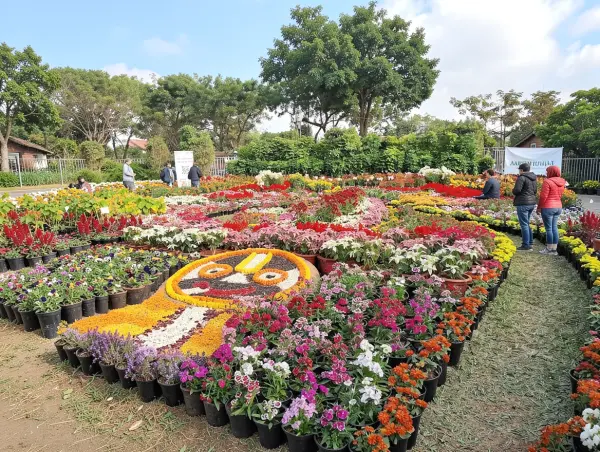
9. Ekamra Kanan Botanical Garden
Entfliehe in 360 Hektar schattiger Wanderwege und schmetterlingsreicher Blumenbeete mitten im Herzen der Stadt. Erwarte ruhige Teiche, ein tropisches Gewächshaus und die Chance, seltene Heilpflanzen zu entdecken, die wild entlang der Wege wachsen.
Schnelle Fakten: Auf 360 Hektar erstreckt sich dieser ehemalige königliche botanische Garten und beherbergt über 500 Arten tropischer Bäume und Blütenpflanzen. Sein Netzwerk aus schattigen Spazierwegen und ruhigen Gewässern zieht jährlich rund 200.000 Besucher an, von morgendlichen Joggern bis hin zu Pflanzenliebhabern.
Highlights: Im Garten versteckt liegt ein kleiner japanischer Steingarten mit glatten weißen Kieseln, einem plätschernden Bambusbrunnen und skulptierten Bonsai, der sich wie ein völlig anderer Kontinent anfühlt. Nach Regenfällen riecht der ganze Ort nach feuchter Erde und Frangipani, und am südlichen Rand könnte man einen Pfau entdecken, der seine Federn am Lotusteich spreizt.
10. Pathani Samanta Planetarium
Blicke auf 6.000 Sterne, die über eine riesige 20-Meter-Kuppeldecke projiziert werden. Du gehst hinaus mit dem Gefühl, an einem Abend das Sonnensystem und die Observatorien des alten Indiens bereist zu haben.
Schnelle Fakten: Die Kuppel des Planetariums hat einen Durchmesser von 20 Metern, eine der größten in Ostindien, und bietet 250 Personen Platz unter ihrem Sternenhimmel. Live-Shows verbinden hier antike indische Astronomie mit modernen Visualisierungen, eine Hommage an den Astronomen Pathani Samanta aus dem 5. Jahrhundert, dessen Namen es trägt.
Highlights: Im Gegensatz zu den meisten Planetarien, die allgemeine Nachthimmel zeigen, projiziert dieses hier die exakten Sterne, die in Echtzeit über Bhubaneswar sichtbar sind, abgestimmt auf den Breitengrad der Stadt und die aktuelle Jahreszeit. Nach ausgewählten Shows können Sie die Mondkrater und die Jupiterbänder durch ein leistungsstarkes Celestron-Teleskop beobachten, das direkt vor der Kuppel aufgestellt ist.
Where to Stay in Bhubaneswar, India
Selected by City Buddy based on guest reviews and proximity to top attractions
Search all hotels in Bhubaneswar, IndiaPowered by agoda
Öffnungstage in Bhubaneswar, India
Welche Top-Sehenswürdigkeiten an welchem Wochentag schließen, der klassische Urlaubsruinierer, für dich geprüft.
Montag: 3 von 9 Top-Sehenswürdigkeiten geschlossen. Plane Museen für einen anderen Tag.
Geschlossen am Montag · 3 geschlossen, 6 geöffnet
Öffnungstage von Google Maps (geprüft am 2026-06-16). Feiertage, Streiks und saisonale Öffnungszeiten können abweichen. Prüfe die offizielle Website vor deinem Besuch.
Traditionelle Süßspeisen

Chenna Poda
Chenna Poda, which means 'burnt cheese' in Odia, is made by baking sweetened cottage cheese with cardamom and raisins until it develops a caramelized outer crust.

Rasabali
Rasabali consists of deep-fried flattened chhena discs soaked in sweetened thickened milk, and it is a favorite offering to Lord Jagannath in Puri near Bhubaneswar.

Khaja
Khaja is a crispy, flaky layered pastry made from refined flour and sugar syrup, and its preparation method dates back to ancient temple kitchens in Odisha.
Traditionelle herzhafte Gerichte

Dalma
Dalma is a heartwarming Odia dish of lentils and vegetables cooked together with a unique tempering of panch phoron, and it is considered a staple comfort food in Bhubaneswar households.

Pakhala Bhata
Pakhala Bhata is fermented cooked rice served with water, yogurt, and spices, and it is traditionally eaten during summer to cool the body and aid digestion in Odisha.

Machha Bhaja
Machha Bhaja is crispy fried spiced fish, often made with rohu or ilish, and it is an essential part of traditional Odia meals served on palm leaf plates.
Traditionelle Getränke

Amla Juice
Amla juice made from Indian gooseberries is widely consumed in Bhubaneswar for its high vitamin C content and its traditional use in Ayurvedic wellness practices.

Buttermilk or Chaas
Spiced buttermilk known as chaas is a refreshing drink in Odisha often flavored with roasted cumin, ginger, and curry leaves to aid digestion after meals.
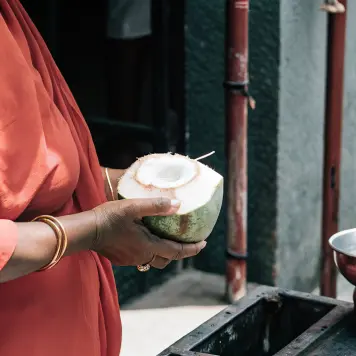
Tender Coconut Water
Tender coconut water is a natural electrolyte-rich beverage sold by street vendors across Bhubaneswar and is considered a sacred offering in Odia temple rituals.
Häufig gestellte Fragen zu Bhubaneswar, India
Ist Bhubaneswar, Indien sicher?
Wie viele Tage in Bhubaneswar, Indien?
Beste Reisezeit für Bhubaneswar, Indien?
Ist Bhubaneswar, Indien teuer?
Wie kommt man in Bhubaneswar, Indien herum?
Erhalten Sie ein PDF mit den beliebtesten Attraktionen per E-Mail
Erhalten Sie ein PDF mit allen Attraktionen, Bewertungen und Tipps. Perfekt für die Offline-Nutzung.
Beliebteste Tagesausflüge
Konark Sun Temple
UNESCO World Heritage site, 13th-century sun temple with intricate stone carvings
Puri Jagannath Temple
Famous Hindu temple dedicated to Lord Jagannath, a major pilgrimage site
Chilika Lake
Asia's largest brackish water lagoon, famous for migratory birds and dolphins
Dhauli Shanti Stupa
Peace pagoda built on the site of the Kalinga War, with rock edicts
Nandankanan Zoological Park
Zoo and botanical garden known for white tigers and reptile park
Anreise
Flughäfen
Bahnhöfe
Howrah-Chennai main line, East Coast Railway
Prepaid taxis and auto-rickshaws are available from the airport. The railway station is centrally located and well connected to the city.
Nützliche Informationen für Bhubaneswar, India
Übersicht für Bhubaneswar, India
Du willst einen Tag-für-Tag-Plan für Bhubaneswar, India? Öffne den Reiseplaner
Wann reisen Sie nach Bhubaneswar, India?
Wählen Sie Ihre Daten und Ihren Reisestil, um zu erhalten:
Sind Ihnen einige dieser Punkte besonders wichtig?
Wählen Sie alle zutreffenden aus
Fortbewegung
Wie möchtest du dich zwischen den Orten bewegen?
Sprache des Plans: Deutsch