 CityBuddy
 Deutsch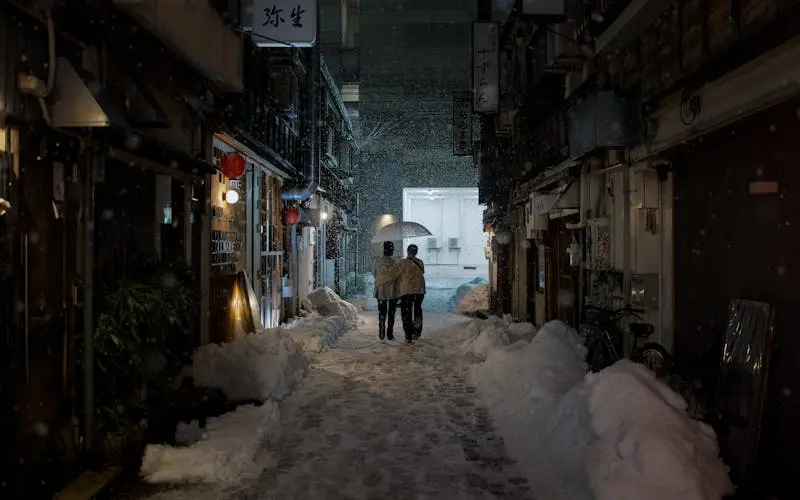
Aktivitäten in Kanazawa, Japan
Foto gemacht von Julien auf Pexels.com
Wann besuchen
Kanazawa ist die #8 sauberste Stadt weltweit, basierend auf unseren Daten aus Hunderten von Reisezielen.
Beliebteste Attraktionen in Kanazawa, Japan
Zu den besten Aktivitäten in Kanazawa, Japan, gehört der Besuch des Kenroku-en Gartens, einem der drei großen Gärten des Landes, sowie ein Spaziergang durch das historische Higashi Chaya Viertel mit seinen gut erhaltenen Teehäusern. Nicht verpassen sollten Sie den Kanazawa Castle Park mit seinen beeindruckenden Steinmauern und weitläufigen Anlagen, die sich ideal für gemütliche Spaziergänge eignen.
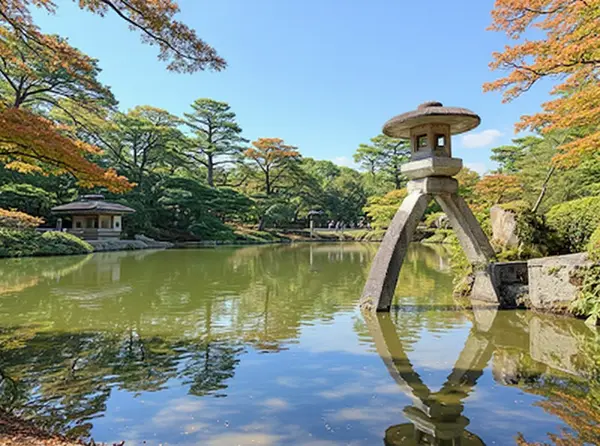
1. Kenroku-en Garden
Einer der elegantesten Landschaftsgärten Japans, reich an Teichen, Teehäusern und saisonalen Dekorationen. Schlendern Sie über kieferngesäumte Wege, sehen Sie die Kotoji-Laterne und die Yukitsuri-Seile im Winter.
Schnelle Fakten: Moosteppiche und geschwungene Wege schaffen plötzliche gerahmte Ausblicke, die sich mit jeder Jahreszeit verändern, von Pflaumenparfüm im Frühling bis zu flüsterleeren Schneelandschaften im Winter. Teehäuser, Steinlaternen und ein malerischer Inselteich laden zum langsamen Schlendern und zu vielen fotoperfekten Perspektiven ein.
Highlights: Yukitsuri-Seile wiegen die Zweigspitzen jeden Winter, die feinen Kordeln werfen kronenartige Schatten auf den frischen Schnee und bilden fotogene Gitterwerke. Führer zeigen gerne auf die Karasaki-Kiefer, deren windgepeitschte Äste über den von Laternen beleuchteten Teich ragen, sodass die Silhouette in der Abenddämmerung wie eine japanische Tuschemalerei wirkt.
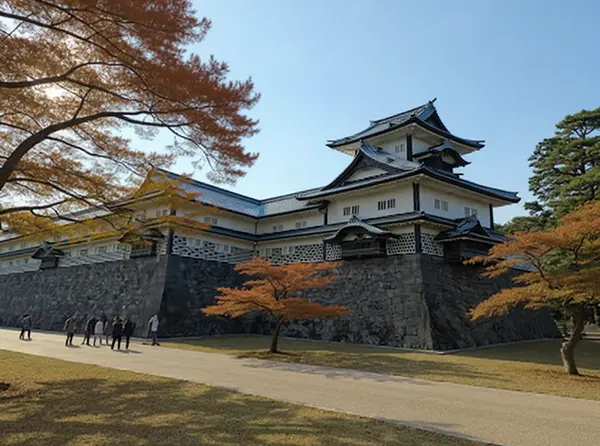
2. Kanazawa Castle Park
Gut erhaltener Samurai-Burgkomplex mit dramatischen Steinmauern und restaurierten Holztoren. Schlendern Sie über weitläufiges Gelände, besteigen Sie Türme und genießen Sie den Blick in den Kenrokuen-Garten.
Schnelle Fakten: Massive, weiß verputzte Mauern und hoch aufragende Holztore rahmen ein Labyrinth aus steinernen Wegen und Wassergräben, in denen Koi direkt unter den Fußbrücken gleiten, so nah, dass man das Plätschern hören kann. Geführte Touren und Informationstafeln weisen auf die originalen Steinmauern und rekonstruierte Türme hin und bieten praktische Einblicke in traditionelle Zimmermannskunst und Burghandwerk.
Highlights: Steigen Sie die Holztreppen eines der drei restaurierten Türme hinauf und Sie riechen Harz und hören das hohle Klopfen dicker Balken, während eine kleine Plakette lokale Zimmermannszünfte namentlich erwähnt. Sanftes bernsteinfarbenes Licht von über 50 schwebenden Laternen taucht bei Abendveranstaltungen oft den Wassergraben ein. Die Reflexionen verwandeln die Steinmauern in bewegte Wandteppiche, die fast filmisch wirken.
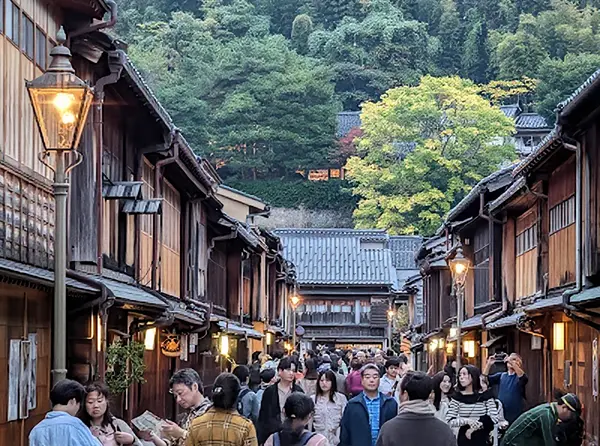
3. Higashi Chaya District
Treten Sie ein in gut erhaltene Straßen aus der Edo-Zeit, wo hölzerne Teehäuser und Geisha-Kultur noch lebendig sind. Wandeln Sie durch enge Gassen, probieren Sie lokale Süßigkeiten und beobachten Sie Handwerker bei der Arbeit.
Schnelle Fakten: Schmale Gassen, eingerahmt von honigfarbenen Holzgittern, fühlen sich an, als würde man ein Filmset betreten, während lackierte Innenräume manchmal das sanfte Zupfen einer Shamisen auf die Straße dringen lassen. Das Viertel ist eines von drei traditionellen Teehausvierteln der Stadt und beherbergt noch immer Geisha-Aufführungen sowie Geschäfte, die feines Blattgold und Lackwaren verkaufen.
Highlights: Eine unerwartete Köstlichkeit ist das Blattgold-Softeis, bei dem Verkäufer ein einzelnes Blatt 24-karätiges Gold über das Eis legen, sodass das Blatt auf der Zunge schimmert und zergeht. Nach Einbruch der Dunkelheit kann man auf einer erhöhten Veranda eine zwei- oder dreiköpfige Geisha-Aufführung erleben, bei der die Shamisen, das Rascheln der mehrschichtigen Kimonos und geflüsterte Gespräche die Menge in einen intimen, filmischen Moment hüllen.
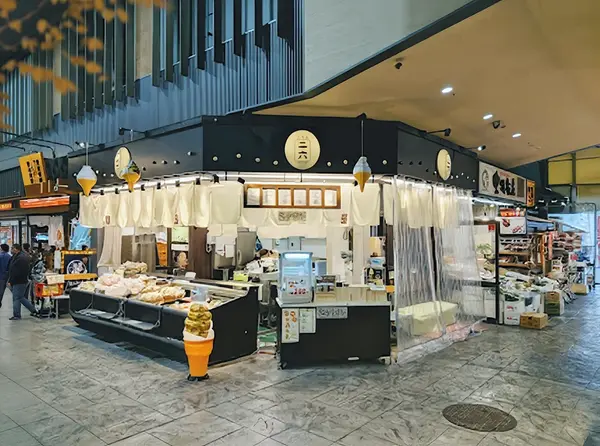
4. Omicho Market
Kanazawas belebter Fischmarkt mit den frischesten Fängen aus dem Japanischen Meer. Gehen Sie durch enge Gänge, probieren Sie Sashimi an den Theken und sehen Sie Händlern bei der Zubereitung der Tagesgerichte zu.
Schnelle Fakten: Duftender Dampf von köchelnden Brühen und brutzelnden Takoyaki vermischt sich mit dem salzigen Aroma frischer Meeresfrüchte und erfüllt die engen Gänge, in denen Händler laut Preise rufen. Mehr als 200 Stände und kleine Gaststätten drängen sich auf dem Platz, wobei täglich Meeresfrüchte aus nahegelegenen Häfen ankommen, sodass Sashimi innerhalb von Stunden nach dem Fang serviert werden kann.
Highlights: Einheimische versammeln sich, während ein Krabbenhändler eine 1,5 Kilogramm schwere Schneekrabbe auf eine alte Messingwaage legt und den Preis in einer singenden Stimme verkündet, die durch die Gänge hallt. Hinter einer Reihe sitzen unter warmen Lampen zwölf niedrige Tresen, an denen Köche durchsichtige Scheiben Kanburi hobeln und sie mit einem Tupfer Wasabi und Sojasauce überreichen.
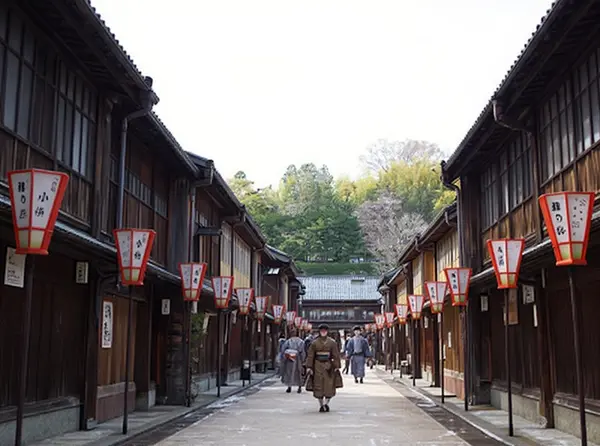
5. Nagamachi Samurai District
Treten Sie ein in das Leben der Samurai zwischen erhaltenen Lehmwänden und schmalen Gassen. Schlendern Sie durch restaurierte Wohnhäuser, kleine Museen und einen ruhigen Gartenteehaus-Bereich.
Schnelle Fakten: Schmale, mit Erde ausgekleidete Gassen offenbaren dicke Lehmwände und hölzerne Gitter, die nach Regen leicht nach feuchter Erde riechen. Besucher passieren oft defensive Kura-Speicherhäuser und Samurai-Residenzen mit lackierten Schiebetüren, die Familienwappen zeigen, einige Häuser bewahren noch originale Tatami-Räume und versteckte Gärten.
Highlights: Betreten Sie eine stille Gasse und die gedämpften Schritte, moosbewachsenen Steine und der Duft von geöltem Holz lassen die Vergangenheit greifbar und unmittelbar wirken. Mehr als 20 erhaltene Samurai-Residenzen sind noch vorhanden, und ein restauriertes Haus zeigt einen kleinen Teegarten und Tatami-Räume, in die Sie durch vergitterte Fenster blicken und tiefschwarze Lackarbeiten aus nächster Nähe sehen können.
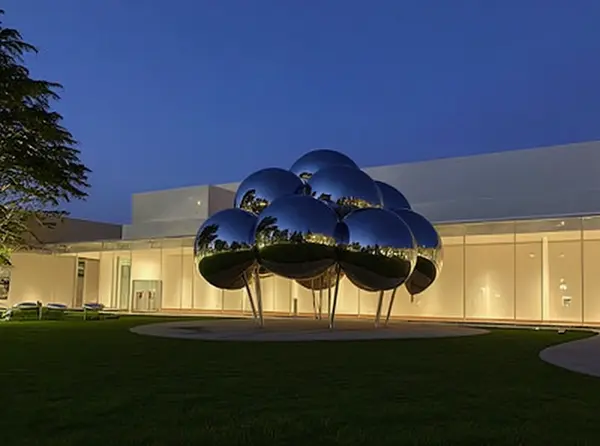
6. 21st Century Museum of Contemporary Art
Kühne zeitgenössische Kunst in einem auffälligen runden Museum nahe der Burg Kanazawa. Erkunden Sie immersive Installationen, reflektierende Becken und interaktive Lichtwerke.
Schnelle Fakten: Sie können einen runden, barrierefreien Campus erkunden, in dem Galerien in öffentliche Plätze übergehen, sodass zeitgenössische Werke oft mit dem Alltag verschmelzen. Besucher begegnen häufig minimalistischen Räumen, sinnlichen Werken und verspielten optischen Täuschungen, die aus beiläufigen Blicken ein zweites Hinsehen machen.
Highlights: Eine der Schwerkraft trotzende Installation von Leandro Erlich erzeugt die Illusion von Menschen, die unter Wasser laufen, während andere von oben herabblicken, was surreale Fotos und begeisterte Ausrufe hervorruft. Warmes natürliches Licht strömt durch breite Glaswände und Oberlichter und taucht Betonböden in wechselnde Blau- und Goldtöne, sodass jeder Besuch stündlich optisch anders wirkt.
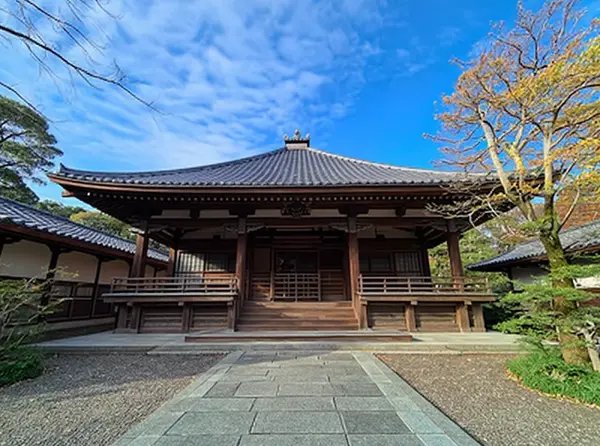
7. Myoryu-ji (Ninja Temple)
Ninja Temple
Edo-zeitlicher Tempel voller geheimer Verteidigungsanlagen. Führungen enthüllen enge Treppen, Falltüren und versteckte Räume, die einst dem Schutz dienten.
Schnelle Fakten: Steinkorridore und geschickt getarnte Türen schaffen ein labyrinthartiges Inneres, in dem unscheinbare Räume geheime Treppen und Falltüren verbergen. Führer weisen oft auf mehr als 20 Verteidigungsmerkmale hin, die darauf ausgelegt sind, Eindringlinge zu verwirren, von Gucklöchern und falschen Decken bis hin zu versteckten Fluchtwegen.
Highlights: Ein plötzliches, vogelähnliches Zwitschern unter den Füßen verrät die Raffinesse des Ortes. Einige „Uguisubari" oder Nachtigallböden wurden so installiert, dass Wachen Schritte hören konnten, bevor Eindringlinge auftauchten. Sehen Sie zu, wie eine Schiebetafel zur Seite gleitet und einen schmalen Durchgang freigibt, der kaum 60 Zentimeter breit ist, gerade genug für eine Person, um hindurchzuquetschen, während sie völlig unsichtbar bleibt.
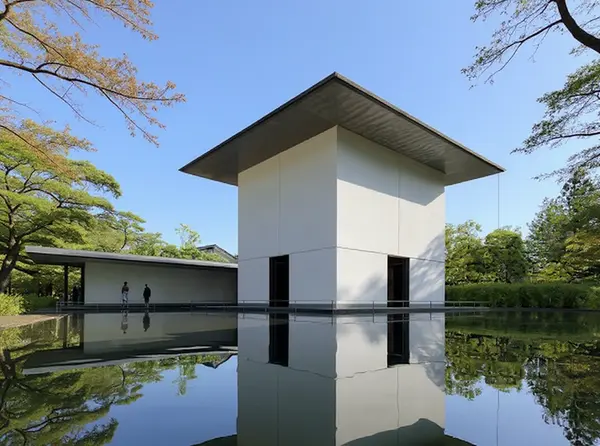
8. D.T. Suzuki Museum
Meditativer Raum von D.T. Suzuki bietet eine seltene Oase der Ruhe in Kanazawa. Ruhige Galerien, ein reflektierender Teich und ein Leseraum laden zu langsamer, bedachter Erkundung ein.
Schnelle Fakten: Betonwände und flache Wasserbecken formen jeden Raum und lassen Regen und Himmel zu Teilen der Ausstellung werden. Stille wird wie ein Teil der Sammlung behandelt, und viele Besucher verbringen 15 bis 20 Minuten sitzend am Wasser und beobachten, wie das Licht über Stein und Edelstahl gleitet.
Highlights: Ein einzelnes flaches Spiegelbecken liegt im Herzen des Geländes, nur wenige Zentimeter tief, sodass die Spiegelungen des Himmels und der umliegenden Bäume klar und spiegelgleich bleiben. Gedämpftes Licht und das sanfte Plätschern des Wassers verwandeln die Galerien in eine intime Klangkulisse, die Flüstern lebendig wirken lässt und dazu einlädt, winzige Texturen und den genauen Winkel eines Schattens wahrzunehmen.
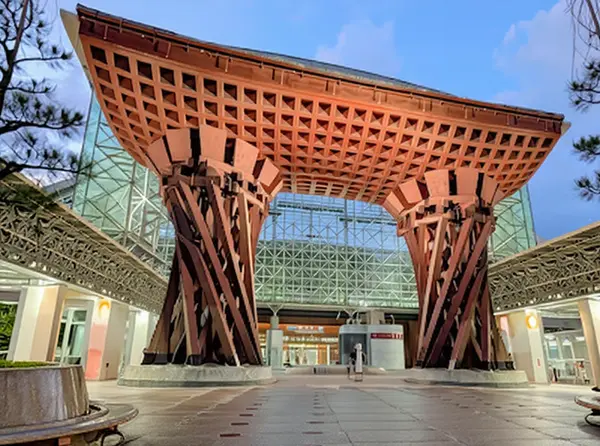
9. Kanazawa Station (Tsuzumi-mon Gate)
Tsuzumi-mon Gate
Ein markantes hölzernes Tsuzumi-förmiges Tor und eine hoch aufragende Glaskuppel begrüßen Sie am Bahnhof Kanazawa. Gehen Sie unter dem Tor und in die Kuppel für dramatische Fotos und leichten Zugang zur Stadt.
Schnelle Fakten: Gehen Sie unter einem riesigen hölzernen Tor hindurch, das wie ein Paar Handtrommeln geformt ist, und spüren Sie den plötzlichen Wechsel vom Straßenlärm zu einer gedämpften, kathedralenähnlichen Ruhe. Warme Zederton trifft auf ein weit gespanntes Glasdach, sodass die Halle vom reflektierten Licht erstrahlt und das gelegentliche Prasseln des Regens Teil der Klangkulisse wird.
Highlights: Treten Sie in den Vorhof und Sie treffen auf zwei hohe Holzsäulen, die traditionellen tsuzumi-Trommeln aus dem Noh-Theater nachempfunden sind, deren Maserung und bronzene Ringe aus der Nähe sichtbar sind. Amberfarbene Lichter tauchen das Holz und das Glasdach nach Sonnenuntergang in ein warmes Licht und verwandeln den Platz in eine Bühne, auf der das sanfte Echo von Schritten und entfernten Zughörnern fast filmisch wirkt.
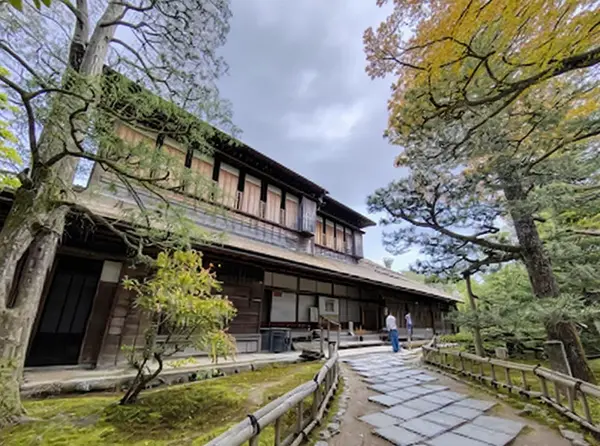
10. Seisonkaku Villa
Elegante Samurai-Villa, die den Geschmack des Maeda-Klans widerspiegelt. Gehen Sie durch Tatami-Räume, verzierte Schirme und einen ruhigen Garten, der sich mit den Jahreszeiten verändert.
Schnelle Fakten: Eine Villa einer ehemaligen feudalen Familie überrascht mit vergoldeten Schiebewänden und lackierten Innenräumen, die das Licht einfangen und warme honigfarbene Reflexionen über die Tatami senden. Sie werden eine private Sammlung bestickter Kimonos und lackierter Möbel bemerken, die sorgfältig erhalten sind, sodass der Goldfaden und das Pigment noch glänzen, wenn man genau hinschaut.
Highlights: Schlüpfen Sie entlang einer schmalen Veranda zu einem moosbedeckten Innenhof, wo genau 13 Trittsteine Ihr Tempo führen. Dieser bewusste Rhythmus verlangsamte die Gäste während ritueller Besuche. Sonnenlicht, das die polierten Bodenplatten erwärmt, entfaltet einen leichten Kampferduft, und dutzende bemalte Faltwände zeigen so feine Pinselstriche, dass Sie einzelne Striche mit einem genaueren Blick erkennen können.
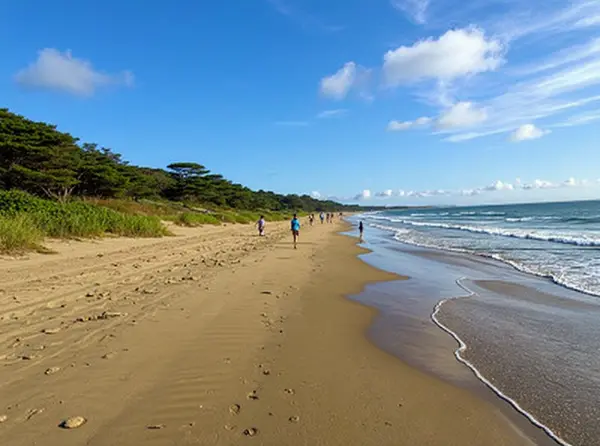
11. Chirihama Nagisa Driveway (beach driving)
beach driving
Japans einzige legale Strandautobahn, wo Ihre Reifen die Gezeitenlinie berühren. Lassen Sie die Fenster herunter, fühlen Sie die Meeresbrise und fahren Sie mit dem Ozean als Ihrem ständigen Begleiter.
Schnelle Fakten: Sie können mit Ihrem eigenen Auto direkt am Ufer entlangfahren, wo die Wellen manchmal nur wenige Meter von Ihren Reifen entfernt plätschern. Es ist einer der wenigen Orte in Japan, an denen das Fahren am Strand legal ist. Die 8 Kilometer lange Strecke aus festem Sand zwischen dem Wald und dem Japanischen Meer ist seit 1965 eine öffentliche Straße, die jeder kostenlos nutzen kann.
Highlights: Bei Ebbe wird der Sand fest genug, dass selbst eine kompakte Limousine mit 50 km/h fahren kann, während Salzwasser die Windschutzscheibe benetzt. Halten Sie einfach entlang der 8 Kilometer langen Strecke an, öffnen Sie den Kofferraum und genießen Sie ein komplettes Strandpicknick, während die Stereoanlage des Autos läuft und die Wellen nur wenige Schritte entfernt brechen.
Where to Stay in Kanazawa, Japan
Selected by City Buddy based on guest reviews and proximity to top attractions
Search all hotels in Kanazawa, JapanPowered by agoda
Öffnungstage in Kanazawa, Japan
Welche Top-Sehenswürdigkeiten an welchem Wochentag schließen, der klassische Urlaubsruinierer, für dich geprüft.
Dienstag: 2 von 11 Top-Sehenswürdigkeiten geschlossen. Plane Museen für einen anderen Tag.
Geschlossen am Dienstag · 2 geschlossen, 9 geöffnet
Öffnungstage von Google Maps (geprüft am 2026-06-08). Feiertage, Streiks und saisonale Öffnungszeiten können abweichen. Prüfe die offizielle Website vor deinem Besuch.
Traditionelle Süßspeisen
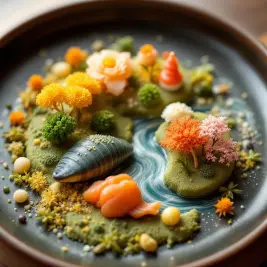
wagashi
Kanazawa wagashi are edible miniatures of the seasons, crafted with local ingredients and precise knife work so each sweet looks like a tiny landscape from Kenrokuen Garden.

gold leaf soft ice cream
Kanazawa produces over 99% of Japan's gold leaf, and vendors sometimes wrap an entire soft-serve cone in a paper-thin sheet of edible gold, creating a shimmering treat that is more about spectacle than flavor.
Traditionelle herzhafte Gerichte

kaga ryori
Kaga ryori, the refined cuisine of the old Kaga domain, arranges many small courses that highlight local mountain vegetables, freshwater fish and seasonal presentation, turning a meal into a visual and seasonal tour.

jibuni
Jibuni is a comforting Kanazawa stew of duck or chicken lightly dusted with flour, simmered in a savory dashi with soy and mirin, and it began as a favorite dish of samurai households.

seafood
Sitting on the Sea of Japan gives Kanazawa access to prized catches like winter snow crab, fatty nodoguro and migrating yellowtail, and chefs often serve them simply so the pure ocean flavors stand out.
Traditionelle Getränke

sake
Kanazawa and nearby Ishikawa breweries use soft, mineral-rich mountain water and cold winters to slow fermentations, producing elegant, complex sake that pairs naturally with local seafood and Kaga cuisine.

green tea
Kanazawa tea is central to its tea ceremony culture, with shade-grown leaves producing a rich umami and silky texture that is often enjoyed in the refined setting of Kenrokuen or a tea house.
Häufig gestellte Fragen zu Kanazawa, Japan
Was ist die beste Reisezeit für Kanazawa, Japan?
Ist Kanazawa, Japan teuer für Reisende?
Wie sicher ist Kanazawa, Japan für Touristen?
Wie kommt man in Kanazawa, Japan am besten zurecht?
Wie viele Touristen besuchen Kanazawa, Japan jedes Jahr?
Erhalten Sie ein PDF mit den beliebtesten Attraktionen per E-Mail
Erhalten Sie ein PDF mit allen Attraktionen, Bewertungen und Tipps. Perfekt für die Offline-Nutzung.
Beliebteste Tagesausflüge
Shirakawa-go
UNESCO gassho-zukuri village with thatched-roof houses.
Takayama
Well-preserved old town, morning markets, traditional crafts.
Noto Peninsula (Wajima)
Scenic coastal drives, Wajima morning market, lacquerware.
Kaga Onsen (Yamanaka, Yamashiro)
Hot spring towns with ryokan, gardens, local crafts.
Fukui (Echizen, Tojinbo)
Coastal cliffs, dinosaur museum, Echizen pottery.
Anreise
Flughäfen
Bahnhöfe
Hokuriku Shinkansen, JR Hokuriku Line, IR Ishikawa Railway
Local JR and Noto Railway services
From Komatsu Airport take the direct airport bus to Kanazawa Station, about 40 minutes.
Nützliche Informationen für Kanazawa, Japan
Übersicht für Kanazawa, Japan
Du willst einen Tag-für-Tag-Plan für Kanazawa, Japan? Öffne den Reiseplaner
Wann reisen Sie nach Kanazawa, Japan?
Wählen Sie Ihre Daten und Ihren Reisestil, um zu erhalten:
Sind Ihnen einige dieser Punkte besonders wichtig?
Wählen Sie alle zutreffenden aus
Fortbewegung
Wie möchtest du dich zwischen den Orten bewegen?
Sprache des Plans: Deutsch