 CityBuddy
 Deutsch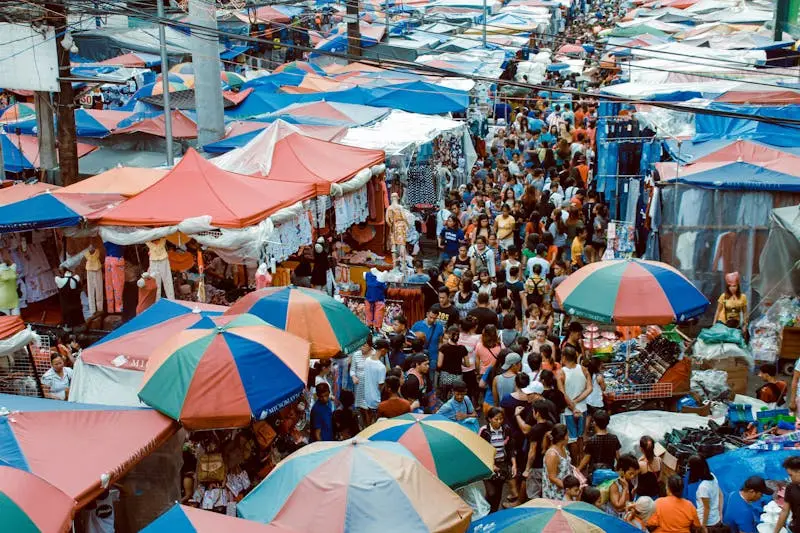
Aktivitäten in Manila, Philippines
Foto gemacht von NIC LAW auf Pexels.com
Wann besuchen
Manila ist die #14 ausländerfreundlichste Stadt weltweit, basierend auf unseren Daten aus Hunderten von Reisezielen.
Beliebteste Attraktionen in Manila, Philippines
Top Sehenswürdigkeiten in Manila, Philippinen umfassen die Erkundung von Intramuros, der historischen befestigten Stadt aus der spanischen Kolonialzeit. Besuchen Sie Fort Santiago, eine Zitadelle mit reicher Geschichte, nur 600 Meter von der Küste entfernt. Verpassen Sie nicht die San Agustin Kirche und das Museum, die älteste Steinkirche des Landes, die faszinierende Artefakte und Architektur bietet.
1. Intramuros (Historic Walled City)
Historic Walled City
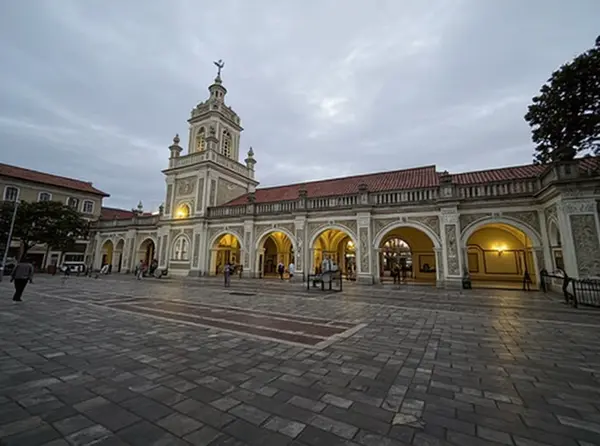
Treten Sie hinter imposanten Steinmauern in Jahrhunderte philippinischer Geschichte ein. Schlendern Sie durch Kopfsteinpflasterstraßen, Kolonialkirchen, Museen und genießen Sie den Sonnenuntergang von den Wällen aus.
Schnelle Fakten: Sonnenlicht fällt schräg auf moosbedeckte Steinmauern, pferdegezogene Kutschen klappern über Kopfsteinpflaster und Cafés verbreiten akustische Musik in engen Plätzen. Mehr als ein Dutzend restaurierter Befestigungen und kolonialer Gebäude beherbergen heute Museen, Kunstgalerien und Dachgärten, sodass ein Spaziergang wie ein Schritt in eine lebendige Zeitkapsel wirkt.
Highlights: Schlendern Sie über sonnenwarme Kopfsteinpflasterstraßen vorbei an der San-Agustin-Kirche, die 1607 fertiggestellt wurde, und unter dem gewölbten Tor von Fort Santiago, wo verrostete spanische Kanonen aus dem 17. Jahrhundert noch immer zur Bucht zeigen. Das Rizal-Schrein markiert die Zelle, in der José Rizal vor seiner Hinrichtung 1896 gehalten wurde. Tagsüber klappern pferdegezogene Kalesas über die Steine und Werkstätten schieben dutzende Bambustourenräder heraus. Die Luft ist durchzogen vom Duft von Bratöl, Jasmin und einem leichten metallischen Geschmack des Flusses, sodass Sie gleichzeitig drei Jahrhunderte geschichtsträchtiger Düfte und Geschichten spüren können.
2. Fort Santiago
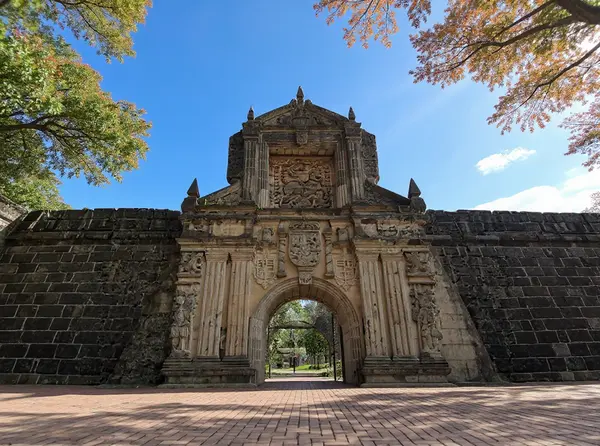
Das von Steinmauern umgebene Fort Santiago enthüllt Manilas spanische Kolonial- und Kriegsvergangenheit. Gehen Sie durch begrünte Innenhöfe, besuchen Sie die Rizal-Gedenkstätte und blicken Sie von den alten Wällen auf den Pasig.
Schnelle Fakten: Dicke Mauern aus vulkanischem Stein und ein ruh\!\!graben schaffen eine filmreife Stille, wo koloniale Architektur und kriegerische Narben noch heute unter den Füßen zu spüren sind. Besucher halten oft am kleinen Museum und der engen Zelle inne, in der José Rizal seine letzten Gedichte schrieb, und stellen sich die Stille vor seinem letzten Marsch vor.
Highlights: Betreten Sie die düstere Zelle, in der José Rizal seine letzten Nächte vor seiner Hinrichtung am 30. Dezember 1896 verbrachte. Die rauen Ziegelmauern sind noch mit Namen zerkratzt und ein schwacher metallischer Geruch von den alten Kanonen liegt in der Luft. Jeden 30. Dezember versammeln sich Hunderte von Schülern und Mitgliedern von Freimaurerlogen, um Kränze niederzulegen und Kerzen am kleinen Marmordenkmal anzuzünden. Die Stille wird nur vom einsamen Horn durchbrochen, das die Nationalklage spielt.
3. San Agustin Church and Museum
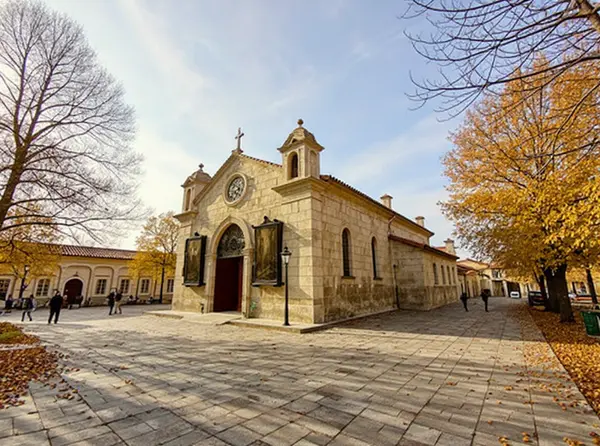
Treten Sie in Manilas spanische Ära in der San Agustin Kirche, einem UNESCO-Barockwahrzeichen. Bestaunen Sie vergoldete Altäre, Trompe-l'œil-Decken und ein kleines Museum mit Kolonialartefakten.
Schnelle Fakten: Wenn Sie eintreten, werden Sie von warmem, honigfarbenem Stein und üppiger barocker Ornamentik beeindruckt sein, während trompe-l'œil-Decken mit gemalten Wolken zu atmen scheinen. Im Obergeschoss bewahrt ein kompaktes Museum Jahrhunderte kirchlicher Schätze, von bestickten Gewändern bis zu glänzenden Reliquienkästchen, und das gesamte Gebäude hat bemerkenswerterweise Bombardierungen überstanden, die einen Großteil seiner Nachbarschaft zerstört haben.
Highlights: Die 1607 erbaute Steinbasilika steht seit mehr als 400 Jahren und unter ihrem Kirchenschiff liegt das Grab des Eroberers Miguel López de Legazpi, dessen gemeißeltes Epitaph Sie noch mit den Fingern nachverfolgen können. In den düsteren Räumen des Museums liegt ein Hauch von Bienenwachs und altem Papier über Vitrinen, die Gewänder aus dem 17. und 18. Jahrhundert, silberne liturgische Gefäße und hölzerne Prozessionsheilige mit rissigen polychromen Gesichtern enthalten, die unter einer einzigen Lampe leuchten.
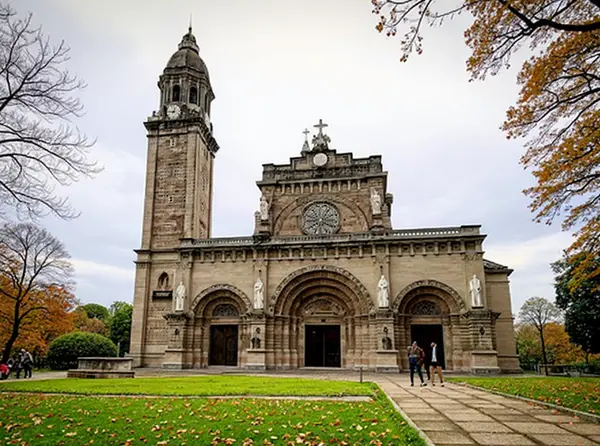
4. Manila Cathedral
Erleben Sie Jahrhunderte manilanischer Geschichte in einer großen Kolonialkathedrale im Herzen von Intramuros. Bewundern Sie restaurierte Barock- und Romanikelemente, Buntglasfenster und ein friedliches Inneres.
Schnelle Fakten: Sonnenlicht strömt durch hohe Buntglasfenster und taucht polierten Marmor in bunte Farben, während die gewölbte Akustik Orgel- und Choraufführungen besonders eindrucksvoll klingen lässt. Stille Gedenktafeln und reparierte Steinmetzarbeiten erzählen eine dramatische Geschichte des Überlebens zahlreicher Erdbeben und Kriegsschäden, während ein verehrtes, jahrhundertealtes Bild im Inneren Pilger und neugierige Besucher gleichermaßen anzieht.
Highlights: Treten Sie ein und Sie stehen in einer Kirche, die seit dem 16. Jahrhundert achtmal wiederaufgebaut wurde, sodass die Marmorböden, neoklassizistischen Säulen und barocken Schnitzereien eine geschichtete Zeitleiste bilden, die Sie mit den Augen lesen können. An vielen Nachmittagen übt ein älterer Chor gregorianische Hymnen, bis das Sonnenlicht durch das Buntglas den Gang in Bänder aus Rubin und Gold verwandelt, und Gemeindemitglieder stecken oft kleine gefaltete Notizen in das Eisengitter am Altar, deren Papierkanten von jahrelangem Weihrauch weich geworden sind.
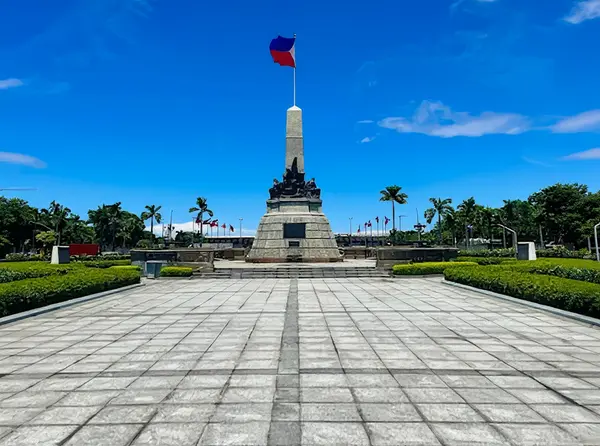
5. Rizal Park (Luneta)
Luneta
Historischer Park im Herzen Manilas, wo nationale Erinnerung auf Alltag trifft. Besuchen Sie das Rizal-Denkmal, entspannte Gärten und lebhafte Plätze für Fotos und zum Leute beobachten.
Schnelle Fakten: Das Morgenlicht enthüllt weitläufige grüne Rasenflächen, durchzogen von ornamentalem Brunnen und schattigen Promenaden, wo Einheimische Tai Chi üben und Familien zwischen blühenden Akazien picknicken. Ein eindrucksvolles nationales Denkmal bildet den Mittelpunkt und zieht Menschen zu Zeremonien und ruhigen Momenten der Einkehr an, während Taubenschwärme die lebendige urbane Geräuschkulisse bereichern.
Highlights: Direkt im Zentrum steht ein 12,8 Meter hohes Bronzedenkmal zu Ehren von José Rizal. Nach Sonnenuntergang legen Einheimische hier still kleine Kerzen und handgefädelte Sampaguita-Girlanden nieder. Wachs und Blütenduft vermischen sich mit der Abendluft. Am 30. Dezember versammeln sich Hunderte bis Tausende vor der Morgendämmerung zu einer Kranzniederlegung und Flaggenzeremonie, Schulkantore singen die Nationalhymne und Straßenverkäufer bieten winzige Papierfahnen und Reiskuchen für etwa 10 bis 20 Pesos an.
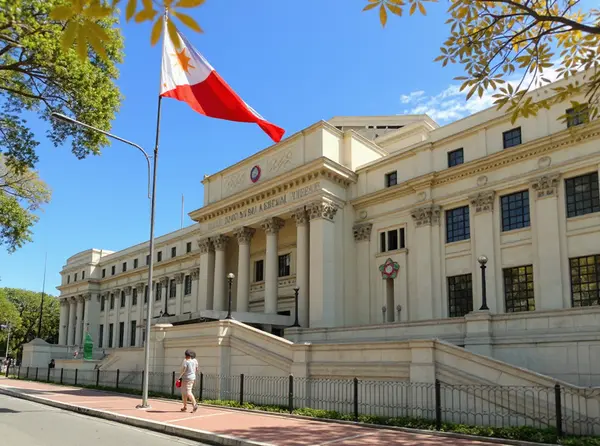
6. National Museum of the Philippines (National Museum Complex)
National Museum Complex
Entdecken Sie die Kunst, Geschichte und Artenvielfalt der Philippinen in einem zentralen Komplex. Sehen Sie Juan Lunas Spoliarium, den Natural History Tree of Life und reiche kulturelle Artefakte.
Schnelle Fakten: Treten Sie ein und Sie werden von weitläufigen neoklassizistischen Sälen beeindruckt sein, die Juan Lunas Spoliarium neben glitzernden vorkolonialen Goldarbeiten und reich gewebten Textilien zeigen. Ruhige Ecken laden zum vertieften Studium von Fossilien, Zeremonialgegenständen und monumentalen Gemälden ein und lassen einen Besuch wie einen kompakten Streifzug durch Jahrhunderte der Kultur wirken.
Highlights: Stehen Sie unter der blassen neoklassizistischen Rotunde und Juan Lunas Spoliarium zieht Ihren Blick auf sich, eine Leinwand von etwa 4 mal 7 Metern, deren dunkle Umbra- und purpurne Höhepunkte sich vertiefen, wenn Restauratoren sanft an ihrem Firnis arbeiten und einen schwachen Terpentingeruch freisetzen. Das Gemälde errang 1884 in Madrid eine Goldmedaille, einen Triumph, den Führer immer noch als Funken für den philippinischen Nationalstolz erzählen, und diese Hintergrundgeschichte zu hören, während die Galerie verstummt, lässt die Szene unerwartet filmisch wirken.

7. Manila Ocean Park
Sehen Sie philippinisches Meeresleben hautnah in einem großen interaktiven Aquarium. Gehen Sie durch einen langen Glastunnel, sehen Sie Fütterungsshows und treffen Sie Pinguine.
Schnelle Fakten: Leuchtend blaue Lichter und ein gebogener Glastunnel lassen Sie Haie und Rochen nur Zentimeter über Ihrem Kopf gleiten sehen und machen den Gang zu einer Unterwasserpostkarte. Über 3.000 Meerestiere bewohnen thematische Becken, und tägliche Fütterungen verwandeln das, was Unterrichtsfakten sein könnten, in praktische, adrenalingeladene Erlebnisse.
Highlights: Jeden Abend dämmert das Aquarium zu ozeanblauen Lichtern und inszeniert eine "Fütterungsserenade", bei der ein Schwarm von etwa 200 glitzernden Sardinen choreografiert durch den Glastunnel schwimmt, das Wasser flüstert wie ferner Regen, während Familien ihre Handflächen gegen das Acryl drücken. Der langjährige Taucher Kuya Danny erzählt die Show auf Tagalog, bietet mutigen Kindern die Chance, die kühle, samtige Haut einer glatten Seegurke zu fühlen und bringt ihnen die lokalen Namen der Fische bei, was Quietschen immer in stolzes, staunendes Geplapper verwandelt.
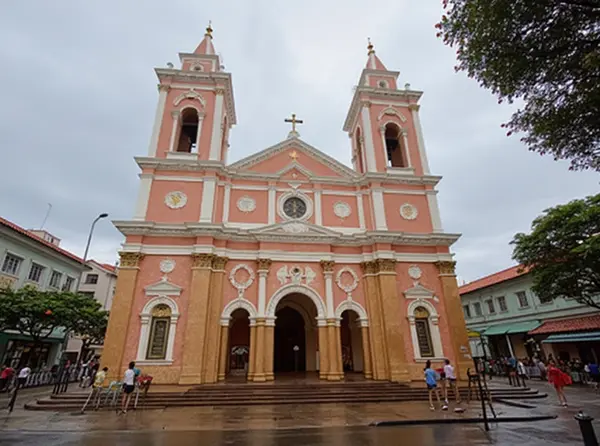
8. Binondo Church (Minor Basilica of San Lorenzo Ruiz)
Minor Basilica of San Lorenzo Ruiz
Erleben Sie Jahrhunderte chinesisch-philippinischer katholischer Geschichte in der Binondo Kirche. Bewundern Sie das verzierte Barockinnere und erleben Sie lokale Andachten aus nächster Nähe.
Schnelle Fakten: Eine warme Duftwolke aus Weihrauch und bunten Laternen empfängt die Besucher und offenbart eine überraschende Mischung aus barocken Altären und chinesischen Dekormotiven. Viele kommen, um den ersten heiliggesprochenen Heiligen des Landes zu verehren, und lebhafte Hochzeiten und Gemeinschaftsrituale sorgen dafür, dass die Gänge vor Hingabe erfüllt sind.
Highlights: 1596 gegründet, um chinesisch-philippinischen Händlern zu dienen, ist die Kirche eine der ältesten Pfarreien des Landes und füllt sich während des großen Festes am 28. September noch immer mit dichtem Weihrauch und dem Klappern hölzerner Rosenkränze. Eine skurrile lokale Praxis: Besucher stecken kleine gefaltete Bittzettel und rote Gebetsbänder in die Eisengitter um die Seitenkapellen, sodass dutzende handgeschriebene Zettel und verblasste Bandenden im Luftzug flattern.
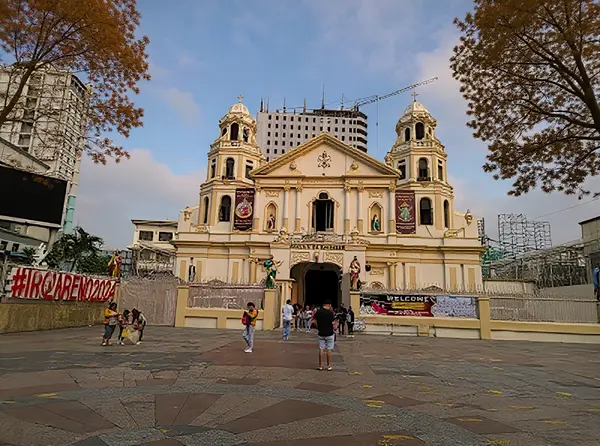
9. Quiapo Church (Minor Basilica of the Black Nazarene)
Minor Basilica of the Black Nazarene
Erleben Sie tiefe Volksfrömmigkeit und Manilas lebendige Geschichte in der Minor Basilica of the Black Nazarene. Erleben Sie lebendige Messen, Kerzenopfergaben und Nahaufnahmen des Black Nazarene Bildnisses.
Schnelle Fakten: Menschenmengen drängen sich durch duftende, kerzenbeleuchtete Gänge, um eine dunkle Holzfigur zu berühren, und erzeugen ein Donnern von Gebeten und geflüsterten Opfergaben, das durch die überfüllte Kirche vibriert. Legendenhafte Verehrer schreiben der Statue unzählige erhörte Bitten zu, und die jährliche Prozession zieht Hunderttausende an, die sich auf den Straßen drängen, um einen kurzen Kontakt mit der heiligen Figur zu erhaschen.
Highlights: Unter Wolken von Kerzenrauch und dem metallischen Klirren von Rosenkränzen drücken Gläubige verblichene Schals und kleine Tücher gegen eine lebensgroße dunkle Holzstatue Christi, die angeblich aus dem 17. Jahrhundert stammt, in der Hoffnung, dass ein Tuch einen Segen aufnimmt. Jeden Januar schließen sich rund eine Million Anhänger der frenetischen Traslacion-Prozession an, Körper dicht an dicht gedrängt für mehr als 12 Stunden, während Menschen Gebete rufen und versuchen, die Kutsche oder ihr Seil zu berühren, um ein Wunder zu erlangen.

10. Divisoria Market (shopping district)
shopping district
Finden Sie unschlagbare Schnäppchen bei Kleidung, Stoffen und Accessoires in Manilas belebtestem Markt. Navigieren Sie durch überfüllte, bunte Gassen, probieren Sie Street Food und handeln Sie um niedrige Preise.
Schnelle Fakten: Enge Gassen pulsieren mit einem verwinkelten Labyrinth von Ständen, die alles anbieten, von Stoffballen bis hin zu Schnäppchen in der Elektronik, sodass Feilschen hier wie ein Sport wirkt. Erfahrene Schnäppchenjäger lieben es, sich durch Großhandelsbehälter und Straßenimbisswagen zu wühlen, Großhandelsangebote und skurrile Fundstücke zu ergattern, begleitet von den ständigen Rufen der Verkäufer.
Highlights: Reihen von Ständen drängen sich so nah zusammen, dass man den Knoblauch eines Verkäufers riechen kann, der Fischbällchen grillt, während ein naher Anbieter identische LED-Lampen schon für ₱10 verkauft und Stoffballen unter summenden Leuchtstoffröhren bis zu drei Meter hoch auftürmt. Langjährige Kunden pflegen ein neckisches Ritual: Sie geben mit drei schnellen Schlägen auf den Tresen ein "letztes Preis"-Countdown von sich, und wenn der Verkäufer dann einen grünen Stift hochhält, ist der Deal besiegelt. So wird das Feilschen zu einer Straßenaufführung.
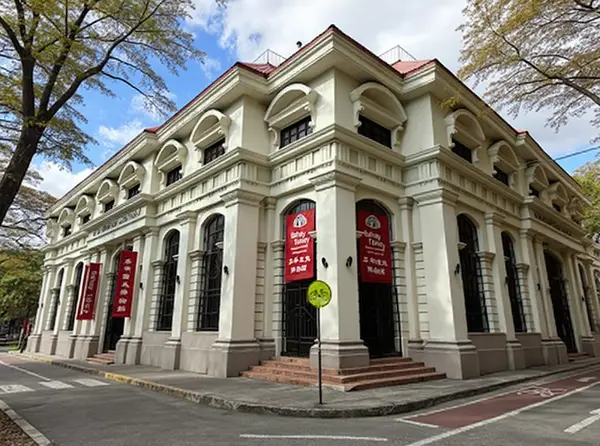
11. Visit Bahay Tsinoy Museum
Entdecken Sie das reiche Erbe der chinesischen Filipinos durch seltene Artefakte und lebendige Geschichten. Treten Sie ein in die Geschichte mit Klängen und Bildern, die die Vergangenheit zum Leben erwecken.
Schnelle Fakten: Der Ort zeigt die Geschichten von über 1,2 Millionen chinesisch-philippinischen Menschen und ihren Einfluss auf die philippinische Kultur und Geschichte. Die Ausstellungen umfassen detaillierte Ahnenaufzeichnungen und Artefakte, die mehr als 300 Jahre alt sind.
Highlights: Besucher können eine einzigartige Klanginstallation erleben, bei der traditionelle chinesische Instrumente zusammen mit den alten Straßenklängen von Manila gespielt werden, was einen eindringlichen Zeitreiseeffekt erzeugt. Ein Highlight ist ein detailliertes Diorama des Binondo-Viertels, wie es Anfang des 20. Jahrhunderts aussah, mit über 500 Miniaturfiguren.
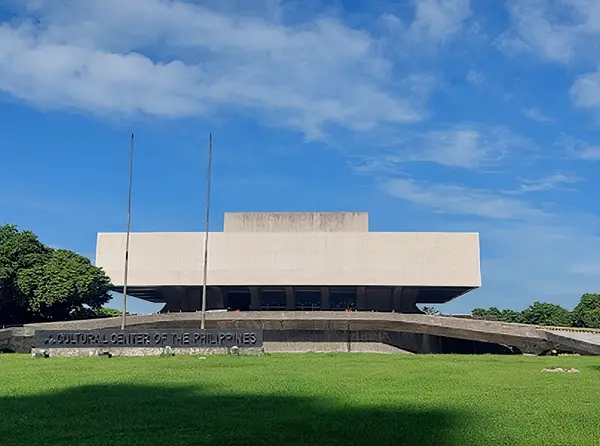
12. Cultural Center of the Philippines
Erleben Sie den Puls der philippinischen darstellenden Künste. Sehen Sie dynamische Theaterstücke, Konzerte und Ausstellungen in einer architektonisch einzigartigen Umgebung, die lokale Kultur feiert.
Schnelle Fakten: Ein auffälliges Merkmal dieses Ortes ist das Tanghalang Nicanor Abelardo, ein Theater, das für seine Akustik bekannt ist, die jedes Wort und jede Note bis zum letzten Platz klar erklingen lässt. Monatlich finden hier über 50 Aufführungen und Kunstausstellungen statt, die Künstler und Publikum aus dem ganzen Land anziehen.
Highlights: Beobachten Sie, wie Darsteller vor jedem großen Ereignis eine zeremonielle Fackel weiterreichen, um die philippinische Kunst zu ehren. Diese Tradition wurde vom ursprünglichen Kulturleiter ins Leben gerufen. Das Haupttheater bietet Platz für 1.800 Personen und verfügt über einen Kronleuchter aus Kapmuscheln, der das lokale handwerkliche Können im Licht widerspiegelt.
Where to Stay in Manila, Philippines
Selected by City Buddy based on guest reviews and proximity to top attractions
Search all hotels in Manila, PhilippinesPowered by agoda
Öffnungstage in Manila, Philippines
Welche Top-Sehenswürdigkeiten an welchem Wochentag schließen, der klassische Urlaubsruinierer, für dich geprüft.
Montag: 9 von 19 Top-Sehenswürdigkeiten geschlossen. Plane Museen für einen anderen Tag.
Geschlossen am Montag · 9 geschlossen, 10 geöffnet
Öffnungstage von Google Maps (geprüft am 2026-03-14). Feiertage, Streiks und saisonale Öffnungszeiten können abweichen. Prüfe die offizielle Website vor deinem Besuch.
Traditionelle Süßspeisen
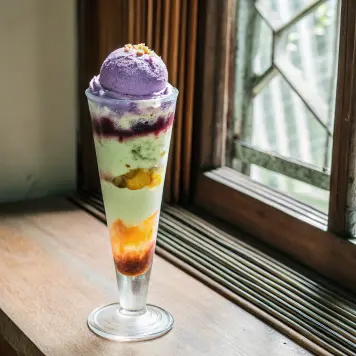
halo-halo
Halo-halo literally means 'mix', it evolved from Japanese shaved ice and Filipino sweet preserves, and today its rainbow layers topped with leche flan or ube ice cream are a summer symbol across Manila.
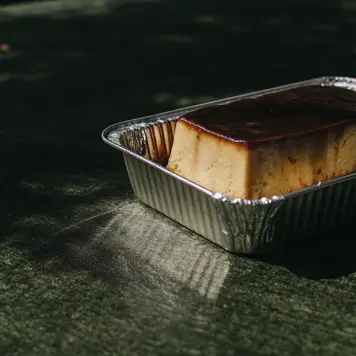
leche flan
Leche flan in the Philippines is denser and richer than its Spanish cousin because cooks use many egg yolks and condensed milk, and it is traditionally steamed in a tin mold called a llanera for a silky, custardy texture.

ube halaya
Ube halaya is a vivid purple jam made from purple yam, its color and nutty-sweet flavor turned it into a signature ingredient that elevates everything from halo-halo to pastries and ice cream.
Traditionelle herzhafte Gerichte
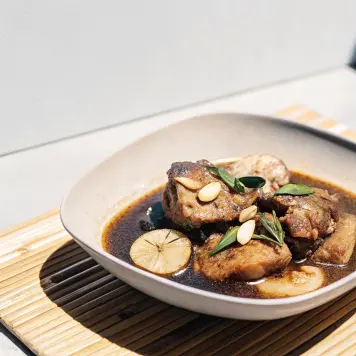
adobo
Adobo is more a method than a single recipe, vinegar and soy sauce preserve and flavor meat, and nearly every Filipino family in Manila guards a version they call their own.

sisig
Sisig began as a resourceful Kapampangan dish made from pig's head and ears, it was revived as a sizzling, tangy bar favorite in Manila and is often finished with a raw egg on the hot plate.
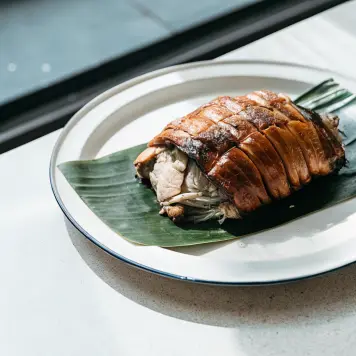
lechon
Lechon, a whole roasted pig with crackling skin and juicy meat, is the unmistakable centerpiece of Filipino fiestas and its carving announces celebration across Manila.
Traditionelle Getränke

sago't gulaman
Sago't gulaman pairs chewy tapioca pearls with jiggly agar jelly in a sweet brown sugar syrup, it became a beloved street drink because it is both refreshing and texturally playful.

buko juice
Buko juice is the clear, slightly sweet water from young coconuts, sold straight from halved shells by vendors and prized as a natural electrolyte on hot Manila days.

tuba
Tuba is freshly tapped coconut sap that ferments into a mildly alcoholic palm wine, it has long been woven into Filipino rituals and fiestas and can be distilled into the stronger spirit lambanog.
Gut zu wissen vor der Reise
Was ein Tag in Manila kostet und welche Abzocke du vermeiden solltest
Kosten pro Person pro Tag
Die größten Abzockerfallen
- Unlicensed airport drivers. Use the official coupon taxi counter inside the terminal or book Grab from the app before exiting arrivals.
- Meter tampering. Check the meter is reset when you start and the rate matches the posted daytime flag-down. Prefer Grab for fixed pricing.
- Poor-rate exchange booths. Use bank branches or reputable money changers with posted rates. Count your pesos at the counter before walking away.
Faires Taxi vom Flughafen: 700 ₱ - 1 000 ₱ (10 € - 14 €)
Günstigere Option: Airport Jeepney or the official airport shuttle/UV Express to central areas like Baclaran or Taft MRT station (50 ₱)
Alle Abzockerfallen, faire Preise und RegelnHäufig gestellte Fragen zu Manila, Philippines
Beste Reisezeit für Manila, Philippinen?
Ist Manila, Philippinen teuer?
Wie kommt man in Manila, Philippinen zurecht?
Ist Manila, Philippinen sicher zu besuchen?
Wie viele Touristen besuchen Manila jährlich?
Erhalten Sie ein PDF mit den beliebtesten Attraktionen per E-Mail
Erhalten Sie ein PDF mit allen Attraktionen, Bewertungen und Tipps. Perfekt für die Offline-Nutzung.
Beliebteste Tagesausflüge
Tagaytay (Taal view)
Cool ridge with panoramic views of Taal Volcano.
Taal Volcano (via Talisay)
Boat trip to the volcanic island on Taal Lake.
Pagsanjan Falls (Laguna)
Scenic gorge and classic canoe (shooting the rapids) trip.
Anilao (Mabini, Batangas)
Popular snorkeling/diving spot with clear waters.
Anreise
Bahnhöfe
PNR South Main Line (to Laguna, Lucena, Bicol)
MRT-3 / LRT-2 (major Metro Manila interchange)
LRT-1 / connecting buses to airport/Metro
From NAIA take a metered taxi or Grab; expect heavy traffic—allow 1–2 hours.
Nützliche Informationen für Manila, Philippines
Übersicht für Manila, Philippines
Du willst einen Tag-für-Tag-Plan für Manila, Philippines? Öffne den Reiseplaner
Wann reisen Sie nach Manila, Philippines?
Wählen Sie Ihre Daten und Ihren Reisestil, um zu erhalten:
Sind Ihnen einige dieser Punkte besonders wichtig?
Wählen Sie alle zutreffenden aus
Fortbewegung
Wie möchtest du dich zwischen den Orten bewegen?
Sprache des Plans: DeutschMost popular itineraries for Manila, Philippines
Browse trip plans created by other travelers
14-Day Authentic Philippines Adventure for Budget Backpackers
Discover the Philippines off the beaten path from Manila's local streets to Balabac's rugged islands and Boracay's hidden coves in this budget-friendly, authentic 14-day journey.
15-Day Manila Spring Immersion
Discover Manila’s rich history, vibrant culture, and local flavors in this 15-day spring adventure through famous landmarks and authentic experiences.