 CityBuddy
 Deutsch
Aktivitäten in Kigali, Rwanda
Foto gemacht von Ana Kenk auf Pexels.com
Wann besuchen
Wann reisen Sie nach Kigali, Rwanda?
Wählen Sie Ihre Daten und Ihren Reisestil, um zu erhalten:
Sind Ihnen einige dieser Punkte besonders wichtig?
Wählen Sie alle zutreffenden aus
Plan language: DeutschBeliebteste Attraktionen in Kigali, Rwanda
Bei der Recherche zu Aktivitäten in Kigali, Ruanda, stechen drei Erlebnisse besonders hervor. Die Gedenkstätte zum Völkermord in Kigali bietet eine ernüchternde und unverzichtbare Aufklärung über die Tragödie von 1994 mit Ausstellungen, die über 250.000 Opfer dokumentieren. Im Inema Arts Center finden Sie wechselnde Galerien von mehr als 10 lokalen Malern und Bildhauern. Für authentische Souvenirs beherbergt das Caplaki Craft Village über 50 Stände, die handgewebte Körbe und traditionelle Stoffe verkaufen.
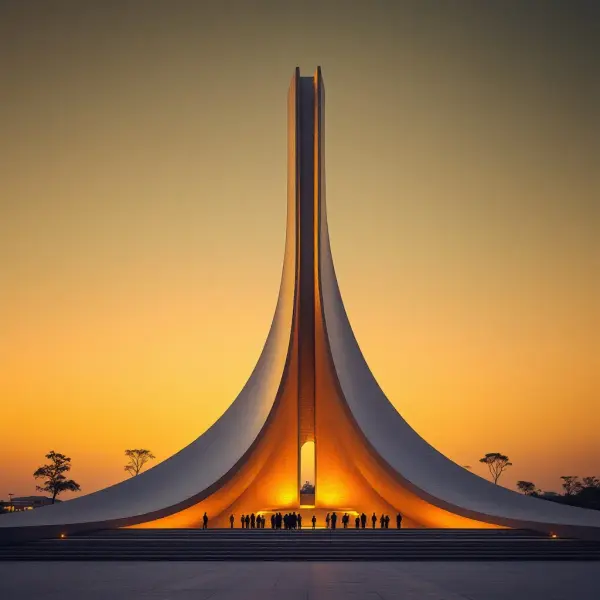
1. Kigali Genocide Memorial
Ein Ort, der verändert, wie du menschliche Widerstandskraft und kollektives Gedächtnis verstehst. Gehe durch stille Gärten über Massengräbern und höre dann Überlebende in den Ausstellungshallen ihre Geschichten über Audioaufnahmen erzählen.
Schnelle Fakten: Über 250.000 Völkermordopfer sind hier in 85 Massengräbern bestattet, wobei jedes Jahr landesweit noch etwa 30.000 weitere Leichen entdeckt werden. Die Wände der Gedenkstätte zeigen Tausende von Fotos der Opfer sowie persönliche Gegenstände wie Kleidung und Ausweise, die Familien gespendet haben.
Highlights: Der Kinderraum trifft am härtesten: Riesige Tafeln listen 300 Kinder namentlich auf und zeigen die Lieblingsspeise, die letzten Worte und die Todesursache jedes einzelnen. Sie sehen das Foto eines Zweijährigen, der Bananen liebte und an einer Machetenwunde am Kopf starb, was das Ausmaß des Verlusts zutiefst persönlich macht.
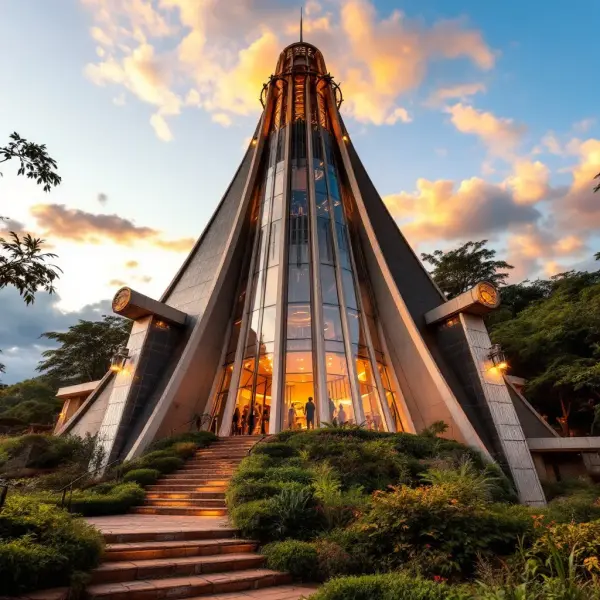
2. Inema Arts Center
Sieh zu, wie Kunst lebendig wird, während Maler direkt vor deinen Augen Originalwerke schaffen und oft ein Stück fertigstellen, bevor du gehst. Spaziere durch sonnendurchflutete Galerien, plaudere mit den Künstlern und greife vielleicht selbst zum Pinsel.
Schnelle Fakten: Künstler malen täglich vor Ort und verwandeln leere Leinwände direkt vor den Augen der Besucher in kühne abstrakte Werke. Das Zentrum beherbergt über ein Dutzend ansässige Künstler, die durch die Galerieräume rotieren, sodass kein Besuch dieselbe Sammlung zeigt.
Highlights: Am letzten Samstag jedes Monats füllt sich der Innenhof mit Trommlern, Tänzern und Nachbarn zu einer spontanen Kunstparty, die sich über die Galerieböden ergießt. Besucher werden in die Energie hineingezogen, malen neben den ansässigen Künstlern, während live ruandische Musik von den bunten Wänden widerhallt.
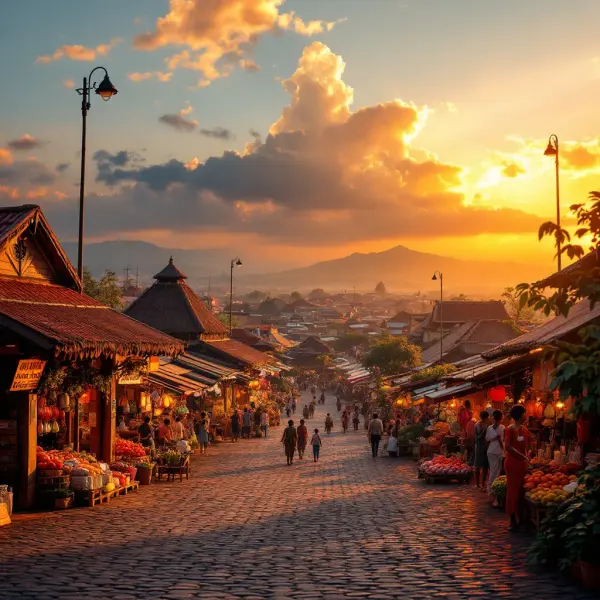
3. Kimironko Market
Der größte Open-Air-Markt in Kigali, auf dem Einheimische tatsächlich für den Alltag einkaufen. Schlendere durch Gassen mit frischem Obst und Gemüse, bunten Textilien und Gewürzbergen und feilsche mit freundlichen Händlern.
Schnelle Fakten: Über 2.000 Händler bevölkern diesen riesigen überdachten Markt und verkaufen alles von frischen Bananen bis hin zu handgewebten Körben. Die Abteilung für Obst und Gemüse bietet allein 50 Bohnensorten und 14 Bananenarten und spiegelt die unglaubliche landwirtschaftliche Vielfalt Ruandas wider.
Highlights: Achten Sie auf die Frauen, die geflochtene Körbe auf dem Kopf balancieren, während sie durch die engen Gänge navigieren, eine Tradition, die ruandische Marktplätze seit Jahrhunderten verbindet. Die Schneider in der Kleidungsabteilung arbeiten an alten Singer-Nähmaschinen und fertigen vor Ort maßgeschneiderte Hemden und Kleider zu Preisen ab 5.000 Ruanda-Franc (etwa 4 Euro).
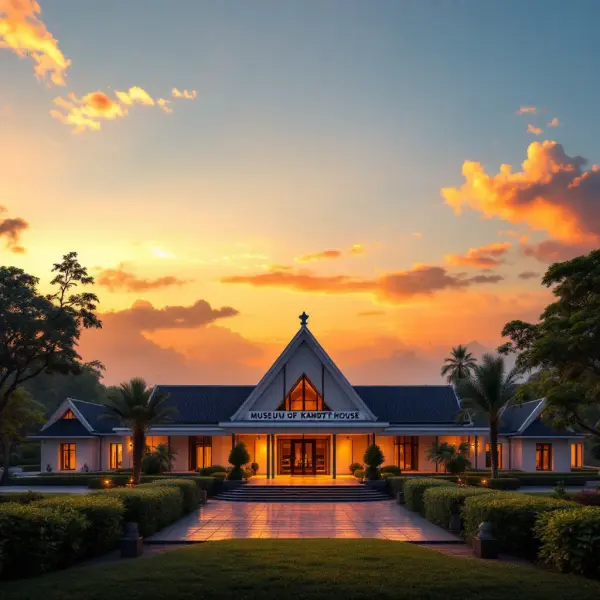
4. Museum of Rwanda - Kandt House
Kandt House
Betritt das älteste europäische Haus in Ruanda und entdecke die komplexe Geschichte von Kigalis kolonialer Vergangenheit. Erkunde originale Artefakte, einen kleinen botanischen Garten und eine Terrasse mit atemberaubendem Blick über die Stadt.
Schnelle Fakten: Dr. Richard Kandt, ein deutscher Entdecker und Arzt, baute dieses Haus 1908 als seinen Wohnsitz und wissenschaftliche Forschungsstation. Die Villa diente später als Ruandas erstes Nationalmuseum, bevor es nach Butare verlegt wurde, und konzentriert sich nun auf Kigalis vorkoloniale und koloniale Geschichte.
Highlights: Die ursprüngliche Villa von 1908 enthält noch Dr. Kandts erhaltenes Arbeitszimmer mit seinem Schreibtisch und medizinischen Geräten und bietet einen seltenen Einblick in das tägliche Leben eines frühen europäischen Siedlers in Ostafrika. Steigen Sie auf die Dachterrasse für eine unerwartete Panoramaaussicht auf Kigalis sanfte Hügel, eine Perspektive, die die meisten Besucher der Stadt nie zu sehen bekommen.
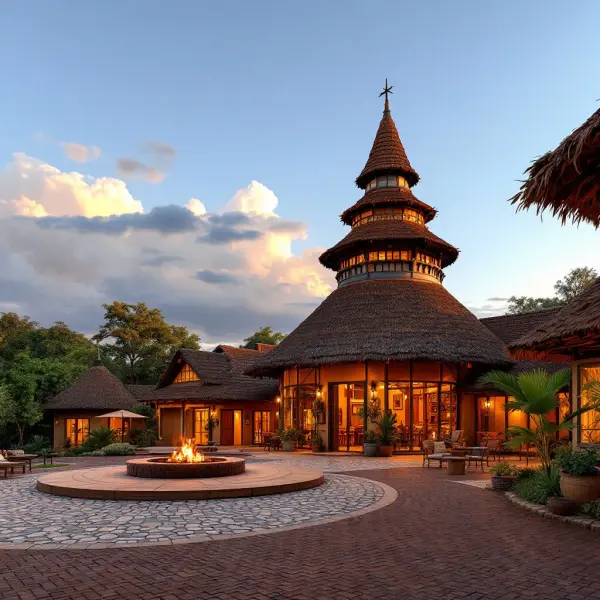
5. Caplaki Craft Village
Sieh zu, wie erfahrene Handwerker direkt vor deinen Augen schnitzen, weben und malen auf Kigalis bestem Open-Air-Kunsthandwerksmarkt. Spaziere zwischen Ständen mit handgeflochtenen Körben, geschnitzten Holzmasken und bunten Textilien und plaudere mit den Machern selbst.
Schnelle Fakten: Mehr als 50 lokale Kunsthandwerker verkaufen ihre Arbeiten von kleinen Holzständen, die in ordentlichen Reihen angeordnet sind. Das Dorf verdankt seinen Namen der Art von Zypressen, die einst dort wuchsen, wo heute Kigalis zentraler Markt steht.
Highlights: Eine 72-jährige Meisterkorbweberin namens Gaudence sitzt täglich an ihrem Stand und verwendet Naturfarben aus Avocadoblättern und Zwiebelschalen, um die Fasern zu färben. Sie hat die Technik von ihrer Großmutter gelernt und kann einen kleinen Korb in weniger als zwei Stunden fertigstellen, während sie die ganze Zeit mit Besuchern plaudert.
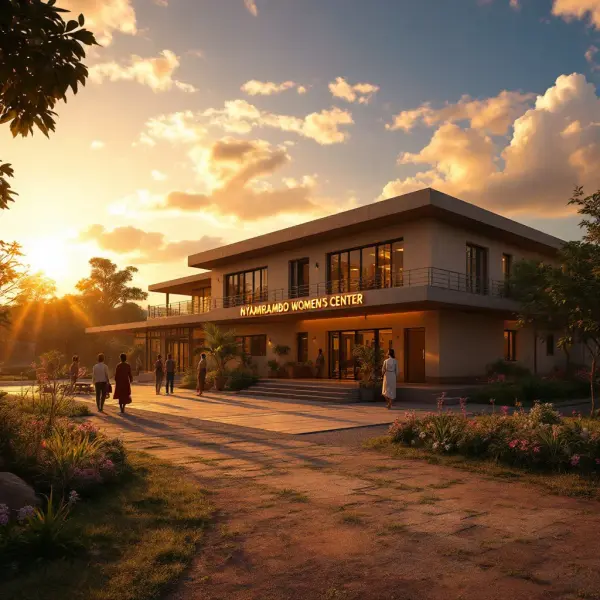
6. Nyamirambo Women's Center
Erlebe Kigalis lebendigstes Viertel durch die Augen der Frauen, die hier leben. Du lernst zu kochen, zu weben und wie ein Einheimischer zu erkunden und unterstützt dabei direkt gemeinschaftsgeführte Initiativen.
Schnelle Fakten: Das Zentrum wird vollständig von einheimischen Frauen betrieben und bietet traditionelle Kochkurse an, bei denen Sie Gewürze von Hand mahlen und über einem Holzkohlefeuer kochen. Mehr als 20 Frauen verdienen faire Löhne durch die Nähgenossenschaft, weben Körbe und fertigen Schmuck aus recycelten Materialien.
Highlights: Während des Rundgangs könnte Ihr Guide auf die genaue Stelle zeigen, an der in den 1970er Jahren ein Bollywood-Film gedreht wurde, und Sie dann durch ein Labyrinth enger Gassen führen, um eine 78-jährige Frau zu treffen, die seit 40 Jahren Samosas nach demselben Familienrezept zubereitet. Die Tour endet mit einer gemeinsamen Kanne gewürztem Chai unter einem Jakarandabaum in jemandes Hinterhof.

7. Mt. Kigali
Willst du ganz Kigali auf einmal sehen? Steige auf den Gipfel und sieh zu, wie sich die Stadt unter dir in einem 360-Grad-Panorama entfaltet.
Schnelle Fakten: Als höchster Punkt der Stadt liegt er 1.850 Meter über dem Meeresspiegel und bietet Panoramablicke auf alle drei Bezirke Kigalies. Auf dem Gipfel befinden sich das Masaka Beach Hotel und ein massiver Fahnenmast mit der ruandischen Nationalflagge.
Highlights: Oben weht eine riesige ruandische Flagge in der Größe eines Volleyballfeldes im Wind, die von fast überall in der Stadt sichtbar ist. Wöchentliche gemeinschaftliche Aufräumaktionen auf den Bergpfaden haben ihn zu einem der grünsten urbanen Wanderorte Ostafrikas gemacht.
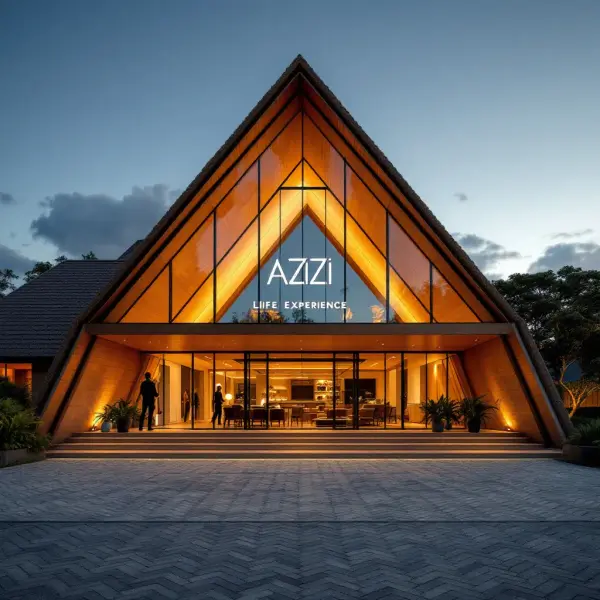
8. Azizi Life Experience
Lass die Museumsdioramen aus und verbringe einen Tag Seite an Seite mit ruandischen Bauern in ihrem tatsächlichen Dorf. Du stampfst Maniok, flichst Körbe und stößt mit einem Bananenbier unter der Mittagssonne an.
Schnelle Fakten: Gäste verbringen einen ganzen Tag an der Seite ruandischer Bauern und beteiligen sich an alltäglichen Aufgaben wie dem Mahlen von Mais, dem Weben von Körben oder dem Ernten von Maniok. Die Erfahrung unterstützt direkt über 300 lokale Familien durch fairen Handel und Gemeindeentwicklungsinitiativen.
Highlights: Anders als bei einer inszenierten Kulturshow werden Sie tatsächlich gemeinsam mit Ihrer Gastfamilie schwitzen, Wasser aus der Quelle holen oder Bohnen in rote Erdfelder pflanzen. Der morgendliche Spaziergang im Chitenge durch Bananenhaine zum Dorf, mit krähenden Hähnen und auf den Rücken gebundenen Babys, fühlt sich an wie ein Schritt ins wirkliche Leben und nicht wie eine Aufführung.
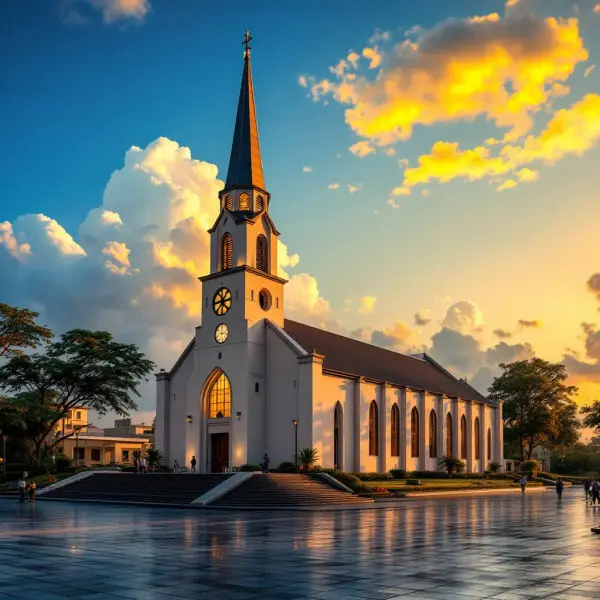
9. St. Famille Church
Keine andere Kirche der Welt verbindet ruandische Webtraditionen mit aufragendem Beton wie diese. Tritt ein und spüre, wie Sonnenlicht durch Hunderte von bunten Glasplatten fällt in einem Raum, der 2.000 Menschen Platz bietet und sich dennoch intim anfühlt.
Schnelle Fakten: Die beeindruckende moderne Architektur verbindet traditionelle ruandische Korbgeflechtmuster mit hohen Betonbögen. Das kreisförmige Design bietet Platz für 2.000 Gottesdienstbesucher und bringt jeden Besucher innerhalb von 20 Metern zum Altar.
Highlights: Nachts erstrahlt die Kirche von innen durch 1.000 handgesetzte farbige Glaspaneele, die ein warmes amberfarbenes Licht erzeugen, das von den Hügeln rings um Kigali sichtbar ist. Die Innendecke ahmt die Innenseite eines traditionellen ruandischen geflochtenen Korbes nach, der auf den Kopf gestellt wurde, und gibt den Gläubigen das Gefühl, unter einem riesigen, heiligen Kunstwerk geborgen zu sein.
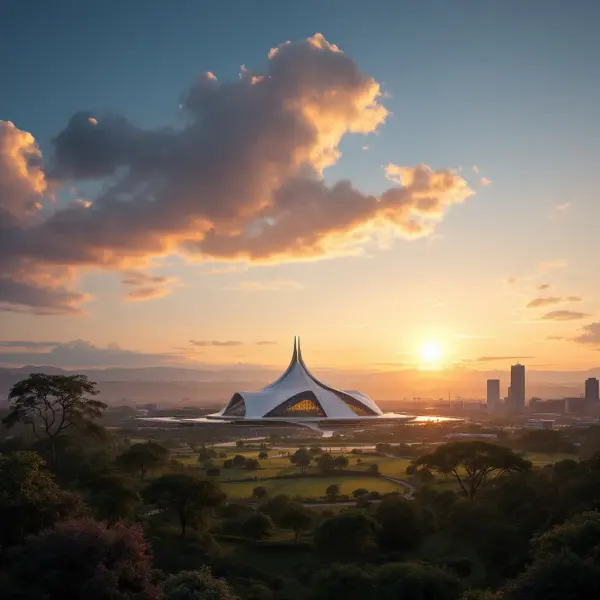
10. Kigali Convention Centre
Ruandas markantestes architektonisches Wahrzeichen prägt die Skyline der Stadt mit seiner futuristischen Kuppel. Im Inneren rahmen polierte Steinböden und bodentiefe Fenster den Panoramablick über Kigalis wellige Hügel.
Schnelle Fakten: Mit 108 Metern Höhe ist dieses kuppelförmige Bauwerk Afrikas größtes ellipsenförmiges Kuppelgebäude, das von nahezu jeder Ecke der Stadt aus sichtbar ist. Mehr als 2.000 Sonnenkollektoren säumen sein Dach und versorgen den täglichen Betrieb des Gebäudes mit Strom, während sie seinen CO2-Fußabdruck drastisch reduzieren.
Highlights: Nachts pulsiert das Gebäude mit programmierbaren LED-Lichtern, die durch Farben und Muster wechseln und sich in eine leuchtende Laterne über der Stadtsilhouette verwandeln. Einheimische versammeln sich auf nahegelegenen Hügeln, nur um die Lichtershows zu sehen, die manchmal mit nationalen Feiertagen oder wichtigen Veranstaltungen im Inneren synchronisiert sind.
Where to Stay in Kigali, Rwanda
Selected by City Buddy based on guest reviews and proximity to top attractions
Search all hotels in Kigali, RwandaPowered by agoda
Traditionelle Süßspeisen

Urwagwa (banana beer with honey)
Urwagwa is a naturally sweet fermented drink made from bananas and sorghum, often sweetened with honey. It is traditionally served at weddings and family gatherings as a symbol of joy and unity.

Akabenz (sweet caramelized plantains)
Akabenz features ripe plantains pan-fried with butter and sugar until caramelized and golden. Despite being a simple street food, it is beloved across Rwanda for its rich, comforting sweetness.
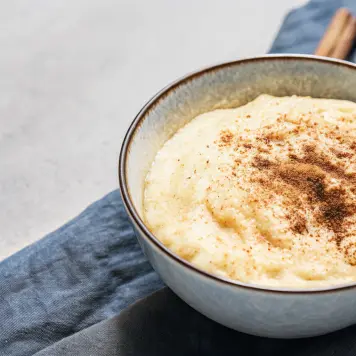
Ibijumba (sweet potato porridge)
This thick, naturally sweet porridge is made from mashed sweet potatoes mixed with milk and a pinch of cinnamon. It is often eaten as a nourishing breakfast or dessert for children and elders alike.
Traditionelle herzhafte Gerichte
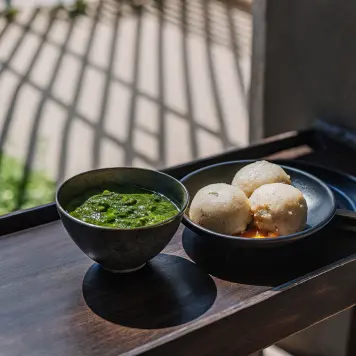
Ugali (maize porridge)
Ugali is a dense, stiff maize porridge that serves as the foundation of most Rwandan meals. It is typically eaten by hand, rolled into small balls and dipped into savory sauces or stews.
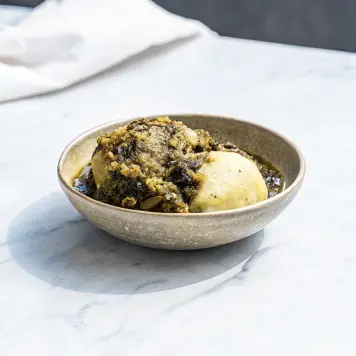
Isombe (cassava leaves with spinach)
Isombe is made by mashing cassava leaves with spinach, eggplant, and onions, then simmering them in peanut sauce. It is a nutrient-packed staple that showcases Rwanda's love for groundnut-based cooking.
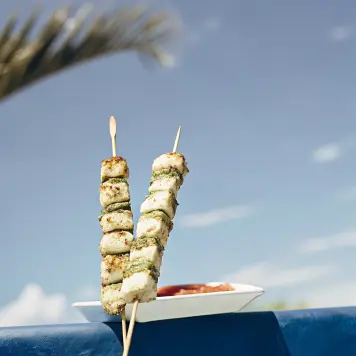
Brochettes (grilled meat skewers)
These skewers of marinated goat, beef, or chicken are grilled over charcoal and served with grilled bananas and chili sauce. Brochettes are the quintessential Rwandan street food, enjoyed everywhere from roadside stalls to upscale restaurants.
Traditionelle Getränke
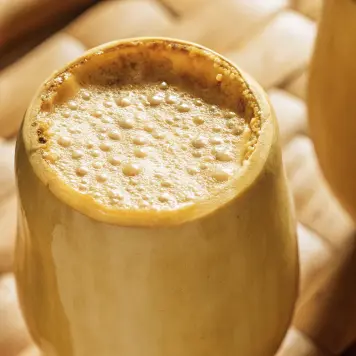
Ikigage (sorghum beer)
Ikigage is a traditional Rwandan beer brewed from fermented sorghum, giving it a thick, porridge-like texture and a slightly sour taste. It is often drunk from a shared calabash gourd during community ceremonies.
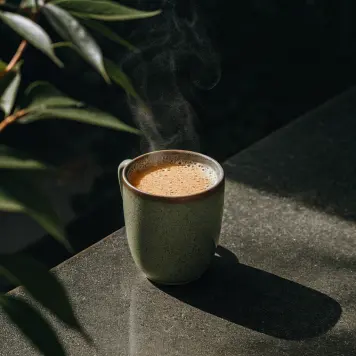
Rwandan tea (icyayi)
Rwanda is one of Africa's premier tea producers, and icyayi is a strong black tea typically served with generous amounts of milk and sugar. It is a daily ritual for many Rwandans, especially during morning hours.

Akabanga (non-alcoholic ginger drink)
Akabanga is a spicy, refreshing ginger-infused beverage that is naturally caffeine-free and non-alcoholic. It is widely believed to aid digestion and is commonly served at meals and social gatherings.
Frequently Asked Questions about Kigali, Rwanda
Ist Kigali, Ruanda sicher?
Wie viele Tage braucht man in Kigali, Ruanda?
Wann ist die beste Reisezeit für Kigali, Ruanda?
Ist Kigali, Ruanda teuer für Touristen?
Wie kommt man in Kigali, Ruanda herum?
Erhalten Sie ein PDF mit den beliebtesten Attraktionen per E-Mail
Erhalten Sie ein PDF mit allen Attraktionen, Bewertungen und Tipps. Perfekt für die Offline-Nutzung.
Beliebteste Tagesausflüge
Akagera National Park
East African savanna with Big Five wildlife and boat safaris on Lake Ihema.
Nyungwe Forest National Park
Ancient montane rainforest with chimpanzee trekking and canopy walkway.
Butare (Huye)
Cultural hub home to the Ethnographic Museum and Rwanda's premier university.
Lake Kivu
Scenic lakeside towns like Gisenyi and Kibuye with beaches and water sports.
Musanze (Ruhengeri)
Gateway to Volcanoes National Park and mountain gorilla trekking.
Anreise
Flughäfen
Bahnhöfe
Proposed standard gauge railway connecting to Tanzania and Uganda (future development)
Kigali International Airport is about 20 minutes by taxi to the city center. Rideshare apps like Yego Moto and Move are available.
Flüge nach Kigali, Rwanda finden
Klicken Sie hier, um eine eSim für Kigali, Rwanda zu erhalten
Der einfachste und günstigste Weg, mobiles Internet überall auf Reisen zu bekommen.
Kommentare (9)
Kigali surprised me. Cleanest city I've been to in Africa, felt incredibly safe walking around at night. The hills are no joke though, be ready to walk up and down everywhere.
Skip the hotel breakfast and eat at local places. Get the brochettes and sambaza from street vendors near the bus station. Under 2 dollars and better food.
Everyone told me Rwanda was expensive and they weren't wrong. Meals out cost similar to Europe. But the cleanliness and safety make it worth it I guess.
The weather is perfect year round. No humidity hell like other African cities. I'd say 3 days is the sweet spot to see the main sites and get the vibe.
Mixed feelings. Beautiful city, lovely people, but it felt a bit sterile compared to other African capitals. Missing some chaos and street life energy.