 CityBuddy
 Deutsch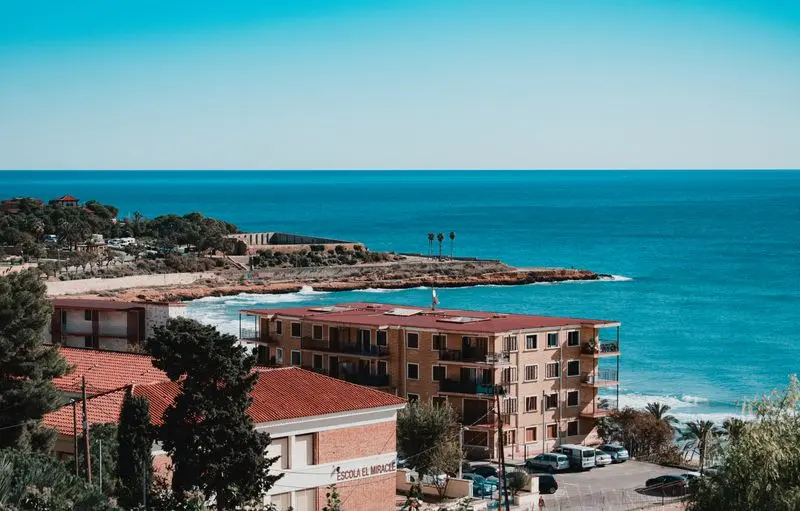
Aktivitäten in Tarragona, Spain
Foto gemacht von Santiago Boada auf Pexels.com
Wann besuchen
Beliebteste Attraktionen in Tarragona, Spain
Wenn Sie auf der Suche nach Aktivitäten in Tarragona, Spanien, sind, beginnen Sie mit dem Amphitheater von Tarragona aus dem 2. Jahrhundert, das mit Platz für 15.000 Zuschauer auf das Mittelmeer blickt. Spazieren Sie dann die 3,5 Kilometer lange Strecke der Römischen Mauern entlang, von denen einige Abschnitte aus dem Jahr 200 v. Chr. stammen. Beenden Sie Ihren Rundgang am Balcó del Mediterrani für eine weite Küstenaussicht aus 40 Metern Höhe über dem Meeresspiegel.
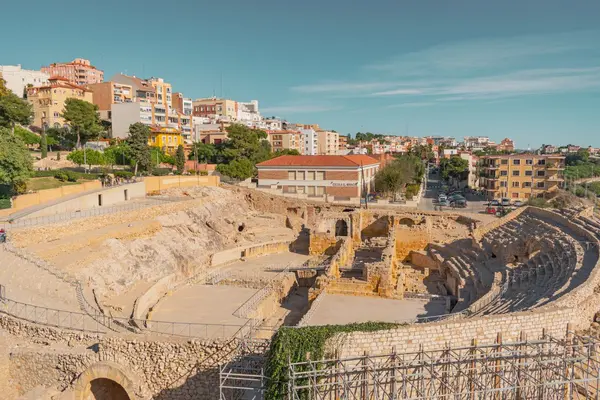
1. Tarragona Amphitheatre
Betreten Sie eine 2.000 Jahre alte römische Arena, in der einst Gladiatoren mit dem Meer als Kulisse kämpften. Sie gehen durch dieselben steinernen Torbögen und stehen auf dem Sand, auf dem sich die dramatischsten Momente der Geschichte abspielten.
Schnelle Fakten: Romans built this arena around 200 AD to stage gladiator battles and animal hunts. Gladiators fought and bled here while up to 14,000 spectators cheered from stone seats overlooking the Mediterranean Sea.
Highlights: After the gladiator era ended, Christians were executed here, and later a medieval church was built right into the arena's stone walls. You can still see the faint outlines of the church foundations pressed against the Roman masonry, a rare layered history in a single frame.
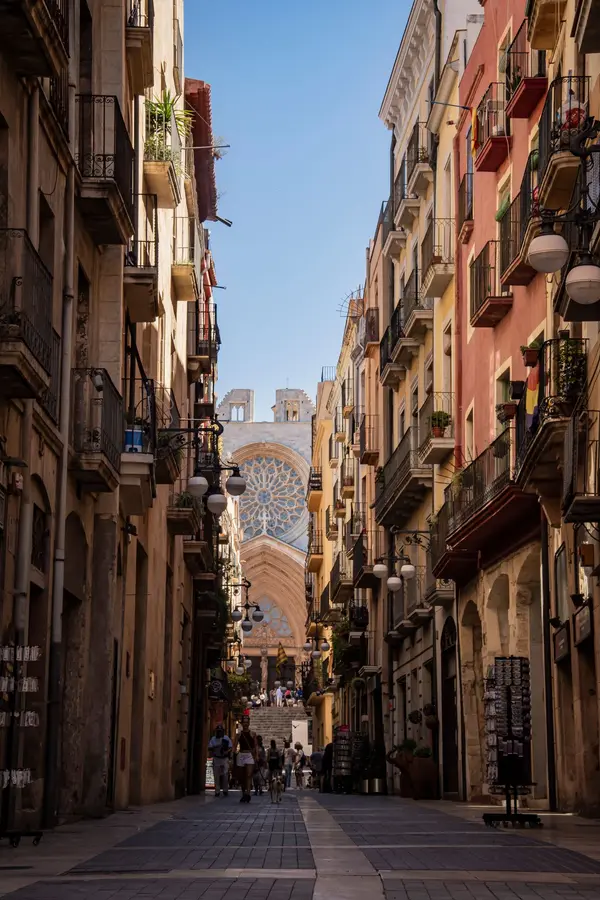
2. Tarragona Cathedral
Jahrhunderte der Geschichte sind in jeden Stein gemeißelt, von römischen Fundamenten bis zu gotischen Türmen. Treten Sie ein und finden Sie einen stillen Kreuzgang, in dem die Vergangenheit fast greifbar wird.
Schnelle Fakten: Two completely different architectural styles meet under one roof. The Gothic nave rises above a 12th-century Romanesque cloister where cats have been living for centuries.
Highlights: One stone inside the cloister wall shows a cat's paw print pressed into the mortar from over 800 years ago. Locals say the cathedral's resident cats are direct descendants of the mousers that kept the medieval monastery rodent-free.
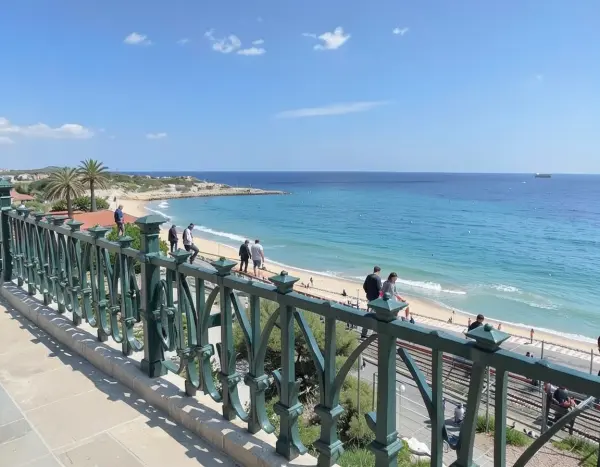
3. Balcó del Mediterrani
Einer der besten kostenlosen Aussichtspunkte entlang der gesamten katalanischen Küste. Stehen Sie 60 Meter über dem Meeresspiegel und beobachten Sie Segelboote über einen glitzernden mediterranen Horizont gleiten.
Schnelle Fakten: Perched 60 meters above the Mediterranean, this balcony offers sweeping views that stretch from the port of Tarragona to the distant Costa Daurada coastline. The viewpoint sits atop the ancient Roman Cyclopean Wall, built with massive stone blocks weighing up to 5 tons each.
Highlights: Come at sunset and watch the limestone balcony railings catch a warm golden glow while the sea turns deep sapphire below. On clear days you can spot the silhouette of the Ebro Delta, 30 kilometers away, jutting into the horizon.
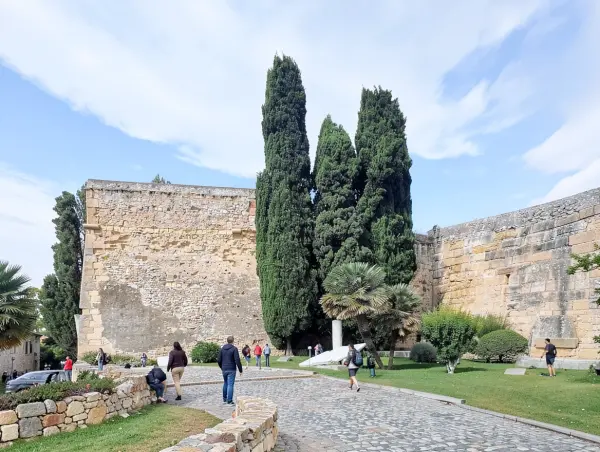
4. Roman Walls of Tarragona
Gehen Sie an 2.200 Jahre alten römischen Befestigungsanlagen entlang, die einst die Hauptstadt eines Reiches bewachten. Fühlen Sie das raue, verwitterte Stein unter Ihren Fingerspitzen, während Sie denselben Umkreis abgehen, den römische Soldaten patrouillierten.
Schnelle Fakten: Diese römischen Mauern erstrecken sich über fast 3,5 Kilometer und erreichen an manchen Stellen eine Höhe von bis zu 12 Metern, was sie zu einer der am besten erhaltenen römischen Befestigungen Spaniens macht. Ursprünglich zwischen dem 3. und 2. Jahrhundert vor Christus erbaut, schützten sie die antike Stadt Tarraco, Hauptstadt der römischen Provinz Hispania Citerior.
Highlights: Schaut man sich die Basis der Mauern in der Nähe des Portal del Roser genau an, entdeckt man massive originale Steinblöcke, von denen einige über 6 Tonnen wiegen, die ohne Mörtel durch bloße Präzision und Schwerkraft gestapelt wurden. Das zyklopische Mauerwerk der Stadtmauer bildet einen faszinierenden Kontrast zu den mittelalterlichen Bauten, die Jahrhunderte später darauf errichtet wurden, eine Schichtgeschichte, die man buchstäblich berühren kann.
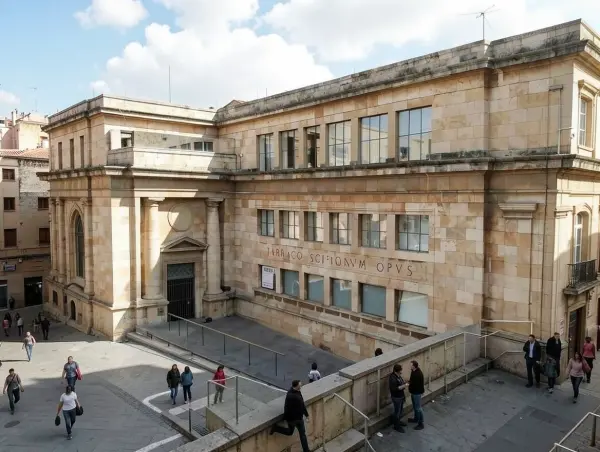
5. National Archaeological Museum of Tarragona
Schlendern Sie durch eine der reichsten Sammlungen römischer Artefakte Spaniens, von kolossalen Skulpturen bis zu filigranen Alltagsgegenständen. Sie gehen über Glasböden über antiken römischen Straßen und stehen dem legendären Medusa-Mosaik gegenüber.
Schnelle Fakten: Die Sammlung umfasst über 25.000 Objekte aus der römischen Geschichte, darunter Skulpturen, Mosaike und Alltagsgegenstände, die die Geschichte des antiken Tarraco erzählen. Eines der beeindruckendsten Stücke ist ein riesiges Mosaik der Medusa aus dem 3. Jahrhundert, das den gesamten Boden einer Galerie bedeckt und mit filigranen Details besticht, die auch nach 1.700 Jahren noch lebendig wirken.
Highlights: Betreten Sie die Haupthalle und Sie stehen direkt über einem erhaltenen Abschnitt des ursprünglichen römischen Zirkus, wo einst die Streitwagen donnerten. Der Glasboden des Museums ermöglicht Ihnen einen Blick auf die antiken Kopfsteine und Abwasserkanäle und lässt Sie wie einen Archäologen fühlen, der die Stadt Schicht für Schicht entdeckt.
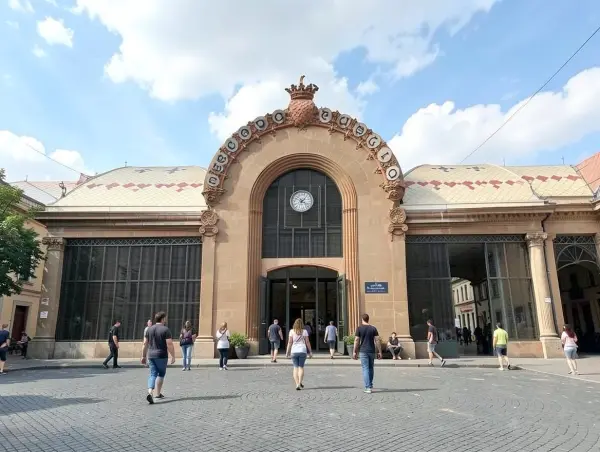
6. Mercat Central de Tarragona
Tauchen Sie in ein Jahrhundert katalanischer Esskultur unter einem Dach aus Eisen und Glas ein. Schlendern Sie durch 50 Stände mit Oliven, Käse und frisch angelandetem Fisch, während die Händler ihre Preise ausrufen.
Schnelle Fakten: Gusseiserne Säulen und ein Glasdach fluten das Mittelschiff mit Licht, während rund 50 Händler Tagesfänge und lokale Produkte anbieten. Gastronomen, Hobbyköche und Tagesausflügler feilschen die meisten Morgen bis 10 Uhr Seite an Seite um Olivenöl, Wermut und Käse.
Highlights: Steige hinauf zur oberen Galerie und beobachte, wie sich unten die Choreografie aus Kisten, Waagen und Messern entfaltet. In der Mitte lässt eine achteckige Dachlaterne Sonnenlicht auf hängenden Jamón fallen und verwandelt die belebteste Gasse des Marktes in goldenes Theater.
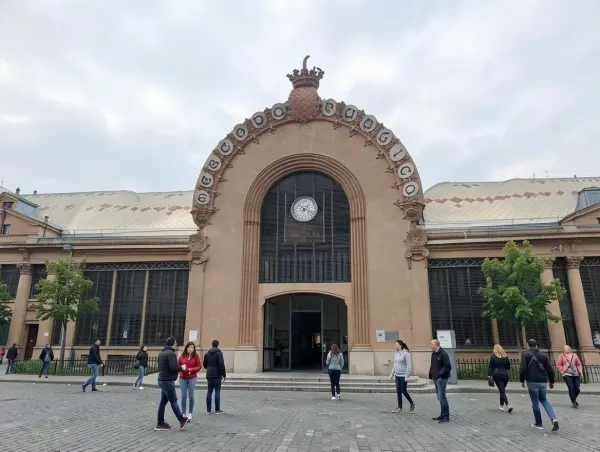
7. Mercat Central
Eine überdachte Markthalle thront über einer römischen Wagenrennbahn, die unter Ihren Füßen noch immer glänzt. Folgen Sie dem Duft von frischen Garnelen und Safran in ragende Gänge aus Eisen und Ziegel.
Schnelle Fakten: Josep Maria Jujol, der Architekt, der eng mit Gaudí zusammenarbeitete, entwarf diese Markthalle, die innerhalb eines einzigen Jahres fertiggestellt und 1915 eröffnet wurde. Zwei Jahrtausende vor dem ersten Obststand rasten römische Wagenlenker mit Vierergespannen genau über dieses Grundstück.
Highlights: Wer hinunter in den Keller geht, gelangt in den hohen gewölbten Korridor des römischen Zirkus, die lange Galerie, über die die Zuschauer im 1. Jahrhundert n. Chr. zu ihren Sitzen hinaufstiegen. Über deinem Kopf lassen Jujols dünne katalanische Ziegelgewölbe und glasierte Keramikrosetten das Licht so brechen, dass die Decke wie ein Segel zu wogen scheint.
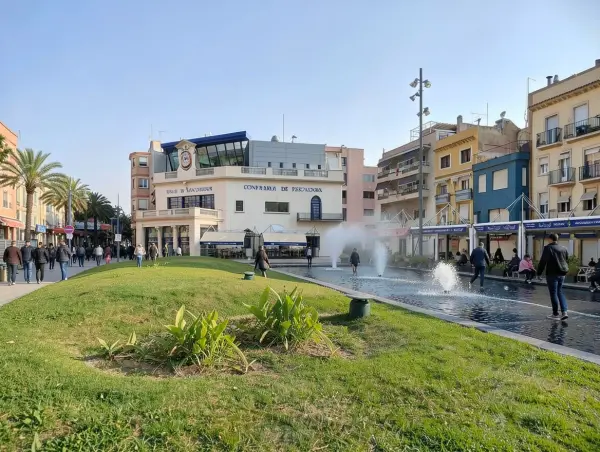
8. El Serrallo
Hier wird der alte Hafen köstlich, ganz ohne Neon und mit viel Salz. Riechen Sie die Sardinen, die in der Dämmerung am Hafen gegrillt werden, und beobachten Sie, wie der nächtliche Fang von Hand entladen wird, Boot für Boot.
Schnelle Fakten: In dieser bescheidenen Ecke des alten Hafens schlägt ein arbeitendes Fischerherz, und die Versteigerung des nächtlichen Fangs hallt jeden Morgen durch eine weiße Halle. Fischer hängen noch immer ihre Netze zum Trocknen entlang des Kais, und der Rauch ihrer Holzkohlegrills mit Sardinen steigt direkt zu dem römischen Mauerwerk darüber auf.
Highlights: Am hinteren Ende des Kais tragen kleine, familiengeführte Boote noch handgemalte Augen am Bug, ein alter Zauberspruch, der den Booten helfen soll, die Fische unter der Oberfläche zu sehen. Kommen Sie Ende Juni zum Fest des Sant Pere, wenn das ganze Viertel Tische auf den Bürgersteig zieht und bis Mitternacht Sardinen brät.
Where to Stay in Tarragona, Spain
Selected by City Buddy based on guest reviews and proximity to top attractions
Search all hotels in Tarragona, SpainPowered by agoda
Öffnungstage in Tarragona, Spain
Welche Top-Sehenswürdigkeiten an welchem Wochentag schließen, der klassische Urlaubsruinierer, für dich geprüft.
Montag: 2 von 6 Top-Sehenswürdigkeiten geschlossen. Plane Museen für einen anderen Tag.
Geschlossen am Montag · 2 geschlossen, 4 geöffnet
Öffnungstage von Google Maps (geprüft am 2026-09-05). Feiertage, Streiks und saisonale Öffnungszeiten können abweichen. Prüfe die offizielle Website vor deinem Besuch.
Traditionelle Süßspeisen
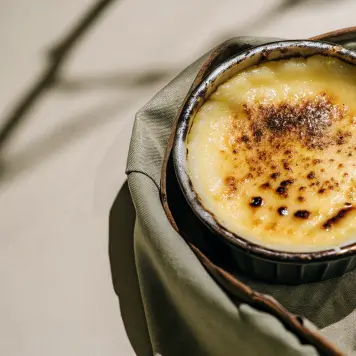
Crema Catalana
Crema Catalana is the Spanish sibling of crème brûlée, but with a distinct Catalan identity. It is traditionally served on Saint Joseph's Day (March 19) and flavored with cinnamon and lemon zest instead of vanilla.
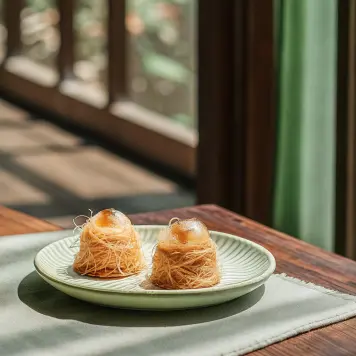
Pastissets de Cabell d'Àngel
These delicate pastries are filled with cabell d'àngel or angel's hair, a sweet jam made from pumpkin threads. The name literally means angel hair, referencing the translucent, stringy texture of the pumpkin preserve inside.

Carquinyolis
Carquinyolis are crunchy Catalan almond cookies similar to Italian biscotti, perfect for dunking in dessert wine. They are twice-baked for extra crunch and are a staple at festive gatherings across the Tarragona region.
Traditionelle herzhafte Gerichte

Calçots with Romesco Sauce
Calçots are a type of sweet green onion grilled over open flames until charred, a signature of Tarragona's province. Locals gather for massive calçotades (feasts) where these onions are eaten by peeling the burnt layers and dipping them in rich romesco sauce made from almonds and roasted peppers.
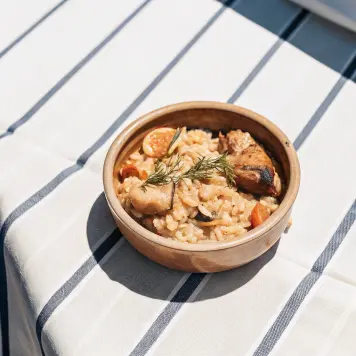
Arròs a la Cassola de Tarragona
This rustic casserole rice dish is Tarragona's take on paella, slow-cooked in a clay pot with local seafood, rabbit, and vegetables. The city's proximity to the Ebro Delta rice fields means the rice used is exceptionally fresh and flavorful.
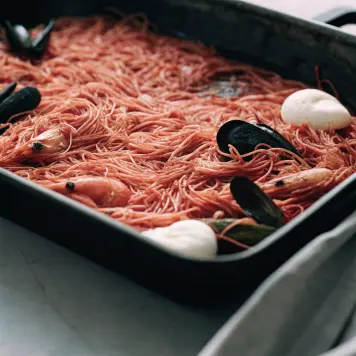
Fideuà
Fideuà is a beloved noodle-based dish similar to paella but made with short, thin vermicelli noodles instead of rice. It originated among fishermen on the Catalan coast who wanted a faster-cooking alternative to rice, and it is traditionally served with a dollop of garlicky allioli.
Traditionelle Getränke

Vermut de Tarragona
Tarragona has a deep-rooted vermouth tradition dating back to the 19th century, and local vermuterías are a cherished social ritual. The region's vermouth is made with macabeo or xarel·lo wine bases and a secret blend of local herbs, giving it a distinctive Mediterranean character.

Cava
While Cava is most famous in Penedès, much of this sparkling wine is actually produced from grapes grown in the vineyards around Tarragona. It is made using the traditional method (same as Champagne) but at a fraction of the cost, making it the go-to celebratory drink in Catalonia.

Ratafia
Ratafia is a traditional Catalan liqueur made by macerating green walnuts, herbs, and spices in brandy or aguardiente for months. It is often homemade in Tarragona's rural homes and is sipped as a digestif, believed to aid digestion after heavy meals.
Gut zu wissen vor der Reise
Was ein Tag in Tarragona kostet und welche Abzocke du vermeiden solltest
Kosten pro Person pro Tag
Die größten Abzockerfallen
- Pickpocketing in crowds. Keep bags closed and in front, leave valuables in the hotel, and avoid loose back pockets in crowded spaces.
- Unofficial offers near the station. Walk to the official taxi rank and require the meter, or book through an app for a clear price.
- Menu without prices. Confirm prices before ordering, ask if a cover or service charge applies, and check the bill line by line.
Faires Taxi vom Flughafen: 110 € - 140 €
Alle Abzockerfallen, faire Preise und RegelnHäufig gestellte Fragen zu Tarragona, Spain
Ist Tarragona, Spanien sicher?
Wie viele Tage in Tarragona, Spanien sind genug?
Wann ist die beste Reisezeit für Tarragona, Spanien?
Ist Tarragona, Spanien teuer?
Wie kommt man in Tarragona, Spanien zurecht?
Erhalten Sie ein PDF mit den beliebtesten Attraktionen per E-Mail
Erhalten Sie ein PDF mit allen Attraktionen, Bewertungen und Tipps. Perfekt für die Offline-Nutzung.
Beliebteste Tagesausflüge
Barcelona
Vibrant capital of Catalonia with Gaudi architecture and world-class museums.
Salou
Popular coastal resort with beaches and PortAventura theme park.
Sitges
Charming seaside town with beaches, art galleries, and nightlife.
Reus
Modernist architecture hub and birthplace of architect Antoni Gaudi.
Delta de l'Ebre
Stunning natural park with rice fields, wetlands, and birdwatching.
Anreise
Bahnhöfe
AVE high-speed rail from Barcelona, Madrid, and Valencia
Regional trains along the Costa Daurada coastline
From Barcelona Airport take the direct bus or train to Tarragona. Reus Airport is smaller with seasonal flights and bus connections to Tarragona.
Nützliche Informationen für Tarragona, Spain
Übersicht für Tarragona, Spain
Tarragona mit anderen Reisezielen vergleichen
Preise, Sicherheit, Wetter und Top-Sehenswürdigkeiten im direkten Vergleich, mit einer Empfehlung für jeden Reisetyp.
Du willst einen Tag-für-Tag-Plan für Tarragona, Spain? Öffne den Reiseplaner
Wann reisen Sie nach Tarragona, Spain?
Wählen Sie Ihre Daten und Ihren Reisestil, um zu erhalten:
Sind Ihnen einige dieser Punkte besonders wichtig?
Wählen Sie alle zutreffenden aus
Fortbewegung
Wie möchtest du dich zwischen den Orten bewegen?
Sprache des Plans: Deutsch