 CityBuddy
 Deutsch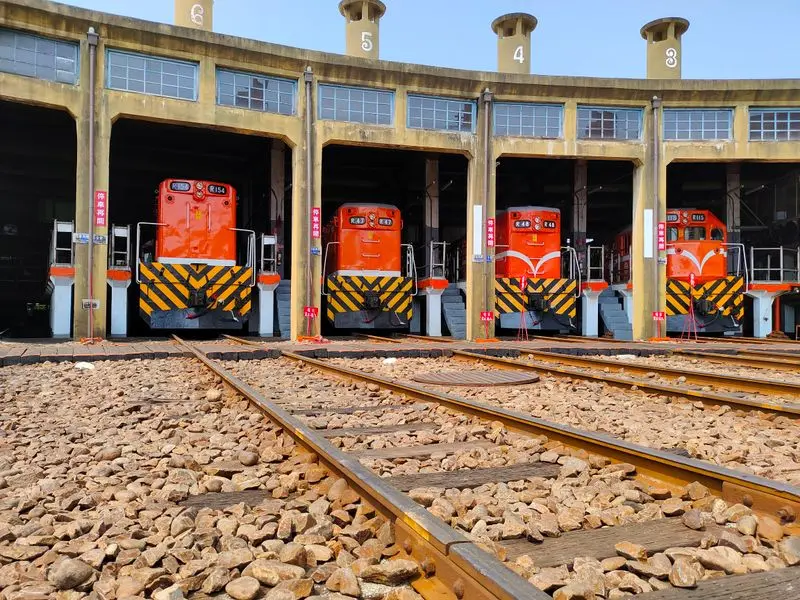
Aktivitäten in Changhua, Taiwan
Foto gemacht von 瑞宏 簡 auf Pexels.com
Wann besuchen
Beliebteste Attraktionen in Changhua, Taiwan
Visitors seeking things to do in Changhua, Taiwan will find an engaging mix of history and culture. The 22-meter Baguashan Great Buddha sits atop a hill with views across the city. Lukang Old Street preserves a 300-year-old temple and merchant quarter with traditional architecture. The Changhua Roundhouse, built in 1922, offers train enthusiast tours daily.
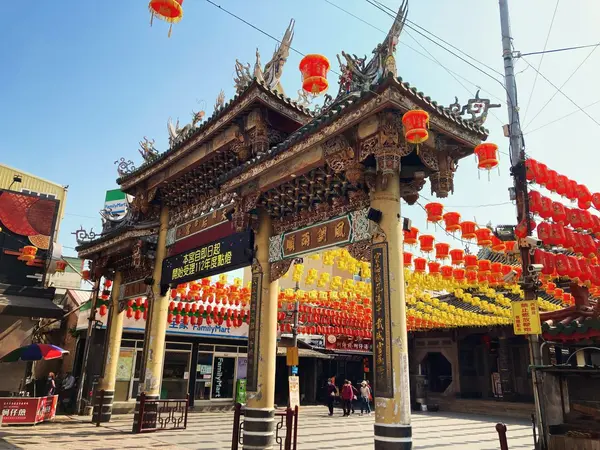
1. Lukang Old Street
Wander narrow alleys where traditional crafts have survived for generations and food stall aromas drift through ancient temple courtyards. Taste freshly made oyster omelets, watch lanterns being painted by hand, and explore the maze-like lanes that once confused pirates.
Schnelle Fakten: Die verwinkelten Gassen wurden als Irrgarten entworfen, um Piraten zu verwirren und die Bewohner zu schützen. Über 200 historische Tempel säumen das Gebiet, was ihm eine der höchsten Tempeldichten Taiwans verleiht.
Highlights: Treten Sie ein in das Labyrinth der neun Kurven und achtzehn Gassen, wo sich die Mauern auf kaum eine Schulterbreite verengen, und Sie entdecken eine traditionelle Laternenwerkstatt, die noch immer Bambusrahmen mit handbemalten Motiven von Kunsthandwerkern der vierten Generation verwendet. Das Klappern hölzerner Hämmer, die Ochsenleder zu traditionellen Schuhen formen, hallt durch die Gassen, ein Handwerk, das hier seit über einem Jahrhundert überlebt hat.
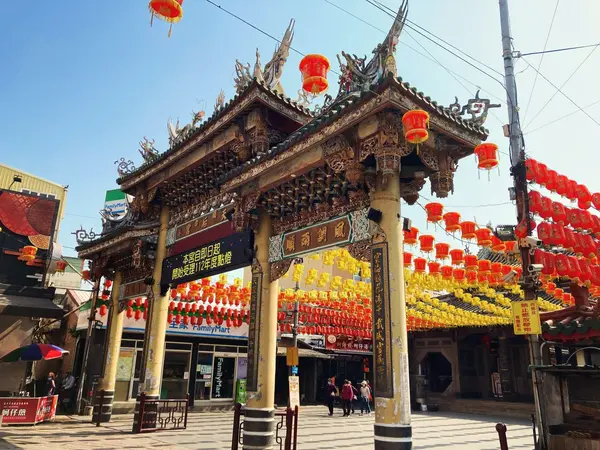
2. Lukang Tianhou Temple
Three centuries of artistry and faith converge in one temple. Watch incense smoke drift past ancient calligraphy while locals pray beside you.
Schnelle Fakten: A pair of stone dragon pillars flanking the main entrance were carved from single granite blocks three centuries ago. Over 10,000 pilgrims pour through these gates during annual Mazu birthday celebrations.
Highlights: Above the main altar, an octagonal wooden ceiling called a bagua zaojing uses 16 interlocking bracket layers held together without a single nail. Each carved panel around the rim depicts a different miracle from the sea goddess's life, with the center left intentionally open so prayers can rise directly upward.
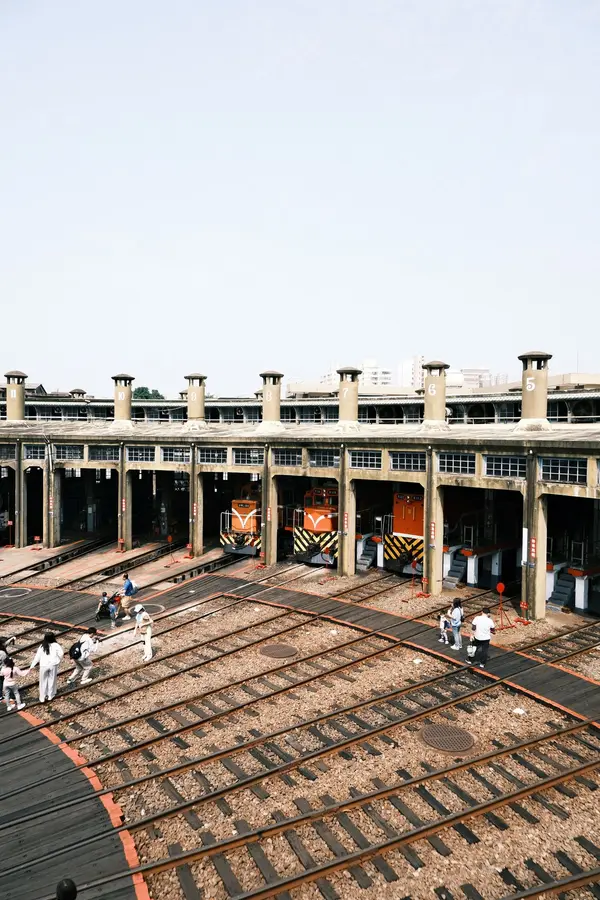
3. Changhua Roundhouse
The only operational roundhouse in Taiwan where steam locomotives still roll in for service. Watch giant iron engines spin on the manual turntable and walk right up to the tracks.
Schnelle Fakten: Eines der letzten betriebsfähigen Rundhäuser für Dampflokomotiven in Taiwan. Sein fächerförmiges Design umfasst ein Dutzend Gleise, die von einer zentralen Drehscheibe ausgehen. Die Drehscheibe dreht sich auch heute noch und wird manuell bedient, um Lokomotiven wie ein riesiger Eisenbahnkompass in ihre vorgesehenen Stellplätze zu schwenken.
Highlights: Anders als Museumsstücke hinter Glas ist dieses 102 Jahre alte Rundhaus nach wie vor ein voll funktionsfähiger Wartungsstützpunkt, in dem Mechaniker weiterhin Lager schmieren und Feuerbüchsen an lebenden Dampfmaschinen befeuern. Bestaunen Sie, wie eine 100 Tonnen schwere Lokomotive auf die Drehscheibe fährt und sich mit einem mechanischen Ächzen dreht, um sich in weniger als zwei Minuten perfekt an ihrem Abstellplatz auszurichten.
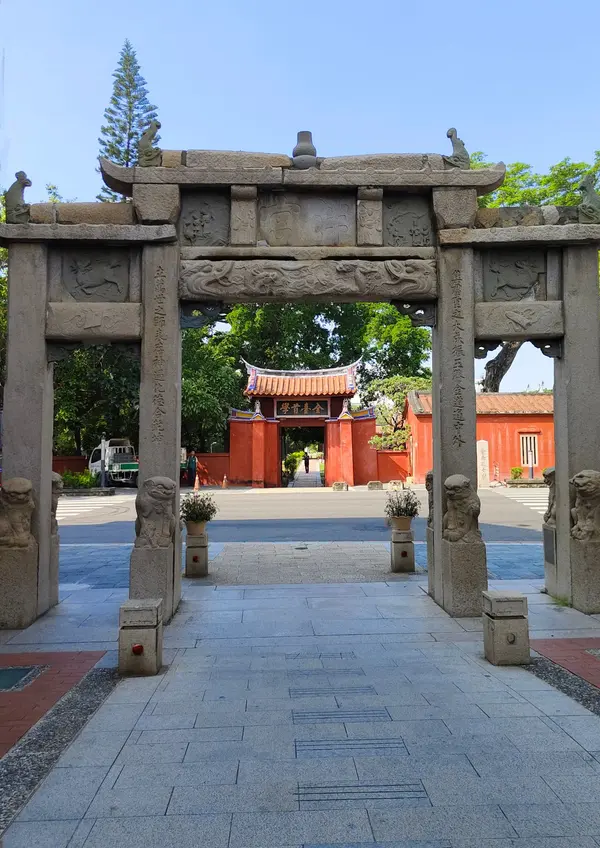
4. Changhua Confucius Temple
Step into a quiet courtyard where centuries of scholars once sought wisdom. Expect ornate carvings, a serene pond, and the faint scent of incense lingering in the air.
Schnelle Fakten: Rund 300 Jahre wissenschaftlicher Zeremonien haben unter diesen geschwungenen Dächern stattgefunden. Jedes Jahr ehren zwei große Zeremonien Konfuzius mit Musik, Tanz und Opfertieren, eine Tradition, die seit der Qing-Dynastie weitgehend unverändert geblieben ist.
Highlights: Das ist einer der ältesten Konfuzius-Tempel Taiwans, und die verblasste rot-grüne Farbe an den Säulen erzählt die Geschichte von jahrhundertelangem Räucherwerk. Schauen Sie sich die Dachfirste genau an, dort sehen Sie kleine Keramikfiguren von Gelehrten und Unsterblichen, von denen jede dazu platziert wurde, die akademische Mission des Tempels zu schützen.
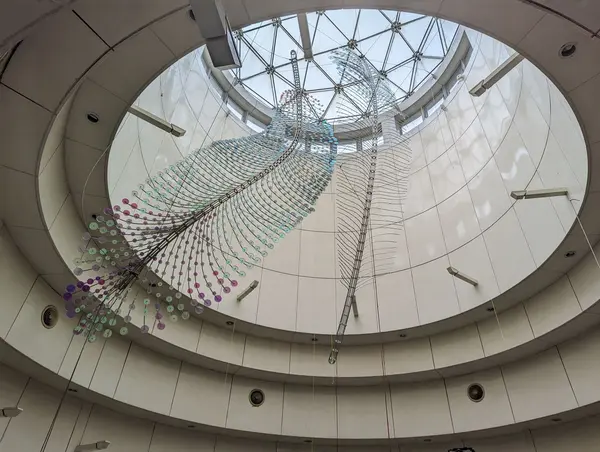
5. Taiwan Glass Gallery
Step into a world where everything glitters, from chandeliers to entire buildings. You'll walk through a glass cathedral, cross a transparent bridge, and watch artists blow molten glass into art before your eyes.
Schnelle Fakten: Rund 2.000 Glasskulpturen, Installationen und Alltagsgegenstände füllen die mehrstöckigen Ausstellungshallen hier. Die Sammlung reicht von zarten geblasenen Vasen bis zu einer vollständigen Nachbildung eines traditionellen Straßenmarktes aus Glas, alle von taiwanesischen Kunsthandwerkern gefertigt.
Highlights: Das Kronjuwel ist eine maßstabsgetreue Glaskathedrale aus über 2.000 einzelnen Glasscheiben, und Besucher können tatsächlich durch ihr leuchtendes, transluzentes Innere gehen. Auf dem Dach finden Sie eine Glasbrücke, die sich über den darunterliegenden Park spannt und es Ihnen ermöglicht, auf einem transparenten Boden hoch über dem Boden zu stehen, während sich der gesamte Komplex unter Ihnen spiegelt.
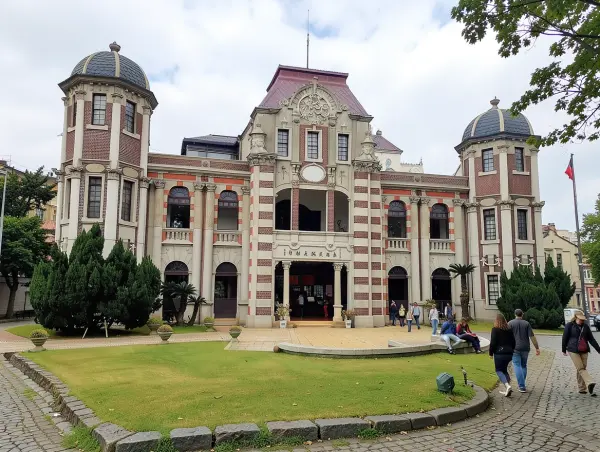
6. Lukang Folk Arts Museum
Step inside a 1919 Baroque mansion where Taiwan's most powerful family once lived. Wander through rooms packed with 3,000 everyday artifacts, from silk wedding gowns to century-old toys and kitchen tools.
Schnelle Fakten: Ein Herrenhaus im Barockstil aus dem Jahr 1919 gehörte einst der Familie Koo, einem der einflussreichsten Clans Taiwans während der japanischen Kolonialzeit. Über 3.000 Artefakte füllen die Räume, von einem prunkvoll geschnitzten Hochzeitsbett bis zu nostalgischen Grammophonen und antiken Opiumpfeifen.
Highlights: Das Herrenhaus selbst war die Residenz von Koo Hsien-jung, dem Mann, der 1895 Berühmtheit erlangte, weil er die Tore Taipeis für die japanischen Streitkräfte öffnete und damit Taiwans Weg für immer veränderte. Besucher können noch den originalen Esszimmertisch der Familie mit Porzellan gedeckt sehen, als hätten die Koos gerade ein formelles Abendessen verlassen.
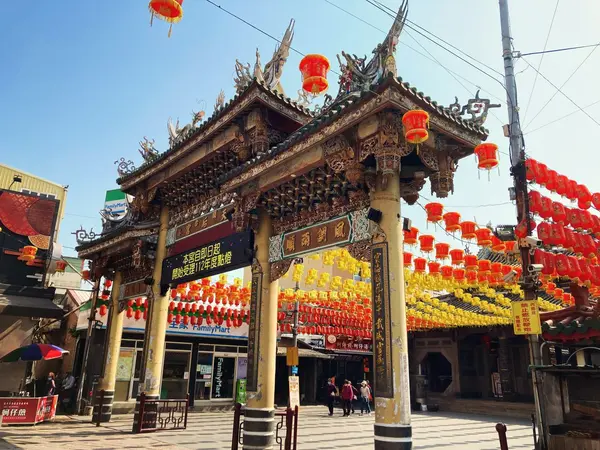
7. Qingshuiyan Temple
A 300-year-old temple where ancient camphor trees guard a natural spring and fireflies dance in spring evenings. Wander peaceful courtyards, sip tea by the mountain stream, and watch monks sweep moss from stone paths.
Schnelle Fakten: Three ancient camphor trees shade the courtyards, one of them over 300 years old and stretching 20 meters wide. A natural spring still flows beside the shrine, giving the temple its name which means "clear water."
Highlights: Every April, thousands of fireflies flicker through the surrounding forest paths, turning the hillside into a living constellation. The temple's resident calligraphy master gives free lessons on weekends, letting visitors paint their own wishes on wooden plaques to hang by the spring.
8. Tianwei Highway Garden
Cycle through endless fields of bloom-packed greenhouses where Taiwan's flower farmers do their work. You can stop at any nursery, buy a potted orchid for under $5, and watch the growers wrap it fresh from the greenhouse.
Schnelle Fakten: Über 200 Gartengeschäfte und Baumschulen säumen die Straßen hier und machen diesen Ort zu einem der größten Blumenverteilungszentren Asiens. Die Region liefert fast 70 % von Taiwans Zierpflanzen und Schnittblumen und wechselt mit jeder Jahreszeit die Farben, wenn Chrysanthemen, Weihnachtssterne und Sonnenblumen nacheinander blühen.
Highlights: Anders als ein einzelner gepflegter Garten ist dies ein 4,8 Kilometer langer lebendiger Marktplatz, auf dem Sie durch arbeitende Baumschulen und Gewächshäuser schlendern und direkt bei den Gärtnern kaufen, die sich um sie kümmern. Die wahre Magie entfaltet sich in der Abenddämmerung, wenn Tausende kleiner Feenlichter, die zwischen den Gewächshäusern aufgespannt sind, aufleuchten und das gesamte Gebiet in ein leuchtendes Wunderland verwandeln.
Where to Stay in Changhua, Taiwan
Selected by City Buddy based on guest reviews and proximity to top attractions
Search all hotels in Changhua, TaiwanPowered by agoda
Öffnungstage in Changhua, Taiwan
Welche Top-Sehenswürdigkeiten an welchem Wochentag schließen, der klassische Urlaubsruinierer, für dich geprüft.
Montag: 3 von 8 Top-Sehenswürdigkeiten geschlossen. Plane Museen für einen anderen Tag.
Geschlossen am Montag · 3 geschlossen, 5 geöffnet
Öffnungstage von Google Maps (geprüft am 2026-06-27). Feiertage, Streiks und saisonale Öffnungszeiten können abweichen. Prüfe die offizielle Website vor deinem Besuch.
Traditionelle Süßspeisen
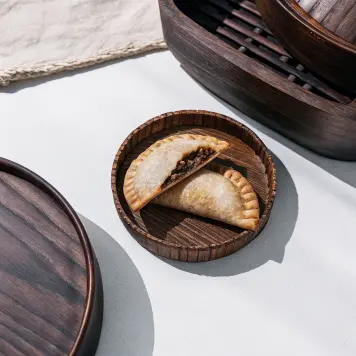
Lukang Ox Tongue Pastry (牛舌餅)
Despite its name, this pastry contains no ox tongue. It is a thin, crispy, maltose-filled biscuit shaped like an ox tongue, and Lukang is the most famous place in Taiwan to buy it.
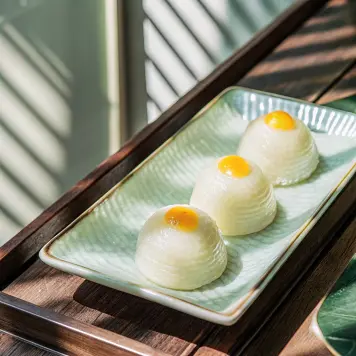
Phoenix Eye Cake (鳳眼糕)
This delicate, crumbly white pastry is made from premium glutinous rice flour and sugar. It gets its name from its oval shape resembling a phoenix eye, and it was once a tribute snack served to Qing Dynasty officials.
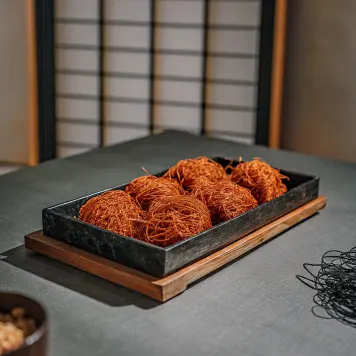
Dragon Beard Candy (龍鬚糖)
This traditional Chinese candy is made by pulling sugar into thousands of fine, hair-like strands, resembling a dragon's beard. It is filled with crushed peanuts, sesame seeds, and coconut, and Lukang is one of the best places to watch it made by hand.
Traditionelle herzhafte Gerichte
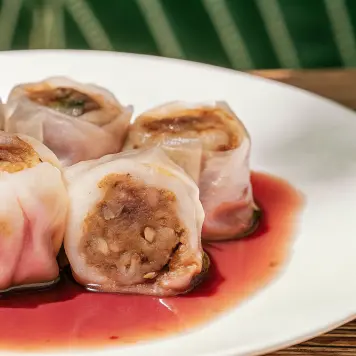
Changhua Meatballs (彰化肉圓)
Changhua meatballs are arguably the most famous ba wan in Taiwan. Unlike other versions, they are steamed then deep-fried, giving them a crispy exterior, and they are served with a sweet and savory brown sauce.
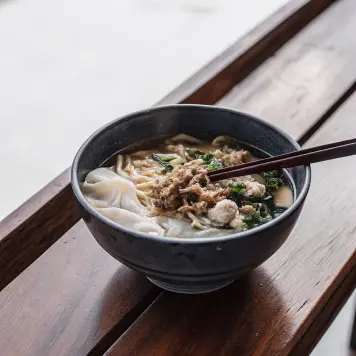
Cat and Mouse Noodles (貓鼠麵)
Despite its unusual name, this dish contains no cat or mouse. It was named after the nickname of its creator who was called "cat and mouse" for his agility, and the noodle soup features a rich, clear broth with ground pork and tender wontons.
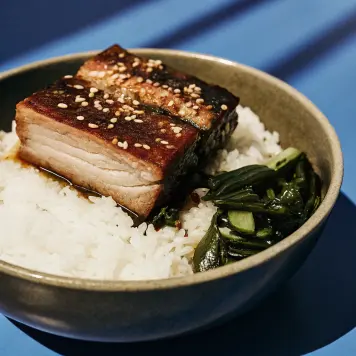
Changhua Braised Pork Rice (彰化爌肉飯)
Changhua is famous for its braised pork rice, featuring a massive, tender slab of pork belly slow-braised in soy sauce and spices. It is so beloved that many shops sell it as a late-night or breakfast staple, with some restaurants operating 24 hours a day.
Traditionelle Getränke
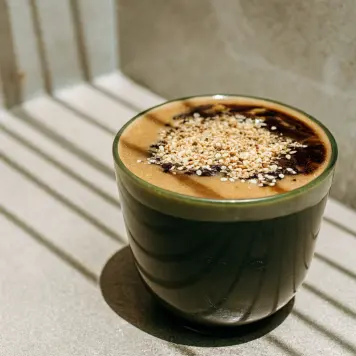
Mian Cha (麵茶)
Mian Cha is a warm, thick, porridge-like drink made from toasted wheat flour, sesame seeds, and sugar. It was originally a filling breakfast for farmers and is still a beloved nostalgic street drink in Lukang, Changhua.
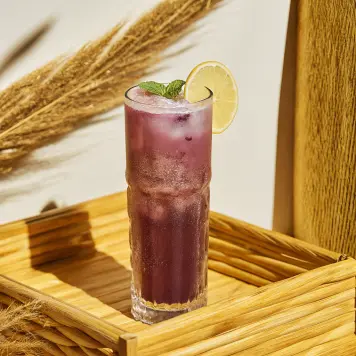
Sour Plum Drink (酸梅湯)
This tangy and refreshing drink is made by simmering smoked plums, hawthorn, licorice, and rock sugar for hours. It is a classic accompaniment to heavy street food in Changhua and is believed to aid digestion on hot days.
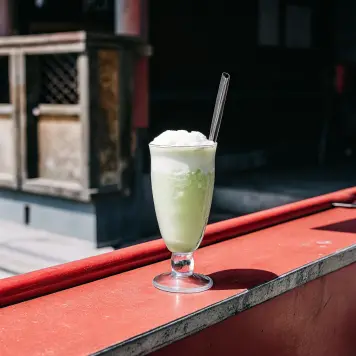
Mung Bean Shake (綠豆沙)
This creamy, slushy drink is made by blending cooked mung beans with ice and sugar until smooth. In Changhua's Lukang district, it is a wildly popular summer treat sold at iconic old-school stalls that have been operating for decades.
Erhalten Sie ein PDF mit den beliebtesten Attraktionen per E-Mail
Erhalten Sie ein PDF mit allen Attraktionen, Bewertungen und Tipps. Perfekt für die Offline-Nutzung.
Beliebteste Tagesausflüge
Lukang Old Town
Historic port town with ancient temples, narrow alleys, and traditional crafts
Baguashan Great Buddha
Iconic hilltop Buddha statue with panoramic city views and hiking trails
Taichung City
Vibrant city with night markets, museums, and Rainbow Village
Xitou Nature Area
Mountain forest reserve with bamboo groves and suspension bridges
Anreise
Bahnhöfe
Taiwan Railway West Coast Line (TRA)
Taiwan High Speed Rail connecting Taipei to Kaohsiung
From Taichung HSR station, take local TRA train or bus to Changhua Station in about 15 minutes. From Taichung Airport, take bus to Changhua.
Nützliche Informationen für Changhua, Taiwan
Übersicht für Changhua, Taiwan
Du willst einen Tag-für-Tag-Plan für Changhua, Taiwan? Öffne den Reiseplaner
Wann reisen Sie nach Changhua, Taiwan?
Wählen Sie Ihre Daten und Ihren Reisestil, um zu erhalten:
Sind Ihnen einige dieser Punkte besonders wichtig?
Wählen Sie alle zutreffenden aus
Fortbewegung
Wie möchtest du dich zwischen den Orten bewegen?
Sprache des Plans: Deutsch