 CityBuddy
 English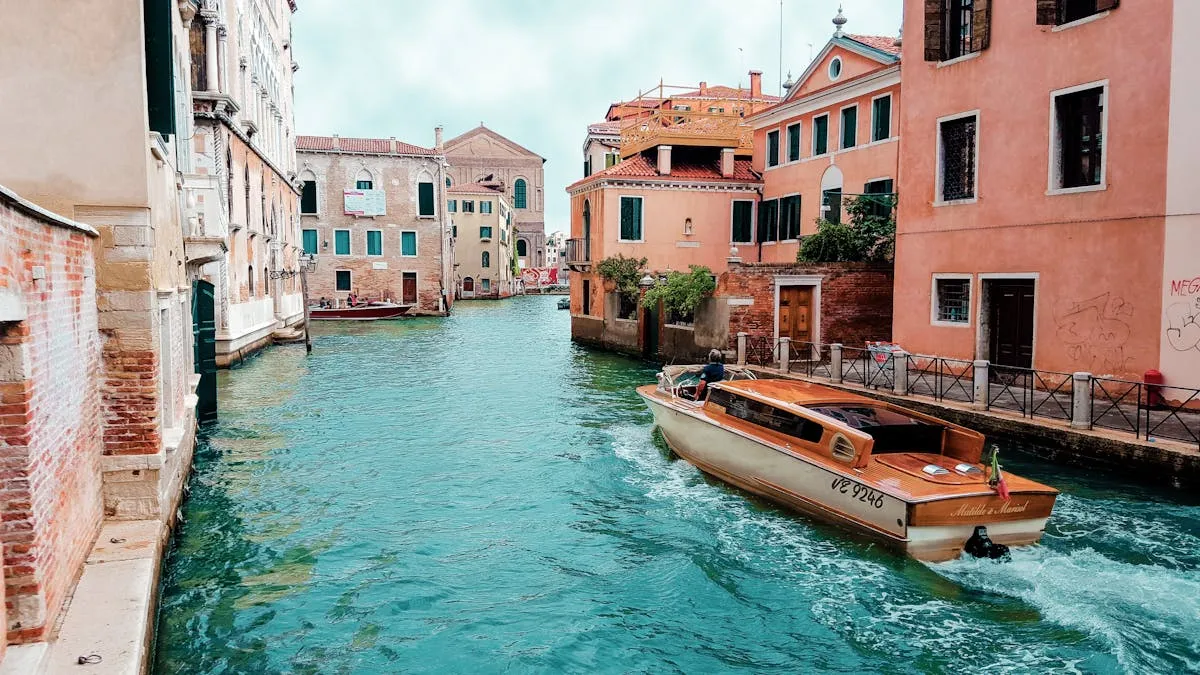
Things to Do in Italy
Photo made by Pixabay on Pexels.com
When to visit
Plan your perfect trip to Italy
Get a complete travel plan built just for you in under 30 seconds, with daily routes, local food tips, budget estimates and more.
Are any of these especially important to you?
Select all that apply
Plan language: EnglishMost popular attractions in Italy
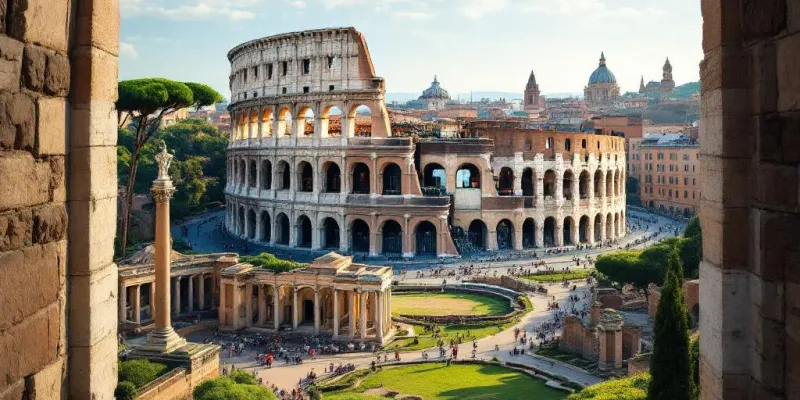
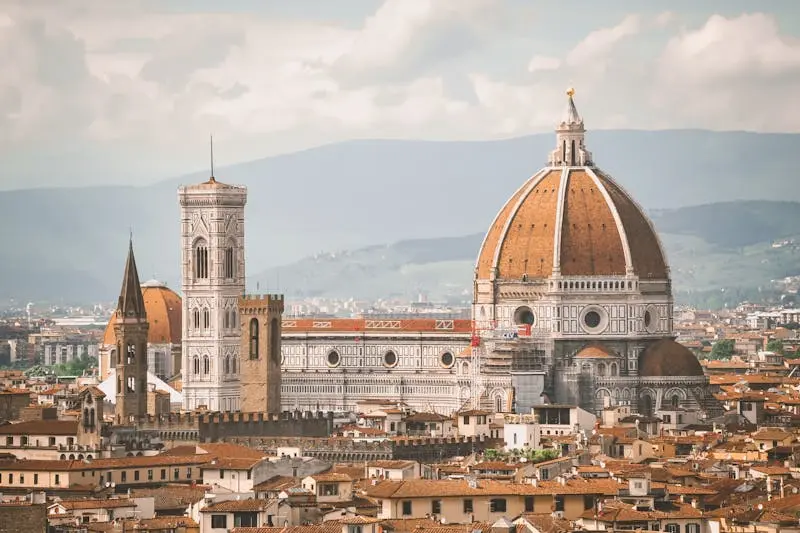
Things to do in Italy showcase an incredible blend of history and art. Visit the Colosseum in Rome, where ancient gladiators once fought, then explore the Vatican Museums and St. Peter's Basilica, home to priceless religious art. In Florence, the Cathedral of Santa Maria del Fiore impresses with its stunning dome and intricate frescoes.
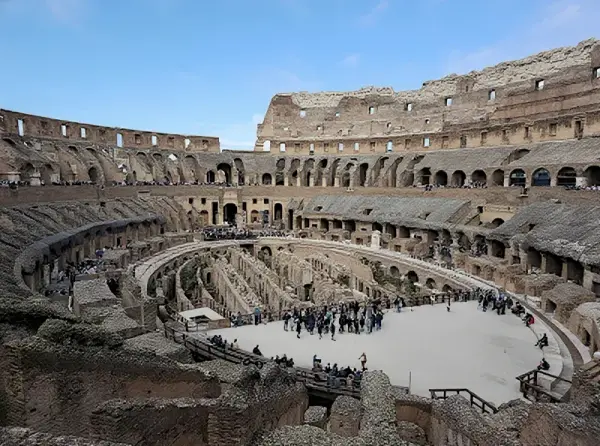
1. Colosseum
Rome
Epic arena of ancient spectacle and power. Walk the arena rim, hear imagined roars and glimpse the maze of tunnels below.
Quick facts: When filled to capacity, it seated roughly 50,000 spectators who watched gladiatorial combats, animal hunts and staged naval reenactments. Beneath the arena lies an intricate hypogeum of tunnels and cages, where animals and performers were hidden until dramatic entrances revealed them to the crowd.
Highlights: Walking onto the arena reveals worn stone, iron clamps and scorched surfaces that still echo the roar of massive crowds and imperial spectacles. Below the floor a two-level hypogeum with dozens of chambers and a pulley network once hid caged beasts and raised scenery, offering a visceral backstage view few ancient sites preserve so clearly.
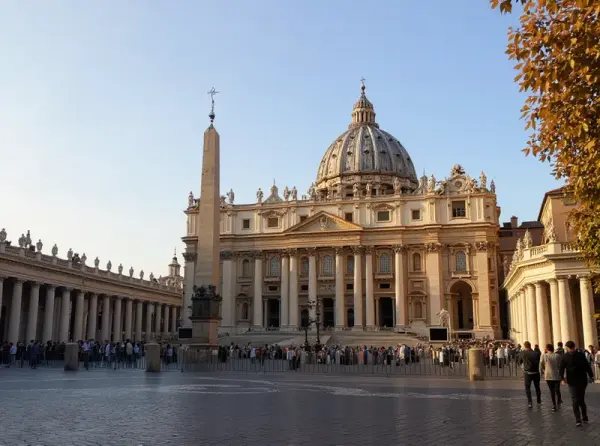
2. Vatican Museums and St. Peter's Basilica, Vatican City (Rome)
Rome
World-class art meets monumental architecture in one unforgettable visit. See frescoes, colossal sculpture, and climb for panoramic city views.
Quick facts: Miles of gallery corridors contain an astonishing range of art, from ancient sarcophagi to Renaissance masterpieces. Visitors often come for the painted chapel ceiling and the immense dome where footsteps echo off cool marble.
Highlights: Michelangelo painted about 300 human figures across nearly 500 square metres of ceiling, a vivid, overhead panorama that rewards slow gazing. Gian Lorenzo Bernini's gilded baldachin rises about 29 metres above the main altar, and during major liturgies the lighting makes the bronze glow like stage lighting.
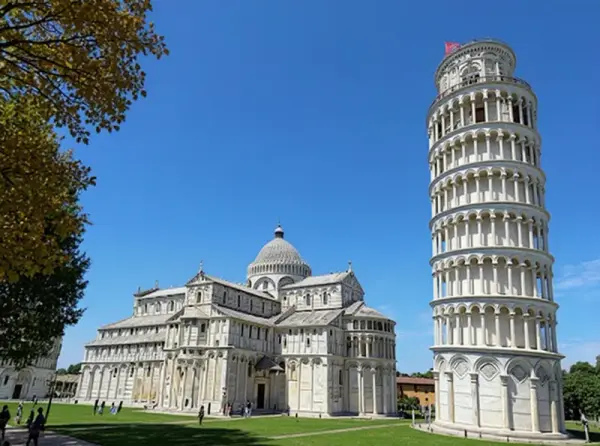
3. Leaning Tower of Pisa
Pisa
Off-kilter architecture worth seeing up close. Climb narrow steps for dizzying views and a quirky photo angle.
Quick facts: A freestanding bell tower leans noticeably because its foundation sits on soft, uneven subsoil. Visitors can climb narrow, worn stone steps to a viewing gallery about 55 meters up, where the tilt feels surprisingly dramatic.
Highlights: Engineers reduced the lean from roughly 5.5 degrees to about 3.97 degrees between 1990 and 2001 using careful soil extraction, stabilizing the structure without heavy scaffolding. From the top, seven bells tuned to a musical scale and sweeping views over red-tiled roofs create a sensory payoff that makes the climb worth the effort.
Have you heard of free walking tours?
After traveling to 30+ countries, there's one thing I wish someone had told me from day one, and it completely changed how I experience new cities.
Free walking tours. Yes, actually free. No credit card needed. No catch.
Local guide, 2-3 hours
Major sights, hidden gems, local stories
100% tip-based
Guides earn only tips, so they give their absolute best
You tip what feels right
At the end, just tip whatever you feel is right
I've done these in dozens of cities and they've been the highlight of almost every trip. If you're visiting Italy, do this on your first day. You'll thank me later.
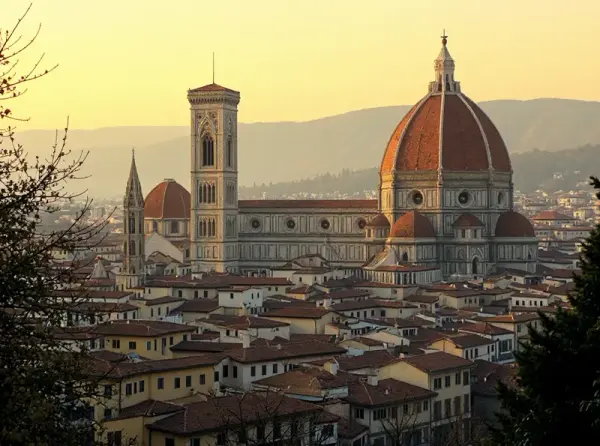
4. Cathedral of Santa Maria del Fiore (Duomo)
Florence
Stand beneath one of Europe's largest masonry domes. Climb tight stairs for sweeping city views and an up-close look at monumental frescoes.
Quick facts: A vast brick dome crowns the skyline, with masons laying over four million bricks in a herringbone pattern to make it self-supporting. Colored marble stripes on the exterior and a richly frescoed interior draw both art lovers and casual passersby.
Highlights: Filippo Brunelleschi's double-shell dome spans about 42 meters and rises roughly 91 meters above the nave, an audacious engineering feat that used no external scaffolding. Climbing 463 narrow steps rewards you with a face-to-face view of Giorgio Vasari's Last Judgment, where life-size figures and vibrant pigments fill the curved vault.
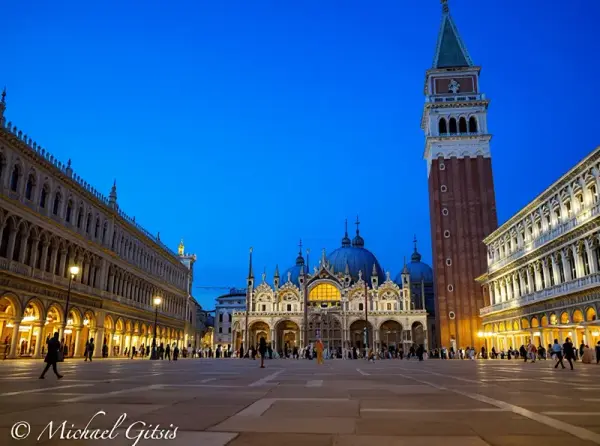
5. Piazza San Marco (St. Mark's Square) and St. Mark's Basilica
Venice
Golden mosaics and soaring views await. Wander gleaming interiors, then climb for sweeping city panoramas.
Quick facts: Mosaics blaze in gold and tiny glass tiles, catching sunlight so the interior seems to change color as you move. A wide open square doubles as a social stage, alive with cafés, pigeons, ceremonies and a nearly 100-meter bell tower watching over it all.
Highlights: A golden altarpiece called the Pala d'Oro dazzles with enamel panels and hundreds of gems, throwing jewel-bright reflections across the apse. Four ancient bronze horses carry a dramatic provenance: taken from Constantinople during the Fourth Crusade, they still stand above the main balcony as silent witnesses.
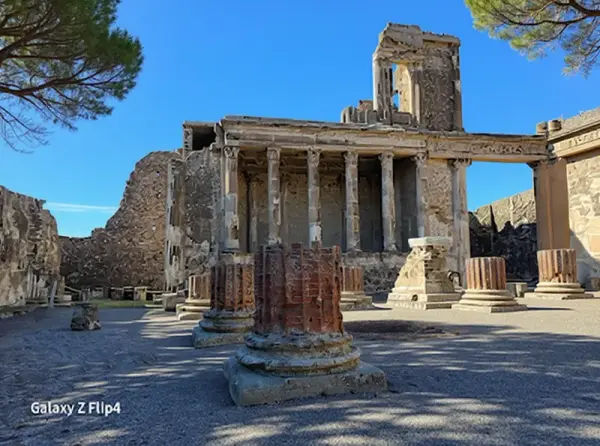
6. Pompeii Archaeological Site, near Naples
Ancient streets frozen under ash make history shockingly immediate. Stroll past mosaics, ovens and plaster casts.
Quick facts: Walking the streets reveals preserved frescoes, mosaics and carbonized loaves, offering an uncanny freeze-frame of daily life. Volcanic ash entombed homes and public spaces, and archaeologists have recovered more than 1,150 plaster casts of people caught in the eruption.
Highlights: Step into a street where a bakery still holds dozens of carbonized loaves, and an amphitheatre once seated around 20,000 spectators. A floor mosaic nearly six by three meters, called the Alexander Mosaic, once graced the grand reception room of the House of the Faun.
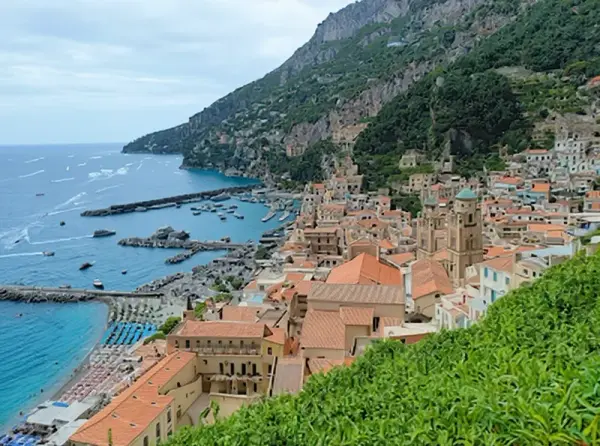
7. Positano
Amalfi Coast
Sun-drenched cliffside views that reward a little effort. Pastel houses, pebble beaches, and lemon-scented alleys to wander.
Quick facts: Cliffside houses spill down to a pebbly main beach, linked by a maze of steep stairways and sun-soaked terraces that invite slow wandering. Bright majolica tiles and the citrus scent in the air reveal a long local love of ceramics and lemons that still flavors daily life.
Highlights: A 13th-century Byzantine icon of the Black Madonna sits inside the town church, beneath a famously yellow-and-green majolica dome that pops in photos. Every August 15 locals stage a lively sea procession and fireworks from the harbor, filling the air with music, incense, and grilled-fish aromas.
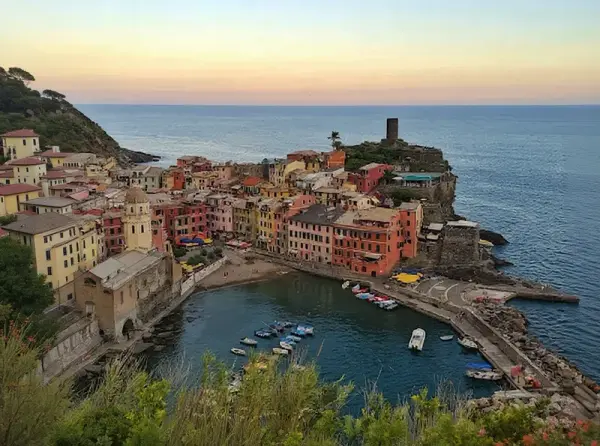
8. Vernazza, Cinque Terre (Liguria)
Liguria
Colorful harbor scenes and cliffside trails make it worth the trip. Expect sunlit alleys, sea-spray views, and fresh seafood stalls.
Quick facts: Sunlight slaps pastel facades and turns the tiny harbor into a living watercolor, perfect for slow wandering with a scoop of gelato. Local fishermen still haul nets at dawn and laughter fills the main piazza as cafés set out tables by midmorning.
Highlights: A U-shaped harbor shelters roughly 25 wooden fishing boats, arranging a living postcard of color and reflections you can photograph from the harbor steps. Each August 15 residents parade a 17th-century Madonna statue through the alleys before family-run fireworks light the sea, a tradition that brings neighbors together and fills the night with bonfire smoke and song.
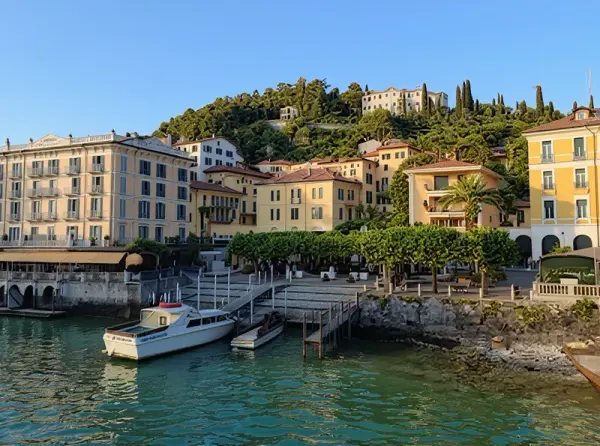
9. Bellagio
Lake Como
A pretty lakeside tip where pastel streets meet grand gardens. Expect boat rides, panoramic terraces, and scoops of gelato by the water.
Quick facts: Perched where two branches of the lake split, the town feels like a postcard full of pastel facades and bobbing boats. Narrow alleys conceal artisan shops, elegant villas with manicured gardens, and cafés that serve espresso with sweeping water views.
Highlights: Morning light often reveals terraced gardens with sculpted statues and centuries-old plane trees, while a short ferry hop to neighboring villages takes about 15 to 25 minutes. Local gardeners still tend camellias and magnolias by hand, and the lakeside promenade hosts an annual boat regatta that draws colorful traditional wooden boats and cheering locals.
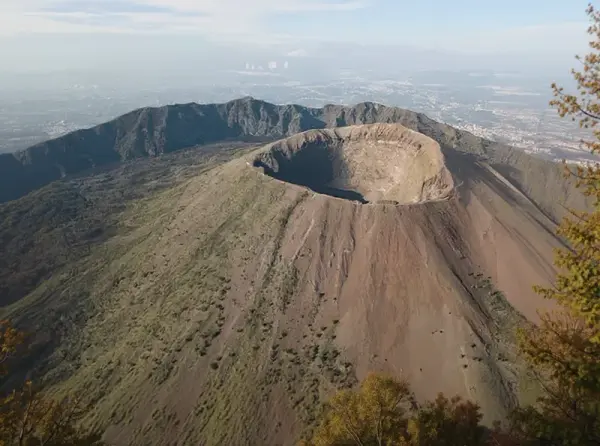
10. Mount Vesuvius, near Naples
Epic crater views reward the climb. Steamy fumaroles, pumice trails and sweeping bay panoramas.
Quick facts: A dramatic volcanic cone towers over the bay, with trails that cut through loose scoria and fragrant Mediterranean scrub. Occasional puffs of steam and a faint sulfur tang remind visitors the mountain still brews power beneath its slopes.
Highlights: Guides love to point out that ash from the 79 AD eruption preserved entire streets and frescoes in nearby buried towns, so the crater feels like an active, touchable chapter of ancient history. Local vintners cultivate Lacryma Christi grapes on the lower slopes, producing a mineral, slightly smoky wine that tastes of volcanic soil.
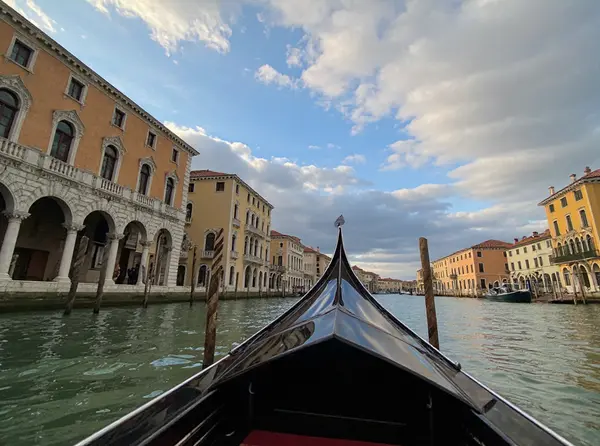
11. Gondola Ride
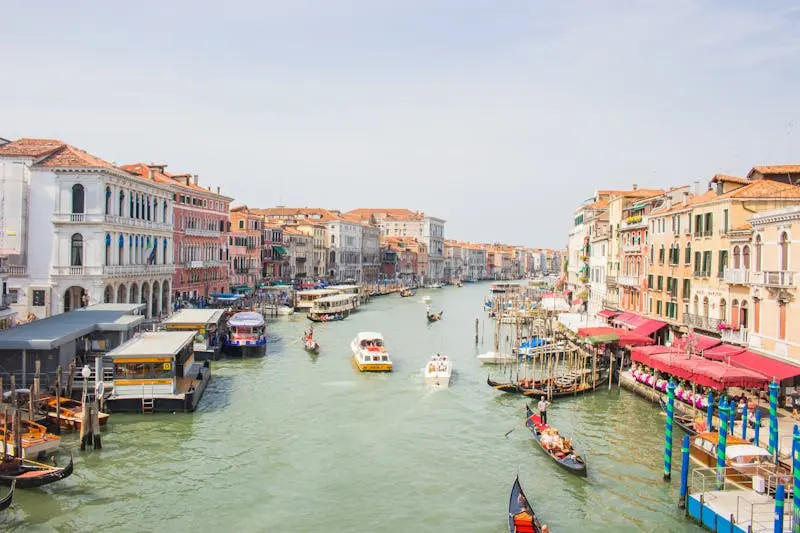
Romantic glide through twisting waterways. Drift past ornate bridges, palaces, and quiet reflections.
Quick facts: Wooden boats glide through narrow waterways, steered by a single oarsman balancing at the stern. Riders often travel only a few hundred meters per trip, while a typical 30-minute ride commonly costs around €80–€120 depending on time and route.
Highlights: A single oarsman may belong to a tight guild of roughly 400 licensed professionals, some training in formal schools where rhythm and technique are tested to exacting beats. Hulls are subtly asymmetrical, offset to counter the rower’s weight, producing that elegant sideways glide and mirror-like reflections under low bridges.
Where to Stay in Italy
Selected by City Buddy based on guest reviews and proximity to top attractions
Search all hotels in ItalyPowered by agoda
Traditional Sweet Dishes
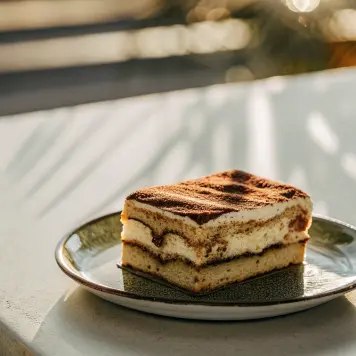
Tiramisu
Tiramisu was created in Treviso in the 1960s, its name means "pick me up" because of the coffee and mascarpone that revive the palate.

Cannoli
Cannoli come from Sicily, where fried pastry tubes are filled with sweet ricotta and were originally made as a celebratory treat for Carnevale.
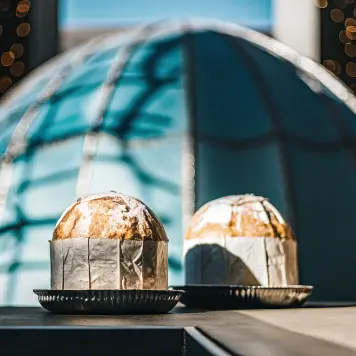
Panettone
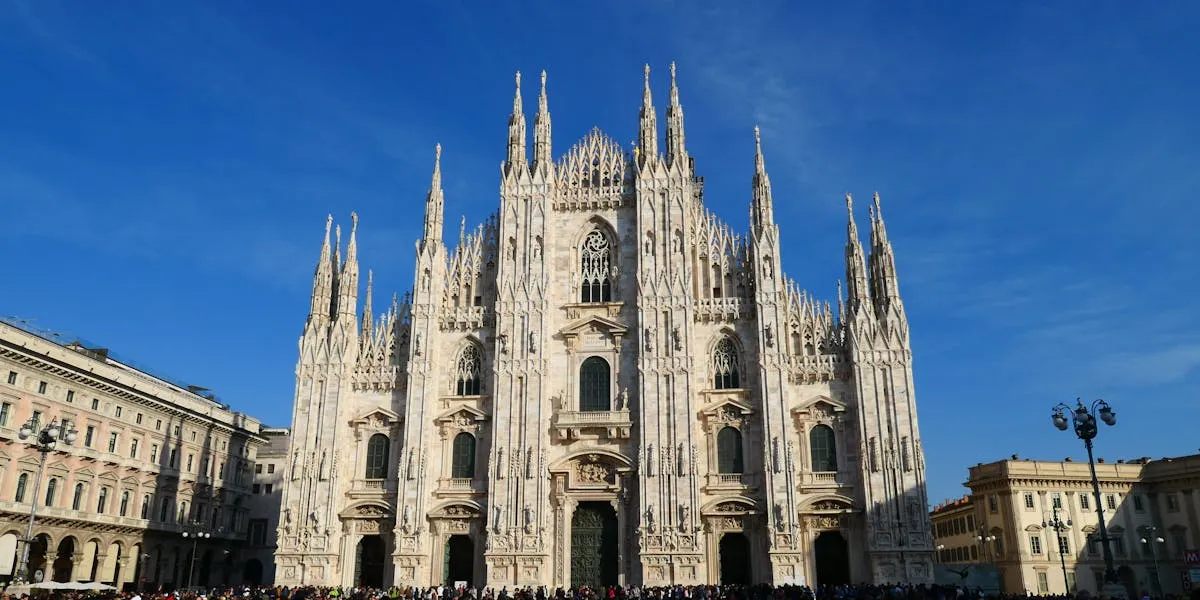
Panettone is a tall, dome-shaped sweet bread from Milan, made with natural yeast and a long rising that gives it a light, airy crumb studded with candied fruit.
Traditional Savory Dishes
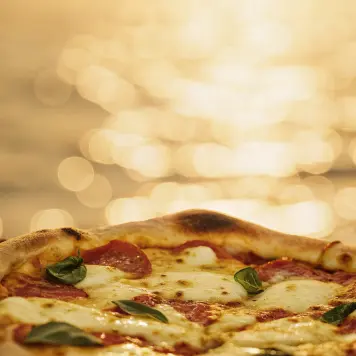
Pizza
Modern pizza was born in Naples, and the Margherita was famously created for Queen Margherita in 1889 with tomato, mozzarella and basil to mirror the Italian flag.
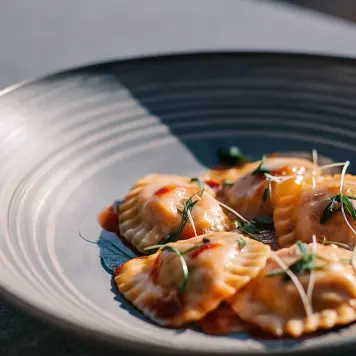
Pasta
Italy has more than 300 traditional pasta shapes, and each shape is designed to cling to particular sauces so texture and sauce work together in every bite.
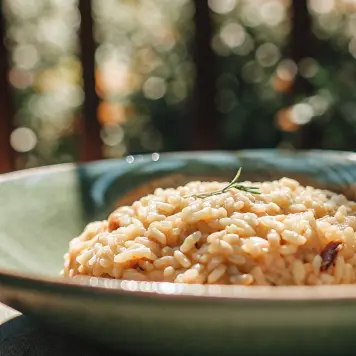
Risotto
Risotto relies on starchy short-grain rice like Arborio or Carnaroli, cooked slowly so the grains release starch and create a luxuriously creamy texture without adding cream.
Traditional Beverages

Espresso
Espresso, whose name means "pressed out", is brewed under high pressure to concentrate flavors and create a golden crema that top aficionados prize.

Limoncello
Limoncello hails from the Amalfi Coast and Sorrento, and it is made by steeping lemon zest in neutral spirit then sweetening the extract for a bright, icy digestif.

Grappa
Grappa is a pomace brandy distilled from the skins and seeds left after winemaking, it began as a rustic farmhouse drink and now comes in refined, aged varieties.
Frequently Asked Questions about Italy
What is the best time to visit Italy?
Is Italy expensive for travelers?
How is public transportation in Italy?
Is tap water safe to drink in Italy?
How many tourists visit Italy each year?
Get a PDF with the most popular attractions sent to your email
Get a PDF with all attractions, ratings, and tips. Perfect for offline use.
Most popular day trips
Florence
Renaissance art and architecture — Uffizi, Duomo and Ponte Vecchio.
Naples & Pompeii
Historic Naples and the archaeological site of Pompeii nearby.
Tivoli
Villa d'Este gardens and Hadrian's Villa — grand historic villas.
Ostia Antica
Well-preserved ancient port ruins — quieter than Pompeii.
Rent a car in Italy
Getting there
Train stations
High-speed connections to Milan, Florence, Naples; regional lines
High-speed to Rome, Venice, Turin; international links
Regional and high-speed links to Milan, Padua; access to islands
Use high-speed trains (Frecciarossa/Italo) for intercity travel; Leonardo Express from FCO to Termini.
Click to get eSim for Italy
The easiest and most affordable way to get mobile internet wherever you travel.
Visa & entry
EU/EEA, USA, Canada, UK, Australia, New Zealand, Japan, South Korea, Israel, many Latin American countries
Citizens of several countries including India, China, Nigeria, many African and some Asian countries typically need a Schengen visa
Have onward/return ticket and Schengen-compliant travel medical insurance on arrival.
Useful information for Italy
Overview for Italy
Most popular itineraries for Italy
Browse trip plans created by other travelers
Comments (8)
Buy intercity train tickets early, IC and Frecce fares drop a lot in advance, local trains are fine without reservations.
Coastal towns were unreal, but regional trains ran late a few times. Two weeks felt rushed, aim for 10 days per region to relax.
Got sunburned in late May, weather is finicky in spring. People are warm, but pickpocket risk higher in crowded metros.
Italy blew my expectations, food every day was incredible, cities crowded in July, budget more for food and museums than you think.
Check museum websites, many offer free entry days or timed slots, book popular galleries weeks ahead to avoid queues.