 CityBuddy
 English
Things to Do in Bagerhat, Bangladesh
Photo made by Tonmoy Bhakta on Pexels.com
When to visit
Most popular attractions in Bagerhat, Bangladesh
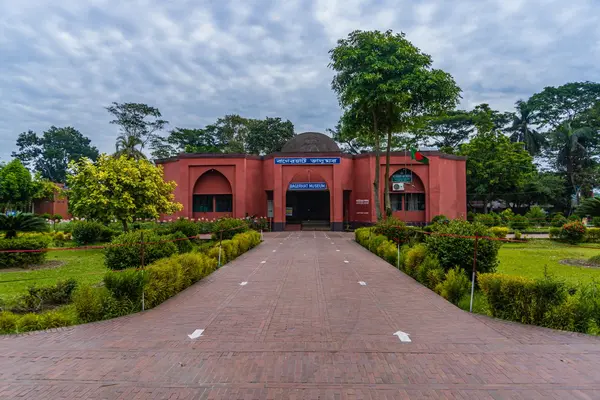
When asked about the best things to do in Bagerhat, Bangladesh, Sixty Dome Mosque (Shat Gambuj Masjid) is the first answer. This massive 17th-century mosque with 81 domes impresses with its brick architecture. Right next to it lies Bagerhat Museum, which displays local artifacts, while the Mausoleum of Khan Jahan Ali a few hundred meters away provides insight into the city's founder.
1. Sixty Dome Mosque (Shat Gambuj Masjid)
Shat Gambuj Masjid
One of the world's largest brick mosques hides in a quiet village. Here you feel the whisper of history among 60 pillars and 81 domes.
Quick facts: Over 60 domes crown the roof of this enormous mosque from the 1400s, but there are actually 81 small domes inside. The thick walls and 60 pillars create an incredibly cool atmosphere, even under Bangladesh's scorching sun.
Highlights: The secret lies in the walls: over 2 meter thick brick absorbs the day's heat and radiates it at night, so the floor remains pleasantly cool. Each of the 60 pillars is placed with mathematical precision, so the light falls just right through the narrow arches, creating a shifting pattern of shadows and sun throughout the day.
2. Bagerhat Museum
Travel 600 years back in time and experience the stories behind Khan Jahan Ali's mosque city. Explore among rare coins, terracotta art, and ancient stone inscriptions that reveal a lost sultanate culture.
Quick facts: The museum houses an impressive collection of over 400 rare coins, some dating all the way back to the sultanate period of the 13th century. Here you come face to face with original terracotta plaques that were rescued from the crumbling walls of mosques.
Highlights: Get up close to the exquisite terracotta reliefs depicting warriors on horseback and dancing women. They are over 600 years old, but the details are as sharp as if they were made yesterday. One of the most fascinating objects is an old cannon with Arabic inscriptions that tells a story of seafaring and warfare in medieval Bengal.
3. Mausoleum of Khan Jahan Ali
Step inside a 600-year-old brick tomb where prayers still echo daily. Feel the cool, dark stillness under a single dome while history and devotion merge around you.
Quick facts: The 15th-century brick tomb of Khan Jahan Ali, a Muslim saint and general, anchors a complex that includes a single-domed mosque and a giant tank. Its dark red terracotta bricks have survived centuries of monsoon rains without any cement, held together by a lime and molasses mortar.
Highlights: The massive stone sarcophagus inside sits alone in the cool, dim interior while dozens of bats cling to the ceiling above, their chatter echoing off the bare brick walls. Visitors often end up sharing the space with locals who come to pray and offer small tributes, so the site pulses with living devotion rather than feeling like a museum piece.
4. Nine Dome Mosque
A 15th-century architectural marvel where 60 pillars hold nine domes aloft. Feel the cool brick under bare feet and trace carved terracotta patterns that have survived five centuries.
Quick facts: This 15th-century structure features nine domes arranged in three rows, a rare layout for a mosque of its era. Its 60 thick pillars carry the entire roof without any central dome support, and the terracotta brickwork shimmers gold in late afternoon light.
Highlights: Walk inside and you'll find 60 slender pillars supporting the roof in tight grid formation, each one hand-carved from local brick and mortar. The mosque's nine domes sit in a perfect 3x3 pattern, but the real trick is that none of them touch the walls, creating a floating canopy effect that feels impossibly modern for its age.
5. Zinda Pir Mosque
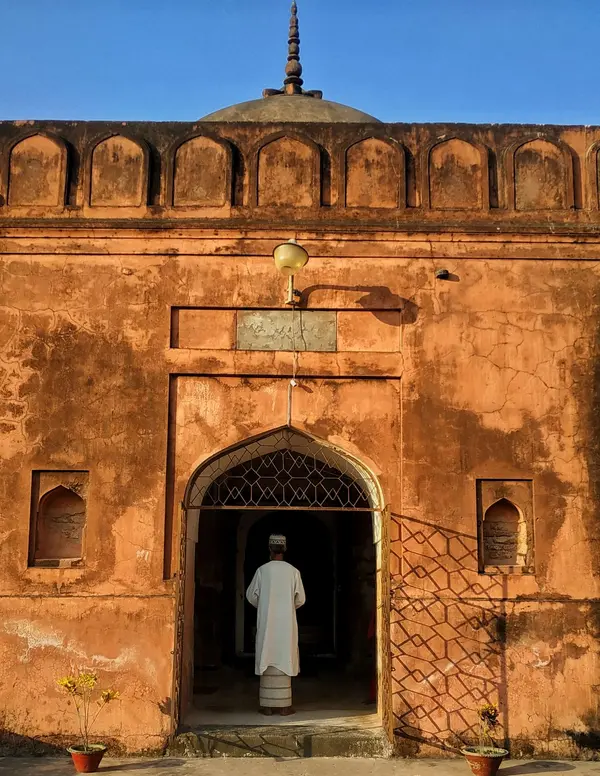
A quiet brick jewel among Bagerhat's grand monuments. Visitors find intricate terracotta carvings and a living prayer space that still hums with daily life.
Quick facts: Zinda Pir Mosque stands in the heart of Bagerhat's historic mosque district, a UNESCO World Heritage area. Its single-domed brick structure follows the classic Sultanate style with terracotta ornamentation.
Highlights: Unlike the massive Sixty Dome Mosque nearby, this one is intimate and personal, with walls that carry intricate floral relief work in weathered terracotta. The squat, domed silhouette feels almost sculptural, and locals still gather here for prayers, connecting you directly to seven centuries of continuous worship.
6. Ronbijoypur Mosque
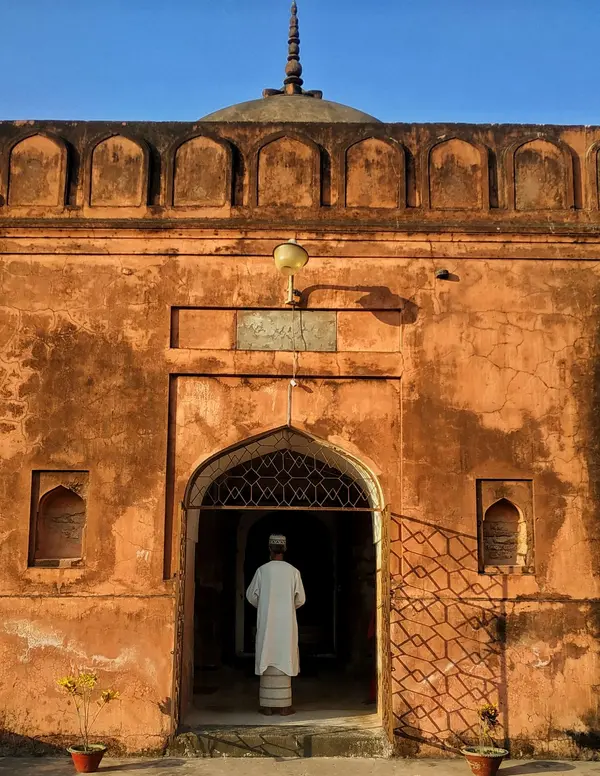
One of Bangladesh's most fascinating mosques hides here with 15 domes rising like waves toward the sky. Walk through the old wooden gates and into a quiet courtyard where time stands still.
Quick facts: With its 15 terrain-shaped domes, it looks like a living creature unfolding across the landscape. Only 6 kilometers north of Bagerhat's historic mosque city lies this architectural gem from the 15th century.
Highlights: Imagine a mosque that does not have one or two domes, but 15 of them, all arranged in a geometric pattern that captures the afternoon light in a very special way. Each dome has its own subtle angle, so the shadows dance differently across the brickwork depending on where the sun is.
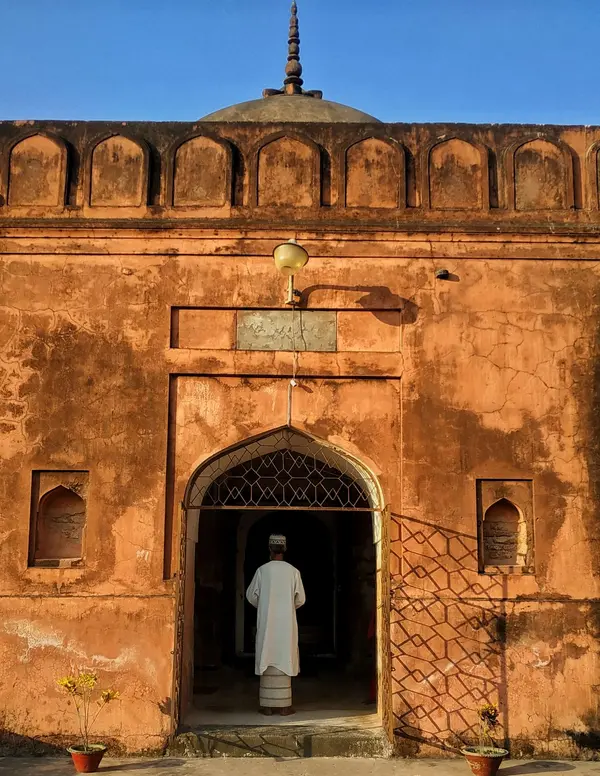
7. Chunakhola Mosque
A quiet slice of 15th century Bengal covered in hand-molded terracotta art. Wander the small prayer hall and trace the brick patterns that have survived over 500 monsoon seasons.
Quick facts: This 15th century mosque uses a distinctive combination of terracotta bricks and curved Bengali roofs that set it apart from other Sultanate-era structures in the region. Its single domed prayer hall can hold roughly 30 worshippers at a time, making it one of the more intimate surviving monuments in Bagerhat.
Highlights: Unlike the more famous Sixty Dome Mosque nearby, this structure carries a small crescent moon finial on its dome that most visitors walk right past, so close your eyes and imagine the original glazed tiles that once covered its exterior walls. The curved eaves mimic the shape of a traditional village hut, a rare surviving example of how local builders blended folk architecture with royal mosque design.
Where to Stay in Bagerhat, Bangladesh
Selected by City Buddy based on guest reviews and proximity to top attractions
Search all hotels in Bagerhat, BangladeshPowered by agoda
Opening days in Bagerhat, Bangladesh
Which of the top sights close on which day of the week — the classic trip-ruiner, checked for you.
Sunday: 1 of 5 top sights closed — plan museums for another day.
Closed on Sunday · 1 closed, 4 open
Opening days from Google Maps (checked 2026-06-13). Public holidays, strikes and seasonal hours can differ — check the official website before you go.
Traditional Sweet Dishes

Patishapta Pitha
Patishapta Pitha is a traditional Bengali rice flour crepe rolled with a coconut and jaggery filling, often enjoyed during the winter harvest festival of Poush Parbon.

Chomchom
Chomchom is a popular Bengali sweet made from fermented milk and sugar syrup, and Bagerhat is known for its unique local variations of this classic treat.

Malai Kachagolla
Malai Kachagolla is a soft, milky sweet cheese dessert originating from the region near Bagerhat, particularly famous in the adjacent town of Nokla.
Traditional Savory Dishes

Shorshe Ilish
Shorshe Ilish is hilsa fish cooked in a rich mustard gravy, and it is considered a national treasure in Bangladesh, especially cherished in the riverine areas of Bagerhat.

Bhuna Khichuri
Bhuna Khichuri is a fragrant risotto-like dish of rice and lentils slow-cooked with warm spices, traditionally served during rainy days and religious festivals across Bagerhat.

Chingri Malai Curry
Chingri Malai Curry is a creamy prawn curry made with coconut milk and mild spices, a signature coastal dish from the Sundarbans region near Bagerhat.
Traditional Beverages

Ghol
Ghol is a refreshing traditional buttermilk drink lightly spiced with salt, ginger, and green chili, commonly enjoyed in rural Bagerhat to beat the heat.

Tal Sharbat
Tal Sharbat is a sweet and cooling drink made from the sap of the date palm tree, a seasonal favorite harvested in the winter months across the Bagerhat district.

Laban
Laban is a traditional Bengali salted yogurt drink, often flavored with mint or roasted cumin, that aids digestion and is widely consumed in Bagerhat's countryside.
Frequently Asked Questions about Bagerhat, Bangladesh
Is Bagerhat, Bangladesh safe to travel to?
How many days should I spend in Bagerhat, Bangladesh?
What is the best time to visit Bagerhat, Bangladesh?
Is Bagerhat, Bangladesh expensive to travel to?
How do I get around Bagerhat, Bangladesh?
Get a PDF with the most popular attractions sent to your email
Get a PDF with all attractions, ratings, and tips. Perfect for offline use.
Most popular day trips
Sundarbans Mangrove Forest
World's largest mangrove forest and UNESCO World Heritage site.
Khulna City
Major city with markets, museums, and the Khulna Divisional Museum.
Sixty Dome Mosque (Shat Gambuj Masjid)
Historic 15th century mosque and UNESCO site in Bagerhat itself.
Chandramahal
Historic palace ruins with scenic river views near Bagerhat.
Getting there
Airports
Train stations
Khulna to Bagerhat line, connecting to Dhaka and other major cities.
From Dhaka, take a bus or train to Khulna (5-6 hours), then a local bus or car to Bagerhat (45 minutes). Local rickshaws are common for getting around.
Useful information for Bagerhat, Bangladesh
Overview for Bagerhat, Bangladesh
Want a day-by-day plan for Bagerhat, Bangladesh? Open the trip planner
Plan your perfect trip to Bagerhat, Bangladesh
Get a complete travel plan built just for you in under 30 seconds, with daily routes, local food tips, budget estimates and more.
Are any of these especially important to you?
Select all that apply
Getting around
How do you want to move between places?
Plan language: English