 CityBuddy
 English
Things to Do in Khulna, Bangladesh
Photo made by Abdur Rahman Journalist on Pexels.com
When to visit
Most popular attractions in Khulna, Bangladesh
If you are looking for the best things to do in Khulna, Bangladesh, you cannot miss an excursion to the Sundarbans Mangrove Forest, the largest mangrove forest in the world, spanning 10,000 km2. Visit Shahid Hadis Park with its monument to the fighters and the Khulna Divisional Museum, which houses over 300 historical exhibits. These experiences provide a unique insight into the richness of the region.
1. Shahid Hadis Park
A green paradise in the middle of the city where nature tells its most beautiful story. A walk through lush greenery, a pedal boat ride on the lake, and a break from the urban hustle.
Quick facts: Spanning 37 hectares, it is home to over 400 species of plants, including rare tropical species. The park is a favorite spot for daily walkers, and it also features a lake with pedal boats that attracts families on weekends.
Highlights: Hidden within the park is a small botanical corner with a collection of rare palms, where you can see species over 50 years old. Particularly interesting is the avenue of giant banyan trees, whose aerial roots create natural tunnels for you to walk through.
2. Khulna Divisional Museum
The richest collection of cultural treasures of southern Bangladesh awaits you. Immerse yourself in thousands of years of history through objects of ceramic, metal, and textile.
Quick facts: Over 10,000 items are kept here that depict the rich cultural heritage of southwestern Bangladesh. The collection includes everything from ancient Hindu sculptures to objects from the British colonial era.
Highlights: Among the exhibits is a rare collection of 18 silver coins from the Mughal Empire, minted in a local mint that operated for only 12 years. Also particularly interesting is a room dedicated to fishing in the Sundarbans region, where you can see traditional wooden boats over five meters in length.
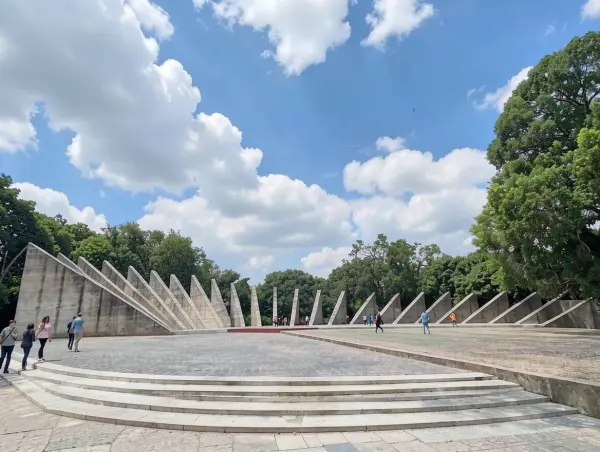
3. Mujibnagar Memorial Complex
The only place where a country was secretly born. You walk a grassy path to an underground bunker where the fates of millions of people were hidden.
Quick facts: Here, on April 17, 1971, the oath of the first interim government of Bangladesh was taken, and the location was a closely guarded secret until the day of the ceremony. Spanning 23 hectares, the complex preserves the memory of the nine-month war for independence that changed South Asia.
Highlights: Underground, there is a 300-meter-long system of tunnels through which leaders fled to India while bombers dropped bombs above them. The stairs leading to the underground bunker are still slippery from moisture, and visitors touch them with their hands, feeling the coldness of the concrete that kept the secret.
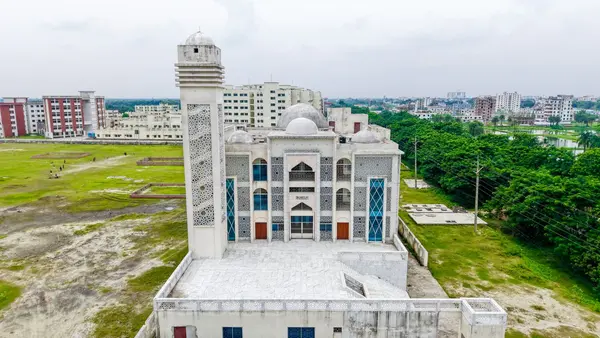
4. Nirala Mosque
The only mosque in the world with 70 hand-built terracotta domes. You will smell the scent of damp brick and the silence echoing under each one.
Quick facts: With 70 domes and about a dozen minarets, this mosque is unique in all of Bangladesh. It is made of terracotta and handmade bricks, and each dome has a different decorative motif.
Highlights: When you stand under the central dome and look up, you will see that none of the 70 domes are the same: each has its own geometric pattern drawn by hand. Local craftsmen embedded over 25 different Islamic motifs directly into the brick, without using a single drop of paint.
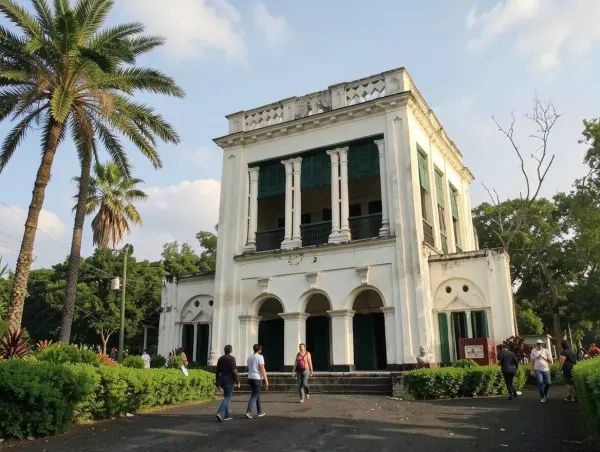
5. Rabindra Complex
One place in Bangladesh where you feel the soul of a Nobel laureate through a tree he planted himself. You walk through rooms with original furniture, while the scent of old wood and tropical fruit lingers in the air.
Quick facts: The complex is home to the former estate of Nobel laureate Rabindranath Tagore, with a dilapidated yet poetic atmosphere that you feel the moment you step into the courtyard. The wooden furniture and objects from the original household still stand exactly as they were left, built in the 1920s.
Highlights: In the courtyard grows a mango tree that Tagore personally planted in 1926, and its fruits still fall on the same ground where the poet walked. Every February, local children sing his songs right on the spot where he sat and wrote, and that sight leaves you breathless.

6. Gollamari Memorial
A place of silence that speaks louder than any monument. Walk along a path lit by 71 lamps and feel the weight of history surrounding you.
Quick facts: This memorial was erected in honor of the victims of the massacre that took place in 1971 during the Bangladesh Liberation War. On the site of a former school, there is now a museum with photographs and personal belongings of the deceased.
Highlights: The walls inside the memorial are covered with handprints of the survivors and families of the victims, each unique and personal. At night, 71 lamps illuminate the path to the monument, symbolizing the year 1971 and creating an almost eerie atmosphere of silence and remembrance.
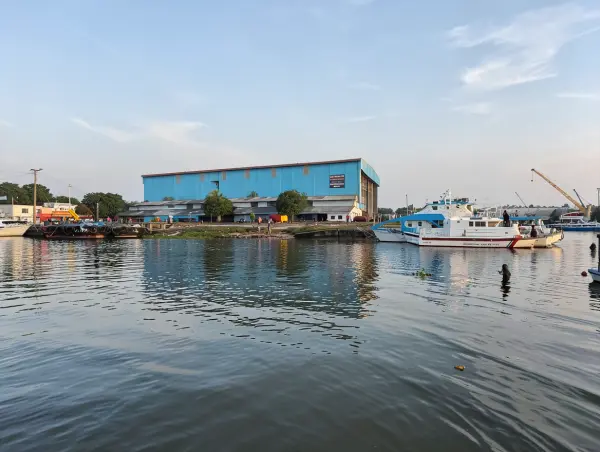
7. Khulna Shipyard
Here you can see how ships are born from iron ribs, literally. Walk between ship skeletons, smell the scent of oil and hot metal, and watch craftsmen weld steel plates.
Quick facts: A former shipyard from the British colonial era, today it is one of the oldest active shipyards in the region. Spanning over 60 hectares, master craftsmen here build and repair over 20 ships per year, from small fishing vessels to large cargo ships.
Highlights: Imagine the clatter of hammers echoing through old steel hangars while metal shavings crunch under your feet. That is the soundtrack that has not changed since 1957. In secret workshop number 7, master craftsmen still use riveting techniques for ship plates that have died out in most world ports.
8. Shilaidaha Kuthibari
Step into the world of a poet who won the Nobel Prize. Walk through the rooms where immortal poems were created and feel the breath of history at every step.
Quick facts: Tagore wrote part of his poetry here, which later brought him the Nobel Prize. The courtyard hides a well over 100 years old that has never dried up, not even in the greatest droughts.
Highlights: Imagine sitting under the old mango tree where Tagore played the harmonium and wrote verses that changed literature. His desk still stands in the same place today, and through the window you can see the exact same landscape that inspired him over a century ago.
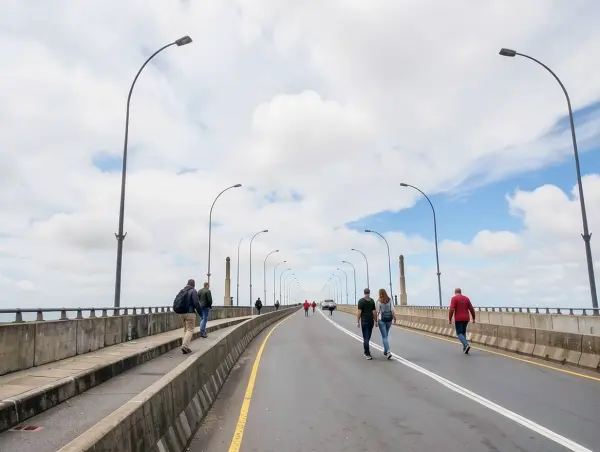
9. Khan Jahan Ali Bridge
A place where medieval engineering still stands as strong as on the first day. Walk across 610 meters of history while fishing boats glide beneath you through centuries-worn arches.
Quick facts: Stretching 610 meters across the Bhairab River, it is one of the longest bridges built in Bangladesh during the Middle Ages. Its twenty-five brick and terracotta arches still inspire admiration today, and local fishermen still fish in the shade beneath the bridge as they did centuries ago.
Highlights: People rarely know that the bridge is not just a river crossing, but part of an ancient irrigation system that channeled water to hundreds of hectares of rice fields. When you stand in the middle and look down, you will see water flowing through stone blocks that were hand-carved more than five centuries ago.
Where to Stay in Khulna, Bangladesh
Selected by City Buddy based on guest reviews and proximity to top attractions
Search all hotels in Khulna, BangladeshPowered by agoda
Opening days in Khulna, Bangladesh
Which of the top sights close on which day of the week — the classic trip-ruiner, checked for you.
Friday: 3 of 9 top sights closed — plan museums for another day.
Closed on Friday · 3 closed, 6 open
Opening days from Google Maps (checked 2026-06-14). Public holidays, strikes and seasonal hours can differ — check the official website before you go.
Traditional Sweet Dishes

Roshogolla
Roshogolla originated in the Bengal region and is a spongy cottage cheese ball soaked in light sugar syrup. Khulna is part of the greater Bengal region where this iconic sweet is beloved.
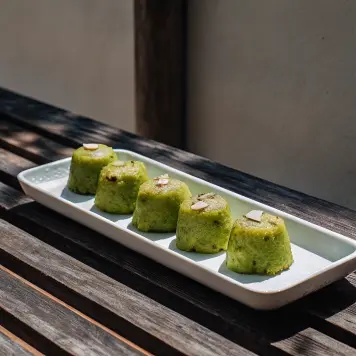
Mihidana
Mihidana is a tiny, golden, grain-like sweet made from chickpea flour and ghee, often described as the mini version of the famous "Sitabhog." It is a signature dessert from the Bengal region, including Khulna.

Patishapta
Patishapta is a thin rice flour crepe filled with coconut, jaggery, and khoya, traditionally made during the Bengali harvest festival of Poush Parbon. It is a beloved winter dessert in Khulna and across Bengal.
Traditional Savory Dishes

Shorshe Ilish
Shorshe Ilish is hilsa fish cooked in a rich mustard seed gravy, and it is considered the iconic dish of Bengal. Khulna, located near the Padma River, is famous for its fresh, high-quality hilsa fish.

Chingri Malai Curry
This luxurious dish features large prawns cooked in a creamy coconut milk sauce with gentle spices. Khulna's proximity to the Sundarbans mangrove forest provides access to some of the finest prawns in Bangladesh.

Khashir Korma
Khashir Korma is a slow-cooked mutton curry made with yogurt, ghee, and aromatic spices, popular in Khulna's festive meals. The tender meat and rich gravy make it a staple at weddings and special occasions.
Traditional Beverages

Lal Cha
Lal Cha, or red tea, is a strong, dark brew made by boiling tea leaves with sugar and spices until it turns a deep red color. In Khulna, it is commonly served in roadside stalls as an energizing daily drink.
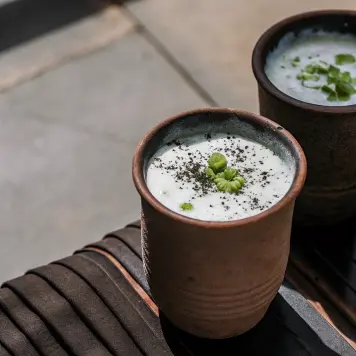
Ghol
Ghol is a traditional Bengali buttermilk drink made by churning yogurt with water, salt, and spices or sometimes sweetened with sugar. It is a popular cooling beverage in Khulna, especially during the hot summer months.

Aam Panna
Aam Panna is a tangy and refreshing drink made from raw green mangoes, mint, and cumin. This thirst-quenching beverage is widely enjoyed in Khulna during the scorching summer season to prevent heatstroke.
Frequently Asked Questions about Khulna, Bangladesh
Is Khulna, Bangladesh safe for travelers?
How many days are needed to visit Khulna, Bangladesh?
What is the best time to visit Khulna, Bangladesh?
Is Khulna, Bangladesh an expensive destination?
How to get around Khulna, Bangladesh?
Get a PDF with the most popular attractions sent to your email
Get a PDF with all attractions, ratings, and tips. Perfect for offline use.
Most popular day trips
Sundarbans Mangrove Forest
World's largest mangrove forest, UNESCO World Heritage site, home to Bengal tigers
Bagerhat (Sixty Dome Mosque)
Historic mosque city, UNESCO World Heritage site, built in 15th century
Shat Gombuj Mosque Area
Beautiful historic mosque complex with sixty domes and ancient architecture
Khan Jahan Ali Tomb Complex
Historical shrine and tomb complex of saint Khan Jahan Ali
Rupsha Bridge & River
Scenic bridge over Rupsha River with views of local boat traffic
Getting there
Train stations
Intercity and local trains connecting to Dhaka, Jessore, and Rajshahi
Regional routes and commuter lines
From Dhaka, take a 5-6 hour bus or train to Khulna. Nearest major airport is Jessore (45 km away) with domestic flights from Dhaka.
Useful information for Khulna, Bangladesh
Overview for Khulna, Bangladesh
Want a day-by-day plan for Khulna, Bangladesh? Open the trip planner
Plan your perfect trip to Khulna, Bangladesh
Get a complete travel plan built just for you in under 30 seconds, with daily routes, local food tips, budget estimates and more.
Are any of these especially important to you?
Select all that apply
Getting around
How do you want to move between places?
Plan language: English