 CityBuddy
 English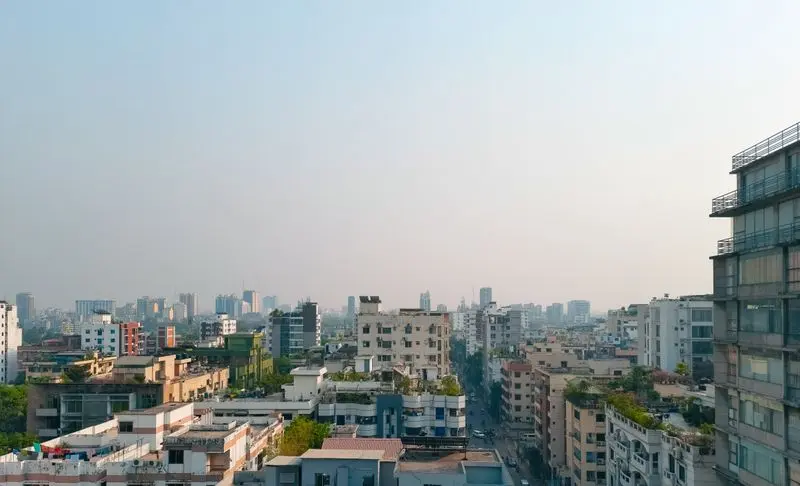
Things to Do in Dhaka, Bangladesh
Photo made by Ferdous Hasan on Pexels.com
When to visit
Most popular attractions in Dhaka, Bangladesh
When looking for things to do in Dhaka, Bangladesh, it is worth starting with the 17th-century Lalbagh Fort, whose unfinished mosque and mausoleum tell a story. Two kilometers to the south stands the pink Ahsan Manzil palace, the former residence of the Nawabs. The nearby Star Mosque (Tara Masjid) is adorned with thousands of blue mosaic stars.
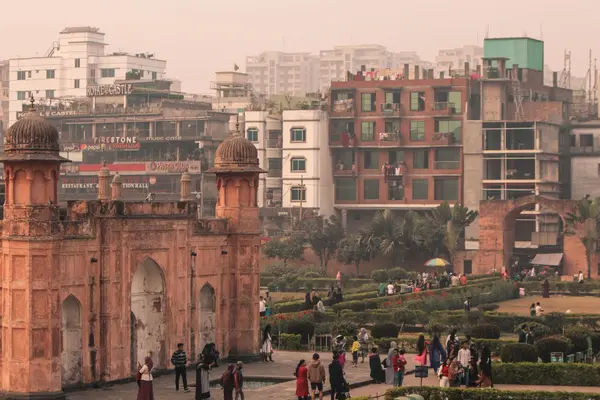
1. Lalbagh Fort
Here you will see the unfinished mausoleum of a ruler, whose construction scaffolding still stands after three centuries. Walking through this fortress, you will feel a direct connection to the past, as if time had stopped here.
Quick facts: Construction of this three-story mausoleum began in 1678, but after a year, war with Assyrian tribes forced Prince Azam to leave, and the construction was never completed. In one room, unremoved scaffolding still stands; it has been there for more than 340 years.
Highlights: A mysterious tunnel lies hidden underground, leading to the nearby river. It is said that royal family members used it for escape. In the mosque at the center, you can still see original 17th-century bricks engraved with the date 1084 according to the Islamic calendar.
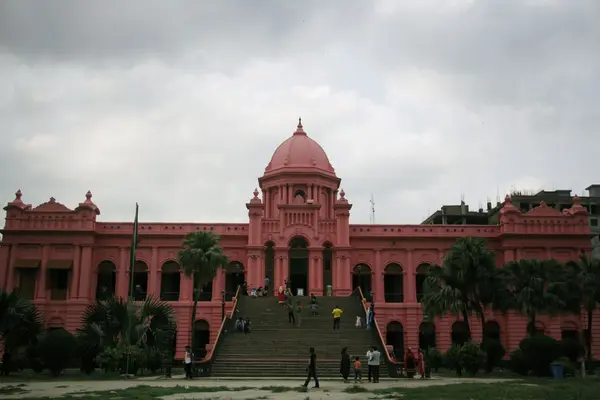
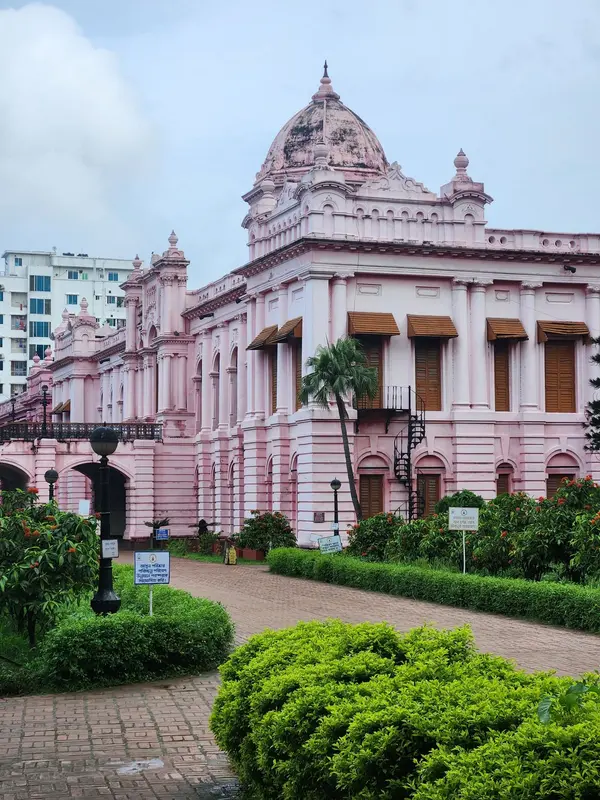
2. Ahsan Manzil
Here you will see one of the most magnificent residences of Bengal's nobles, whose pink facade reflects in the river water. You will walk through 31 rooms, see gold-decorated furniture, and feel the atmosphere of 19th century luxury.
Quick facts: The palace is situated on an 11-meter-high platform and covers an area of more than 30,000 square meters. On the second floor, there is a domed hall called "Darbar Hall," where the walls are decorated with abundant gold ornaments.
Highlights: The domed hall of this residence was so spacious that it could hold 300 guests at once, and the wind from the nearby Buriganga River brought a fresh breeze through specially designed window openings. The terraces on the roof allowed the owners to observe river life, and at night, oil lamps were lit here, shining visible for several kilometers.
3. Bangladesh National Museum
Travel through 800,000 years of human history in one place. You will smell the jungle, see a real Mughal ship, and stand before a 4.5 billion year old cosmic rock.
Quick facts: More than 800,000 exhibits reflecting the country's history from prehistoric times to the present day are kept here. In one hall you can see a 4.5 billion year old meteorite fragment and next to it a royal gilded throne.
Highlights: Only here will you see an authentic 17th century Mughal ship from the Bengal delta, pulled directly from the riverbed and restored to the smallest detail. On the lower floor there is a life-sized concrete tiger scene where a Bengal tiger attacks a doe, and recorded sounds of the Sundarbans jungle can be heard around you.
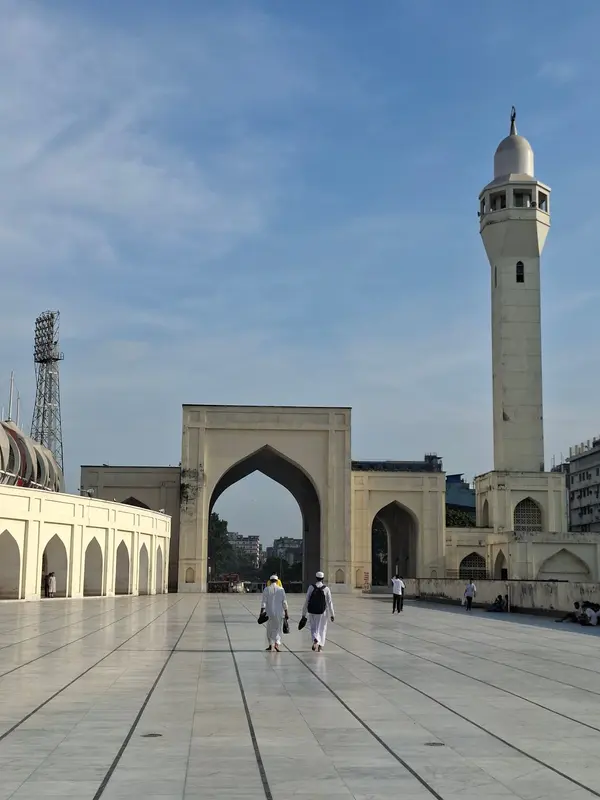
4. Baitul Mukarram National Mosque
Here you will see a unique mosque built after the example of the Kaaba. You will find soulful peace in the vast inner courtyard, surrounded by the hustle and bustle of modern Dhaka.
Quick facts: This is the largest mosque in Bangladesh, capable of holding up to 40,000 worshippers. Its unusual square shape imitates the Kaaba in Mecca, and the inner courtyard can accommodate thousands of people praying.
Highlights: When you first step through the gates, you are enveloped by a peace that contrasts with the bustling noise of Dhaka's streets. During evening prayers, 40,000 voices rise in unison toward the sky, and golden sunset light streams through the large windows.
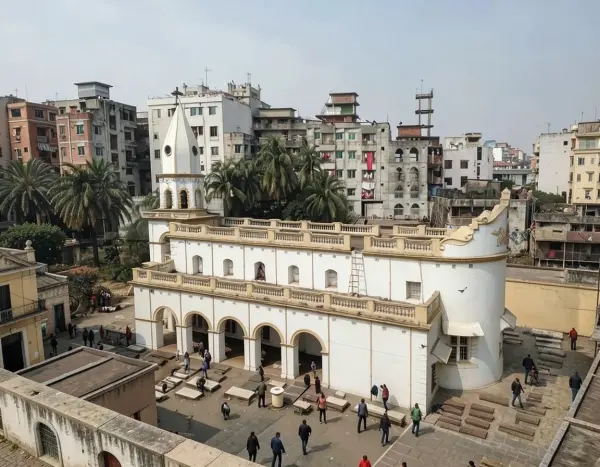
5. Armenian Church of Dhaka
A forgotten corner of Armenian heritage in the heart of Dhaka. Here you will see massive stone tombstones, ancient manuscripts, and hear the echo of silence among the columns.
Quick facts: One of the oldest churches in Dhaka, built in the 18th century by the Armenian community, which was once an influential trading force in the city. The churchyard is dotted with stone tombstones bearing Armenian inscriptions, commemorating the hundreds of Armenian merchants and their family members buried here.
Highlights: Fragments of 18th-century frescoes can still be seen on the church walls, and inside, a 200-year-old Armenian Bible is preserved. Every Sunday, Armenian liturgical hymns still echo here, even though the permanent Armenian community has long since disappeared.
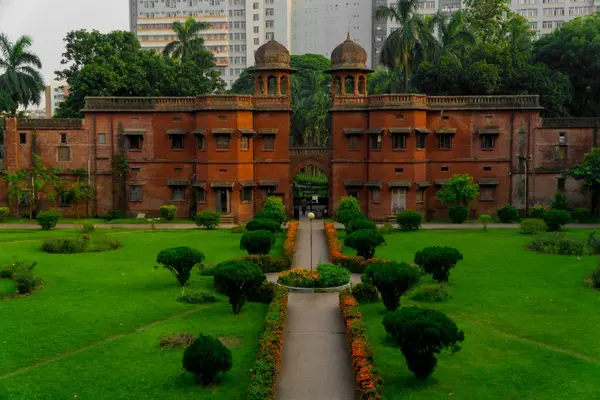
6. Curzon Hall
Here, science, history, and architecture meet under one roof. You will feel the spirit of colonial Dhaka, while hundreds of birds fly overhead.
Quick facts: This 1905 building houses the Faculty of Physics and Mathematics, and its walls remember both the British colonial past and the events of the 1952 language movement. Every year, more than 10,000 students pass through these red brick gates.
Highlights: The facade is clad in handmade terracotta bricks, which take on an amber hue in the sun. On the roof rise miniature towers, reminiscent of a magical academic castle from ancient fairy tales.
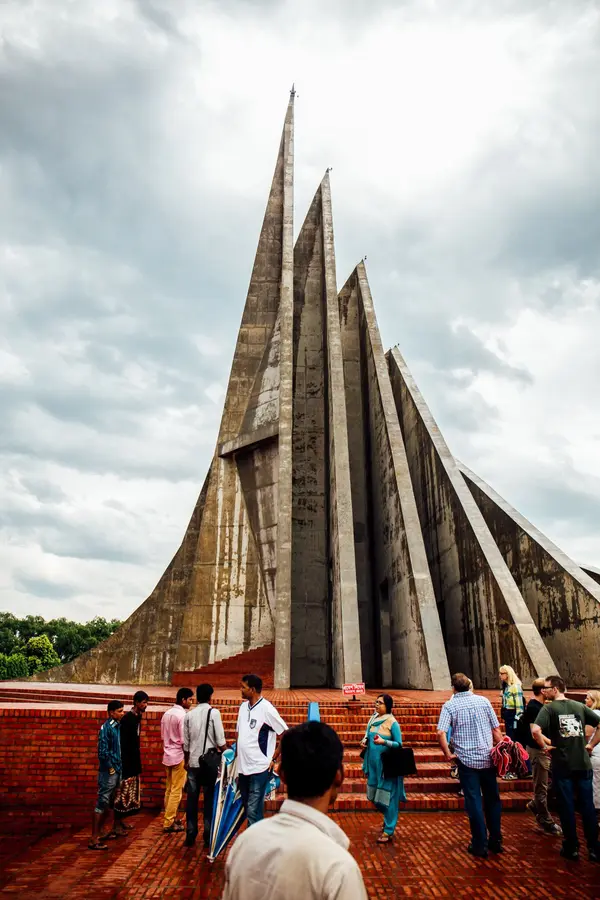
7. National Martyrs' Monument (Jatiyo Sriti Shoudho)
Jatiyo Sriti Shoudho
Discover the symbol of the country's independence, where architecture merges with nature. Here you will see a monumental structure, a mirror pond, and spacious lawns inviting contemplation.
Quick facts: This monument, rising 46 meters high, symbolizes the victims of the 1971 Bangladesh Liberation War. The seven pointed triangles of this monument reflect seven different historical stages that led to independence.
Highlights: At night, the monument seems to bathe in a sea of lights: 360-degree illumination creates the illusion that the spires rise directly from the darkness into the sky. Locals come here not only to honor the fallen, but also to sit on the lawns, watch the play of lights, and listen to the wind rustling through the metal structures.
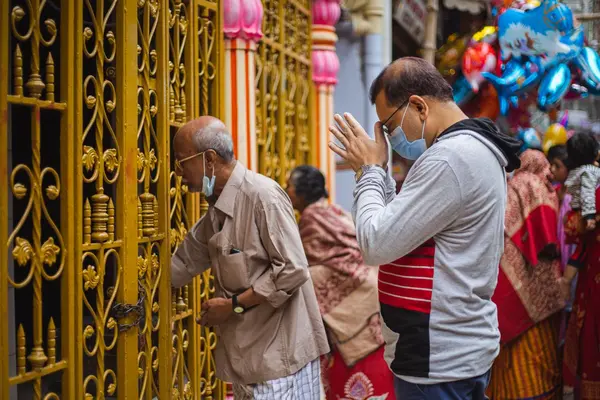
8. Dhakeshwari Temple
One of the oldest and holiest Hindu temples in Bangladesh. You will see authentic rituals, ancient architecture, and feel the pulse of spirituality in the very heart of Dhaka.
Quick facts: More than 3 million pilgrims and tourists visit here every year. The temple houses an ancient statue of the goddess Shakti, which, according to legend, appeared spontaneously from the earth.
Highlights: During the great annual Durga Puja festival, the temple fills with the light of thousands of candles, the scents of flowers, and the rhythmic sounds of drums, creating an unforgettable atmosphere. The daily morning aarti ritual with bells and hymns lets you experience a living, thousand-year-old tradition.
9. Ramna Park
The largest green oasis in the dusty capital, where the city noise falls silent behind a wall of trees. Here you will find lush avenues, a pond, and space to stroll, jog, or simply catch your breath.
Quick facts: Spread across roughly 68 acres, the green space is home to more than a thousand trees and a gleaming central lake. Each morning, thousands of regulars pour in before sunrise to jog, stretch, and gossip beneath the old banyans.
Highlights: Each Bengali New Year, crowds of thousands pack the ground beneath one towering banyan at the park's edge for open-air folk music and poetry recitals. On misty winter mornings, that same tree throws a wide shadow across the still lake while kingfishers dive for their first catch of the day.
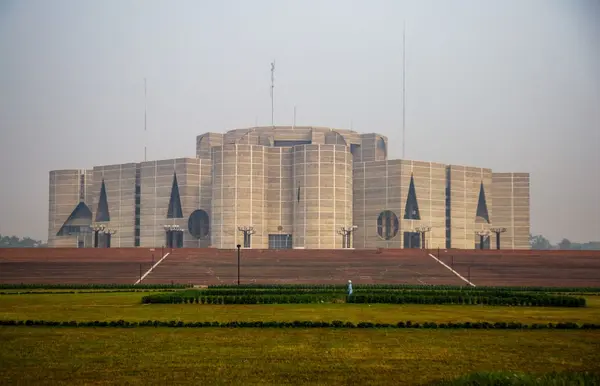
10. Jatiyo Sangsad Bhaban
Here you will see architecture found nowhere else in the world. Step into spaces where light becomes the most important element of construction.
Quick facts: Louis Kahn devoted his final twelve years to this design, and construction continued for nearly eight years more after his death before the doors opened in 1982. Geometry rules the interiors, where circles, triangles, and arches cut into the walls so daylight falls in ever-changing patterns across the floors.
Highlights: Walk the lakeside path at sunset and watch low sunlight slide through the giant circular and triangular openings, throwing shifting geometric shadows across the concrete inside. Kahn made the walls glow from within by mixing white marble dust into the pour, so the surfaces seem to breathe light instead of just reflecting it.
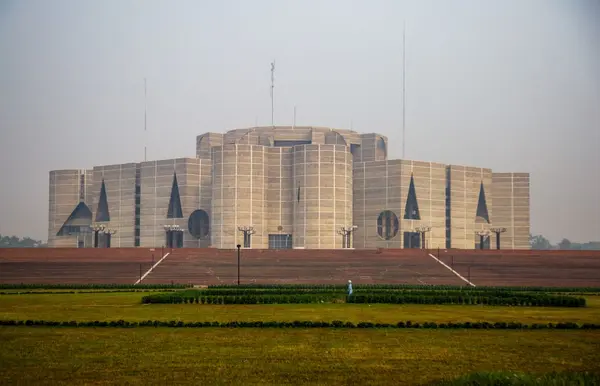
11. Jatiya Sangsad Bhaban
Here you will see one of the most ambitious architectural works of the 20th century in Asia. Stepping inside, you will experience a symphony of light and space that no other building in the world has created.
Quick facts: Legendary architect Louis Kahn spent two decades realizing this 200-acre legislative complex, long after his own death in 1974. Nine geometric halls wrap an octagonal central chamber, where circular and triangular cutouts transform passing sunlight into rotating shapes on the marble.
Highlights: Kahn literally built with light instead of ornament, slicing circular portholes and triangular openings into raw concrete so morning rays spill across the interior like honey. A massive artificial lake encircles everything, making the 155-foot-tall walls appear to drift and doubling the whole silhouette into a mirror at sunset.
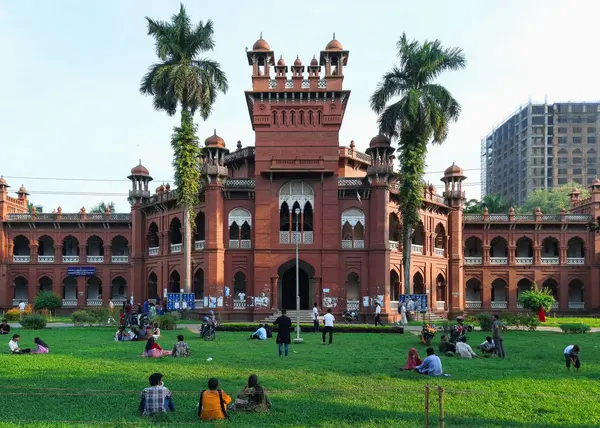
12. Dhaka University Campus
Discover the country's intellectual heart, where history and youth collide on every corner. Flower markets, old libraries, and the spirit of protest will surround you all day long.
Quick facts: Roughly 30,000 students pack its tree-lined quadrangles every day, many cycling between colonial-era red brick halls and modern block buildings. The campus birthed the 1952 Bengali Language Movement, whose fallen protesters now lend their date, February 21, to UNESCO's International Mother Language Day.
Highlights: Under the glass dome of Curzon Hall, the same red brick corridors that once housed the university's founding lectures still hold classes a century later. Walk to the leafy plaza before the Aparajeyo Bangla sculpture, and you'll see three concrete freedom fighters mid-charge, their frozen sprint facing the spot where professors were killed during the 1971 conflict.
Where to Stay in Dhaka, Bangladesh
Selected by City Buddy based on guest reviews and proximity to top attractions
Search all hotels in Dhaka, BangladeshPowered by agoda
Opening days in Dhaka, Bangladesh
Which of the top sights close on which day of the week — the classic trip-ruiner, checked for you.
Friday: 4 of 13 top sights closed — plan museums for another day.
Closed on Friday · 4 closed, 9 open
Opening days from Google Maps (checked 2026-09-15). Public holidays, strikes and seasonal hours can differ — check the official website before you go.
Traditional Sweet Dishes

Mishti Doi
Mishti Doi is a fermented sweet yogurt that is traditionally set in earthenware clay pots. The porous clay allows excess water to evaporate, resulting in a uniquely thick, creamy texture.

Roshogolla
Roshogolla is a spongy, syrup-soaked ball made from chhena (fresh cheese) and semolina. It is considered the "king of Bengali sweets" and is famously served at celebrations across Bangladesh.

Chomchom
Chomchom is an oval-shaped, syrup-soaked sweet made from milk curds and flour, often coated with coconut flakes. Its name means "kiss" in Bengali, and it is especially popular during religious festivals.
Traditional Savory Dishes

Hilsa Fish Curry (Ilish Bhapa)
Hilsa is the national fish of Bangladesh, and Ilish Bhapa is a traditional dish where the fish is steamed with mustard paste and turmeric. The dish is so beloved that the Hilsa season is celebrated with festivals across the country.

Beef Rezala
Beef Rezala is a Mughal-inspired slow-cooked curry made with tender beef and a rich, white gravy of poppy seeds, coconut, and yogurt. It is a signature dish of Dhaka served at weddings and special gatherings.

Bhorta
Bhorta is a rustic mashed dish, often made with vegetables, fish (like shutilki or dried fish), or lentils, mixed with mustard oil and green chilies. It is a staple comfort food in Bangladesh, and there is a saying that "a meal is incomplete without bhorta."
Traditional Beverages

Lassi
Lassi is a creamy yogurt-based drink, often served sweet or salty, and blended with fruits like mango. In Dhaka, it is a popular summer refreshment sold by street vendors in clay cups.
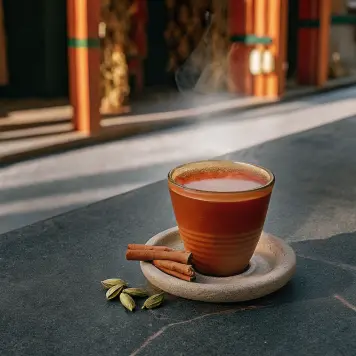
Cha (Bengali Tea)
Bangladesh is one of the world's largest tea producers, and Cha is an integral part of daily life. Dhaka's street stalls serve a distinctive "masala cha" spiced with ginger, cardamom, and cinnamon.

Borhani
Borhani is a tangy, spicy yogurt drink seasoned with mint, cumin, and black salt. It is a traditional digestive beverage served at weddings and feasts in Dhaka to complement rich, heavy meals.
Know before you go
What a day costs in Dhaka, and the rip-offs to avoid
Cost per person per day
Top rip-offs to avoid
- Overcharging at airport. Book through Uber, Pathao or the official pre-paid taxi counter inside the terminal. Agree on a fare before getting in if not using an app.
- Rickshaw fare inflation. Ask for the fare before boarding, or use Pathao or Uber where available. Know typical local fares beforehand or check the app price as a guide.
- Poor-rate exchange booths. Compare rates at multiple places, prefer bank counters, and withdraw cash from bank ATMs instead. Do not exchange large sums at the first booth.
Fair taxi from the airport: 1,000 BDT - 2,000 BDT (€7 - €14)
Cheaper option: Airport shuttle bus or the city bus routes toward Motijheel / Dhaka city centre, plus the metro rail line serving nearby stations. (60 BDT)
All scams, fair prices and rulesFrequently Asked Questions about Dhaka, Bangladesh
Is Dhaka, Bangladesh safe?
How many days should I spend in Dhaka, Bangladesh?
What is the best time to visit Dhaka, Bangladesh?
Is Dhaka, Bangladesh expensive?
How to get around Dhaka, Bangladesh?
Get a PDF with the most popular attractions sent to your email
Get a PDF with all attractions, ratings, and tips. Perfect for offline use.
Most popular day trips
Sonargaon
Historic former capital with the Folk Art Museum and Panam City ruins
Sundarbans
World's largest mangrove forest, home to the Royal Bengal Tiger
Srimangal
Tea capital of Bangladesh with lush green tea gardens and forests
Cox's Bazar
World's longest natural sea beach stretching 120 km
Bagerhat
UNESCO site with historic Sixty Dome Mosque and medieval architecture
Getting there
Airports
Train stations
Main intercity lines to Chattogram, Sylhet, Rajshahi, and Khulna
Connections to northern and western routes
From Hazrat Shahjalal Airport, take a pre-paid taxi or ride-sharing service about 45 minutes to central Dhaka.
Useful information for Dhaka, Bangladesh
Overview for Dhaka, Bangladesh
Want a day-by-day plan for Dhaka, Bangladesh? Open the trip planner
Plan your perfect trip to Dhaka, Bangladesh
Get a complete travel plan built just for you in under 30 seconds, with daily routes, local food tips, budget estimates and more.
Are any of these especially important to you?
Select all that apply
Getting around
How do you want to move between places?
Plan language: English