 CityBuddy
 English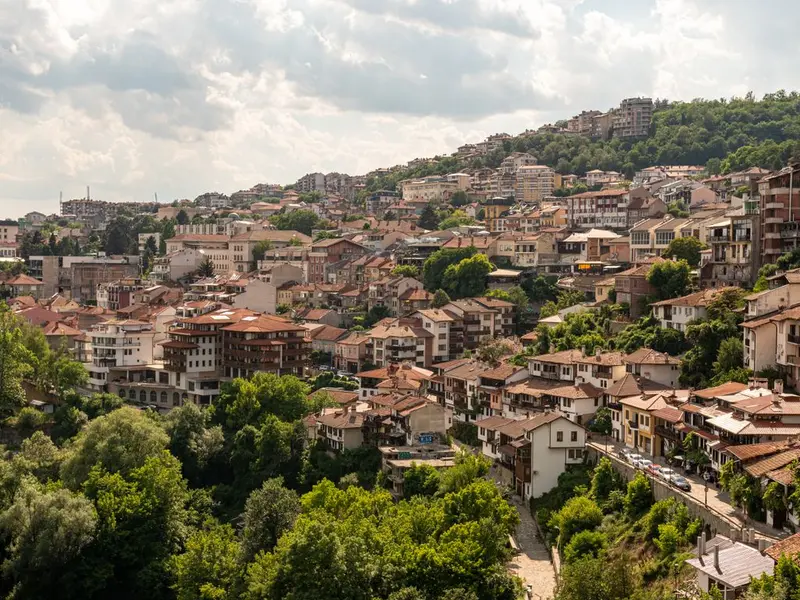
Tourist scams and rip-offs in Bulgaria: how to avoid them
Photo made by Bogdan Giurca on Pexels.com
Bulgaria is generally safe for tourists, though petty theft and pickpocketing occur in busy tourist areas and on public transport. The main watch-outs are unofficial taxi drivers at Sofia Airport, poor-rate exchange booths, and overcharging in restaurants near landmarks. Pay and withdraw in euros, use official taxis or apps, and validate your transit ticket.
Updated September 2026
Common scams in Bulgaria and how to avoid them
1. Unofficial airport taxi drivers
How it works: Drivers approach travellers inside the arrivals hall and quote a fixed high fare without a meter. Some use rigged meters or take longer routes to inflate the price.
How to avoid it: Use the official taxi rank outside or book through a licensed app. Confirm the fare before the ride.
2. Poor-rate exchange booths
How it works: Street exchange booths advertise a good rate but apply hidden fees, minimums or a poor buy-sell spread, leaving you with far fewer euros.
How to avoid it: Avoid central exchange booths. Withdraw cash from a bank-attached ATM or pay by card instead.
3. Menu without prices
How it works: Some restaurants near landmarks serve dishes with no prices shown and then bill a much higher amount, sometimes adding a service charge at the end.
How to avoid it: Only order where prices are printed. Ask about any service charge before ordering.
4. Pickpocketing in crowds
How it works: Thieves work in busy areas, using distraction or crowding to lift wallets and phones from pockets and bags on trams, metros and in markets.
How to avoid it: Keep bags closed and in front of you. Avoid keeping valuables in back pockets in crowds.
5. Unauthenticated private minibuses
How it works: Unlicensed drivers posing as public marshruktas or airport shuttles charge inflated prices on routes not actually served.
How to avoid it: Use official metro, city buses or licensed taxi apps only. Check the route before boarding.
Official tickets for the top sights in Bulgaria
Skip street sellers: book official tickets and tours with free cancellation.
From the airport to the city centre
Sofia Airport (SOF)
Fair taxi price (official, daytime): €10 - €20. Use the official taxi rank or a licensed app (Bolt, Yandex.Taxi, TaxiMe). Agree on the fare or insist the meter is on before departure. Refuse drivers who approach you inside the arrivals hall.
Best alternative: Metro line M1 or M2 into central Sofia, or the airport bus (€1.60, about 30 min)
Public transport: tickets, validation and fines
- Single ticket
- €1.60 (Single metro/tram/bus ticket (approx 60 minutes))
- Validation rules
- Buy a ticket at metro station machines, kiosks or the official app, then validate it before boarding. Metro turnstiles require a validated ticket or card. Failing to validate counts as travelling without a valid ticket.
- Fine without a valid ticket
- €20. Fine for travelling without a validated ticket, payable on the spot to inspectors
- Paying by card
- Contactless bank cards accepted on many metro entrances; the official transit app also sells tickets
Tipping and service charges
Tipping: Small tips expected in restaurants, around 5-10%. Rounding up in taxis is common; tipping in bars is optional.
Cover and service charges: Some tourist restaurants add a service or cover charge or state prices per 100g rather than per dish. Ask before ordering and check the menu for any added charges.
Cards, ATMs and currency exchange
Always choose to be charged in euros and decline dynamic currency conversion. Prefer bank-attached ATMs over independent machines with poor rates. Withdraw in euros, never in euros.
Areas where extra care is advised
- Sofia city centre: Keep bags closed and watch for pickpockets in crowded areas around the main pedestrian streets and on the metro.
- Around main railway stations: Late at night, keep valuables secured and avoid isolated parts of station districts; use licensed transport.
Emergency number
112
Planning your budget?
Frequently Asked Questions about Bulgaria
Is Bulgaria safe for tourists?
How much is a taxi from the airport to the centre of Bulgaria?
Do I need to validate public transport tickets in Bulgaria?
Is tipping expected in Bulgaria?
What is the emergency number in Bulgaria?
Based on widely reported traveler experiences and official advice. Prices are approximate and change; check current fares on arrival. Updated September 2026.