 CityBuddy
 English
Things to Do in Pula, Croatia
Photo made by Radoslaw Sikorski on Pexels.com
When to visit
Most popular attractions in Pula, Croatia
Among the top things to do in Pula, Croatia, are visiting the Pula Arena, a well-preserved Roman amphitheater dating back to the 1st century that could hold up to 23,000 spectators. Also worth exploring are the Temple of Augustus and the Arch of the Sergii, both located in the historic center, just a few steps away from each other.
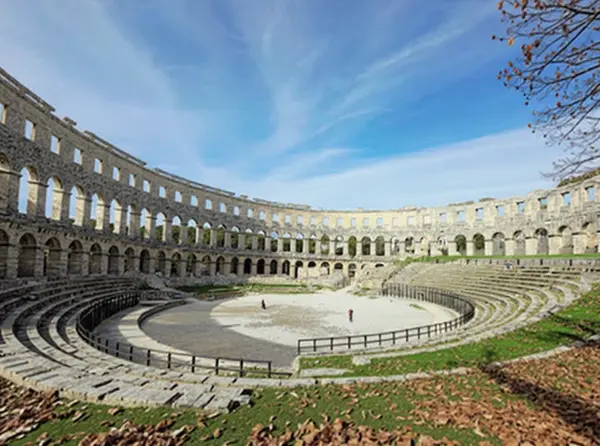
1. Pula Arena
"Worth visiting for its impressive size and natural acoustics. You will experience living history between walls that have hosted battles and concerts."
Quick facts: The arena can hold up to 23,000 spectators and is one of the six largest surviving Roman amphitheaters in the world. Part of the structure was used during events until the 19th century, blending living history with its ancient architecture.
Highlights: Gladiator fights here were held without the typical protective net, making the spectacle truly dangerous and exciting. Its elliptical design with 132 arches lets you understand how sound transmitted perfectly to the last seat, without the need for modern technology.
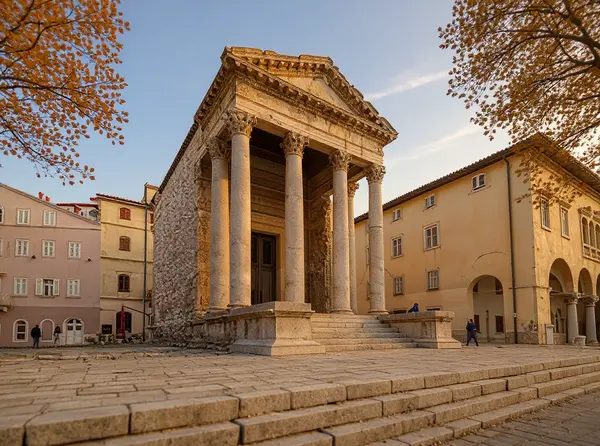
2. Temple of Augustus
"An architectural gem that transports you to Ancient Rome. You can admire imposing columns and read original inscriptions that tell thousand-year-old stories."
Quick facts: The temple features nine Corinthian columns that are 10 meters tall and are still standing. It was built to honor the Roman emperor Augustus, and its interior preserves original inscriptions from the Roman era.
Highlights: The most impressive detail is the dual inscription in Latin and Greek, which reveals how two great civilizations communicated in Pula. Additionally, the structure has survived several earthquakes, showcasing its magnificent Roman engineering.
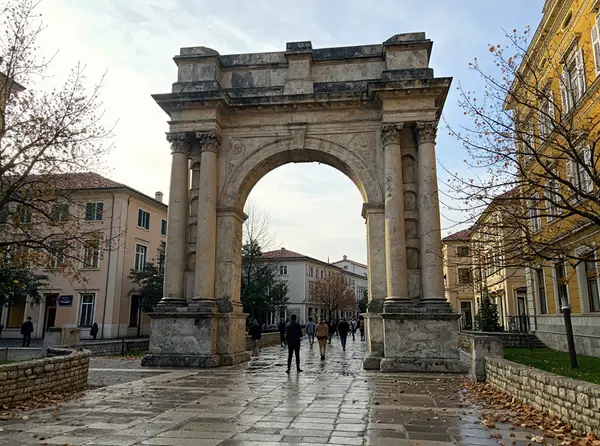
3. Arch of the Sergii
"Worth it for its detailed sculpture. Here you will experience the power of Roman history under sunlight and unique shadows."
Quick facts: The structure honors the Sergii family after their victory at the Battle of Actium and stands nearly 6 meters tall. Sculptural details show winged figures and Roman warriors capturing heroic moments.
Highlights: The delicacy of its reliefs reveals with precision the facial features of Lucius Sergius and his sons, something uncommon in monuments of the era. At dusk, the light creates impressive shadows that highlight each carved detail and bring the stone to life.
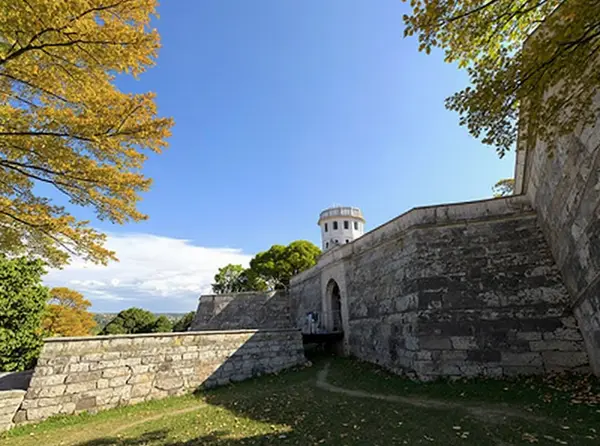
4. Pula Fortress
"Visit a fortress with walls reaching 20 meters high. Walk along ramparts with 360 degree views over the city and the sea."
Quick facts: An impressive fortress with walls reaching up to 20 meters in height. It offers panoramic views from its towers that encompass the entire bay and the old town.
Highlights: Inside there is a secret cistern used to store drinking water during sieges, a detail that few tourists know about. Additionally, you can walk along its wall, which is over 2 kilometers long, offering a unique interactive experience.
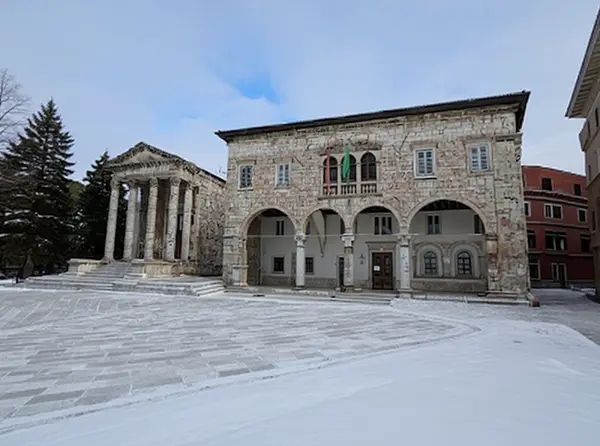
5. Forum Square
"Ideal for those who love history and architecture. Stroll through a living square that combines 20 centuries of civilization."
Quick facts: There is a Roman temple in the center surrounded by medieval and modern buildings. Each stone on the ground tells stories of more than 2,000 years of urban and social history.
Highlights: At sunset, the square fills with the sounds of live music thanks to local artists who use its natural acoustics to amplify every note. Right beneath the ground, the ruins of an ancient Roman street allow visitors to literally walk over history.
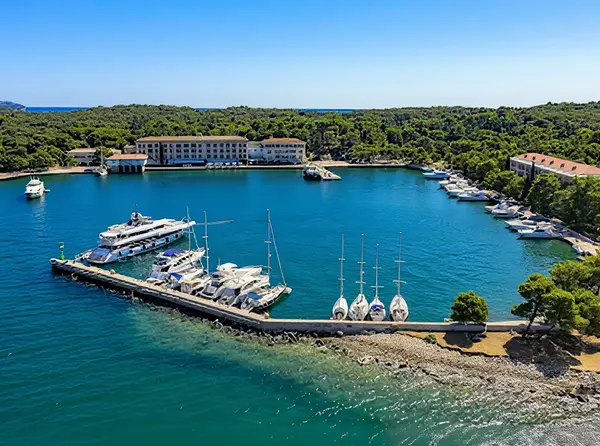
6. Brijuni National Park
"Explore an archipelago with wildlife and historical ruins. Discover exotic animals and Mediterranean landscapes in a single trip."
Quick facts: This national park is home to more than 14 islands and islets in the Adriatic Sea with beaches, forests, and archaeological remains. A Mediterranean safari with species such as peacocks and zebras lives freely here.
Highlights: A fascinating secret is that the park preserved Marshal Tito's summer residence, with a museum displaying diplomatic gifts and exotic animals. Additionally, riding a tourist train reveals Roman ruins and Byzantine villas surrounded by virgin nature.
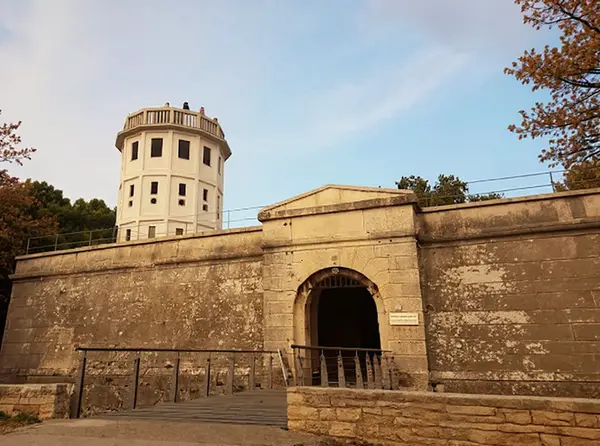
7. Historical Museum of Istria
"Explore centuries of Istrian history in one place. Admire pieces ranging from Roman mosaics to classic printing presses."
Quick facts: This museum houses over 150,000 objects related to the history and culture of Istria. Its collection includes everything from Roman artifacts to ethnographic pieces from the 20th century.
Highlights: In the museum you can discover an exact replica of the Roman mosaic of Pula, composed of thousands of tiny pieces. It also displays an ancient manual printing press dating back to the 19th century, a rarity that few museums preserve.
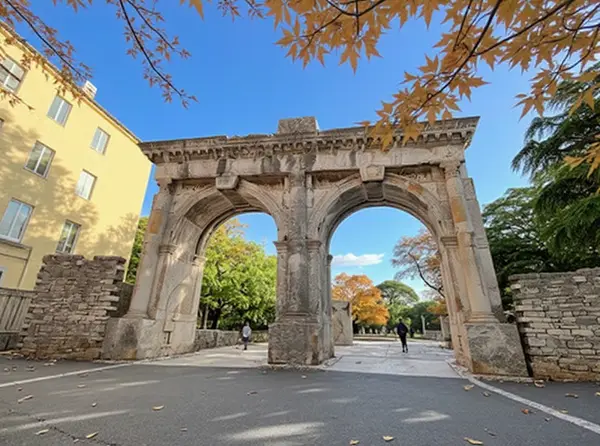
8. Twin Gates
"Worth visiting to learn about Roman engineering and observe its impressive double arch. You will experience living history in a structure that blends defense and art."
Quick facts: These gates were part of the Roman fortifications that protected the city of Pula. The structure preserves details of ancient military architecture, including battlements and defensive passageways.
Highlights: The double arch of the entrance shows how military and urban functions were combined in the same space. The local limestone used has marks from ancient stonemasons' hands, visible if you look closely.
Where to Stay in Pula, Croatia
Selected by City Buddy based on guest reviews and proximity to top attractions
Search all hotels in Pula, CroatiaPowered by agoda
Opening days in Pula, Croatia
Which of the top sights close on which day of the week — the classic trip-ruiner, checked for you.
Good news: all 8 top sights with known hours are open every day of the week.
Closed on Monday · 0 closed, 8 open
Nothing closes on Monday — all 8 sights with known hours are open.
Opening days from Google Maps (checked 2026-04-07). Public holidays, strikes and seasonal hours can differ — check the official website before you go.
Traditional Sweet Dishes
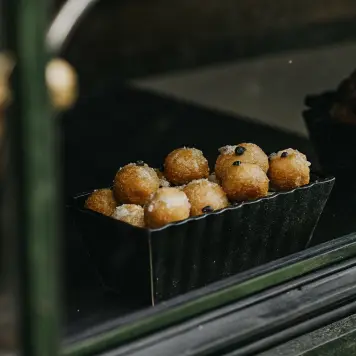
Fritule
Fritule are small, fried dough balls flavored with raisins and citrus zest, traditionally prepared during the Christmas season in Pula.
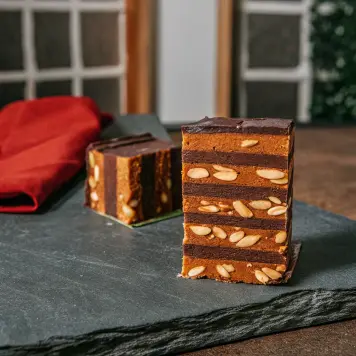
Bajadera
Bajadera is a luscious layered nougat dessert made with almonds, hazelnuts, and chocolate, popular throughout the region including Pula.

Rozata
Rozata is a Dalmatian custard pudding similar to flan, infused with rose liqueur, and a beloved sweet treat in Pula.
Traditional Savory Dishes

Istrian Fuži with Truffles
Fuži pasta, a traditional Istrian hand-rolled pasta, is often served with a decadent truffle sauce, highlighting Pula's famous truffle heritage.

Brodetto
Brodetto is a hearty fish stew made from a mix of Adriatic seafood, simmered with tomatoes, garlic, and wine, reflecting Pula's coastal culinary tradition.

Pečenje
Pečenje refers to slow-roasted meat, often lamb or pork, cooked over an open fire, a favorite festive dish in the Pula area.
Traditional Beverages

Malvazija
Malvazija is a local white wine from Istria, appreciated for its crisp, aromatic qualities, and commonly enjoyed in Pula.

Teran
Teran is a robust red wine with deep color and strong flavors, indigenous to the Istrian Peninsula around Pula.

Maraschino
Maraschino is a cherry liqueur originating from the Dalmatian region, often used in cocktails or sipped neat in Pula.
Frequently Asked Questions about Pula, Croatia
Is it safe to travel to Pula, Croatia?
How many days are recommended to visit Pula?
What is the best time to visit Pula, Croatia?
Is it expensive to visit Pula, Croatia?
How to get around Pula?
Get a PDF with the most popular attractions sent to your email
Get a PDF with all attractions, ratings, and tips. Perfect for offline use.
Most popular day trips
Rovinj
Charming coastal town with colorful old town and beautiful beaches.
Brijuni National Park
Archipelago with rich history, safari park, and beautiful nature.
Getting there
Airports
Train stations
Regional lines connecting to Rijeka, Zagreb
The Pula Airport is close to the city center and offers shuttle buses and taxis for quick transfer.
Useful information for Pula, Croatia
Overview for Pula, Croatia
Compare Pula with other destinations
Prices, safety, weather and top attractions side by side, with a verdict for every kind of traveler.
Want a day-by-day plan for Pula, Croatia? Open the trip planner
Plan your perfect trip to Pula, Croatia
Get a complete travel plan built just for you in under 30 seconds, with daily routes, local food tips, budget estimates and more.
Are any of these especially important to you?
Select all that apply
Getting around
How do you want to move between places?
Plan language: English