 CityBuddy
 English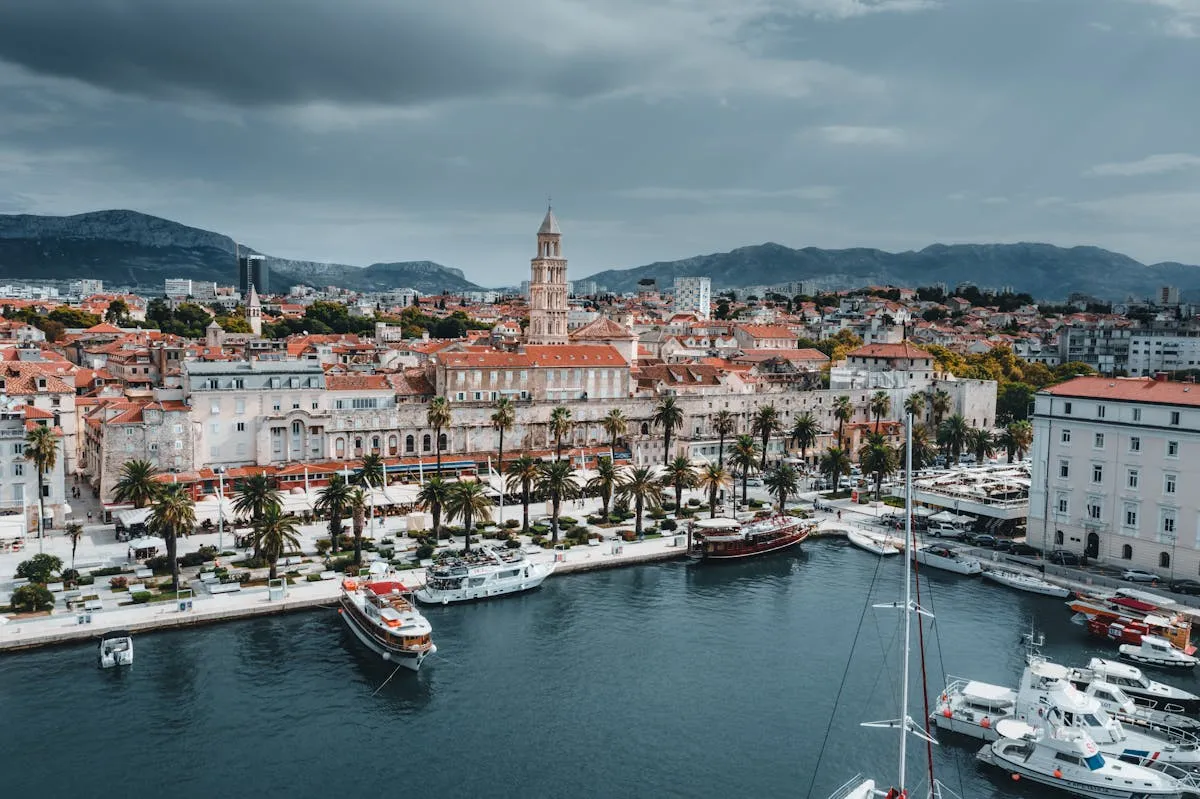
Split vs Pula: which should you visit in 2026?
Prices, safety, weather, nightlife and the top attractions of Split and Pula side by side, plus a verdict for every kind of traveler.
Our verdict
Split and Pula are both coastal Croatian cities with similar safety, walkability, and nightlife scores. Split suits travelers who want bigger-city energy, a top-rated Roman palace, and more hotel choices. Pula wins on price with a $80 mid-range budget versus Split's $100, plus cheaper coffee at $1.5. Split draws 2M tourists versus Pula's 200K, so Pula feels calmer. Pick Split for food scene and nature access; pick Pula for quieter, more affordable stays.
=It's a tie: 6 categories each
Split vs Pula at a glance
marks the better value in each row (lower prices, higher scores, fewer crowds).
Which is better for you?
Couples
Pick SplitPick Split if you want a romantic stroll along the Riva waterfront and dinner near Diocletian's Palace at $12 a meal. Pick Pula if you prefer a quieter, less crowded base where 200K tourists mean more intimate evenings and a $70 hotel night stays affordable.
Families with kids
Pick SplitPick Split if you want more hotel options, with 21 Agoda properties scoring 8.9/10, making family room bookings easier. Pick Pula if you want lower daily costs, with a $80 mid-range budget versus Split's $100, and a calmer city with far fewer tourists per resident.
Budget travelers
Pick PulaPick Pula if a lower mid-range budget matters, at $80 daily versus Split's $100. Meals cost $15 versus $12, but coffee at $1.5 and beer at $3 offset it. Pick Split if cheap food is your priority, since restaurant meals run $3 less.
Nightlife
Either worksPick either city, since both score 7/10 for nightlife. Split has more people and tourists to fill venues, while Pula offers a smaller but adequate scene. Neither data set points clearly to a winner, so choose based on the crowd size you prefer.
Culture & history
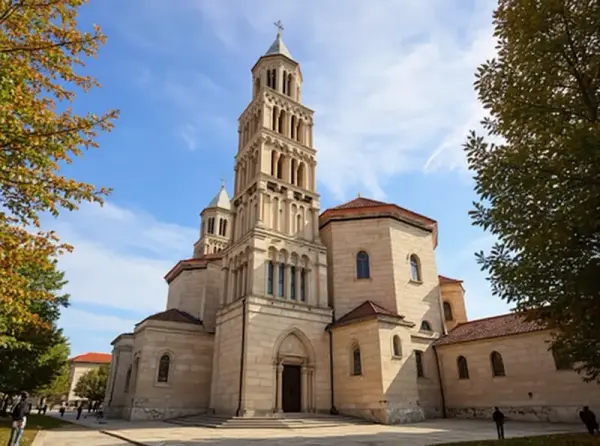
Pick SplitPick Split for Diocletian's Palace, a 4.7/5 attraction with nearly 90,000 reviews, plus the Cathedral of Saint Domnius and Green Market. Pick Pula for the Roman Arena at 4.6/5 and the Arch of the Sergii if Roman amphitheaters appeal more than palace life.
Beaches & nature
Pick SplitPick Split for a nature access score of 9/10, the highest in the data, with ferry connections that make island hopping practical. Pick Pula if Brijuni National Park at 4.6/5 appeals, though its nature access scores 8/10. Both are solid outdoor destinations.
Top attractions compared
Top things to do in Split
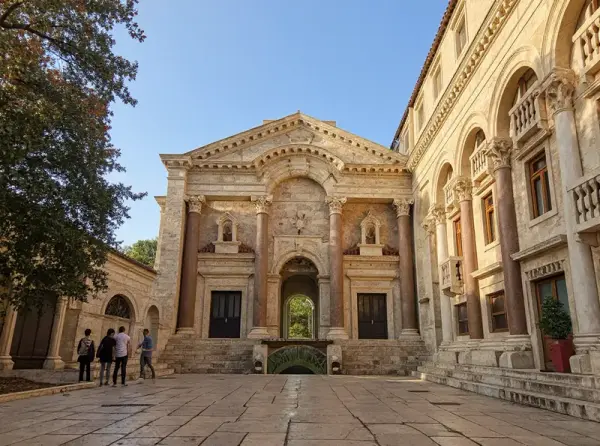 1. Diocletian's Palace
4.7 (89,408)
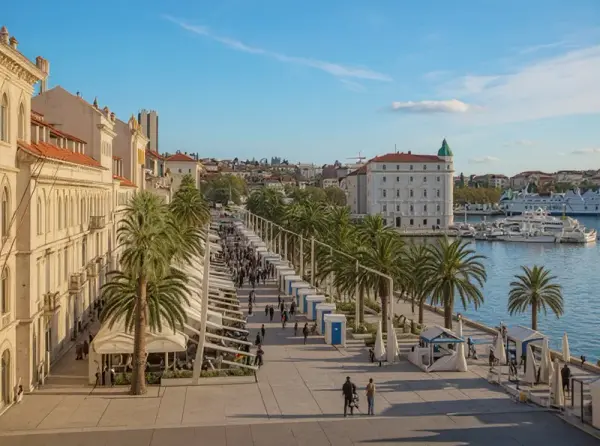 2. Riva (Split Waterfront Promenade)
4.7 (24,669)
Top things to do in Pula
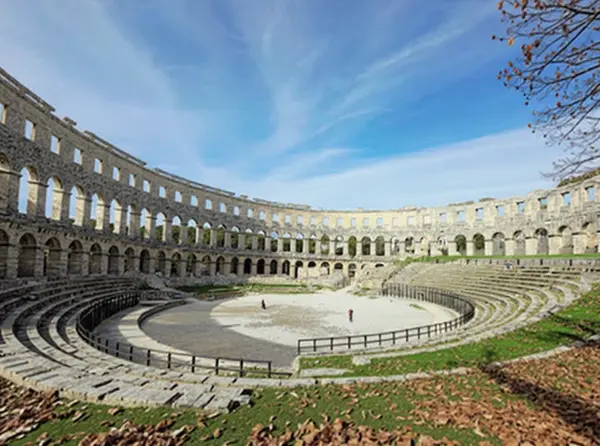 1. Pula Arena
4.6 (71,425)
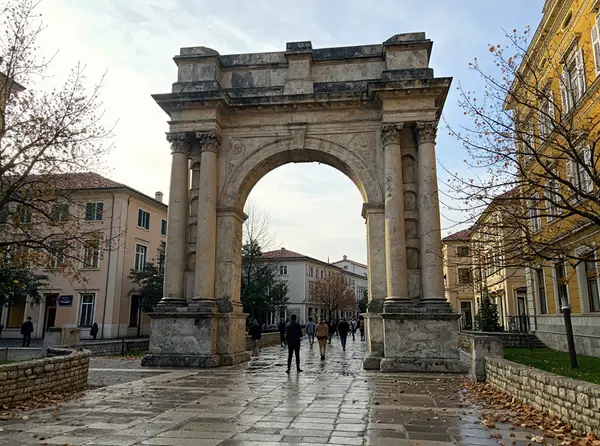 2. Arch of the Sergii
4.6 (15,620)
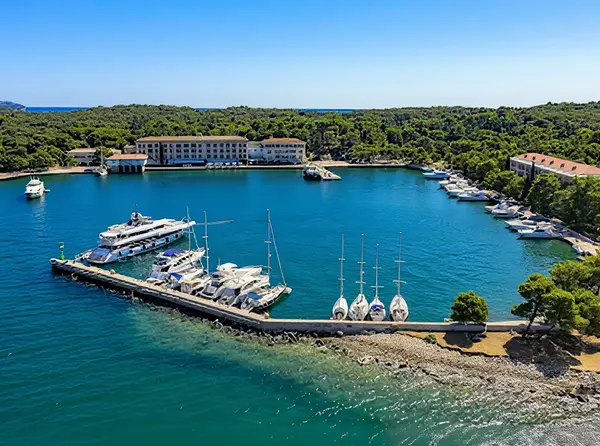 3. Brijuni National Park
4.6 (12,660)
Can you visit both?
Split and Pula are about 256 km apart
Both cities can be combined in one trip since they sit 256 km apart. The distance works for a two-base itinerary, though not as an easy same-day round trip. Traveling by car along the Adriatic coast or by bus are the standard options, making Split to Pula a manageable segment between longer stays.
Where to stay
Split
21 well-reviewed hotels near the center, average guest score 8.9/10
Hotels from about $60 per night
Hotels in SplitPula
1 well-reviewed hotels near the center, average guest score 8.3/10
Hotels from about $70 per night
Hotels in PulaTours & tickets
Frequently asked questions
Is Split or Pula cheaper?
Pula is cheaper overall. Its mid-range daily budget is $80 versus Split's $100, and hotel nights run $70 compared to $60 in Split. Beer and coffee are cheaper in Pula at $3 and $1.5. Split only wins on restaurant meals at $12 versus $15.
Which city is better for a traveler who dislikes crowds?
Pula is clearly better. It receives 200K tourists per year versus Split's 2M, and has 3.5 tourists per resident compared to Split's 11.2x. Both have two very busy months, but Pula offers a far less crowded experience throughout the year.
Can you visit both Split and Pula in one trip?
Yes. The cities are 256 km apart by straight line, and both sit on the Croatian coast. A single trip with both destinations works well either as two separate bases or as day trips between them, since the distance is short enough to cross in a day.
Which is better in summer?
Pula has hotter summers at 26°C averages versus Split's 24°C, so pick Pula if you want more heat. Split is better in the shoulder months with its larger food scene. Both share May, June, September, and October as best months to visit.