 CityBuddy
 English
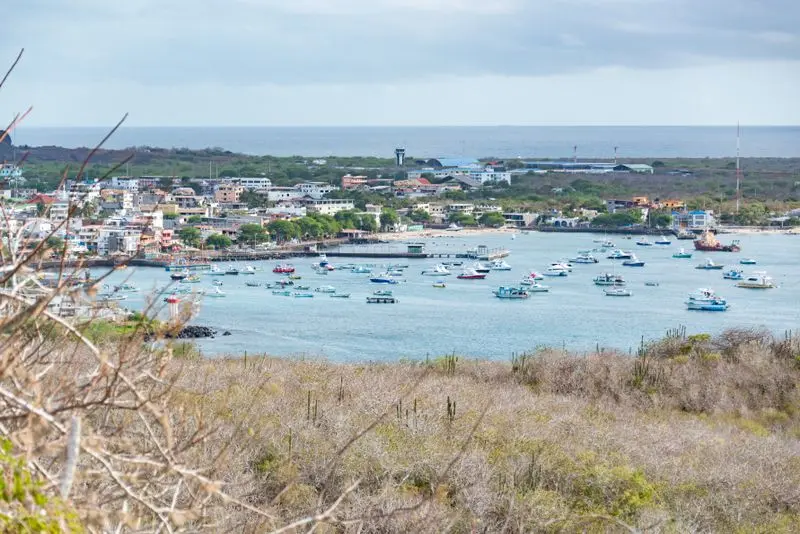
Things to Do in Puerto Ayora, Ecuador
Photo made by Diego F. Parra on Pexels.com
When to visit
Most popular attractions in Puerto Ayora, Ecuador
For things to do in Puerto Ayora, Ecuador, start at the Charles Darwin Research Station, a center for the study of giant tortoises with 40 million years of evolutionary records. Just 2.5 kilometers to the west, Tortuga Bay offers a white sand beach stretching 1.8 kilometers. Not far from there, Las Grietas forms a natural pool between lava cliffs 12 meters high.
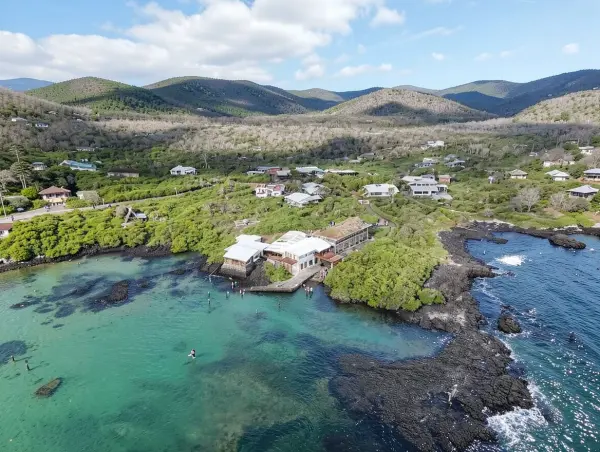
1. Charles Darwin Research Station
Reason to come here: giant tortoises can be approached from a hand's span away. You'll witness babies hatching, a 250 kg mother, and the story of Lonesome George in its memorial room.
Quick facts: The giant tortoises here can live for more than a century, with adult males weighing up to 250 kilograms, about the same as a small car. The breeding program running since 1965 has hatched and released thousands of tortoises back into the wild.
Highlights: The story of Lonesome George, the last Pinta Island tortoise who died in 2012, is displayed in full here as a conservation reminder. George refused to mate with females from Wolf Volcano for 40 years, and visitors can stand right in front of the enclosure where that drama once unfolded.
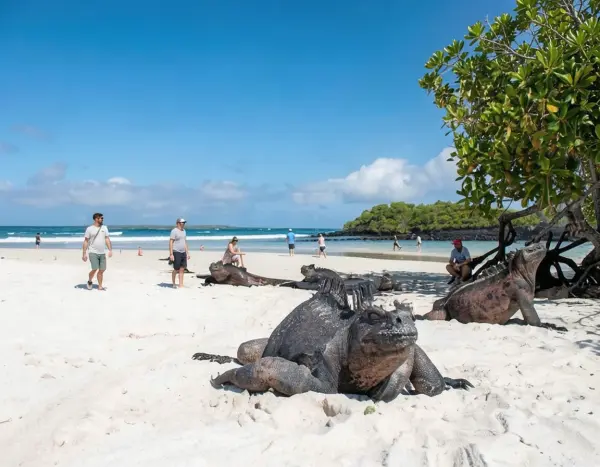
2. Tortuga Bay
Flour-white sand and Pacific waves await at the end of a 45-minute trail from town. Marine iguanas bask on the sand, sea turtles cross the clear water.
Quick facts: Its white sand is formed from coral crushed by the waves, so dazzling that visitors need sunglasses. Along the 2.5-kilometer trail from the town center, people often cross paths with marine iguanas and red-orange Sally Lightfoot crabs.
Highlights: At the southern end of the beach lies a calm lagoon sheltered by mangrove forest, where baby blacktip reef sharks swim in knee-deep water while green turtles glide beneath the surface. Boats are banned from this area, so swimming alongside the wildlife feels like having your own giant private pool.
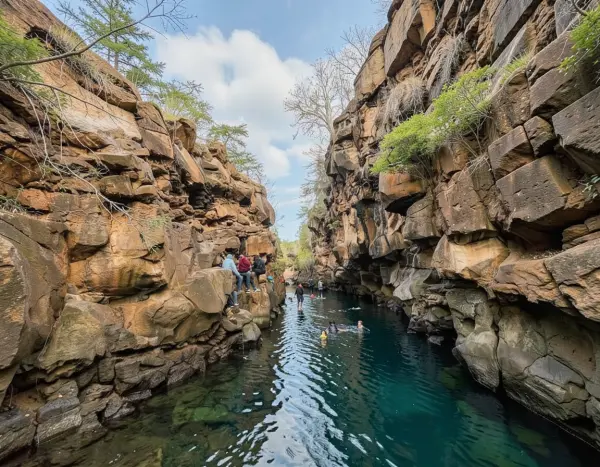
3. Las Grietas
Swim in a narrow lava corridor as clear as crystal, flanked by eight-meter-high cliffs. Snorkel along dark passages, tropical fish, and a seabed you can see clearly.
Quick facts: Its water blends freshwater springs from the coral rock and seawater seeping through underground cracks, creating two distinct layers of salinity. At the bottom of the crack nearly 12 meters deep, sunlight penetrates to a visibility of about 10 meters, revealing the steep volcanic cliffs from top to bottom.
Highlights: The crack, about 10 meters wide, splits a lava cliff eight meters high, and the water is so clear that two different colors are visible from the surface to the bottom. The strong current seeping through the reef gap on the northern side feels like the ocean's breath, and experienced swimmers can trace that dark passage for hundreds of meters toward the open sea.
4. El Chato Tortoise Reserve
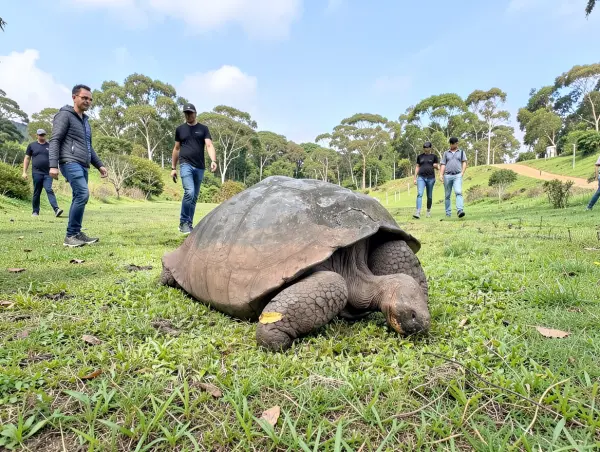
Here you walk among 150-year-old, 250-kilo giants with no barriers in between. You'll see up close how they eat, hiss, and move calmly among the pens.
Quick facts: Giant tortoises in this area can live more than 150 years and weigh up to 250 kilograms. The breeding center releases dozens of individuals each year to reinforce populations that nearly disappeared.
Highlights: When you approach the enclosures, a long, powerful hiss escapes from every shell as a warning signal. A centenarian male with a shell polished by the years can stretch its nearly one-meter neck toward your hand to check what you're holding.
5. Playa de la Estacion
The only spot in town where you're in the sea within five minutes of leaving your room, among curious seals. Expect black sand, bright blue water, and iguanas crossing your path.
Quick facts: At low tide the sea recedes far back, leaving a wide strip of basalt sand where seals rest with their pups, less than fifty meters from the first houses. More than a hundred and fifty iguanas crawl onto the same black boulders every day to warm their dark bodies in the morning sun.
Highlights: The special part lies underwater: a white sandy bottom stands out sharply against the dark beach and deep water glows turquoise in the afternoon sun. Snorkelers come within arm's length of young seals, which curiously stare back with their whiskers and dark eyes.
6. Lava Tunnels
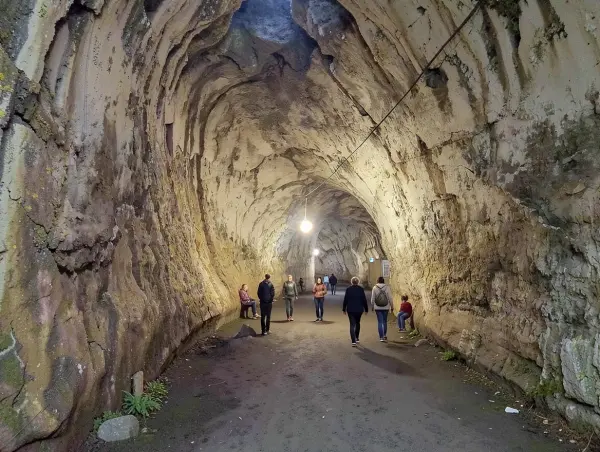
Lose yourself in a dark tunnel where lava once flowed and can now be walked through. With a flashlight, discover the stalactites on the ceiling, flow marks on the walls, and the slippery stone floor.
Quick facts: As the outer crust of the molten magma quickly cooled and hardened, the flow inside continued, leaving behind hollow tunnels over a kilometer long. Inside, the temperature drops noticeably from the surface, and the air stays cool and humid.
Highlights: The most impressive detail is the stalactite-like shapes hanging from the ceiling, formed not by water but by drops of lava. In places the ceiling is only a few centimeters thick, and sunlight filters through thin cracks, drawing bright beams of light in the darkness.
7. Cerro Dragon
Climb this low hill to see the blue ocean from above without the crowds. Along the way, iguanas and wild flamingos keep you company as if you're the only visitor.
Quick facts: This volcanic hill is home to hundreds of land iguanas that once nearly went extinct because of predators such as feral dogs and cats. The saltwater lagoon at its foot is often a stopover for flamingos that filter small shrimp from the shallow mud.
Highlights: After the iguana population plummeted drastically, dozens of individuals were moved from a neighboring island in the 1980s, and now those distinctive lizards have returned to crowd the lava rocks. At the summit, they sit calmly gazing at the sea while chewing prickly pear cactus, with heads that turn reddish during mating season.
Where to Stay in Puerto Ayora, Ecuador
Selected by City Buddy based on guest reviews and proximity to top attractions
Search all hotels in Puerto Ayora, EcuadorPowered by agoda
Opening days in Puerto Ayora, Ecuador
Which of the top sights close on which day of the week — the classic trip-ruiner, checked for you.
Good news: all 5 top sights with known hours are open every day of the week.
Closed on Monday · 0 closed, 5 open
Nothing closes on Monday — all 5 sights with known hours are open.
Opening days from Google Maps (checked 2026-09-07). Public holidays, strikes and seasonal hours can differ — check the official website before you go.
Traditional Sweet Dishes
Arroz con leche
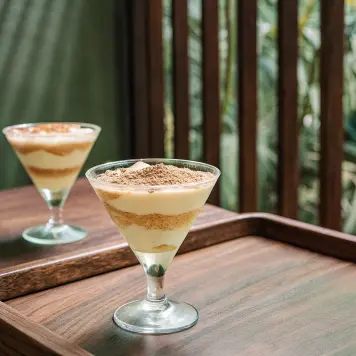
This creamy cinnamon rice pudding is Ecuador's classic comfort dessert and a staple on every Puerto Ayora menu, often served warm in a tall glass with a sprinkle of ground cinnamon on top.
Dulce de higo
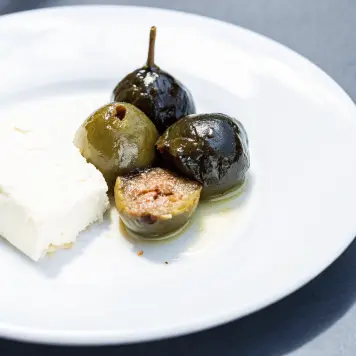
These fig fruits are slowly candied in panela syrup until they turn dark and glossy, and locals traditionally pair them with a slice of soft white cheese to balance the sweetness.
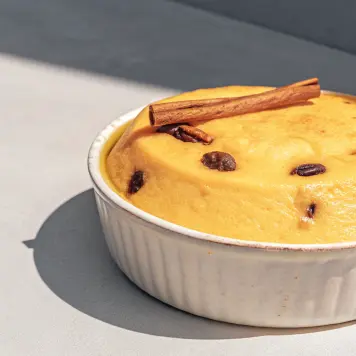
Morocho
Morocho is a thick, creamy dessert made from white corn, milk, cinnamon, and raisins, and on the islands it is just as often sipped warm from a cup as a late afternoon treat as it is eaten with a spoon.
Traditional Savory Dishes
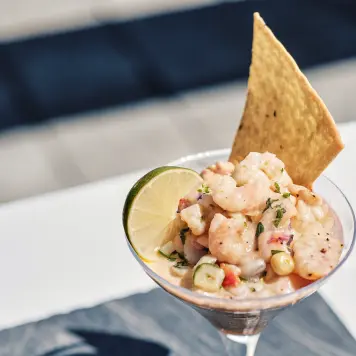
Ceviche de camarón
Puerto Ayora's version features plump Galapagos shrimp marinated in lime with tomato, red onion, and cilantro, and it is served with tostado corn and a wedge of lime rather than tortilla chips.
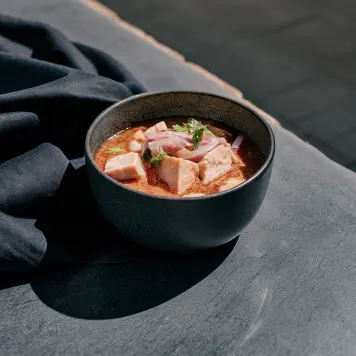
Encebollado
This hearty tuna and yuca fish stew is Ecuador's famous hangover cure, and in the Galapagos it is often fortified with albacore caught right off the island's shores.
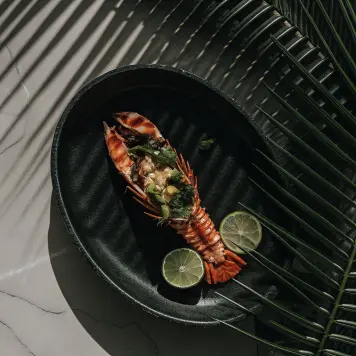
Langosta de Galápagos
Galapagos spiny lobster is the island's most prized catch, and locals grill the tail with garlic butter and lime during the short season when fishing is legally allowed.
Traditional Beverages
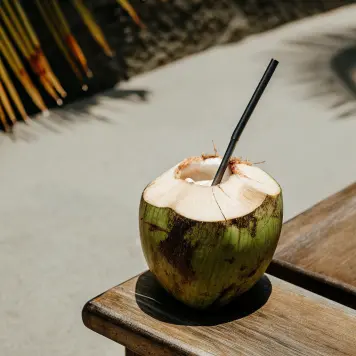
Agua de coco
With coconut palms lining the beaches of Santa Cruz, vendors crack open fresh green coconuts on the spot, and the cool water inside is widely considered the islands' natural sports drink.

Jugo de maracuyá
Passion fruit grows abundantly on the islands, and the tart golden juice is lightly sweetened and blended with ice to make the refreshing drink that accompanies almost every seafood meal in Puerto Ayora.
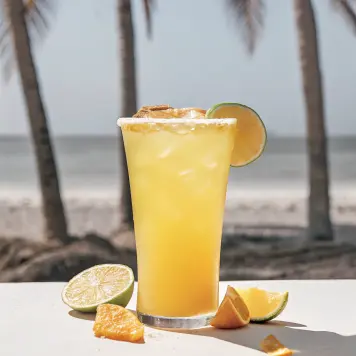
Limonada de coco
This beachside favorite blends fresh lime juice with coconut water and a touch of sugar, giving a tropical twist to the classic lemonade that visitors crave after a day of snorkeling.
Frequently Asked Questions about Puerto Ayora, Ecuador
Is Puerto Ayora, Ecuador safe for travelers?
How many days do I need in Puerto Ayora, Ecuador?
What is the best time to visit Puerto Ayora, Ecuador?
Is Puerto Ayora, Ecuador expensive?
How do I get around in Puerto Ayora, Ecuador?
Get a PDF with the most popular attractions sent to your email
Get a PDF with all attractions, ratings, and tips. Perfect for offline use.
Most popular day trips
Tortuga Bay
White sand beach, marine iguanas, and great swimming near town.
North Seymour Island
Seabird colonies with frigatebirds and blue-footed boobies nesting.
Bartolome Island
Volcanic landscapes, iconic Pinnacle Rock, and excellent snorkeling.
Pinzon Island
Remote islet with marine iguanas, seals, and calm snorkeling spots.
Santa Fe Island
Golden beaches, sea lions, and giant prickly pear cactus forests.
Getting there
Train stations
Inter-island boats, cruise ship tenders, and day trip charters
Fly into Baltra (GPS); take a bus across the island plus a short boat ride to Puerto Ayora, about 90 minutes total.
Useful information for Puerto Ayora, Ecuador
Overview for Puerto Ayora, Ecuador
Want a day-by-day plan for Puerto Ayora, Ecuador? Open the trip planner
Plan your perfect trip to Puerto Ayora, Ecuador
Get a complete travel plan built just for you in under 30 seconds, with daily routes, local food tips, budget estimates and more.
Are any of these especially important to you?
Select all that apply
Getting around
How do you want to move between places?
Plan language: English