 CityBuddy
 English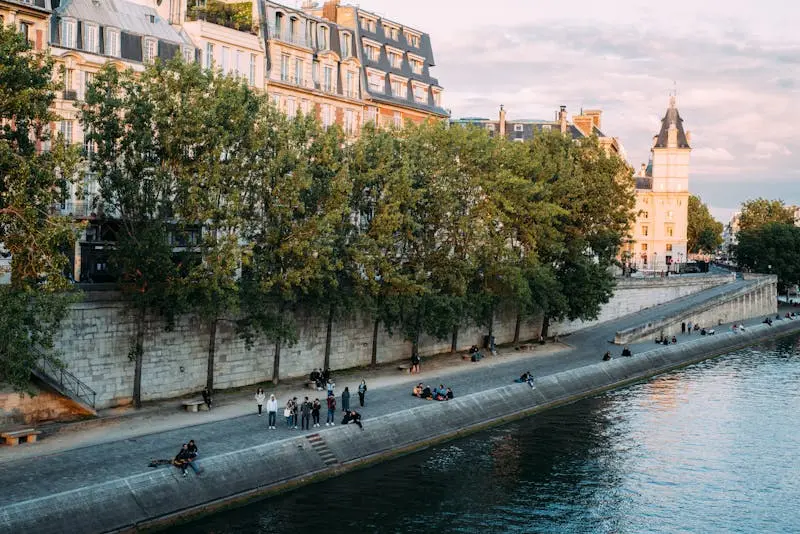
Things to Do in France
Photo made by Laura Stanley on Pexels.com
When to visit
Most popular attractions in France
The top things to do in France include visiting the Eiffel Tower, which offers stunning views from its 1,083-foot height in Paris. Art lovers can explore the Louvre Museum, home to over 35,000 works, including the Mona Lisa. For a day trip, the stunning Mont Saint-Michel rises dramatically from the sea in Normandy.
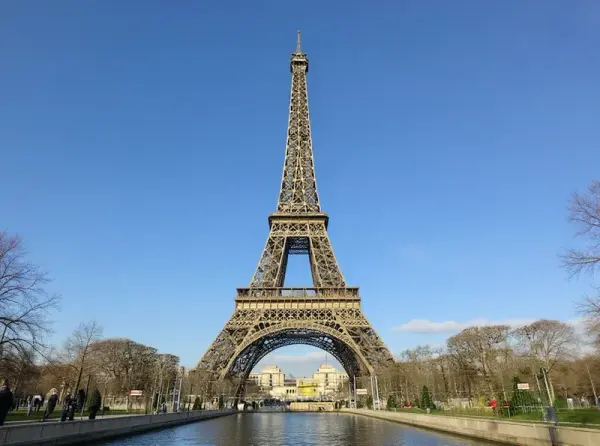
1. Eiffel Tower
Paris
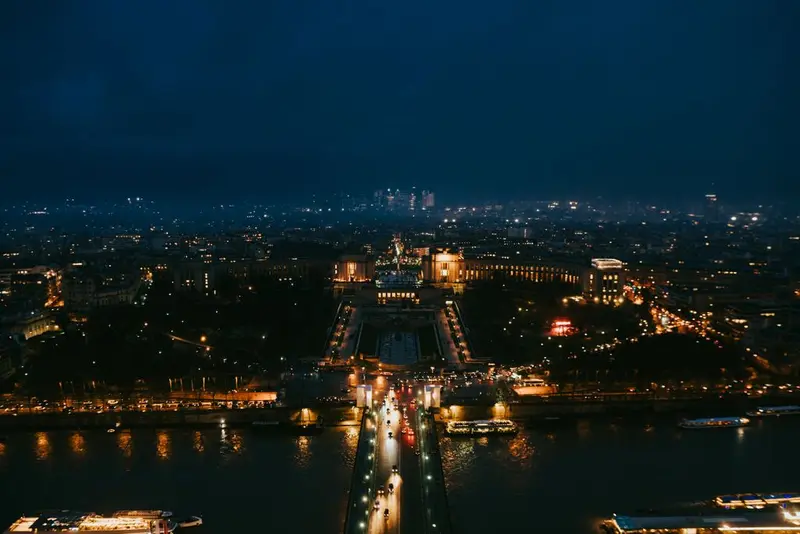
Unbeatable skyline views from dizzying iron heights. Sunset vistas and hourly sparkling light shows await.
Quick facts: A towering iron lattice reaches 324 meters at its highest point, offering views that can extend over 60 kilometers on exceptionally clear days. Engineers used roughly 2.5 million rivets and assembled about 18,038 separate metal parts to form the delicate-looking yet sturdy structure.
Highlights: After sunset, 20,000 flashing bulbs sparkle for five minutes every hour, turning the silhouette into a glittering beacon that draws locals and visitors alike. Gustave Eiffel kept a small glass-walled private apartment on the third level where he hosted guests like Thomas Edison, and a replica of that space with period furnishings can still be seen today.
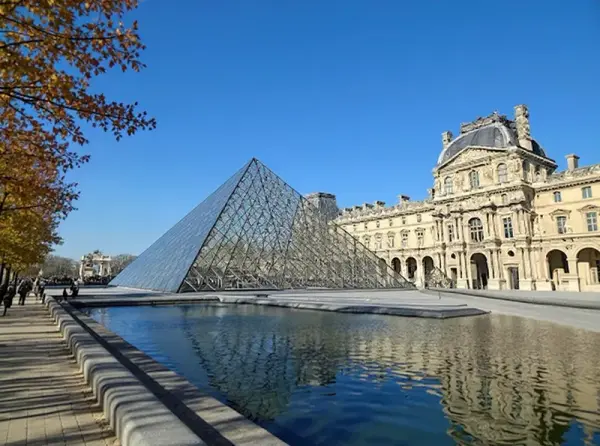
2. Louvre Museum
Paris
Masterpieces across centuries under one iconic glass pyramid. Expect intimate encounters with tiny portraits and grand halls.
Quick facts: Over 35,000 works are displayed across tens of thousands of square meters, so a single visit barely scratches the surface. A surprising mix of ancient artifacts, European paintings, and decorative arts lets you move from a pharaoh’s tomb to a 19th-century salon within a few corridors.
Highlights: A dramatic glass pyramid by I.M. Pei punctuates a vast palace courtyard, its geometry reflecting on wet stone after rain for cinematic photos. A tiny 77-by-53 centimeter portrait sits behind bulletproof glass, drawing crowds who study the famously subtle smile up close.
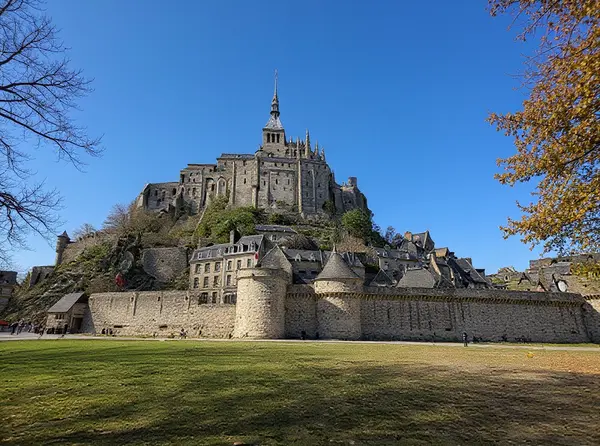
3. Mont Saint-Michel
Mont-Saint-Michel
Dramatic tidal island crowned by a soaring abbey. Wander medieval lanes and watch the sea swallow the causeway.
Quick facts: A rocky island crowned by a soaring medieval abbey rises dramatically above wide mudflats, turning from connected peninsula to sea-bound isle as the tides roll in. Visitors can watch one of Europe's largest tidal ranges, sometimes reaching up to 14 meters, when the channel floods the surrounding sands in under an hour.
Highlights: La Mère Poulard, founded by Anne Boutiaut in 1888, still flips a famously airy soufflé omelette in a copper pan right before diners, a theatrical culinary ritual that draws longtime fans. When the tide surges a ring of water forms around the mount in less than an hour, salted spray and wheeling gulls make the climb to the abbey feel like the finale of a seaside play.
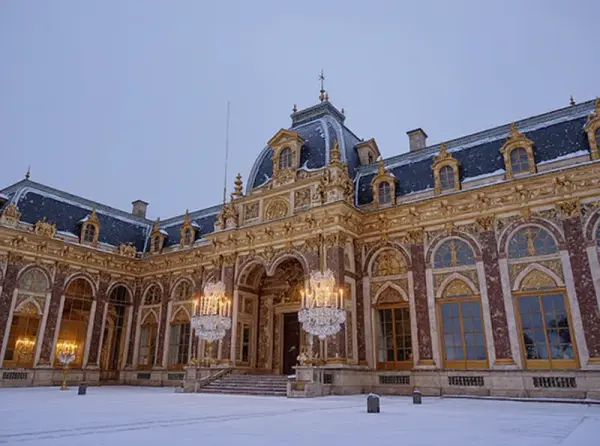
4. Palace of Versailles
Versailles
Ascend into royal splendor, where mirror-lined galleries meet endless formal gardens. Expect dazzling chandeliers, synchronized fountains, and palace-scale drama.
Quick facts: A royal complex covers more than 800 hectares of gardens, groves, and ornate parterres, with over 400 fountains and tree-lined avenues. Over 2,300 rooms once hosted kings, courtiers, and extravagant masked balls that shaped European politics.
Highlights: A glittering gallery lined with 357 matching mirrors stretches about 73 meters, reflecting 17 crystal chandeliers and gilded sculptures into a cathedral of light. Evenings come alive with musical fountain shows where over 200 water jets sync to baroque music, filling the air with splash and harpsichord notes.
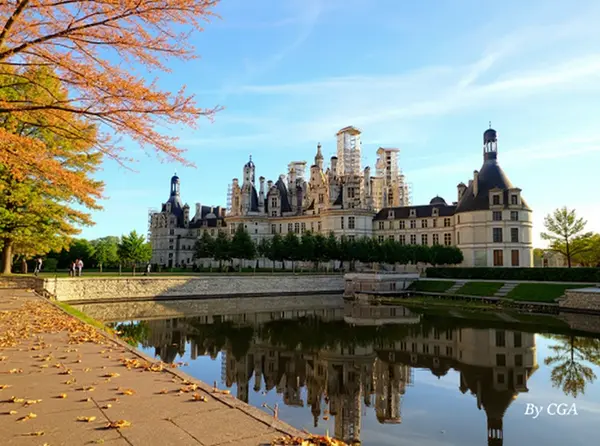
5. Château de Chambord
Chambord
Daring Renaissance architecture makes it worth visiting. Climb a spiraling staircase and roam a rooftop maze for unforgettable views.
Quick facts: A double-spiral staircase lets two groups pass without meeting, an ingenious feature often linked to Leonardo da Vinci. More than 400 ornate chimneys and towers create a rooftop forest that changes with every angle and season.
Highlights: An interlaced double helix staircase winds through the heart of the building, a choreography of stone where visitors on opposite spirals can climb without crossing paths, a detail tied to Leonardo da Vinci's influence. From the terrace, close-up views of over 400 sculpted chimneys form a jagged skyline, glowing in golden light at sunset and alive with skylarks in spring.
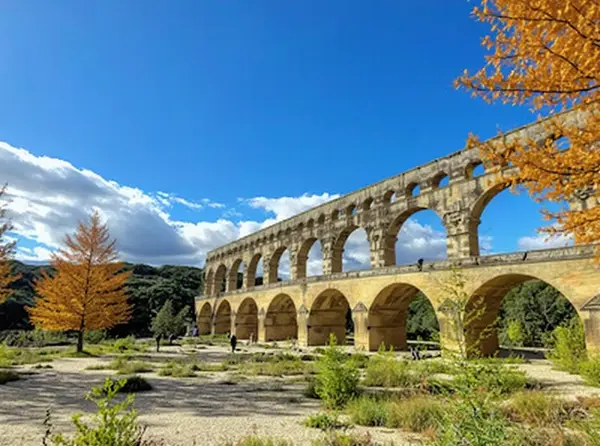
6. Pont du Gard
Vers-Pont-du-Gard
Experience a breathtaking three-tiered stone bridge towering over crystal river pools. Walk shaded paths, swim in shallow water, and catch unforgettable sunset reflections.
Quick facts: A massive three-tiered stone aqueduct climbs to roughly 49 meters, a striking landmark that still commands the river valley. People can stroll on shaded walkways, picnic on limestone terraces, or cool off in shallow pools beneath the arches on hot afternoons.
Highlights: Three stacked rows of arches form a dramatic silhouette that throws mirror-like reflections into the river at golden hour, perfect for wide-angle photography. Close inspection reveals chisel marks on huge limestone blocks, some weighing several tonnes, showing hands-on precision where stones were fitted without mortar.
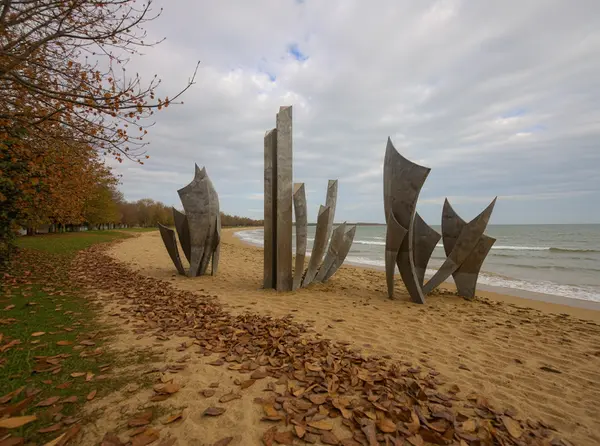
7. Omaha Beach
Colleville-sur-Mer
Powerful wartime history meets sweeping coastal views. Walk the sand, read the names, feel the scale.
Quick facts: More than 34,000 Allied troops landed there during the D-Day invasion, facing steep bluffs and fortified obstacles that still dot the sand at low tide. Low tides often reveal rusted anti-landing stakes and concrete tetrapods, creating striking silhouettes against the surf.
Highlights: A clifftop American cemetery displays 9,387 white headstones arranged in precise rows, the afternoon sun turning the marble into a pale grid against green lawns. Local veterans and visiting families often leave small flags and stones on specific graves during D-Day anniversaries and Memorial Day, creating colorful clusters around particular names.
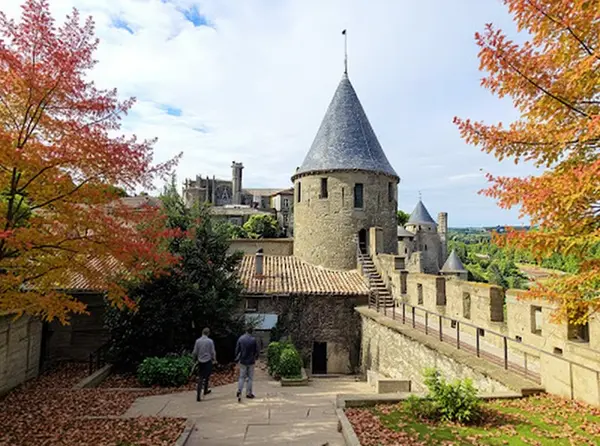
8. Cité de Carcassonne
Carcassonne
Explore a dramatic medieval fortress full of atmosphere. Wander ramparts, peek from 52 towers, and soak up cobbled-street charm.
Quick facts: You can walk along two concentric stone walls studded with roughly 52 towers, a silhouette straight out of a storybook. Inside, narrow cobbled lanes lead to a gothic basilica where colored light filters through medieval glass.
Highlights: Restorer Eugène Viollet-le-Duc famously gave the roofs their pointed, polychrome profile during a 19th-century overhaul, shaping the fortress silhouette many recognise today. Walk the roughly 3 kilometers of ramparts, count about 52 towers, then pause where lavender-scented air drifts in from the plain and the Pyrenees frame the horizon.
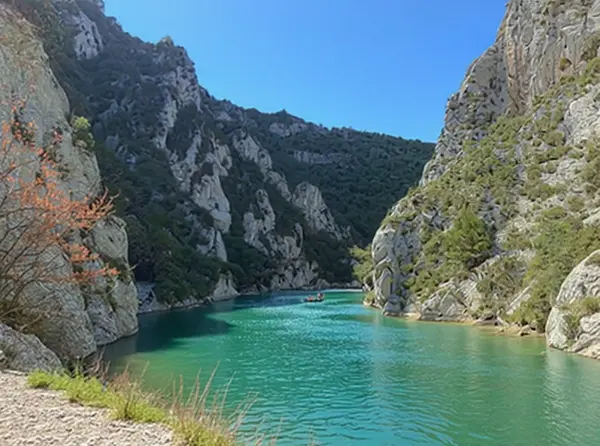
9. Gorges du Verdon
Moustiers-Sainte-Marie
Spectacular canyon views and electric turquoise water. Paddle, hike or drive beneath sheer 700m cliffs for epic photos.
Quick facts: Sheer limestone cliffs plunge up to 700 meters, carving a dramatic canyon with a river that shifts from deep cobalt to bright turquoise. Outdoor lovers flock here for kayaking, rock climbing and paragliding while cliffside roads and trails offer dizzying viewpoints.
Highlights: Hiking the Sentier Martel reveals narrow sections like the Imbut and roughly 15 kilometers of trail that thread through echoing walls. Early morning light splashes warm honey tones on the limestone while the turquoise water below can sparkle like glass, making the canyon feel like a giant natural amphitheater.
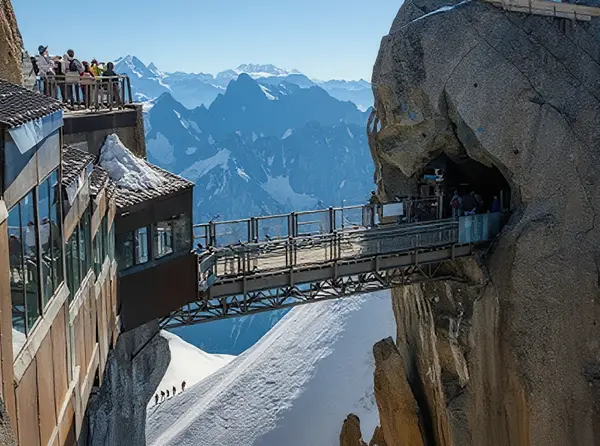
10. Aiguille du Midi
Chamonix-Mont-Blanc
Ride a dramatic cable car to high-alpine terraces. Glacial panoramas, a glass skybox, and fresh high-altitude air.
Quick facts: A dizzying cable-car ride climbs to alpine terraces at about 3,842 meters, offering near-vertical views through rocky spires. Wind-carved rock, hanging glaciers, and an outdoor glass box make the summit feel like stepping onto a movie set.
Highlights: A glass chamber called "Step into the Void" lets visitors stand at roughly 3,842 meters with a sheer drop visible beneath their feet. On clear days the panorama stretches across the Mont Blanc massif into Italy and Switzerland, revealing glaciers, jagged ridgelines, and tiny towns far below.
Where to Stay in France
Selected by City Buddy based on guest reviews and proximity to top attractions
Search all hotels in FrancePowered by agoda
Opening days in France
Which of the top sights close on which day of the week — the classic trip-ruiner, checked for you.
Monday: 1 of 7 top sights closed — plan museums for another day.
Closed on Monday · 1 closed, 6 open
Opening days from Google Maps. Public holidays, strikes and seasonal hours can differ — check the official website before you go.
Popular Cities in France

Traditional Sweet Dishes
Crème brûlée
Crème brûlée is known for its perfectly brittle caramelized sugar top which diners traditionally crack with a spoon, and the dessert's silky custard was popularized in France though versions existed earlier across Europe.
Macaron
The colorful French macaron as a sandwich cookie was popularized in Paris in the 20th century, and Ladurée helped make delicate almond meringue shells and ganache fillings an art form.
Madeleine
The tiny shell-shaped madeleine became a cultural symbol after Marcel Proust described how tasting one unlocked a flood of memories, and bakers still bake them in scalloped molds for that reason.
Traditional Savory Dishes
Coq au vin
Coq au vin was born as a peasant recipe using an old rooster cooked slowly in wine to turn tough meat tender, and the long braise concentrates flavors into a deeply savory sauce.
Bouillabaisse
Bouillabaisse began as a Marseille fisherman's stew, created from the bony fish too humble to sell, and its saffron flavored broth and rouille sauce made it a regional treasure.
Cassoulet
Cassoulet is a slow-cooked bean casserole from southwest France, traditionally simmered for hours so the top forms a prized crust and the meats become meltingly tender.
Traditional Beverages
Red wine
French red wine helped shape the idea of terroir, the belief that soil and place leave a distinct fingerprint on flavor, and some French vineyards keep vines producing for over a century.
Champagne
Only sparkling wine made in the Champagne region can legally be called Champagne, and its celebrated bubbles come from a second fermentation in the bottle that also helps concentrate aromas.
Cider
French cidre from Normandy and Brittany ranges from dry to sweet and was traditionally made by whole-apple pressing, pairing famously well with crepes and salty cheeses.
Know before you go
What a day costs in France, and the rip-offs to avoid
Top rip-offs to avoid
- Pickpocketing in crowded tourist areas. Keep bags zipped and in front, phones in front pockets, and stay alert in crowds and on metro cars during rush hour.
- Petition or bracelet scam. Do not make eye contact, keep your hands away, and walk on without stopping. Say no firmly and keep moving.
- Unlicensed taxi drivers at airport. Only use cars from the official taxi rank outside arrivals. Licensed Paris taxis show a taxi sign on the roof and a meter.
Fair taxi from the airport: €50 - €70
Cheaper option: RER B train to central Paris, arriving at Châtelet-Les Halles, Gare du Nord, or Luxembourg (€11.80)
All scams, fair prices and rulesFrequently Asked Questions about France
What is the best time to visit France?
Is France expensive for travelers?
How safe is the tap water in France?
How do people get around France?
How many tourists visit France each year?
Get a PDF with the most popular attractions sent to your email
Get a PDF with all attractions, ratings, and tips. Perfect for offline use.
Most popular day trips
Versailles
Famous palace and gardens, royal history.
Loire Valley (Tours/Amboise)
Chateaux, vineyards, scenic river valleys.
Getting there
Airports
Train stations
Eurostar, TGV, regional and suburban lines
TGV to south and east, regional services
TGV to west and southwest, regional services
Take RER B from CDG to central Paris; Orly has Orlyval plus tram or buses; Beauvais uses an airport shuttle.
Visa & entry
EU/EEA, United States, Canada, United Kingdom, Australia, Japan, South Korea
Nationals from many countries outside the visa-free list must obtain a Schengen visa; check with the nearest embassy
Schengen rule: 90 days within any 180-day period; carry proof of onward travel and insurance.
Useful information for France
Overview for France
Want a day-by-day plan for France? Open the trip planner
Plan your perfect trip to France
Get a complete travel plan built just for you in under 30 seconds, with daily routes, local food tips, budget estimates and more.
Are any of these especially important to you?
Select all that apply
Getting around
How do you want to move between places?
Plan language: EnglishMost popular itineraries for France
Browse trip plans created by other travelers
5-Day Autumn France for Culture and History Enthusiasts
Experience the rich culture and history of France in autumn with iconic landmarks, historic castles, renowned museums, and authentic local traditions.
1-Day Summer in Paris: Iconic Highlights and Leisure
Experience the magic of Paris in one day this summer, blending world-famous sights with leisurely summer activities.
7-Day Family Fun in France for Kids
Enjoy a perfect family summer vacation in France with kid-friendly attractions, interactive museums, scenic parks, and plenty of rest breaks to keep everyone happy.
5-Day Spring Escape to France for General Travelers
Experience a balanced mix of iconic landmarks, culture, nature, and local experiences across France in the pleasant spring season with affordable daily budgets.