 CityBuddy
 English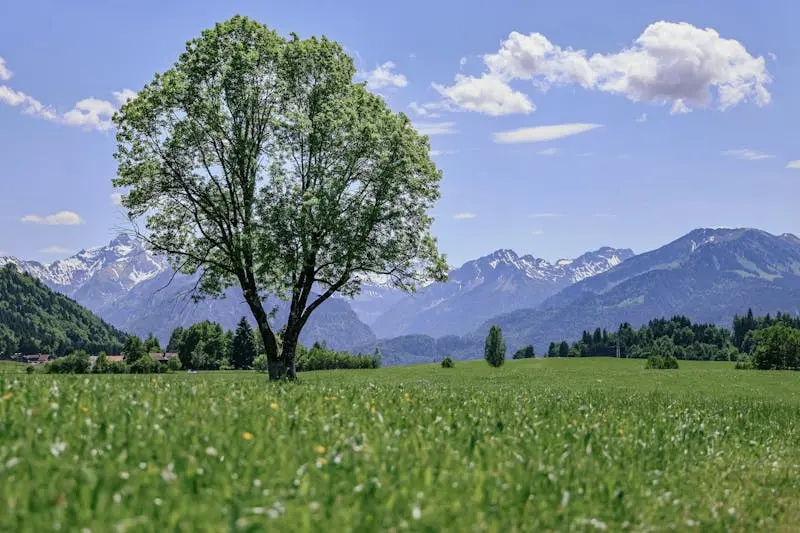
Things to Do in Bavaria, Germany
Photo made by Studio Lichtfang on Pexels.com
When to visit
Plan your perfect trip to Bavaria, Germany
Get a complete travel plan built just for you in under 30 seconds, with daily routes, local food tips, budget estimates and more.
Are any of these especially important to you?
Select all that apply
Plan language: EnglishBavaria is the #1 city for healthcare in the world, based on our data across hundreds of destinations.
Most popular attractions in Bavaria, Germany
When considering things to do in Bavaria, Germany, start with the fairy tale Neuschwanstein Castle, which inspired Disney and sits atop a rugged hill near Füssen. In Munich, join locals at the Hofbräuhaus, a 500-year-old beer hall serving liter steins. Marienplatz hosts the famous Glockenspiel with its 43 bells and 32 life-sized figures.
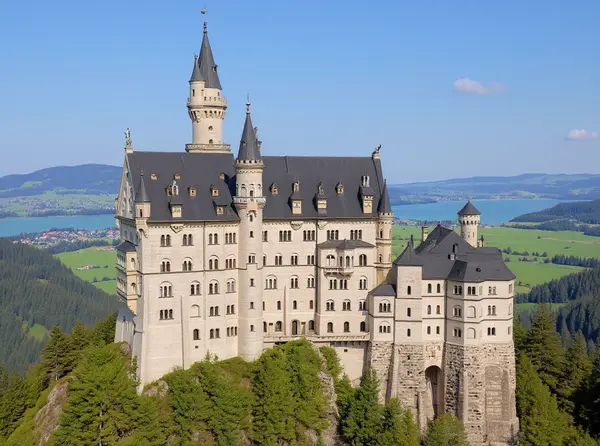
1. Neuschwanstein Castle
Step into the real-life inspiration behind Disney's Sleeping Beauty castle. You'll wander through opulent halls adorned with swan motifs and gaze out over Bavarian Alps from a king's private balcony.
Quick facts: King Ludwig II spent only 172 days in his fairy-tale retreat before his mysterious death in 1886. The castle's elaborate interior was never fully completed, with only 14 rooms finished out of more than 200 planned.
Highlights: The throne room was designed to look like a fantastical Byzantine basilica, but it has no actual throne, just an empty platform where one was never installed. From the Marienbrücke bridge, you can see the castle perched dramatically above a 45-meter waterfall in the Pöllat Gorge.
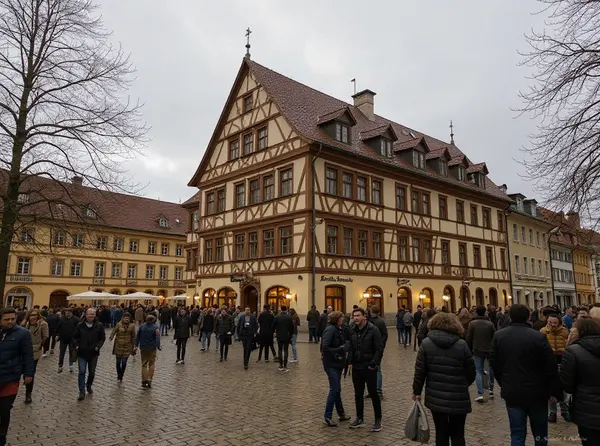
2. Hofbräuhaus
Raise a liter-sized stein under the same painted ceiling where locals and travelers have clinked glasses since the 1600s. You'll hear oompah music, share long wooden tables with strangers who become friends, and taste a beer brewed fresh on the premises.
Quick facts: Every day, roughly 10,000 liters of beer flow through the taps here, all brewed on site according to the 1516 Bavarian Purity Law. The building survived two world wars and was rebuilt after WWII with original bricks salvaged from the rubble.
Highlights: A brass band plays live every single evening at 6 PM, and regulars have their own personal steins locked in private cabinets along the walls. Look for the "Stammtisch" reserved tables where Munich locals have gathered every Thursday for decades, some families spanning four generations.
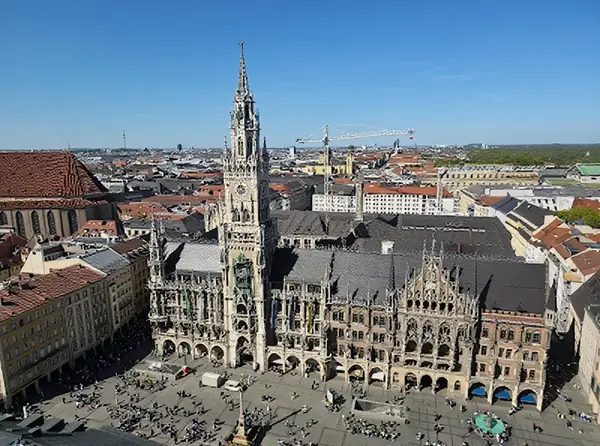
3. Marienplatz
Watch 43 bells ring and 32 figures dance across three stories of the Glockenspiel. Feel the pulse of Munich as locals gather on cobblestones beneath the Gothic town hall.
Quick facts: Three original 14th-century characters still dance around the maypole during the annual Schäfflertanz. The square draws over 1.5 million people every December for its Christmas market alone.
Highlights: On the Glockenspiel's upper level, life-sized figures reenact the 1568 wedding of Duke Wilhelm V, while below, coopers perform their traditional dance to honor the plague survivors of 1517. The chime rings daily at 11am and noon, drawing crowds who hear the 43 bells and see the 32 figures move across three levels.
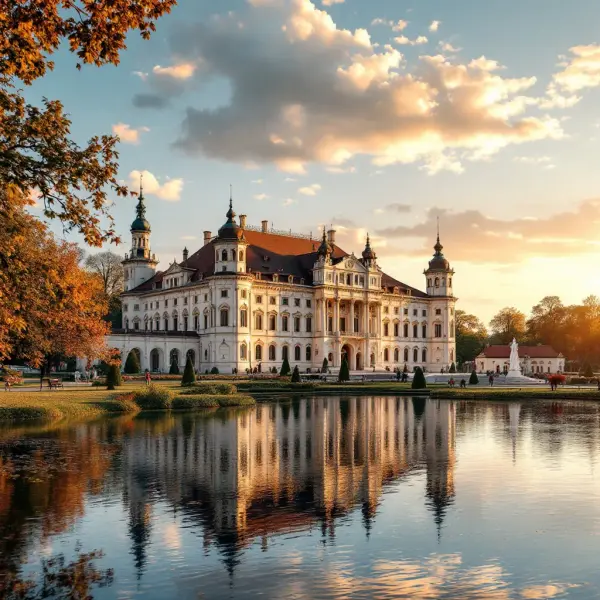
4. Nymphenburg Palace
Roam through opulent halls where Bavarian royalty once escaped the summer heat, then stroll into flowering gardens larger than Monaco. You'll find glittering carriage collections, a hidden porcelain workshop, and canals perfect for a lazy afternoon boat ride.
Quick facts: Originally built as a summer residence for the Wittelsbach dynasty, its 200-meter-long facade was designed to rival Versailles. The palace's central pavilion houses the famous Gallery of Beauties, featuring 36 portraits of 19th-century women chosen solely by King Ludwig I for their charm and character.
Highlights: Tucked away in the palace's southern wing is the Marstallmuseum, home to the world's finest collection of royal carriages and sleighs, including a gilded, shell-shaped sleigh that Ludwig II rode through the night with torches ablaze. Peek into the nearby Museum Nymphenburg Porcelain to see how hand-painted porcelain has been crafted on-site for over 260 years, with artisans still working the same kilns today.
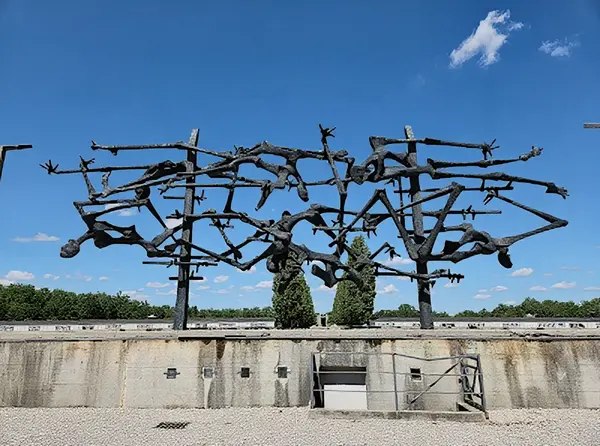
5. Dachau Concentration Camp Memorial Site
Stand where history changed course at the site that defined Nazi terror before Auschwitz. You'll walk through the original gate, see the remaining foundations of 34 barracks, and hear survivor testimonies.
Quick facts: Over 200,000 prisoners from 30 nations were held here during the Nazi regime, yet only a fraction appear in the famous photographs. The site now receives more than 800,000 visitors each year who walk through the same gate bearing the cynical motto "Arbeit macht frei."
Highlights: The prisoners' barracks were laid out in a precise grid so guards could fire down any row from a single watchtower, a chilling piece of architectural design you can still trace on the ground today. What makes it genuinely unsettling is walking the same gravel prisoners walked on arrival, hearing the crunch under your feet exactly as they did.
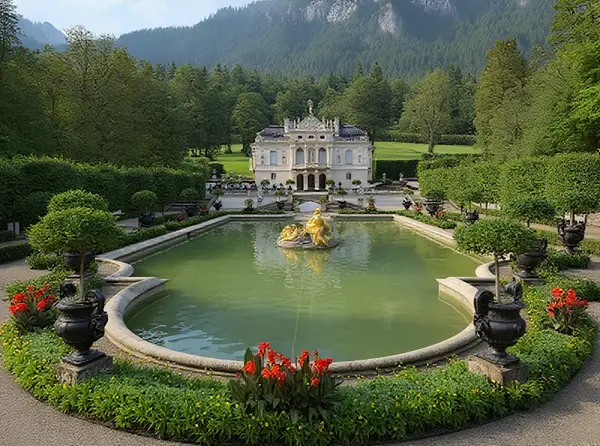
6. Linderhof Palace
Step into a fairy-tale palace where a king built his own private fantasy world. You'll wander through glittering halls, a hidden cave with an artificial lake, and perfectly manicured gardens.
Quick facts: King Ludwig II spent over 2 million marks on this retreat, more than half of which went just to the elaborate gardens and fountains. The palace was his smallest yet most ornate residence, with every surface inside covered in gold leaf, mirrors, and intricate carvings.
Highlights: The famous Venus Grotto, a 10-meter artificial cave built inside the palace grounds, features a waterfall, colored glass lights that shift through the spectrum, and a lake with a swan-shaped boat. Ludwig would have himself rowed across this indoor lake while listening to Wagner's operas echoing off the cave walls.
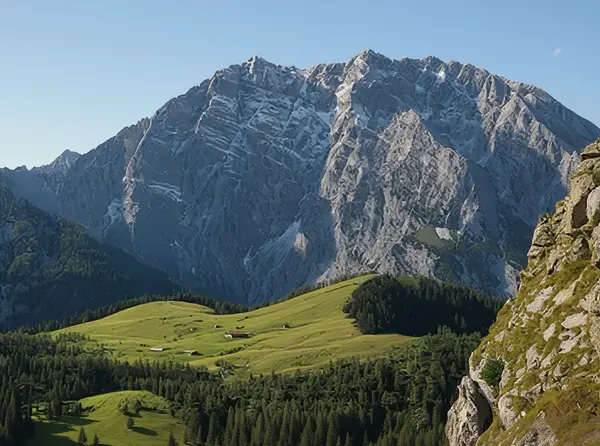
7. Bavarian Alps
Raw alpine wilderness where jagged peaks meet flower-carpeted meadows. Hike past thundering waterfalls, crystal-clear mountain lakes, and grazing cows with enormous brass bells.
Quick facts: Some of Europe's highest peaks poke through these slopes, with Zugspitze scraping the sky at 2,962 meters. Over 4,000 species of plants and animals thrive across the alpine meadows and limestone cliffs, including the elusive golden eagle.
Highlights: Farmers here still practice traditional transhumance, moving 50,000 cows up to high pastures each summer while wearing elaborate headdresses and hand-carved bells that can weigh up to 30 pounds. The clanging of hundreds of cowbells echoing across valleys at sunrise during the autumn descent is a sound you won't forget.
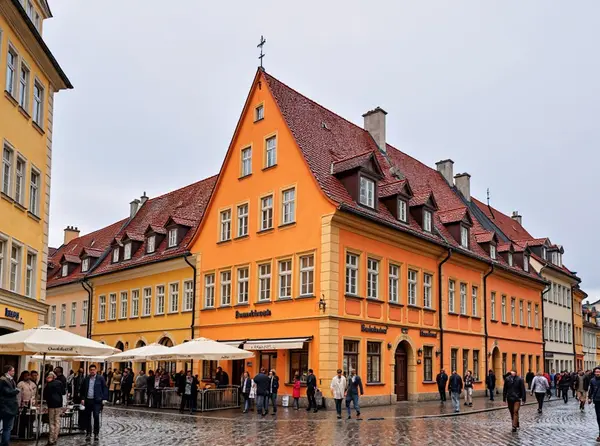
8. Bamberg Old Town
Wander a medieval city that somehow feels frozen in time, with canals crisscrossing cobblestone lanes. You'll stumble upon half-timbered houses, a 900-year-old cathedral, and locals sipping rauchbier in candlelit taverns.
Quick facts: The old town sits on seven hills, each crowned with a church, earning it the nickname "Franconian Rome." Over 2,000 medieval and Baroque buildings survived WWII largely intact, making it one of the best-preserved historic centers in Germany.
Highlights: Twice a year, the entire old town takes on a smell of roasted onions during Sandkirchweih, a folk festival that's been running for over 900 years. You can also spot the world's smallest statue of a lion painted red, hidden in plain sight on the 15th-century Rathaus.
Where to Stay in Bavaria, Germany
Selected by City Buddy based on guest reviews and proximity to top attractions
Search all hotels in Bavaria, GermanyPowered by agoda
Traditional Sweet Dishes

Schwarzwälder Kirschtorte
This famous Black Forest cake layers chocolate sponge with cherries and whipped cream. It gets its name from the Schwarzwald region and the cherry brandy known as Kirschwasser that gives it its distinctive flavor.
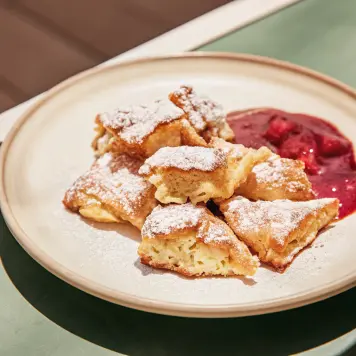
Kaiserschmarrn
This shredded pancake dessert is served with applesauce or plum compote. Legend says Emperor Franz Joseph I loved this fluffy treat, which is why it is named after him.
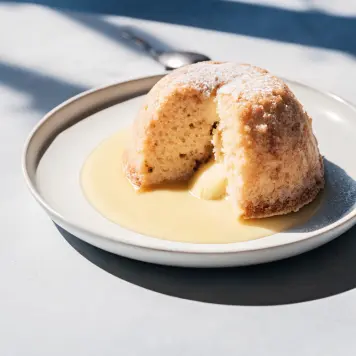
Dampfnudel
These steamed yeast dumplings are a Bavarian classic, often served with vanilla sauce or poppy seed butter. They are surprisingly light and fluffy despite their dense appearance.
Traditional Savory Dishes

Schweinshaxe
This roasted pork knuckle has a famously crispy crackling exterior and tender meat inside. It is a staple at Oktoberfest and is traditionally served with potato dumplings and sauerkraut.

Weißwurst
Bavaria's famous white sausage is made from minced veal and pork back bacon. By tradition it should be eaten before noon, as it was made fresh daily and had no preservatives for the afternoon.

Leberkäse
Despite its name meaning "liver cheese," this Bavarian meat loaf contains no liver or cheese. It is made from finely ground corned beef, pork, and bacon, baked until it has a dark brown crust.
Traditional Beverages
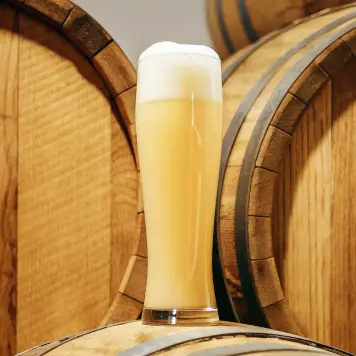
Weißbier
Bavaria's iconic wheat beer is unfiltered and naturally cloudy. It is traditionally served in a tall, narrow vase-shaped glass to showcase its golden haze and thick white foam head.

Obstler
This clear fruit brandy is a traditional Bavarian digestif, often made from apples, pears, or plums. It is commonly produced by small family distilleries in the Bavarian countryside.

Apfelschorle
This refreshing mix of apple juice and sparkling mineral water is the most popular non-alcoholic drink in Bavaria. It is enjoyed by people of all ages and is often served at family gatherings and festivals alike.
Frequently Asked Questions about Bavaria, Germany
Is Bavaria, Germany safe?
How many days in Bavaria, Germany?
Best time to visit Bavaria, Germany?
Is Bavaria, Germany expensive?
How to get around Bavaria, Germany?
Get a PDF with the most popular attractions sent to your email
Get a PDF with all attractions, ratings, and tips. Perfect for offline use.
Most popular day trips
Neuschwanstein Castle
Fairytale 19th-century castle perched on a rugged hilltop
Salzburg, Austria
Mozart's birthplace with baroque architecture and alpine views
Rothenburg ob der Tauber
Well-preserved medieval town on the Romantic Road
Garmisch-Partenkirchen
Alpine resort with Zugspitze, Germany's highest peak
Rent a car in Bavaria, Germany
Getting there
Train stations
ICE, EC, regional trains connecting to all major German cities
ICE and IC connections to Berlin, Frankfurt, and Munich
From Munich Airport, take the S-Bahn S1 or S8 to Munich Central Station. Direct train connections to Bavarian towns are frequent and reliable.
Find flights to Bavaria, Germany
Click to get eSim for Bavaria, Germany
The easiest and most affordable way to get mobile internet wherever you travel.
Comments (8)
Buy a Bayern Ticket at the DB machines for unlimited regional trains. Best 24 euros you'll spend for day trips around.
Overpriced and crowded in peak season. August was a mistake. Beautiful region but too many tourists everywhere.
Three days in Bavaria felt rushed. Wish I had at least a week to really explore the small towns and mountains.
Bavaria blew me away. The beer gardens alone are worth the trip, everything felt so relaxed and beautiful.
Skip the restaurant right at Marienplatz. Walk 5 minutes toward Sendlinger Tor, way better schnitzel for half the price.