 CityBuddy
 English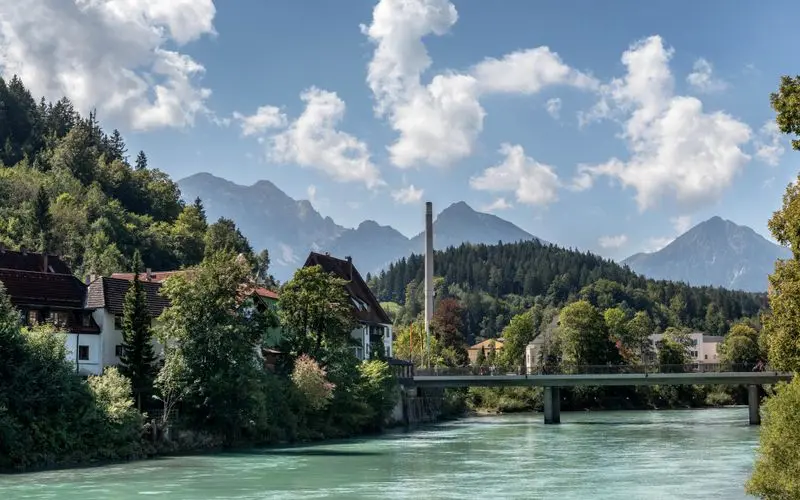
Things to Do in Füssen, Germany
Photo made by Wolfgang Weiser on Pexels.com
When to visit
Most popular attractions in Füssen, Germany
Looking for the best things to do in Füssen, Germany? Start at the majestic Neuschwanstein Castle, which inspired Disney, just 3 kilometers from the center. Then explore Hohes Schloss, a Gothic complex with beautiful frescoes on its facade. Both gems offer an unforgettable glimpse into Bavarian history.
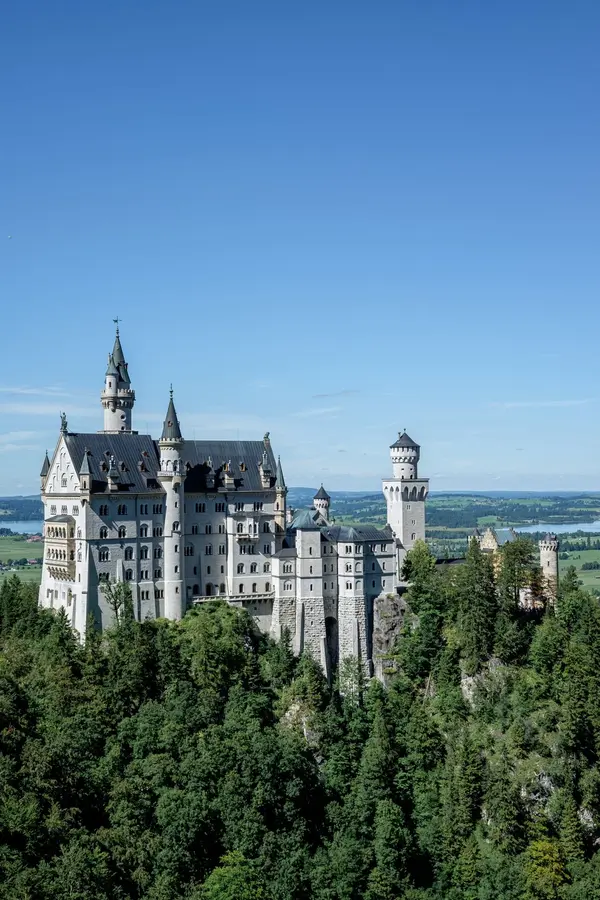
1. Neuschwanstein Castle
Step into the fairy tale that inspired Disney's Sleeping Beauty castle. Walk through the golden throne hall with 3.5 million mosaic tiles and a view of the Alpine peaks.
Quick facts: King Ludwig II saw his dream castle only 172 days before his mysterious death. More than 1.4 million visitors come here each year, making it one of the most visited landmarks in Europe.
Highlights: Although it looks like a medieval fortress from the outside, inside you will find central heating, flush toilets and hot running water, technological amenities that most cities did not even have in the 19th century. Most impressive is the Grotto Hall with an artificial stalactite cave and more than 600 candles creating a magical atmosphere.
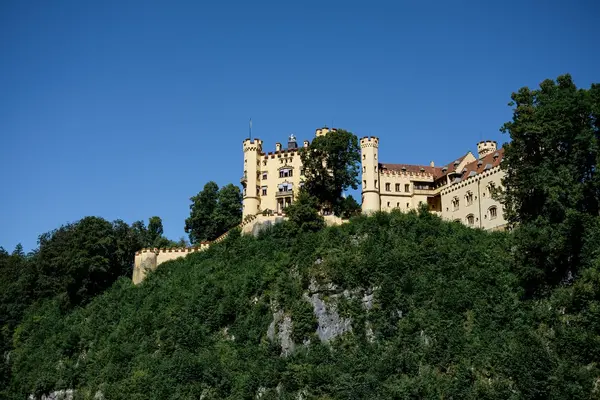
2. Hohenschwangau Castle
Less known, but equally charming neighbor of the famous Neuschwanstein. You will walk through the rooms where King Ludwig II grew up and glimpse into his private world.
Quick facts: King Maximilian II chose this castle as his summer residence and had it rebuilt in a romantic style. His son, Ludwig II, spent much of his childhood here and later watched the construction of nearby Neuschwanstein from its windows.
Highlights: In the Hall of Knights, huge murals depict the legend of the Swan Knight Lohengrin, which inspired Wagner to write his famous opera. From the castle window, there is a perfect view directly at Neuschwanstein, as if the two castles were holding a quiet dialogue across the valley.
3. Museum of the Bavarian Kings
Want to peek into the life of Bavarian kings without the crowds of tourists? You will walk through chambers full of thrones, paintings, and personal belongings of monarchs in the peaceful atmosphere of a hunting castle.
Quick facts: The museum is housed in a former hunting lodge that Bavarian King Maximilian II had rebuilt in the 19th century. In its halls you will see more than 1,000 original objects, from royal coronation robes to the personal diaries of the last Bavarian king.
Highlights: The biggest surprise is the extensive collection of original theater costumes that King Ludwig II personally designed and wore during his private opera performances. In one room, you come face to face with an elaborate cloak decorated with thousands of hand-tied pearls, which the king wore exactly once.
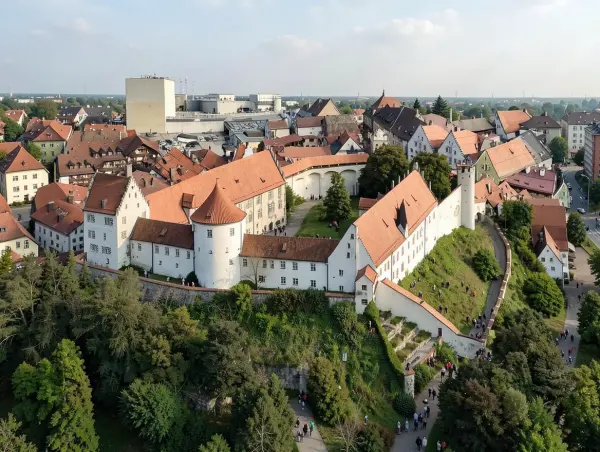
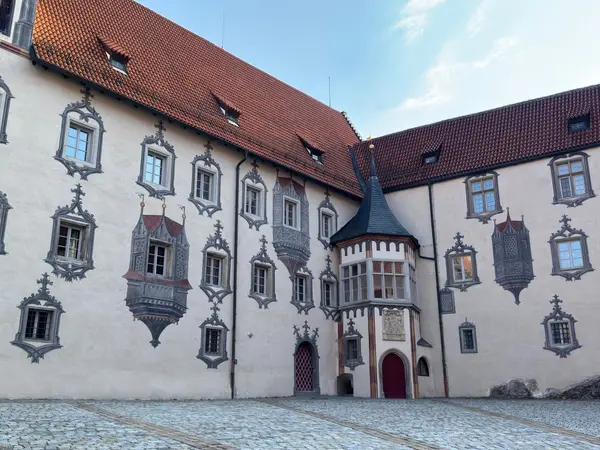
4. Hohes Schloss (High Castle)
High Castle
A medieval gem with illusionistic paintings that will trick your eyes. Walk through the courtyard, admire the Gothic frescoes, and enjoy the view of the Alpine peaks from the tower.
Quick facts: The facade is decorated with 150 hand-painted illusionistic motifs that create an impression of spatial depth. The complex also includes the Gothic Chapel of St. Anne with original frescoes from the 16th century.
Highlights: In the courtyard, you will find a unique "meadow gate" with a drawbridge that is still raised manually using a historical mechanism. Every evening a fairy-tale illumination rises above the steep roofs, making the castle look like an illustration from an old book.
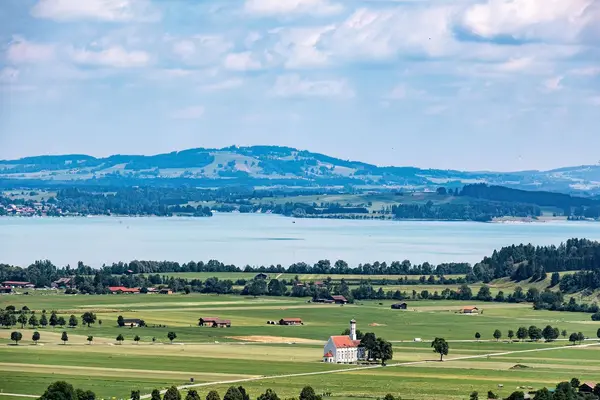
5. Forggensee Lake
You will see a mirror-like surface framed by Alpine peaks and two castles. Here you can swim, go out on a boat, or just gaze at Neuschwanstein in the distance.
Quick facts: Covering 15.2 km², it is the largest alpine reservoir in Germany. Every winter it is drained and refilled in the spring, revealing the Danube road and remnants of Roman roads on its bed.
Highlights: When the water recedes in winter, a long-submerged Roman bridge and medieval foundations emerge, as if a centuries-lost world were returning for four months. Every spring you watch the water level rise by 2 meters per day, swallowing the old road and meadows until the lake once again reaches its summer form.
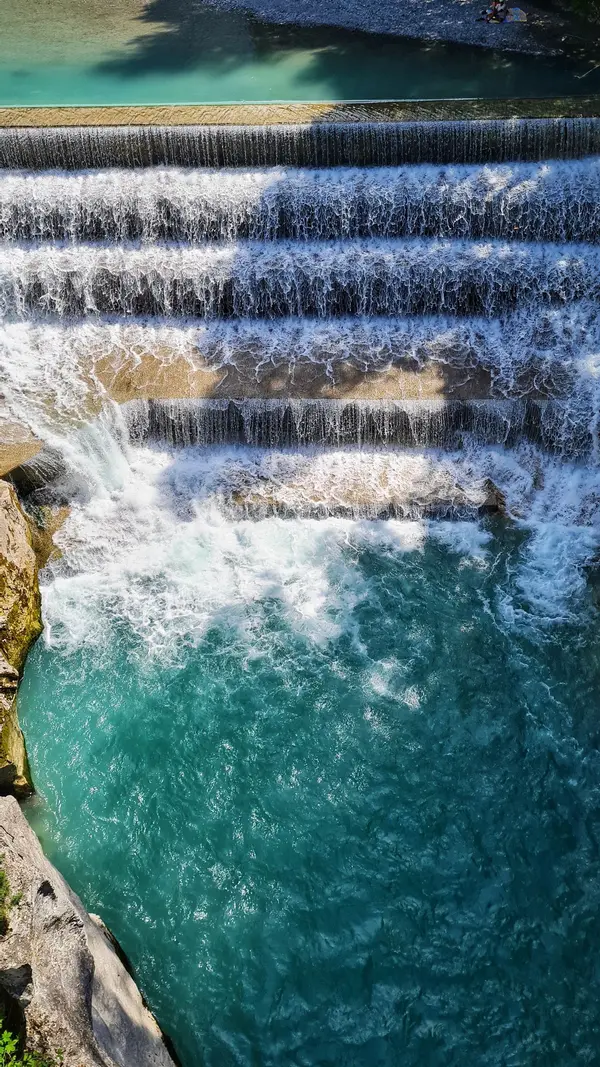
6. Lechfall
Lechfall will really challenge your sense of balance. You stand on a bridge directly above a roaring waterfall, and the wind sprays into your face with a force that makes you feel completely tiny.
Quick facts: The mighty 12-meter waterfall was created by the Lech River cascading over a rocky threshold after the last Ice Age. An incredible 40 million cubic meters of water flow through here each year.
Highlights: Beneath the surface thunders a massive natural concrete block that the water has been grinding down for thousands of years, creating incredible whirlpools and foam cushions. During high water, the entire Lechfall turns into a thunderous white cloud that you can taste on your tongue even a hundred meters away.
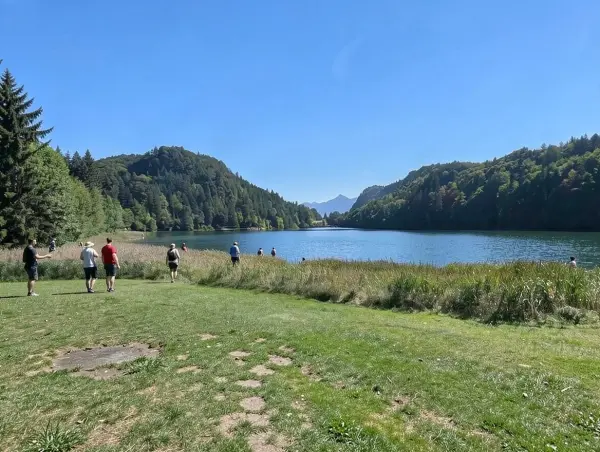
7. Alatsee Lake
A quiet forest lake with a fascinating history and water so clear you can see all the way to the bottom. A peaceful walk along the shores awaits you, with views of the Alps and the chance to cool off in one of the warmest lakes in the region.
Quick facts: With its deep green color, which gives it an almost mystical appearance in summer, it is one of the warmest lakes in the area. In winter, on the other hand, it does not freeze as easily as neighboring lakes, so you can often find an open water surface even at sub-zero temperatures.
Highlights: Beneath the surface hides a 30-meter-deep flooded quarry that once supplied stone for nearby Neuschwanstein Castle. The water is so clear that you can clearly see old quarry cuts and remnants of rails on the bottom, used by workers over a century ago.
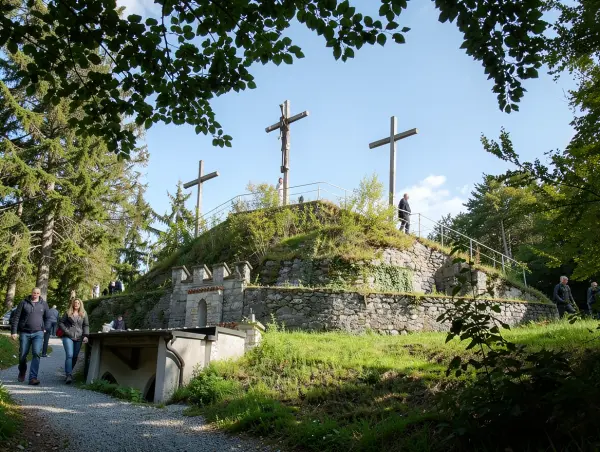
8. Kalvarienberg Füssen
A steep hill with a Stations of the Cross path will reward you with a breathtaking panorama of the city and the Alps. Stroll among the 14 stations and enjoy a view at the top that is worth every step.
Quick facts: Fourteen weathered stations of the cross wind up a pine-shaded hillside to a candlelit chapel at the summit. On a clear morning, the view sweeps from Neuschwanstein's fairy-tale towers across the Lech river to snowy Alpine ridgelines in two countries.
Highlights: Climb the cool, shadowy stairway inside the summit chapel and a wooden door swings open onto the bell tower, where a 360-degree panorama of Germany and Austria unfolds far below. On Good Friday evenings, locals still process from station to station with flickering candles and soft singing, turning the whole hillside into a river of warm orange light.
9. Via Claudia Augusta
Walk along the road where Roman legionaries tread two millennia ago. Ahead of you are 500 meters of elevation gain, a panorama of purple peaks, and a lake straight out of a fairy tale.
Quick facts: Roman engineers carved a 500-kilometer artery across the Alps two millennia ago, linking the Po Valley to the Danube. Weathered slabs in a quiet forest still show parallel ruts gouged as deep as 40 centimeters by iron-rimmed wagon wheels.
Highlights: Two parallel grooves, worn 40 centimeters deep into the limestone, run side by side just far enough apart for a Roman cart's axle. Run your hand along the polished stone, smooth as glass from centuries of passing wheels, while moss creeps over the untouched edges.
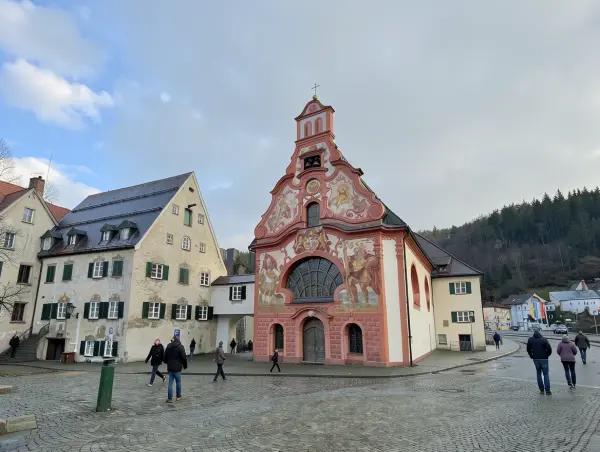
10. Spitalkirche Heilig Geist
A small church with an immense artistic treasure that transports you five centuries back in time. You will savor the silence, the scent of old wood, and a view of the altar that will leave you standing with your mouth wide open.
Quick facts: Rococo-era ceiling frescoes painted in 1748 wrap the tiny interior with an animated Dance of Death, pairing skeletons with pope, emperor, and peasant alike. Barely 60 seats fill the space, so you can study every painted figure up close without crowds.
Highlights: Franz Georg Hermann's 1748 ceiling fresco uses a tilted perspective trick that makes the skeletons seem to hover directly over your head and follow you down the aisle. Near the front, a fiddler skeleton perches on the painted roof edge with bow raised mid-tune, a grinning detail you only catch on the second look.
What to pre-book in Füssen
These sell out or need a reservation. Book them first, in this order.
- 1.Neuschwanstein CastleBook 2 months ahead90 days in summer, a few weeks off-season Skip-the-line tickets
- 2.Hohenschwangau CastleBook 4 weeks ahead2-4 weeks in summer, days off-season Skip-the-line tickets
Where to Stay in Füssen, Germany
Selected by City Buddy based on guest reviews and proximity to top attractions
Search all hotels in Füssen, GermanyPowered by agoda
Opening days in Füssen, Germany
Which of the top sights close on which day of the week — the classic trip-ruiner, checked for you.
Monday: 2 of 6 top sights closed — plan museums for another day.
Closed on Monday · 2 closed, 4 open
Opening days from Google Maps (checked 2026-09-09). Public holidays, strikes and seasonal hours can differ — check the official website before you go.
Traditional Sweet Dishes

Allgäuer Kässpatzen
Wait, Kässpatzen is actually savory. Let me reconsider. The true sweet specialty here is Allgäuer Kaiserschmarrn. It is a fluffy, shredded pancake served with applesauce or plum compote, believed to have been a favorite of Emperor Franz Joseph I.

Füssener Apfelstrudel
This classic apple strudel from Füssen features a paper-thin dough stretched by hand, filled with local tart apples, raisins, and cinnamon, then baked to golden perfection.
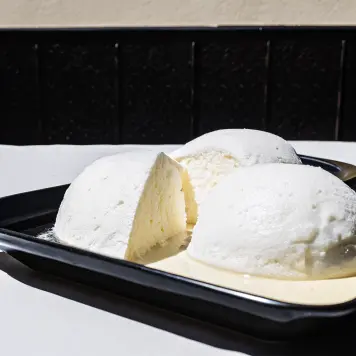
Allgäuer Dampfnudeln
These steamed yeast dumplings are fluffy and light, often served with vanilla custard or fruit sauce. They are a beloved comfort dessert throughout the Allgäu region including Füssen.
Traditional Savory Dishes

Allgäuer Kässpatzen
This is the Allgäu version of käsespätzle, featuring handmade egg noodles layered with three types of melted Allgäu cheese and topped with crispy fried onions.
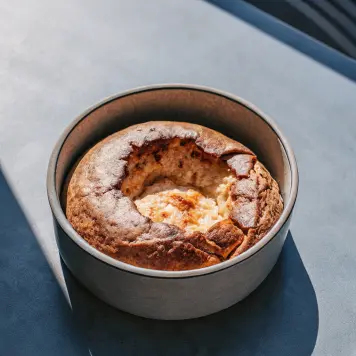
Brenntar
A traditional savory porridge from the Allgäu region made from roasted spelt flour, it was historically a staple food for farmers and shepherds in the Füssen area.

Allgäuer Rindfleisch mit Kren
This dish features boiled Allgäu beef served with horseradish (kren) and a side of potato salad. It is a Sunday favorite in Füssen households.
Traditional Beverages

Allgäuer Bier
The Allgäu region is home to some of Germany's oldest breweries. Füssen's local beers are brewed according to the strict Reinheitsgebot purity law of 1516.

Allgäuer Kräuterlikör
This herbal liqueur is made from a secret blend of Alpine herbs and roots foraged from the surrounding mountains near Füssen.

Obstler (Füssener Schnaps)
This traditional fruit brandy is distilled from local apples and pears grown in the Füssen area. It is often enjoyed as a digestive after a hearty Allgäu meal.
Know before you go
What a day costs in Füssen, and the rip-offs to avoid
Top rip-offs to avoid
- Overpriced castle tickets. Buy Neuschwanstein tickets only from the official Hohenschwangau ticket centre or the official online portal.
- Unlisted cover charges. Check the menu for bread and cover charges before ordering, and review the bill before paying.
- Distraction at bus stops. Keep bags zipped and in front of you in queues, especially at the castle bus stops.
Fair taxi from the airport: €160 - €200
Cheaper option: Regionalbahn train from Munich Airport via Munich Hauptbahnhof, then regional train to Füssen. The airport S-Bahn to Munich main station connects to the Füssen route. (€28)
All scams, fair prices and rulesFrequently Asked Questions about Füssen, Germany
Is Füssen, Germany safe?
How many days should I spend in Füssen?
When is the best time to visit Füssen?
Is Füssen expensive?
How to get around Füssen?
Get a PDF with the most popular attractions sent to your email
Get a PDF with all attractions, ratings, and tips. Perfect for offline use.
Most popular day trips
Neuschwanstein Castle
Famous fairy-tale castle built by King Ludwig II, inspiration for Disney.
Hohenschwangau Castle
Yellow 19th-century castle with stunning lake and alpine views.
Oberammergau
Picturesque village known for woodcarving and Passion Play theater.
Linderhof Palace
Rococo palace with ornate gardens, another Ludwig II masterpiece.
Garmisch-Partenkirchen
Alpine resort town with Zugspitze mountain and skiing.
Getting there
Train stations
Regional trains from Munich via Buchloe and Kaufbeuren
From Munich Airport, take the S-Bahn to Munich Hauptbahnhof, then a regional train to Füssen. Total time is about 2.5 hours.
Useful information for Füssen, Germany
Overview for Füssen, Germany
Compare Füssen with other destinations
Prices, safety, weather and top attractions side by side, with a verdict for every kind of traveler.
Want a day-by-day plan for Füssen, Germany? Open the trip planner
Plan your perfect trip to Füssen, Germany
Get a complete travel plan built just for you in under 30 seconds, with daily routes, local food tips, budget estimates and more.
Are any of these especially important to you?
Select all that apply
Getting around
How do you want to move between places?
Plan language: English