 CityBuddy
 English
Things to Do in Koblenz, Germany
Photo made by Alesia Kozik on Pexels.com
When to visit
Most popular attractions in Koblenz, Germany
Looking for top things to do in Koblenz, Germany? Start at the Deutsches Eck, where the Rhine and Moselle rivers converge at a dramatic point. Across the river, the Festung Ehrenbreitstein fortress rises 118 meters above the city, accessible via the Seilbahn Koblenz cable car, which spans 890 meters over the Rhine.
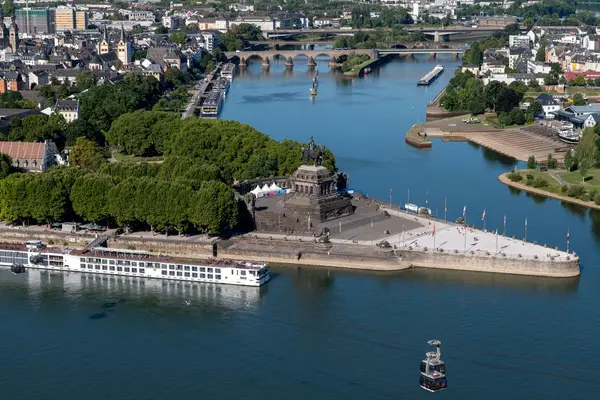
1. Deutsches Eck
Two major rivers collide at your feet, framed by a statue that survived war and division. Step onto the triangular plaza where the Rhine and Moselle meet, then ride the cable car 890 meters across the river to a medieval fortress.
Quick facts: The massive 14-meter equestrian statue of Kaiser Wilhelm I anchors the point where the Moselle meets the Rhine, drawing roughly 2 million visitors each year. Three German states can be seen from this spot at once, along with the confluence of two major European rivers.
Highlights: Look closely at the pedestal and you will see two distinct stone colors: the original 1897 granite survived World War II bombings, while lighter sandstone marks the reconstructed sections from 1993. The monument's base was left as a deliberate patchwork, telling the story of destruction and reunion without a single word.
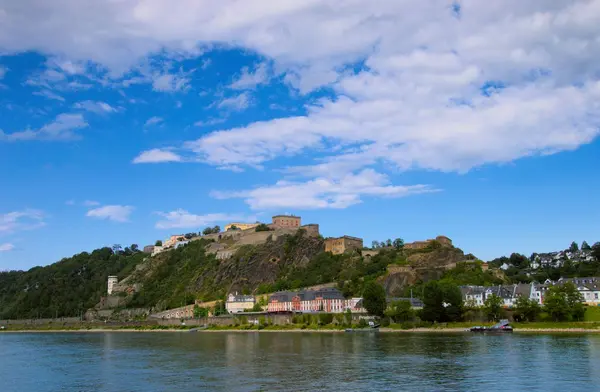
2. Festung Ehrenbreitstein
Stand where armies once clashed and enjoy a 360-degree panorama where the Rhine meets the Moselle. Ride the cable car up, explore 500 years of history, and sip wine grown on the fortress slopes.
Quick facts: Overlooking the confluence of two major German rivers, this massive hilltop fortress took nearly 60 years to complete. More than 2,500 prisoners of war were forced to help construct its walls, and today a cable car carries up to 7,600 visitors per hour to the top.
Highlights: A 3,500-square-meter vineyard clings to the fortress's southern slopes, producing Riesling grapes that thrive on the steep, sunny terrain. Each autumn, the fortress hosts a harvest festival where visitors can taste wine grown literally on the castle grounds.
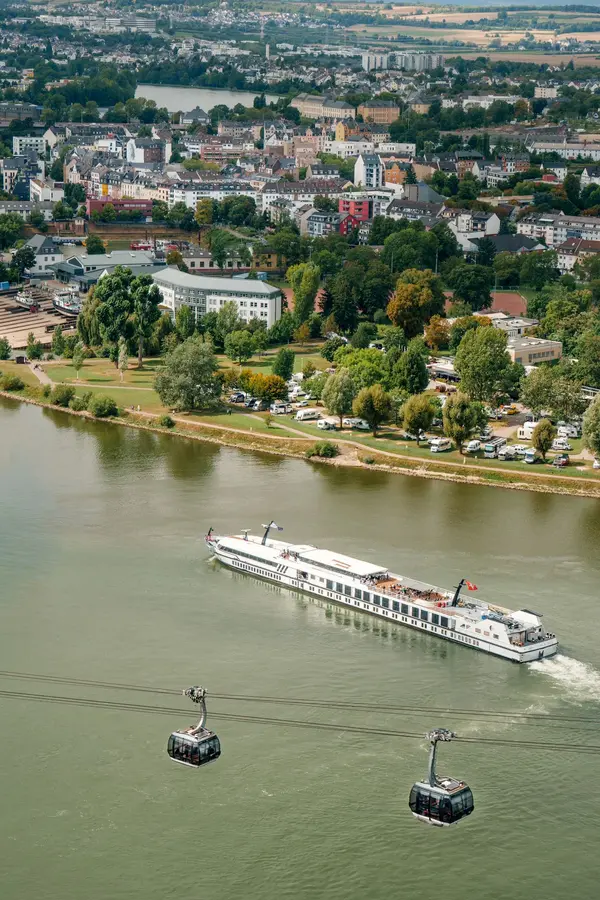
3. Seilbahn Koblenz
Glide 112 meters above the Rhine with nothing but air beneath you for nearly a kilometer. You'll step off into a medieval fortress with panoramic views over the confluence of two major rivers.
Quick facts: Suspended 112 meters above the Rhine River, this cable car carries up to 7,600 passengers per hour in 35-person cabins. Its single 890-meter span between towers is the longest unsupported cable car section in the world.
Highlights: No single pillar interrupts the 890-meter sweep across the Rhine, making it the world's longest unsupported cable car span. From the top, you step directly into the 1,000-year-old Ehrenbreitstein Fortress, one of Europe's most massive hilltop fortifications.
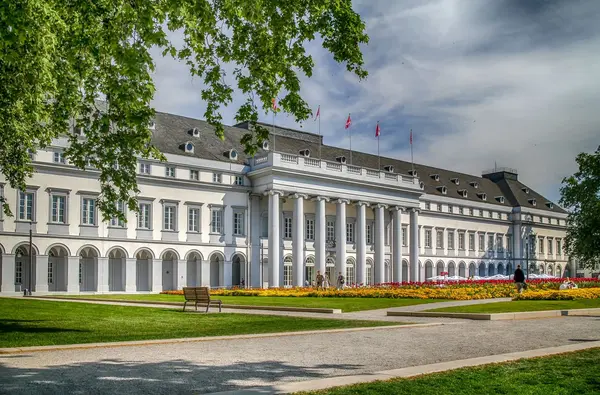
4. Kurfürstliches Schloss
Stand where the Rhine meets the Moselle and feel the pulse of two rivers at once. Wander restored Baroque halls and a rooftop terrace with panoramic views over the Deutsches Eck.
Quick facts: Around 40 rooms survive from the original structure, which was leveled by French troops in 1801. The surviving wing later served as a Prussian military barracks before becoming home to the federal archive's central office.
Highlights: Climb to the rooftop terrace and you get a 360-degree panorama where the Moselle pours into the Rhine directly below, one of the few spots on Earth where you can watch two major rivers merge. The little-known story is that this was the residence of the last Elector of Trier, Clemens Wenzeslaus, who once hosted a nine-day festival here that included a hot-air balloon ascent in 1783.
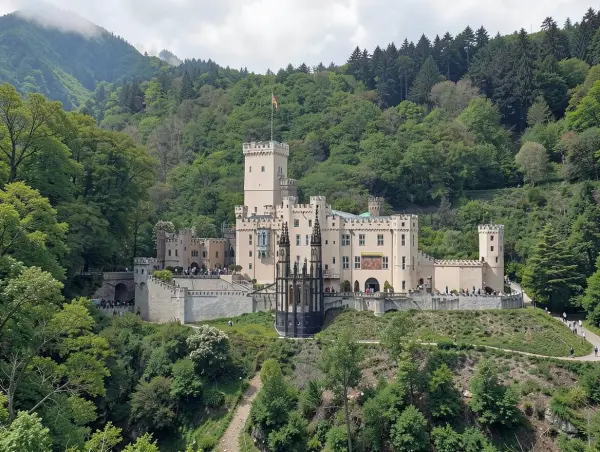
5. Schloss Stolzenfels
A fairytale castle crowning the Rhine's bank, where Prussian royals once played host to British queens. Wander ornate rooms, sweep across the gardens, and watch the two great rivers merge far below.
Quick facts: Perched high above the Rhine, this neo-Gothic riverside castle was a gift from Prussia's crown prince to his sister-in-law. Its 60 rooms mix medieval revival architecture with 19th-century comfort, and the view across the confluence of two major rivers is a huge draw.
Highlights: Queen Victoria once spent three days here in 1845 when she was just 26, and the castle was essentially dressed up just for her royal visit. The private royal apartments still hold the original furniture from that era, down to the gilded chairs she sat on.
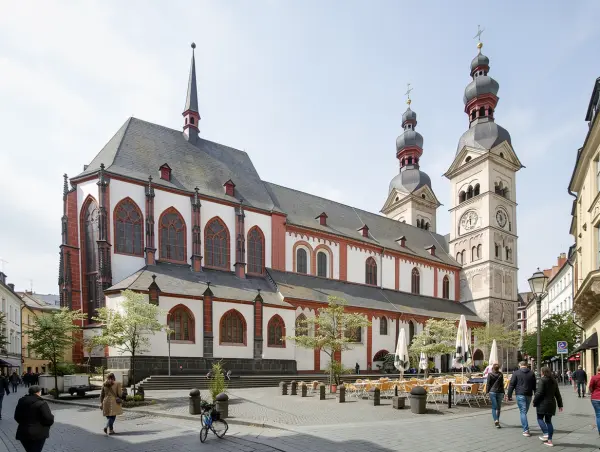
6. Liebfrauenkirche
Stand where three centuries of architecture meet under one roof. Climb the tower for sweeping views where the Rhine and Moselle rivers converge below.
Quick facts: Three architectural eras live under one roof here: Romanesque, Gothic, and Baroque. The church's 93-meter tower offers panoramic views over the confluence of the Rhine and Moselle rivers.
Highlights: Look closely at the westwork and you'll spot a 12th-century Romanesque structure that survived centuries of war, including World War II bombing that destroyed much of Koblenz. Inside, a single Gothic pillar rises 22 meters high, carved from a single piece of stone that was floated down the Rhine river in the 14th century.
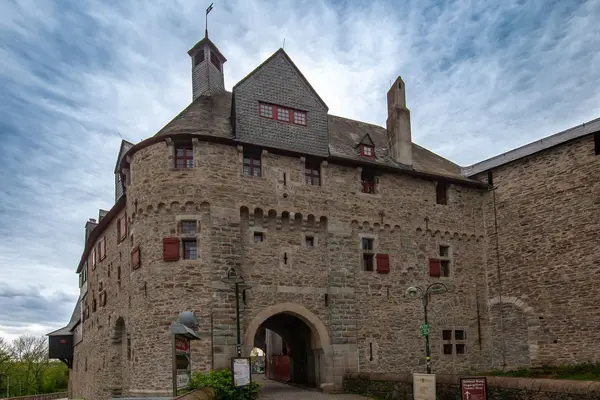
7. Alte Burg
A medieval fortress turned wine tavern and archive, this is Koblenz's most atmospheric spot to sip Riesling. Watch river barges drift past from the castle terrace while tasting local specialties.
Quick facts: A 13th-century fortress on the Moselle riverbank, it now serves as Koblenz's municipal archive and houses a popular restaurant. The square keep rises 42 meters high and offers sweeping views across the old town.
Highlights: Climb the 42-meter square keep and you'll find yourself standing where electors once dined, but today the tower holds a restaurant serving local wines. The real surprise comes at dusk when floodlights transform the rough basalt walls into a warm amber glow reflected on the Moselle.
Where to Stay in Koblenz, Germany
Selected by City Buddy based on guest reviews and proximity to top attractions
Search all hotels in Koblenz, GermanyPowered by agoda
Opening days in Koblenz, Germany
Which of the top sights close on which day of the week — the classic trip-ruiner, checked for you.
Monday: 1 of 4 top sights closed — plan museums for another day.
Closed on Monday · 1 closed, 3 open
Opening days from Google Maps (checked 2026-06-27). Public holidays, strikes and seasonal hours can differ — check the official website before you go.
Traditional Sweet Dishes

Rheinischer Apfelkuchen
This Rhenish apple cake uses a yeasted dough base rather than shortcrust, and the apples are layered in concentric circles before being topped with a rich vanilla custard cream and baked until golden.

Dampfnudeln
These fluffy steamed yeast dumplings are a beloved sweet treat in the Rhineland, typically served with warm vanilla sauce and often enjoyed at local festivals around Koblenz.

Rote Grütze
This vibrant red berry pudding is made from summer fruits like raspberries, cherries and red currants, and is traditionally served cold with a splash of fresh cream or vanilla sauce.
Traditional Savory Dishes

Rheinischer Sauerbraten
Unlike other German versions, Rhenish Sauerbraten is uniquely marinated with raisins and a sweet-sour syrup called "Rübenkraut" (sugar beet syrup), giving it a distinctly fruity and aromatic flavor profile.

Spundekäs
Spundekäs is a creamy, paprika-spiced cheese dip that originated in the Rhineland and is almost always served with soft pretzels or rye bread, making it a staple appetizer in Koblenz wine taverns.

Handkäs mit Musik
This tangy sour milk cheese is marinated with onions, vinegar and caraway seeds, and the "Musik" (music) in its name humorously refers to the digestive effects it can cause after eating it.
Traditional Beverages

Riesling
Koblenz sits at the confluence of the Rhine and Moselle rivers, and the surrounding steep slate vineyards produce the world's finest Riesling wines, with some vines growing on slopes too steep to walk upright.

Koblenzer Pils
Brewed in Koblenz since 1689, this classic German pilsner uses water from the Koblenz-Ehrenbreitstein spring, which gives it a distinctive soft character highly prized by local beer enthusiasts.

Glühwein
The Koblenz Christmas market is famous for serving Glühwein made from regional red wines, often spiced with local honey and served in collectible souvenir mugs featuring the city's iconic Deutsches Eck monument.
Get a PDF with the most popular attractions sent to your email
Get a PDF with all attractions, ratings, and tips. Perfect for offline use.
Most popular day trips
Loreley Valley
UNESCO Rhine Gorge with legendary rock and river cruises
Trier
Ancient Roman city with Porta Nigra and imperial baths
Getting there
Airports
Train stations
ICE high-speed trains to Frankfurt, Cologne, and major cities
Regional trains along the Rhine and Moselle valleys
From Frankfurt Airport, take ICE direct train to Koblenz Hbf in about 1 hour. From Cologne Bonn, take ICE or RE trains in about 1 hour.
Useful information for Koblenz, Germany
Overview for Koblenz, Germany
Compare Koblenz with other destinations
Prices, safety, weather and top attractions side by side, with a verdict for every kind of traveler.
Want a day-by-day plan for Koblenz, Germany? Open the trip planner
Plan your perfect trip to Koblenz, Germany
Get a complete travel plan built just for you in under 30 seconds, with daily routes, local food tips, budget estimates and more.
Are any of these especially important to you?
Select all that apply
Getting around
How do you want to move between places?
Plan language: English